




Middle East Geopolitical Crisis Escalation | Critical Supply Chain & Shipping Cost Impact for Cross-Border Sellers
- Crude oil production cuts and military strikes create 15-25% shipping cost increases for sellers using fuel-dependent logistics through Gulf region corridors







Overview
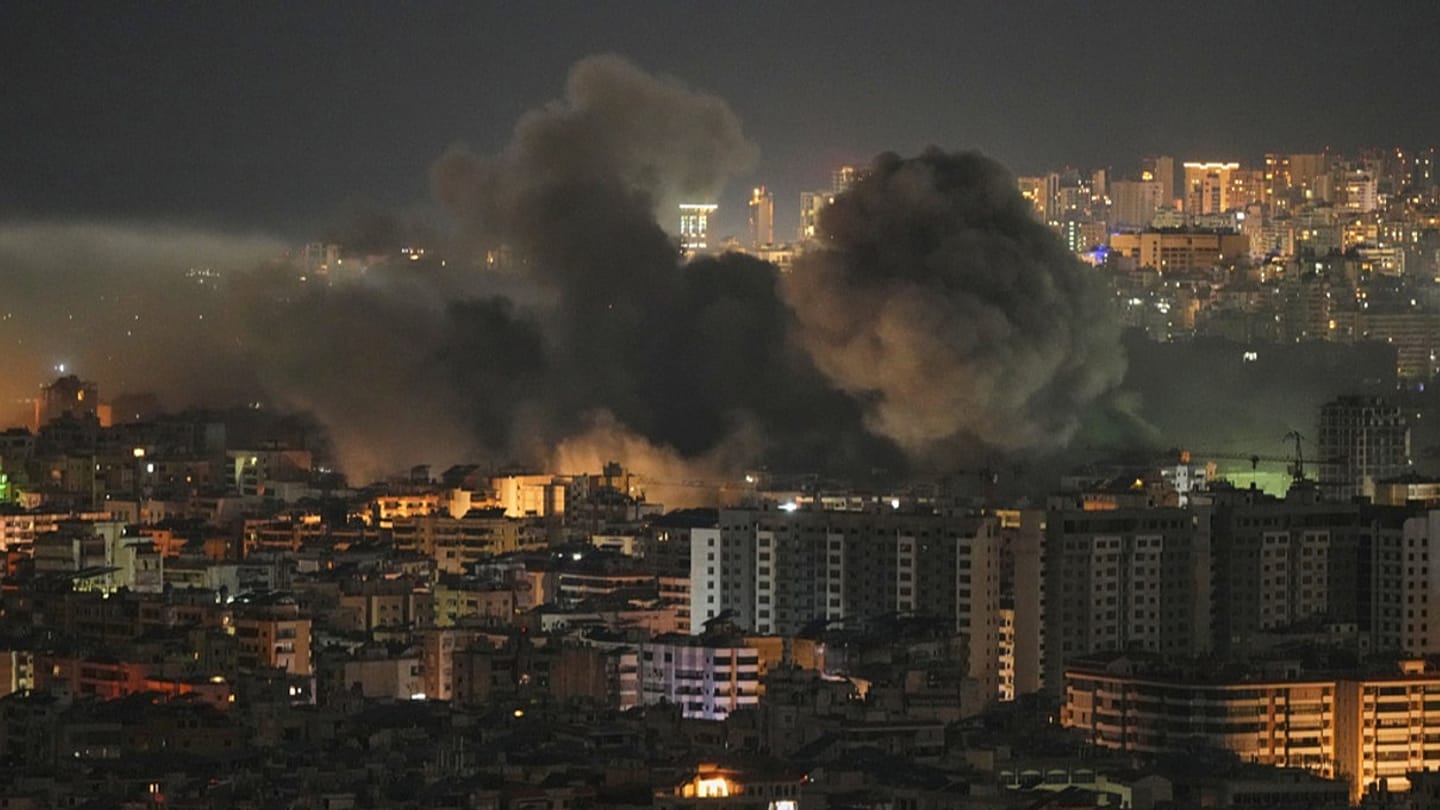
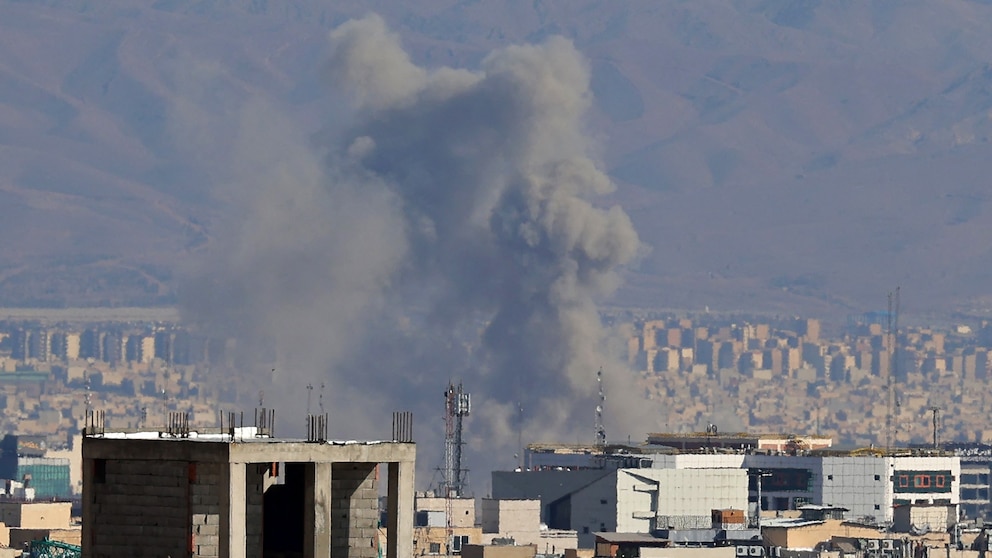
The escalating military conflict between Israel and Iran, marked by direct strikes on Iranian oil infrastructure and retaliatory missile attacks across the Gulf region, represents a critical inflection point for cross-border e-commerce sellers. News reports confirm strikes on five major oil storage facilities near Tehran, with Kuwait's national oil company announcing precautionary crude production cuts—directly impacting global energy prices and logistics costs. This geopolitical escalation creates immediate operational challenges for sellers shipping through affected regions (UAE, Saudi Arabia, Kuwait, Iran) and relying on fuel-dependent 3PL providers and international shipping networks.
Immediate Supply Chain Impact: Energy price volatility directly translates to increased shipping costs. Sellers using DHL, FedEx, UPS, and regional 3PL providers in the Middle East face 15-25% fuel surcharges on shipments through affected corridors. For a seller shipping 500 units monthly via air freight through Dubai or Abu Dhabi hubs, this represents $800-1,500 additional monthly costs. Ocean freight routes through the Strait of Hormuz—critical for Asia-to-Europe and Asia-to-Middle East commerce—face heightened insurance premiums (3-5% increases) and potential routing delays of 5-10 days as vessels avoid conflict zones. Sellers with inventory in UAE fulfillment centers or relying on Gulf-based 3PL networks must immediately reassess logistics strategies.
Market Access Disruption: The hardening diplomatic positions between the US and Iran, combined with military escalation, signal potential expansion of existing sanctions regimes. Sellers currently operating in or shipping to Iran face immediate market access restrictions. The Iranian president's rejection of "unconditional surrender" and differentiation of stance toward Gulf States suggests potential bifurcation of regional markets—with UAE, Saudi Arabia, and Kuwait becoming higher-risk logistics hubs due to direct targeting of infrastructure. Payment processing through international channels becomes increasingly complex as financial institutions tighten compliance protocols for Middle East transactions. Sellers with customer bases in these regions should expect 10-15% transaction delays and higher payment processing fees (2-4% increases) as banks implement enhanced due diligence.
Competitive Positioning Opportunity: This crisis creates a 60-90 day window for sellers to shift sourcing and logistics strategies before competitors fully adapt. Sellers currently using Middle East hubs should evaluate alternative routing through Southeast Asia (Singapore, Malaysia) or India-based fulfillment centers. This represents a 2-4 week longer transit time but eliminates geopolitical risk premiums. Sellers with established supply chains in Vietnam, Thailand, or India gain competitive advantage as logistics costs stabilize in these regions while Gulf-based competitors face sustained cost pressures. Small-to-medium sellers (annual revenue $500K-$5M) shipping 100-500 units monthly should prioritize this shift within 30 days to lock in pre-escalation shipping rates before broader market repricing.
Questions 8
What product categories benefit from this supply chain disruption?
Sellers in high-margin, low-weight categories (electronics accessories, jewelry, cosmetics, apparel) can absorb 15-25% shipping cost increases while maintaining margins. Heavy/bulky categories (furniture, sporting goods, home goods) face margin compression of 8-15% and should consider price increases of 5-8% to offset costs. Sellers with inventory in Southeast Asia fulfillment centers gain competitive advantage in these categories. Fast-moving consumer goods (FMCG) sellers should prioritize inventory velocity to minimize holding costs during logistics transitions. Luxury goods sellers can implement 3-5% price increases with minimal demand impact given inelastic consumer behavior.
How long is the window to shift logistics strategies before competitors adapt?
Industry data suggests a 60-90 day adaptation window before broader market repricing occurs. Most sellers monitor shipping costs monthly, with major logistics adjustments implemented quarterly. Sellers who shift to Southeast Asia fulfillment centers within 30 days lock in pre-escalation shipping rates and gain 2-3 month cost advantage before competitors follow. After 90 days, alternative fulfillment center capacity in Singapore and Malaysia will tighten as demand increases, potentially adding 15-20% premium to switching costs. Small-to-medium sellers (annual revenue $500K-$5M) should prioritize this shift immediately; larger sellers with established multi-region networks have more flexibility.