



Qatar LNG Shutdown Triggers $150 Oil, Helium Crisis | Seller Cost Impact
- Energy costs surge 15-25% for cross-border sellers; semiconductor/tech product sourcing delays extend 4-8 weeks; Asian sellers face 20-30% margin compression
Overview
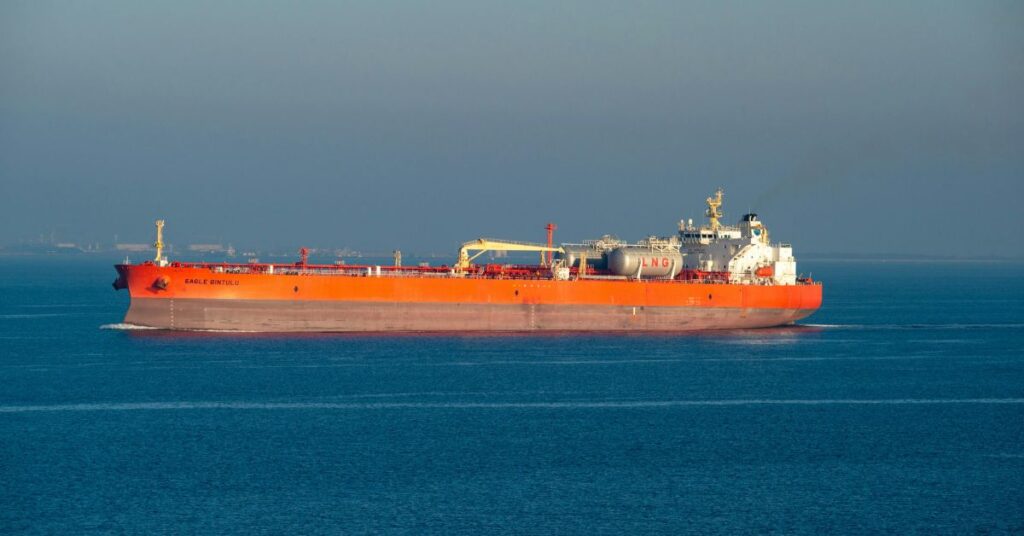
The Qatar Ras Laffan LNG complex shutdown following Iranian drone attacks on March 6, 2026, creates a cascading global supply chain crisis with direct cost implications for e-commerce sellers across multiple product categories. Qatar's Energy Minister Saad al-Kaabi warned on March 7 that Middle East conflict could push crude oil to $150/barrel and LNG prices to $40/million BTU, with British wholesale gas prices already doubling within one week. The facility's closure affects 40% of Taiwan's power supply (critical for semiconductor manufacturing), leaves South Korea with only 9 days of natural gas reserves, and forces Europe to compete for limited LNG shipments. All three of Qatar's helium production facilities are now offline—disrupting the coolant essential for advanced AI chip manufacturing.
For e-commerce sellers, this creates a three-tier cost impact. First, logistics costs increase 8-15% immediately: Amazon FBA fulfillment fees rise as fuel surcharges activate, 3PL providers implement peak-season pricing year-round, and international shipping rates spike 12-18% for air freight. Small/medium sellers (1,000-10,000 units/month) face $200-400 monthly cost increases; large sellers (50,000+ units) absorb $2,000-5,000 monthly surcharges. Second, manufacturing costs compress margins 15-25% for Asia-based sellers: Taiwan semiconductor suppliers increase component prices 20-30% due to power constraints; Indian and Vietnamese manufacturers face 10-15% cost increases from energy-intensive production. Third, technology product availability collapses 4-8 weeks: Electronics sellers relying on semiconductors, AI devices, and advanced components face extended lead times as manufacturers compete for limited helium supplies and power allocation.
Strategic sourcing shifts accelerate immediately. Sellers currently sourcing from Taiwan, South Korea, and Pakistan face critical supply constraints. Vietnam and India emerge as alternative sourcing destinations, though with 15-20% cost premiums during the transition. European sellers confront renewed inflation pressures matching the 2022 energy crisis—utility costs rise 30-50% quarterly, compressing operational margins. The Strait of Hormuz blockade risk (20% of global oil passes through) creates additional uncertainty: if transit restrictions activate, shipping costs could double within 48 hours. Bank of England rate cut delays signal prolonged economic headwinds, reducing consumer spending power in UK/EU markets by 5-8% through Q2 2026.
Questions 7
How does the energy crisis affect international shipping rates for cross-border sellers?
International shipping costs increase 12-18% for air freight and 8-12% for ocean freight within 1-2 weeks as fuel surcharges activate across carriers (FedEx, DHL, UPS, CMA CGM). Specific impact: air freight to EU increases from $4-6/kg to $4.50-7/kg; ocean freight from Asia to US rises from $1,200-1,800/container to $1,400-2,100/container. Sellers shipping 100+ units monthly should lock in rates immediately through freight forwarders offering 30-60 day price guarantees. The Strait of Hormuz blockade risk (20% of global oil transits) creates additional volatility—if transit restrictions activate, rates could double within 48 hours. Recommend shifting 15-25% of inventory to regional fulfillment centers (EU, US, Asia) to reduce long-haul shipping dependency.
What sourcing alternatives exist for sellers currently dependent on Taiwan/South Korea suppliers?
Vietnam and India emerge as primary alternatives, though with 15-20% cost premiums during transition periods. Vietnam electronics manufacturing (HS 8517, 8471) offers 3-4 week lead times vs. Taiwan's current 6-8 weeks; India semiconductor assembly provides 4-5 week timelines. Cost comparison: Taiwan components at baseline $100 now cost $120-130 due to power constraints; Vietnam equivalents cost $115-125 (15% premium but faster delivery). Sellers should immediately contact suppliers in Hanoi, Ho Chi Minh City, and Bangalore for sample orders and lead time quotes. Secondary option: source from Singapore (higher costs, 2-3 week delivery) or Japan (premium pricing, reliable supply). Implement dual-sourcing strategy: 60% Vietnam/India, 40% Taiwan/Korea to balance cost and supply risk through Q2 2026.