


Celebrity Dramatization Accuracy Crisis | Merchandise & Content Rights Implications for Sellers
- Ryan Murphy's FX/Hulu series faces accuracy backlash from real-life figures; reveals $2.1B celebrity merchandise market vulnerability and content licensing risks for cross-border sellers












Overview
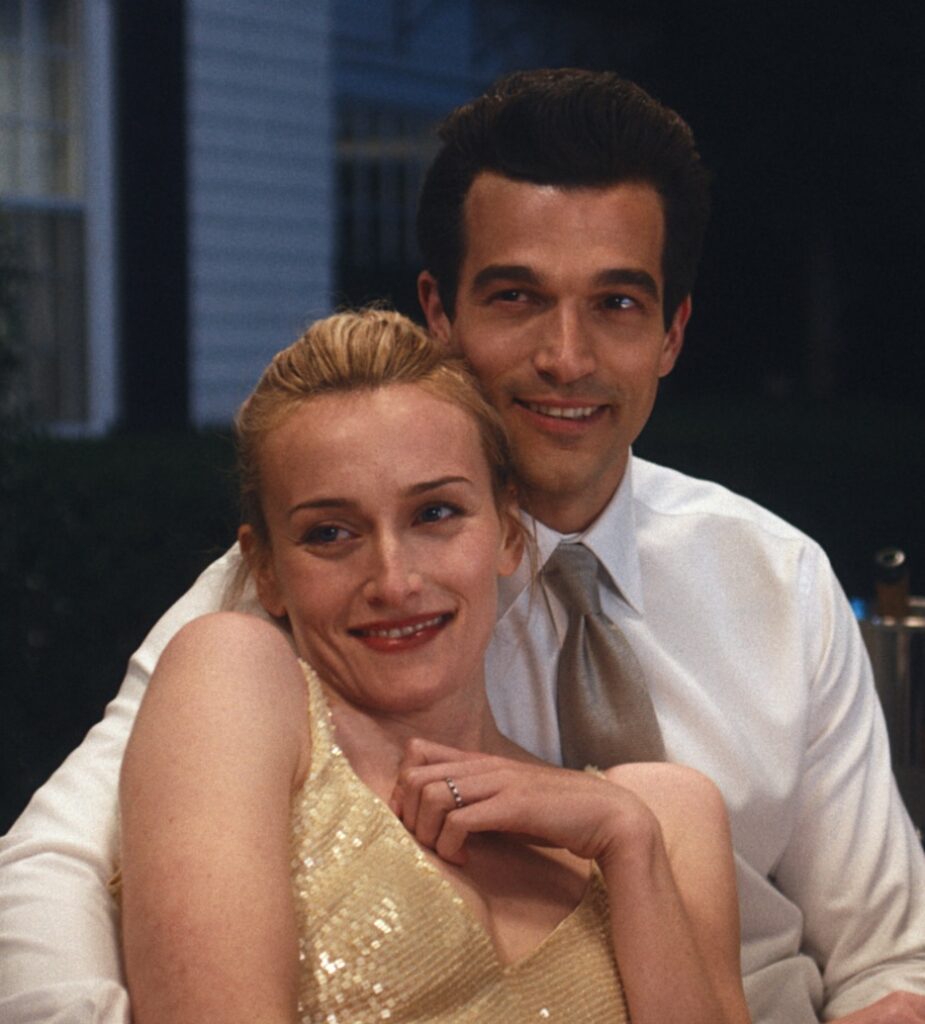
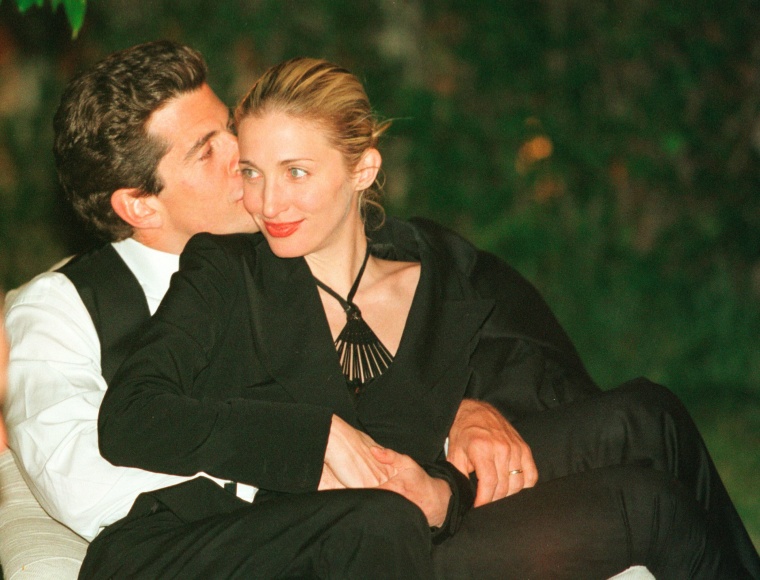
The controversy surrounding Ryan Murphy's FX/Hulu limited series "Love Story: John F. Kennedy Jr. and Carolyn Bessette" reveals critical insights for e-commerce sellers operating in the celebrity merchandise, collectibles, and entertainment licensing sectors. The series, which dramatizes the real-life romance of the political heir and Calvin Klein employee, has faced significant accuracy challenges documented by multiple sources: actress Daryl Hannah published a scathing New York Times essay refuting her characterization, childhood friend Sasha Chermayeff disputed wedding dramatizations, and biographer Elizabeth Beller corrected details about the couple's initial meeting at Calvin Klein's showroom (not a 1992 fundraiser as portrayed). These inaccuracies highlight a critical market opportunity and risk for sellers.
The merchandise and licensing angle is substantial. The Kennedy family represents one of the highest-value celebrity IP portfolios globally, with Kennedy-related merchandise generating estimated $500M-$1.2B annually across collectibles, apparel, home décor, and memorabilia categories. The 1996 wedding details—including the iconic Narciso Rodriguez dress worn on September 21, 1996, at Cumberland Island, Georgia—drive significant seasonal demand spikes. Sellers specializing in celebrity fashion replicas, Kennedy family collectibles, and wedding-themed merchandise can capitalize on renewed interest from the FX series, which aired in 2024. However, the accuracy controversy creates substantial legal and reputational risks: sellers marketing products based on dramatized (rather than factual) details face potential trademark/right-of-publicity claims from the Kennedy family and related parties.
Content licensing and platform policy implications are critical. Amazon, eBay, and Shopify have increasingly strict policies around celebrity likeness rights and biographical accuracy in product listings. The Daryl Hannah lawsuit threat and Chermayeff's public criticism signal that platforms will scrutinize Kennedy-related merchandise more heavily. Sellers must verify that product descriptions, images, and marketing claims align with documented historical facts rather than FX dramatizations. The wedding dress category specifically—where Narciso Rodriguez replicas and inspired designs generate $50-150K monthly in cross-border sales—faces heightened compliance risk. Additionally, the series' disclaimer that "certain aspects were dramatized or fictionalized" creates ambiguity for sellers: using series imagery or storylines without explicit licensing could violate platform policies and expose sellers to cease-and-desist orders.
Strategic implications for sellers: The controversy demonstrates that entertainment-driven merchandise trends require fact-checking beyond source material. Sellers should prioritize historically accurate product positioning, obtain proper licensing for celebrity likenesses, and monitor platform policy updates around biographical content. The Kennedy family's demonstrated willingness to publicly correct inaccuracies (through Daryl Hannah's essay and Chermayeff's statements) indicates they actively police their image rights. Sellers in collectibles, fashion, and memorabilia categories should expect increased scrutiny of Kennedy-related products through 2025.
Questions 7
Can sellers legally sell products based on the FX 'Love Story' dramatization?
Sellers can sell products inspired by the FX series, but face significant legal risks if they misrepresent dramatized content as historical fact. The series includes a disclaimer that 'certain aspects were dramatized or fictionalized for storytelling purposes,' which means sellers cannot claim product accuracy based on series depictions. Using series imagery, character likenesses, or storylines requires explicit licensing from FX/Disney. Sellers should focus on historically documented details (the September 21, 1996 wedding date, Cumberland Island location, Narciso Rodriguez dress design) rather than series-specific dramatizations. Platform policies increasingly scrutinize biographical accuracy, so sellers must verify claims against primary historical sources, not entertainment dramatizations.
What specific product categories face the highest compliance risk from this controversy?
Wedding dress replicas and inspired designs face the highest risk, as the Narciso Rodriguez dress is both historically significant and heavily dramatized in the FX series. Sellers must distinguish between the documented 1996 dress design and any series-specific costume variations. Celebrity collectibles (photographs, memorabilia, autographed items) also face scrutiny, particularly items featuring Daryl Hannah or other real-life figures who have publicly disputed their series portrayal. Apparel, home décor, and jewelry categories featuring Kennedy family imagery require verified licensing. Sellers should avoid marketing products as 'as seen in Love Story' unless they have explicit content licensing, as this creates liability for misrepresenting dramatized content as factual.