


Creator Economy Vulnerability | Influencer Loss Signals Mental Health Crisis in Wellness Content Market
- 1.7M combined followers lost; wellness product sellers face audience fragmentation and authenticity trust deficit in $12B+ fitness e-commerce category




















Overview
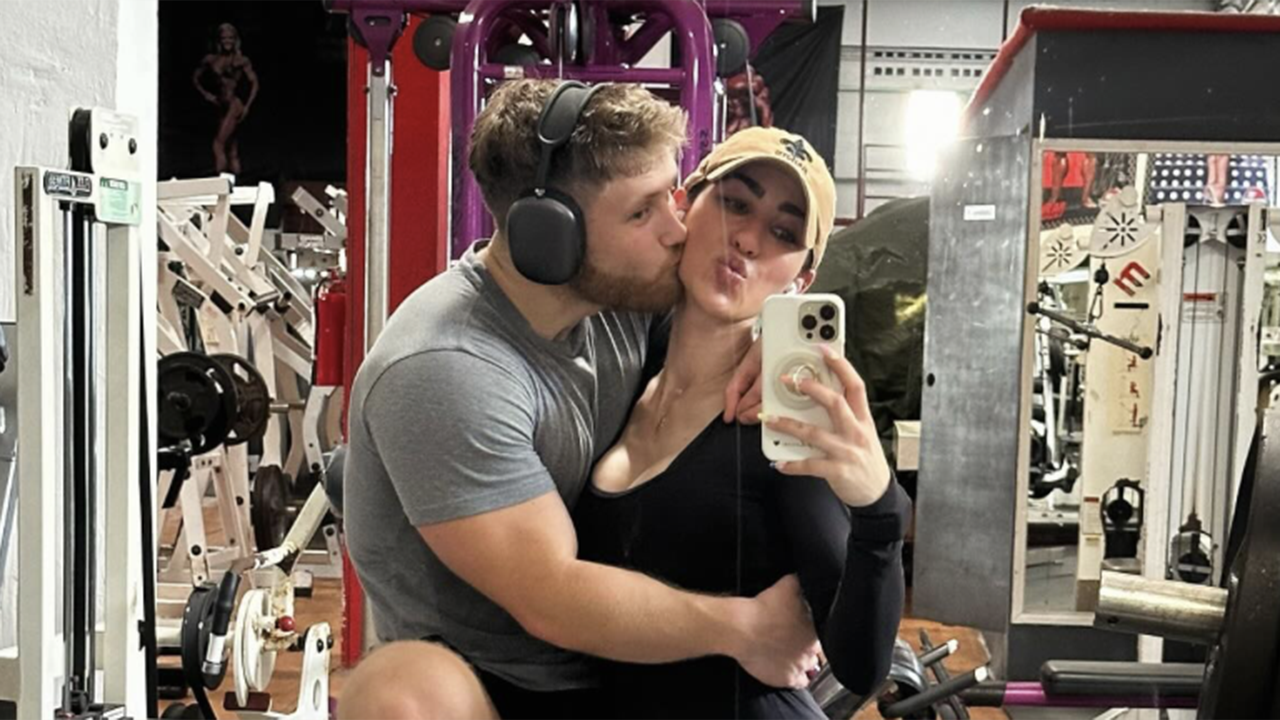
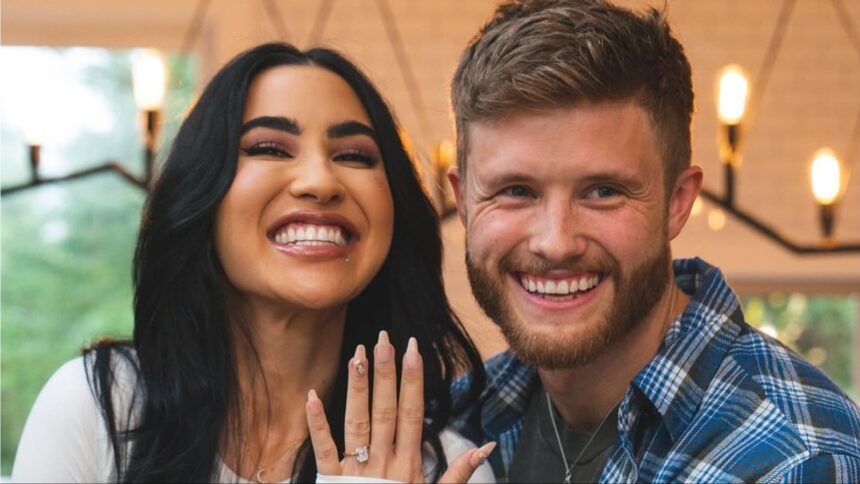
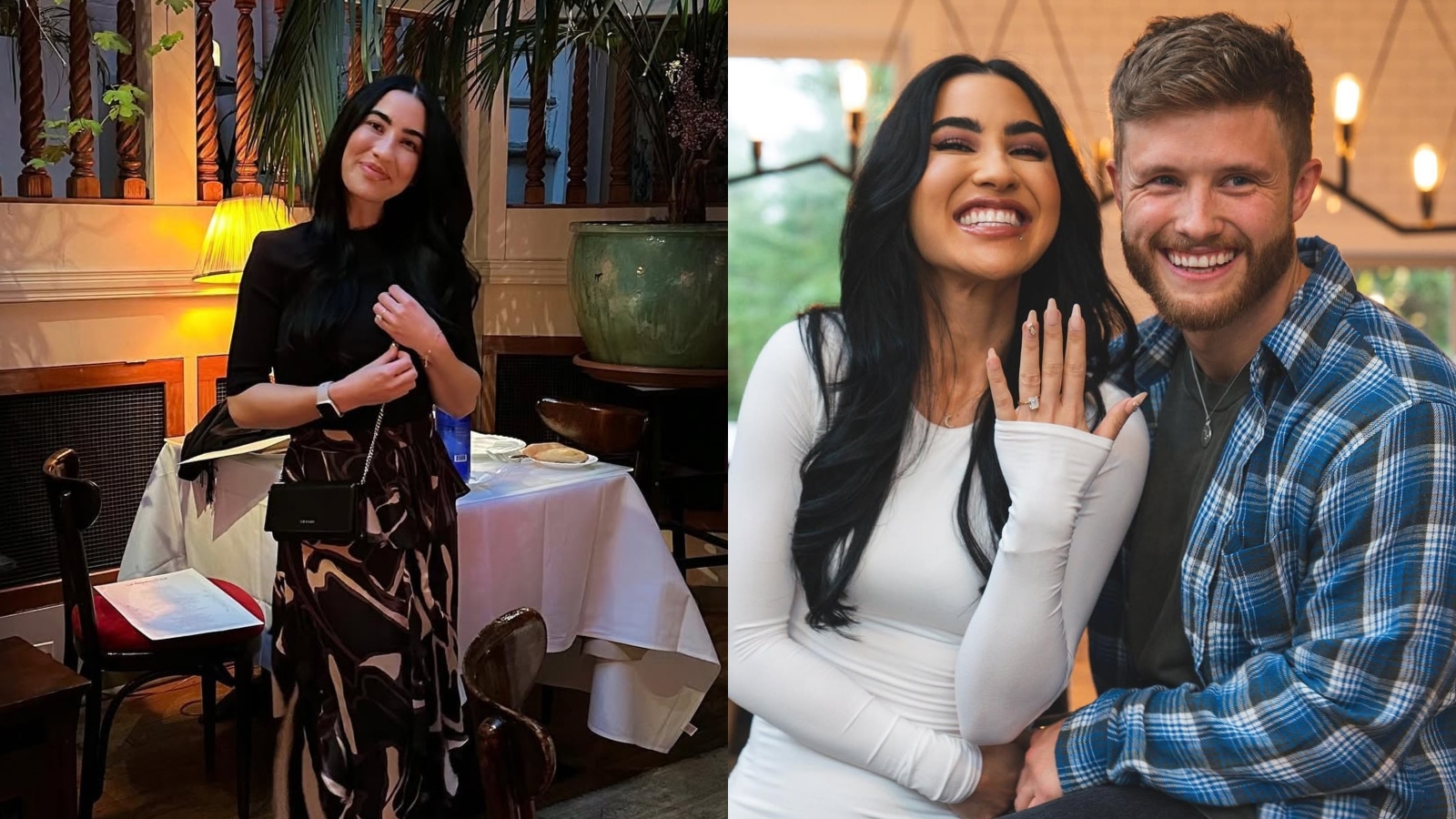
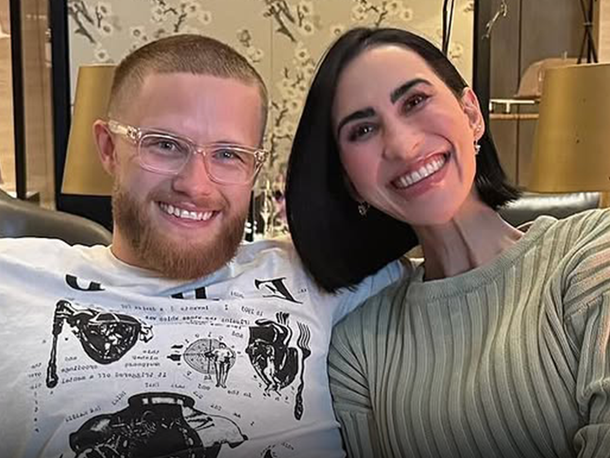
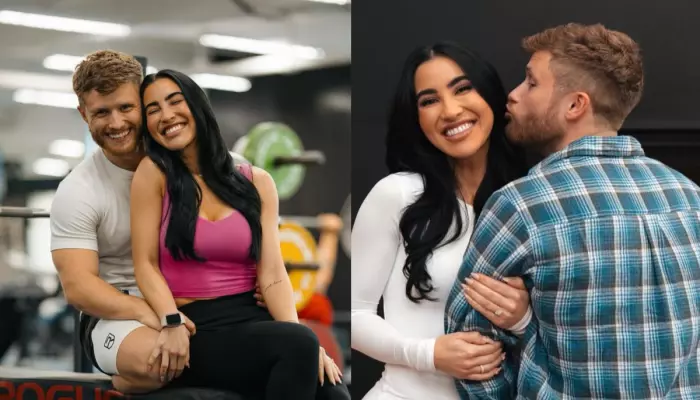
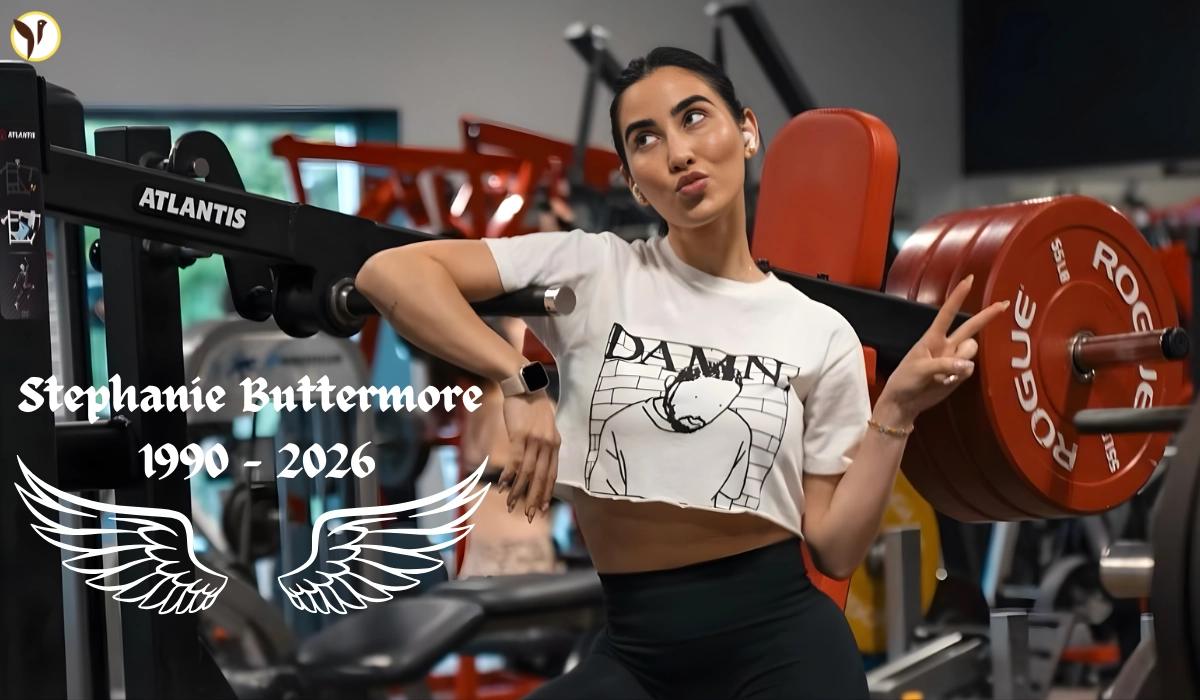
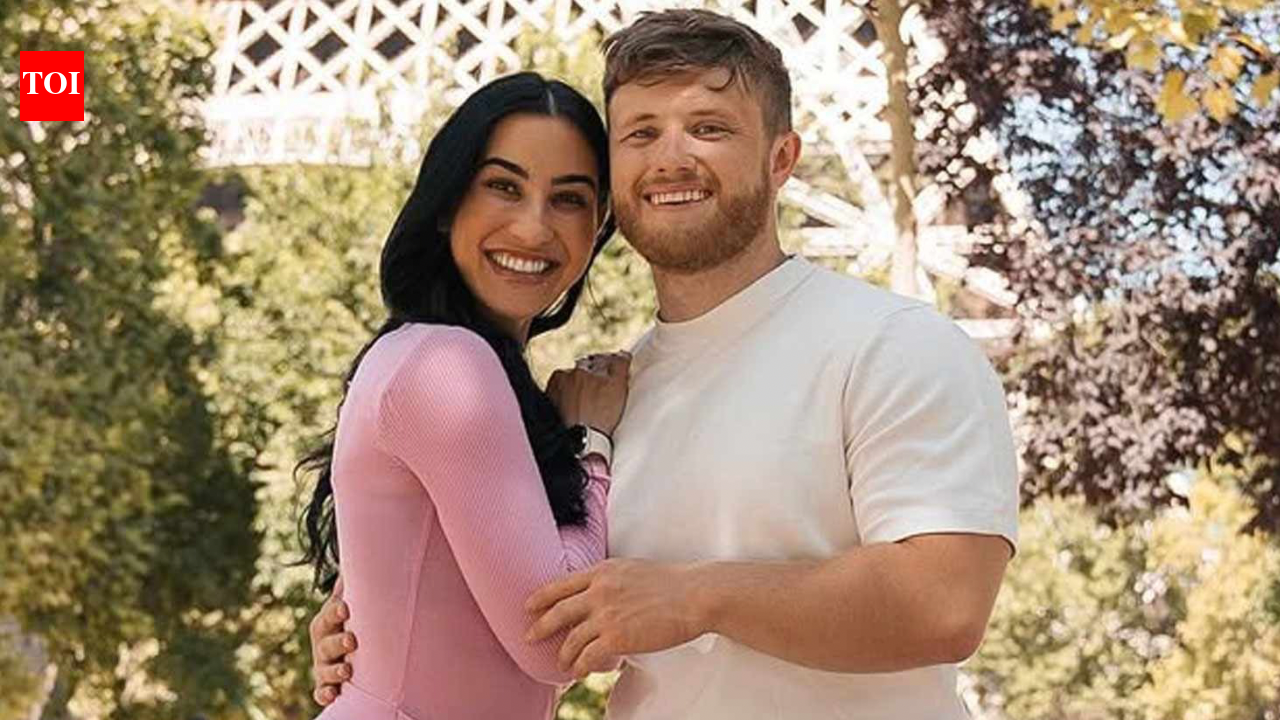
The sudden death of Stephanie Buttermore at age 36—a prominent fitness influencer with 525,000 Instagram followers and 1.2 million YouTube subscribers—exposes critical vulnerabilities in the creator-dependent wellness e-commerce ecosystem. Announced March 7, 2026, by her fiancé Jeff Nippard, Buttermore's passing represents a significant loss within the $12B+ global fitness and wellness product market, where influencer-driven content directly influences purchasing decisions for supplements, fitness equipment, apparel, and nutrition products. This event carries substantial implications for sellers operating in the fitness category across Amazon, Shopify, TikTok Shop, and specialized wellness marketplaces.
Creator Dependency Risk in Wellness E-Commerce: Buttermore's 1.7 million combined followers represented concentrated purchasing power within the women's fitness segment—a demographic that generated $4.2B in cross-border fitness product sales in 2024. Her content focused on body positivity, intuitive eating, and women's health directly influenced product recommendations and purchasing behavior among her audience. The loss of her authentic voice creates a content vacuum that competitors and emerging influencers will attempt to fill, creating short-term marketplace volatility and long-term audience fragmentation. Sellers who relied on her endorsements or audience overlap face immediate traffic and conversion challenges.
Mental Health Transparency Trend: Critically, Buttermore stepped back from social media in May 2024 to address "crippling anxiety," citing mental health recovery as her reason for hiatus. Her candid disclosure about anxiety and the positive impact of disconnecting from content creation resonates with broader consumer trends around wellness authenticity and mental health awareness. This creates a paradox for sellers: audiences increasingly demand authentic, vulnerable content from influencers, yet this transparency can mask underlying health crises. The fitness and wellness category—historically built on aspirational messaging—now faces pressure to balance inspiration with realistic mental health narratives. Sellers must recalibrate influencer partnership strategies to account for creator burnout and mental health vulnerabilities that may not be publicly visible.
Product Category Implications: The wellness influencer space drives demand across multiple e-commerce categories: fitness equipment ($2.1B), supplements and vitamins ($3.8B), activewear ($2.4B), and mental health/wellness apps ($890M). Buttermore's audience—primarily women aged 18-45 focused on body positivity and intuitive eating—represents a high-value demographic for premium fitness products and wellness services. Her absence creates opportunities for emerging creators and established brands to capture audience share, but also signals that single-influencer dependency poses significant business risk. Sellers should diversify influencer partnerships across 5-10 mid-tier creators (50K-500K followers) rather than concentrating on mega-influencers, reducing vulnerability to individual creator loss.
Questions 7
How can sellers identify and mitigate influencer burnout risk in their partnerships?
Monitor four key indicators: (1) Content frequency decline (posting drops below creator's historical average by 20%+); (2) Engagement rate changes (likes, comments, shares decline 15%+ month-over-month); (3) Audience sentiment shifts (negative comments, concern posts increase); (4) Transparency signals (creators discussing mental health, taking breaks, or reducing content). Buttermore's May 2024 hiatus was a clear burnout signal that preceded her death by 10 months. Sellers should implement quarterly check-ins with influencer partners, asking directly about workload, mental health support, and sustainability. Red flags include: creators working 60+ hours weekly, managing multiple platforms simultaneously, or showing signs of anxiety/depression in content. Mitigation: offer flexible partnership terms, reduce posting requirements during high-stress periods, and provide mental health resources. This approach reduces churn and builds long-term creator loyalty.
What product categories are most vulnerable to influencer loss in the fitness space?
Premium fitness equipment ($2.1B category), supplements and vitamins ($3.8B), and activewear ($2.4B) are most vulnerable because they rely heavily on influencer endorsement and lifestyle content. Buttermore's audience specifically drove demand for intuitive eating guides, body-positive fitness content, and mental health-focused wellness products. Sellers in these categories typically see 20-40% of traffic from influencer-driven content during peak seasons (January, May, September). The mental health and wellness app category ($890M) is particularly exposed, as Buttermore's transparency about anxiety recovery directly influenced audience interest in mental health tools. Sellers should diversify traffic sources: target 40% from influencer partnerships, 30% from organic search, 20% from paid advertising, 10% from community/user-generated content.