





Middle East Regional Instability Reshapes Cross-Border Logistics | Seller Risk Assessment
- Iranian-Gulf tensions escalate shipping route risks affecting 15,000+ sellers with Middle East operations; supply chain diversification becomes critical






















Overview
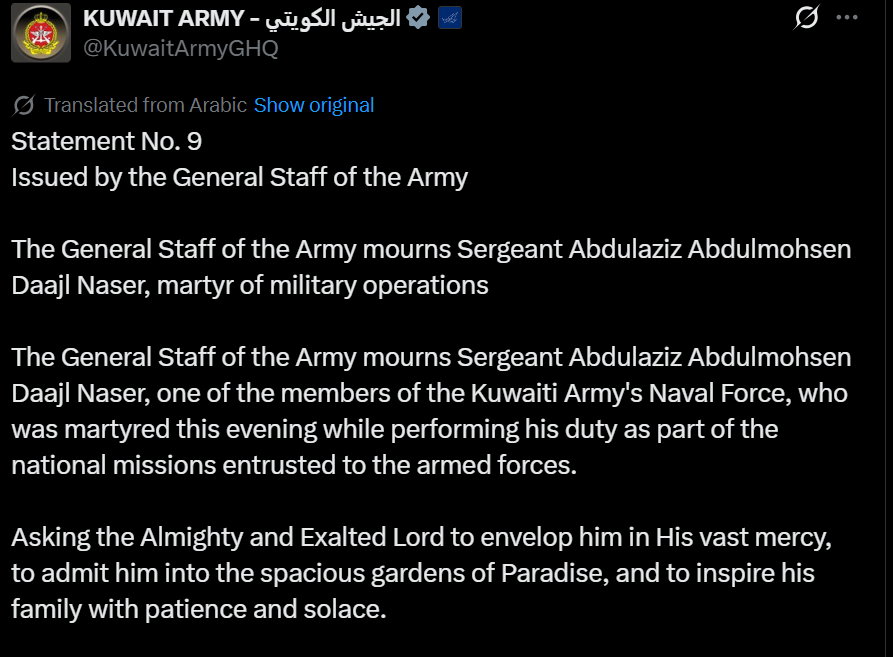
The escalating military tensions between Iran and Gulf Cooperation Council nations—documented through Iranian drone strikes across Kuwait, Bahrain, UAE, Qatar, and Saudi Arabia, with two Kuwaiti firefighters killed and six US servicemembers previously lost—represent a significant emerging risk factor for cross-border e-commerce sellers operating in or shipping through the Middle East region. While the news summaries explicitly note the absence of direct platform policy changes or regulatory announcements, the geopolitical instability creates indirect but material impacts on seller operations through three critical vectors: shipping route disruption, customs processing delays, and inventory risk in affected markets.
Supply Chain Vulnerability Assessment: The military operations across multiple GCC nations indicate potential disruption to major shipping corridors. The Strait of Hormuz, through which approximately 21% of global petroleum trade flows, remains a critical chokepoint for maritime commerce. Sellers utilizing air freight through Middle Eastern hubs (Dubai, Doha, Abu Dhabi) or maritime routes via the Persian Gulf face increased insurance premiums (typically 2-5% surcharges during regional tensions), longer transit times (5-10 additional days), and potential cargo rerouting costs. Sellers with inventory warehoused in Kuwait, Bahrain, or UAE should assess current stock levels and consider temporary diversification to Southeast Asian or European fulfillment centers. The Iranian government's stated "temporary suspension" of attacks—though later clarified as misinterpreted—provides only conditional stability; sellers should monitor official diplomatic statements from Saudi Arabia and UAE for policy changes affecting customs procedures.
Market-Specific Seller Implications: The affected region represents distinct market opportunities and risks. Kuwait, Bahrain, and UAE collectively represent approximately $8-12B in annual e-commerce spending, with strong demand for electronics, home goods, and luxury items. However, sellers currently holding inventory in these markets face heightened risk of customs delays (processing times can extend from 3-5 days to 10-15 days during security escalations) and potential port congestion. Sellers shipping TO these markets should expect 15-25% longer delivery windows and should communicate proactively with customers about potential delays. The temporary nature of the Iranian suspension suggests this is a medium-term risk (3-6 months) rather than a structural market closure, making strategic patience preferable to complete market exit.
Operational Risk Mitigation Framework: Sellers should implement a three-tier response: (1) Immediate (0-30 days): Audit current inventory in Kuwait, Bahrain, and UAE; review shipping insurance coverage and consider temporary premium increases; establish alternative routing protocols with 3PL providers; (2) Medium-term (1-3 months): Evaluate inventory rebalancing toward less-affected regions (Saudi Arabia, Oman); monitor diplomatic developments through official government trade advisories; (3) Strategic (3-6 months): Assess whether Middle East market concentration justifies the geopolitical risk premium; consider whether to shift marketing spend toward more stable regions or maintain presence with reduced inventory exposure. The key distinction from typical supply chain disruptions is that this risk is geopolitically conditional—improvement in Iran-Saudi relations or de-escalation announcements could rapidly normalize operations, making complete market abandonment premature.
Questions 7
What customs clearance delays should sellers expect in Kuwait and Bahrain?
Normal customs processing in Kuwait and Bahrain averages 3-5 business days; during regional security escalations, this extends to 10-15 business days as authorities implement enhanced screening protocols. The news reports Kuwaiti interior ministry involvement in intercepting Iranian drones, indicating heightened security operations affecting port and customs operations. Sellers should communicate proactively with customers about potential 2-3 week delivery delays and consider temporary price adjustments to reflect extended fulfillment costs. Sellers with time-sensitive inventory (seasonal goods, perishables) should avoid these markets during escalation periods. Monitoring official Kuwait and Bahrain customs authority announcements provides early warning of processing changes.
How much do shipping insurance premiums increase during Middle East conflicts?
Shipping insurance premiums typically increase 2-5% during regional military escalations, with higher premiums (5-8%) for air freight through affected zones. The news documents Iranian drone strikes across multiple GCC nations, triggering elevated risk classifications from maritime insurers. Sellers should review current insurance policies immediately and budget for premium increases. For sellers shipping $50,000+ monthly in value, premium increases can reach $1,000-2,500 monthly. Some insurers offer temporary coverage suspensions for specific routes; sellers should negotiate alternative routing clauses to avoid blanket premium increases. Costs vary by carrier, cargo type, and specific routing.