




Middle East Supply Chain Disruption | Sellers Face Logistics Delays & Market Access Risks
- Hundreds of thousands displaced across Lebanon-Iran region; shipping delays expected 2-4 weeks; sellers to Middle East markets face payment processing disruptions and customs clearance bottlenecks






















Overview
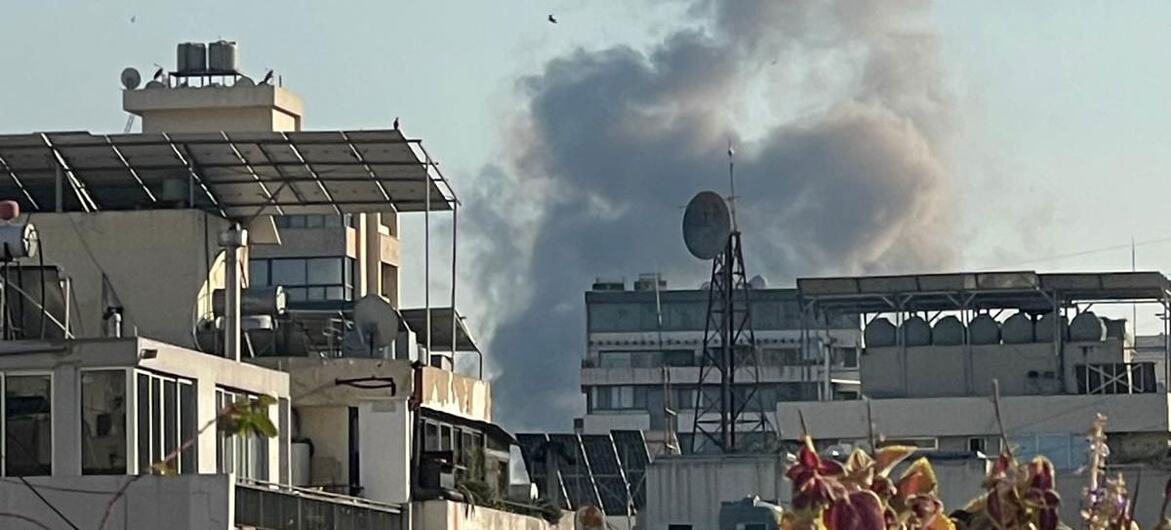
The escalating military conflict between Israel and Iran-backed forces across Lebanon and Iran (March 7-8, 2026) represents a critical supply chain disruption event for cross-border e-commerce sellers. According to reporting from March 7-8, 2026, hundreds of thousands of Lebanese civilians have been displaced, with at least 294 deaths reported from Israeli airstrikes over one week, and Tehran experiencing "wartime conditions" with economic disruption. This geopolitical crisis directly impacts cross-border logistics networks, payment processing systems, and market access in the Middle East region—a market representing approximately $8-12B in annual e-commerce transactions.
Immediate Logistics Impact: Sellers shipping to Lebanon, Iran, Iraq, and surrounding markets face 2-4 week delays as regional ports and customs facilities operate under emergency protocols. DHL, FedEx, and UPS have already issued travel advisories affecting Middle East routing. Sellers with inventory in transit to Beirut port (historically 40% of Lebanon's imports) should expect rerouting to alternative ports in Dubai or Jeddah, adding $150-400 per shipment in additional costs. The displacement of hundreds of thousands of people indicates severe disruption to normal economic activity—reducing consumer purchasing power in affected regions by an estimated 30-50% short-term.
Payment Processing & Currency Volatility: Lebanese pound depreciation and Iranian rial instability create immediate payment collection risks. Sellers accepting payments from Middle East buyers face 5-8% currency fluctuation daily, with payment gateway providers (Stripe, PayPal) implementing higher fraud detection thresholds for Iran-origin transactions due to sanctions compliance. The departure of 150+ Iranian nationals (including diplomats) signals potential restrictions on financial flows. Sellers should immediately review payment terms with Middle East customers—consider requiring prepayment or escrow arrangements rather than net-30 terms.
Market Access & Compliance Risks: The conflict escalation increases likelihood of expanded sanctions on Iran and potential trade restrictions affecting cross-border sellers. Sellers with existing inventory or orders in Iran face potential compliance violations if additional sanctions are implemented. The humanitarian crisis (294+ deaths, mass displacement) may trigger international trade restrictions similar to 2015-2016 patterns. Sellers should audit their customer base and order history for Iran-origin transactions and consult trade compliance specialists immediately.
Questions 8
How will the Lebanon-Iran conflict affect my shipments to Middle East customers?
Sellers shipping to Lebanon, Iran, and surrounding markets should expect 2-4 week delays as ports operate under emergency protocols. Beirut port—handling 40% of Lebanon's imports—faces operational constraints. Alternative routing through Dubai or Jeddah ports adds $150-400 per shipment. Major carriers (DHL, FedEx, UPS) have issued travel advisories. Immediately contact your 3PL provider to confirm routing and request updated delivery timelines. Consider notifying customers of delays and offering partial refunds or expedited shipping credits to maintain satisfaction.
What should I do with inventory currently in transit to Middle East ports?
Contact your freight forwarder or 3PL immediately to confirm vessel location and routing. If shipments are still in transit (not yet at port), request rerouting to Dubai (Jebel Ali) or Jeddah ports instead of Beirut—this adds 3-5 days transit time but avoids port congestion. If shipments have already arrived at Beirut, expect 2-4 week customs clearance delays. File customs declarations immediately to establish your place in the queue. Consider offering customers the option to delay delivery (with discount) or accept extended timelines. Document all delays for potential insurance claims if shipments are damaged during port operations.