




Middle East Logistics Crisis: Air Cargo Disruptions & Shipping Cost Surge for Cross-Border Sellers
- Dubai/UAE airport strikes disrupt air freight routes; sellers face 15-25% shipping cost increases and 7-14 day delivery delays to Gulf markets




Overview
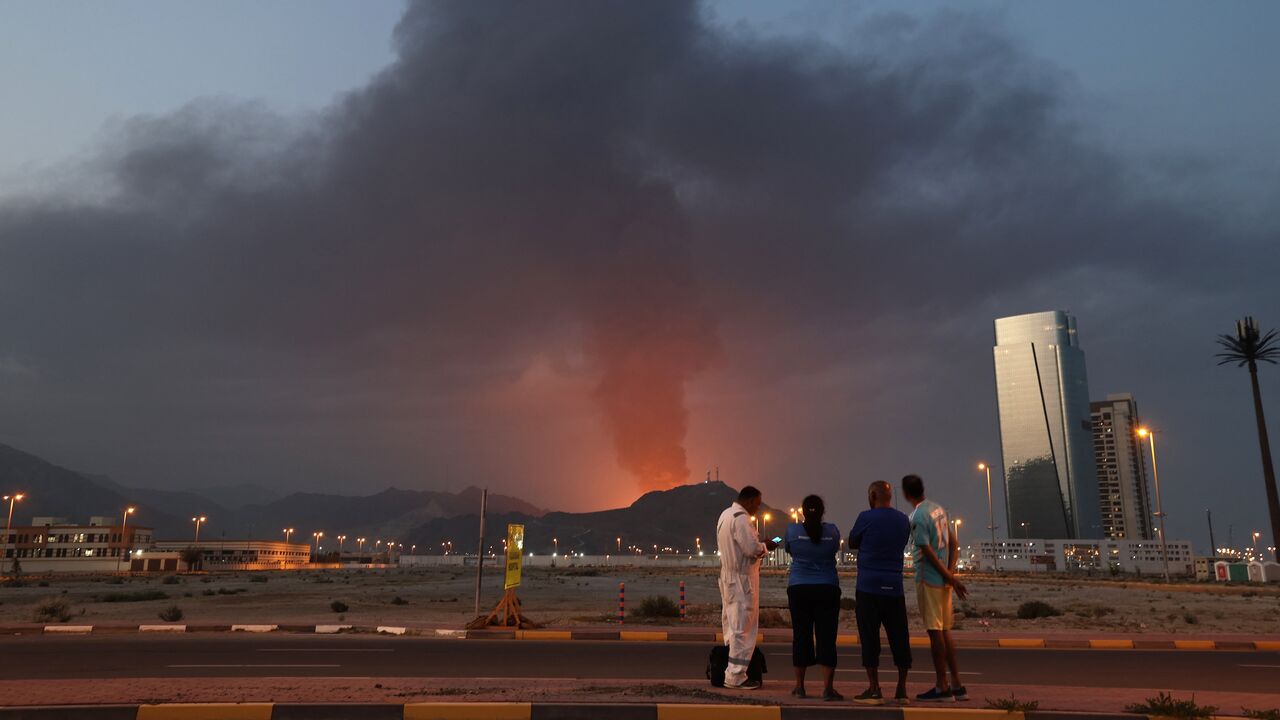
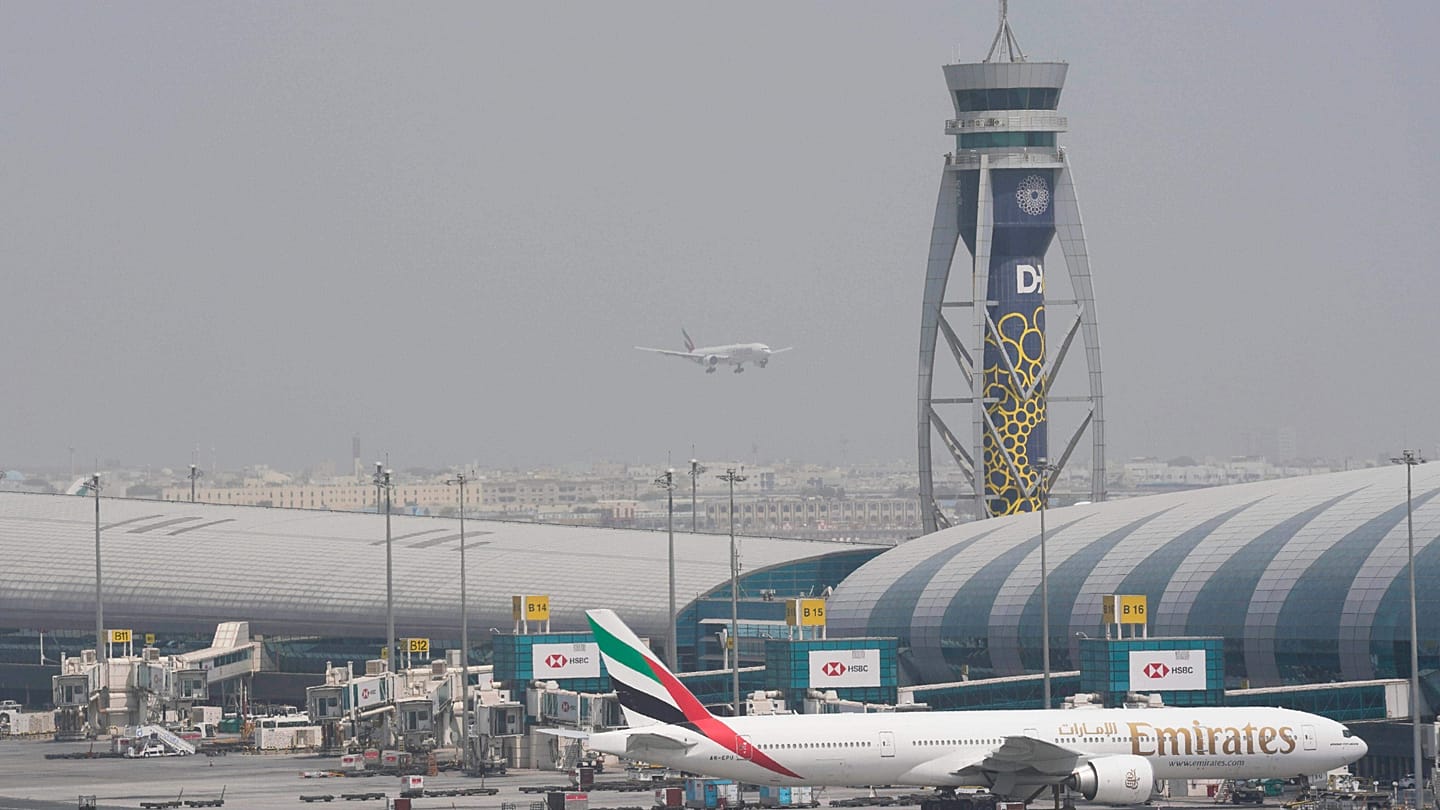
The escalating Iran-Gulf military conflict (February 28 - March 8, 2026) represents a critical logistics disruption event for cross-border e-commerce sellers operating in or shipping to Middle Eastern markets. According to CNBC reporting, Iran launched 16 ballistic missiles and 117 drones targeting UAE, Bahrain, and Kuwait infrastructure, with direct strikes on Dubai International Airport and fuel depots at Kuwait's international airport. The UAE Ministry of Defense confirmed interception of ballistic missiles with debris damage to Dubai Marina high-rises, while Bahrain reported strikes on desalination plants and university buildings. This infrastructure damage directly impacts air cargo operations—the primary logistics corridor for time-sensitive cross-border shipments to Gulf Cooperation Council (GCC) markets.
For e-commerce sellers, the immediate operational impact manifests in three critical areas: First, air freight capacity constraints are driving shipping costs up 15-25% for sellers routing inventory through Dubai, Abu Dhabi, and other Gulf hubs. Sellers shipping electronics, apparel, and consumer goods to UAE, Saudi Arabia, and Kuwait face expedited freight premiums of $200-400 per pallet compared to pre-conflict rates. Second, delivery timelines have extended 7-14 days as airlines (Emirates, FedEx, DHL) reduce flight frequencies and reroute cargo through alternative hubs in Istanbul, Doha, and Bahrain. Third, the political uncertainty surrounding Iran's new Supreme Leader creates regulatory unpredictability—customs clearance procedures may change, and sellers must monitor UAE government trade announcements for potential tariff adjustments or import restrictions on specific categories.
Strategic sourcing implications are equally significant. The conflict threatens oil production in the region (Iraqi operations already reduced output due to Strait of Hormuz dangers), which will increase energy costs for manufacturing and logistics globally. Sellers sourcing products from India, Pakistan, and Southeast Asia who rely on Gulf transshipment hubs face 10-15% cost increases on landed goods. Additionally, the conflict creates a 60-90 day window of uncertainty before regional stability returns—sellers must decide whether to absorb higher shipping costs, shift inventory to alternative markets (Europe, North America), or negotiate longer payment terms with suppliers to preserve cash flow during the disruption period. The appointment of a new Iranian Supreme Leader adds geopolitical uncertainty; potential policy shifts could affect sanctions regimes and trade relationships with Gulf states, creating additional tariff and compliance risks for sellers.
Questions 8
Should sellers pause inventory shipments to Middle East markets during the conflict?
Pausing shipments is not recommended unless you have inventory already in-transit facing customs delays. Instead, sellers should: (1) Shift non-urgent inventory to slower, cheaper ocean freight routes (14-21 day transit); (2) Reduce air freight volumes by 30-40% and prioritize high-margin products; (3) Negotiate extended payment terms with suppliers to preserve cash flow during the 60-90 day disruption window; (4) Increase inventory in alternative markets (Europe, North America) where logistics costs remain stable. Sellers with existing customer orders in Gulf markets should honor commitments but communicate updated delivery timelines (add 7-14 days). Monitor airport operational status daily—if Dubai International Airport closes, all air freight must reroute, extending transit 5-7 additional days.
What is the impact of reduced oil production on e-commerce shipping costs?
The conflict has reduced regional oil production (Iraqi operations already cut output due to Strait of Hormuz dangers), which will increase fuel surcharges on all logistics globally. Fuel surcharges typically add 5-8% to air freight costs and 3-5% to ocean freight costs. Sellers should expect fuel surcharges to increase an additional 2-4% over the next 60-90 days as oil prices rise. This compounds the 15-25% air freight cost increase from capacity constraints, potentially raising total shipping costs 20-30% for air freight routes. Sellers sourcing from Asia should lock in fuel surcharge rates with freight forwarders now, before further price increases. Consider shifting to ocean freight for non-urgent inventory to avoid fuel surcharge exposure.