



Resilience and Rapid Response Amid Seismic Challenges in Northeastern Japan
- Demonstrating Japan's Advanced Disaster Management Capabilities in the Face of Sudden Geological Disruptions



















































)


















Overview
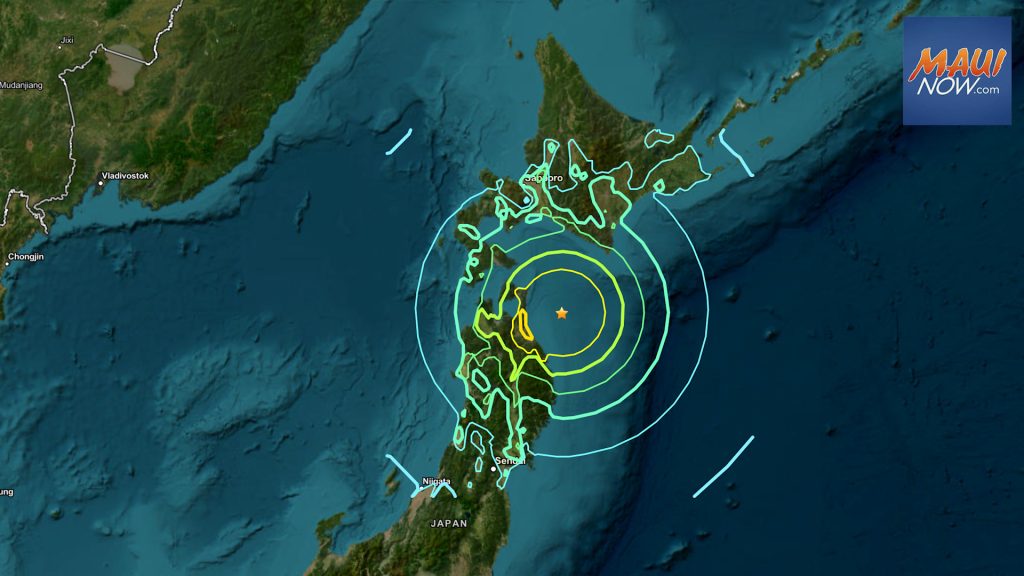
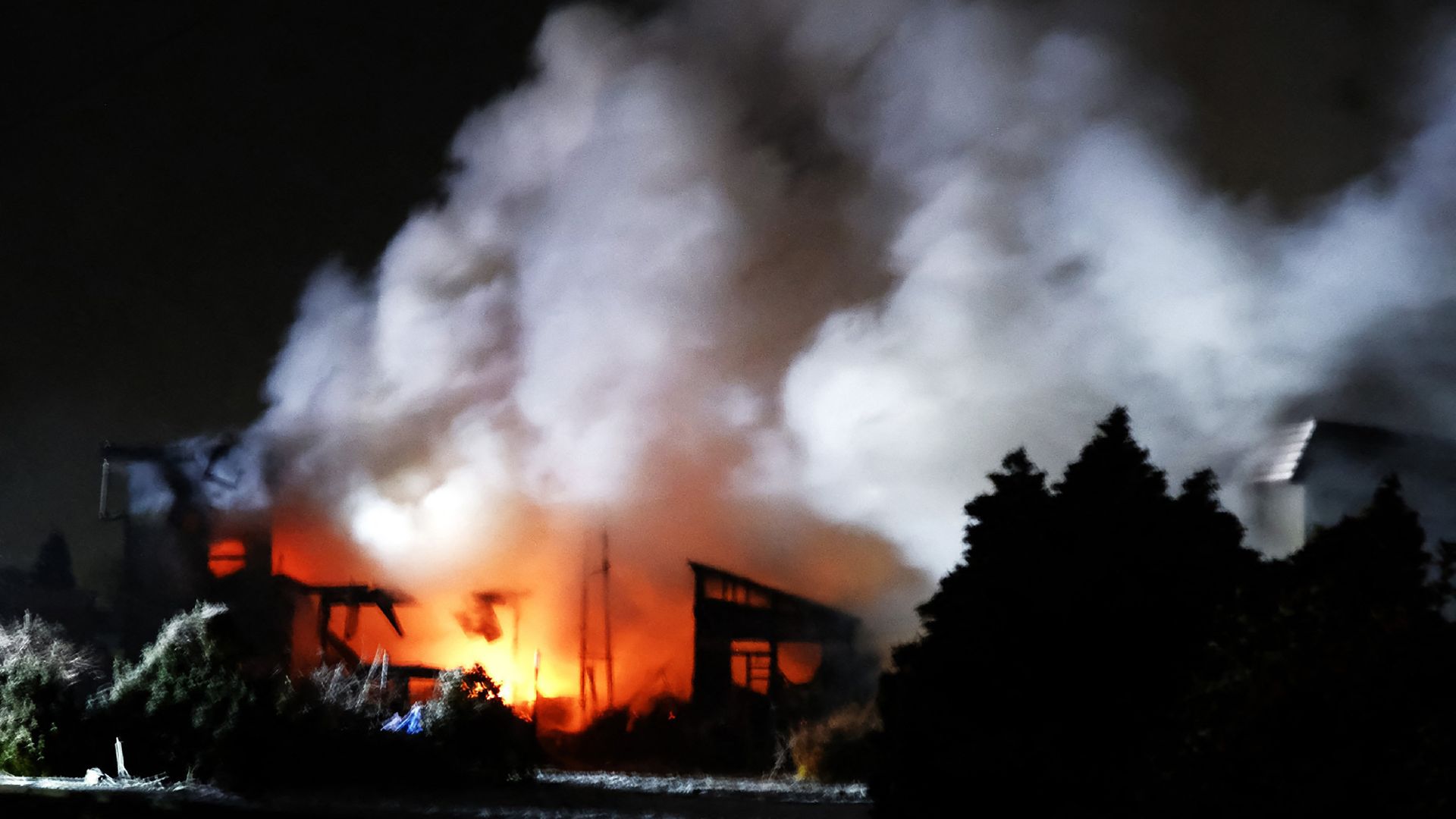
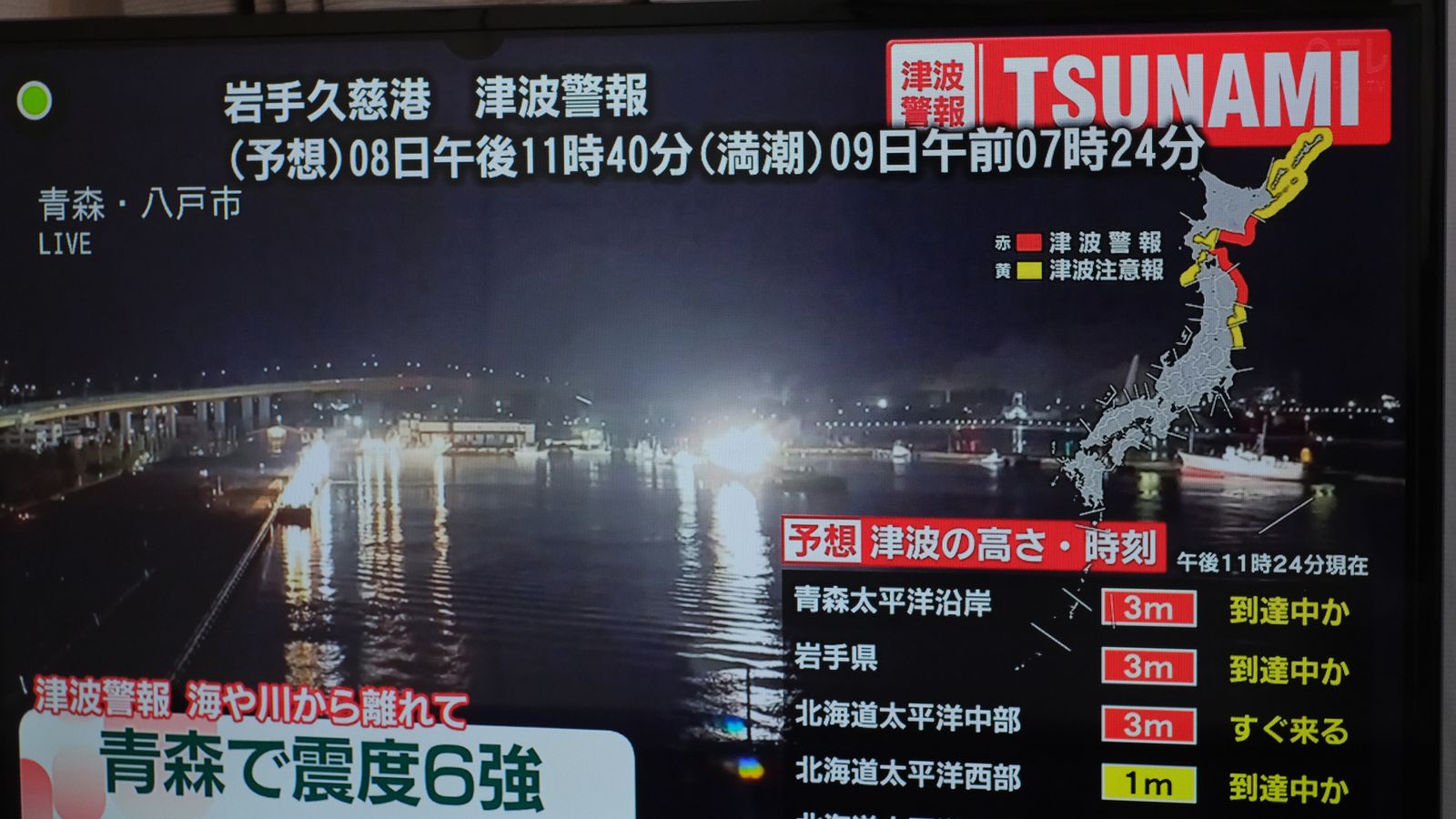
The 7.5-magnitude earthquake off the coast of Aomori prefecture on December 9, 2025, serves as a critical case study in Japan's sophisticated disaster response and national resilience. With 30 reported injuries and temporary infrastructure disruptions, the event highlights the country's robust emergency management systems and strategic crisis mitigation approaches.
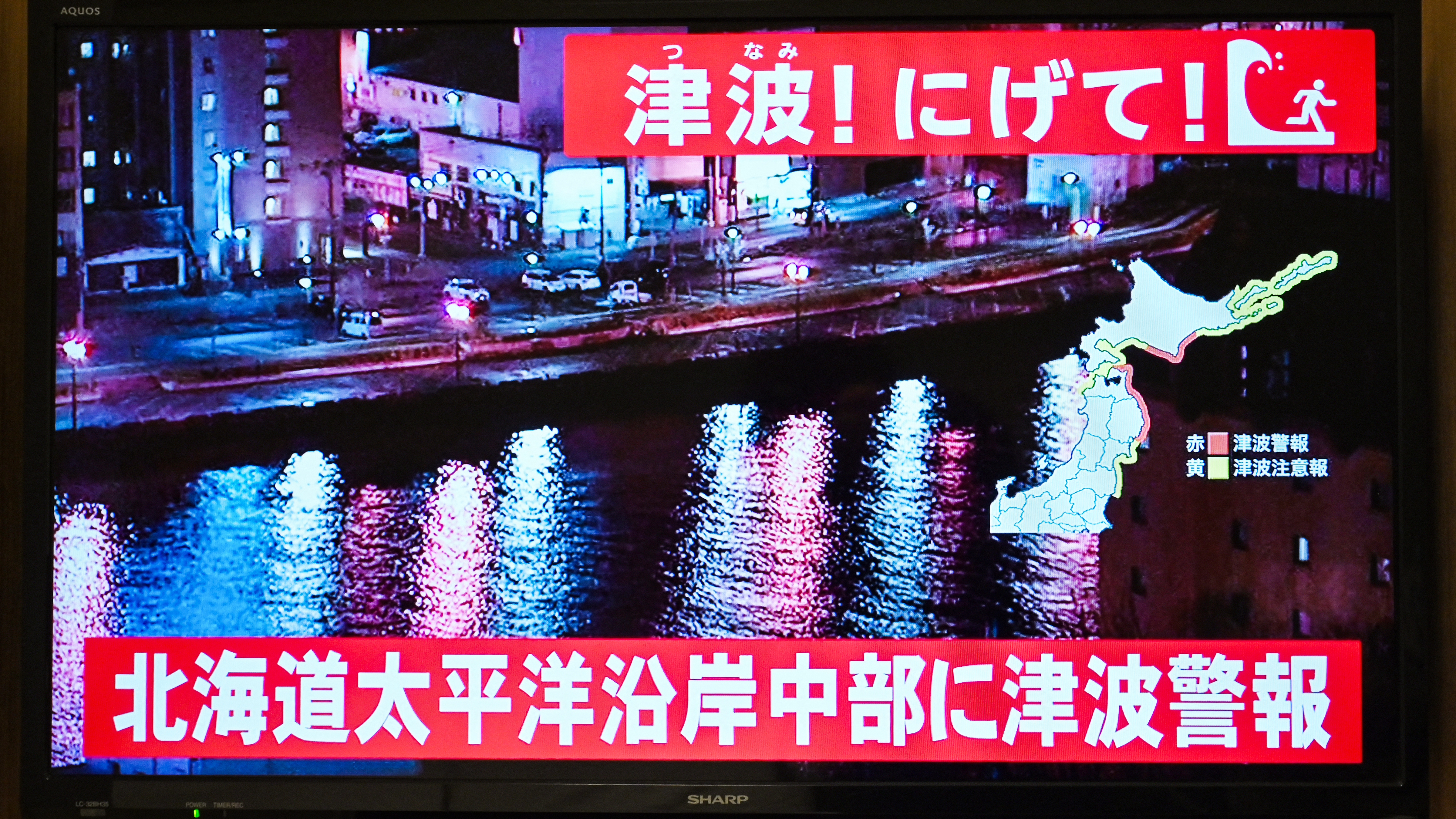
Immediate Response Effectiveness: Prime Minister Sanae Takaichi's swift confirmation of minimal damage underscores Japan's world-leading geological preparedness. The rapid lifting of tsunami warnings and implementation of a one-week seismic advisory demonstrates a nuanced, data-driven approach to public safety. This response reflects decades of investment in advanced early warning systems and comprehensive emergency protocols developed through extensive experience with seismic activities.
Infrastructure Resilience: The temporary disruption of train services reveals both vulnerabilities and strengths in Japan's critical infrastructure. While the earthquake caused immediate service interruptions, the quick restoration and minimal long-term impact showcase the nation's engineering prowess and adaptive capacity. The 80 km offshore location of the earthquake's epicenter played a crucial role in limiting direct coastal damage, highlighting the importance of geographical positioning in natural disaster mitigation.
The event serves as a powerful reminder of Japan's ongoing geological challenges and its world-class approach to managing complex environmental risks. By maintaining a calm, systematic response and leveraging advanced technological and organizational capabilities, Japan continues to set global standards for disaster preparedness and resilience.
Questions 3
What were the primary impacts of the earthquake?
The earthquake resulted in 30 reported injuries, temporary power outages, and disrupted train services. However, the offshore location (80 km from Aomori prefecture's coast) helped minimize direct coastal damage.
How does this earthquake reflect Japan's disaster management capabilities?
The event showcases Japan's advanced early warning systems, robust emergency protocols, and ability to quickly assess and respond to geological threats. The systematic response highlights decades of investment in disaster preparedness and infrastructure resilience.