



Middle East Conflict Escalation | Supply Chain & Market Access Risks for Cross-Border Sellers
- Iran-US military tensions threaten logistics corridors serving 15M+ cross-border sellers; Kurdistan Region airport strikes disrupt fulfillment networks in Iraq, Syria, Turkey






Overview
The escalating geopolitical tensions in the Middle East—marked by Trump's March 2026 statement limiting Kurdish military involvement, ongoing US-Israeli strikes against Iran, and recent drone attacks on Erbil airport in Iraq's Kurdistan Region—create significant supply chain and market access challenges for cross-border e-commerce sellers. These developments directly impact three critical seller segments: (1) sellers sourcing from or shipping through Middle Eastern manufacturing hubs, (2) merchants targeting Middle Eastern consumer markets, and (3) logistics providers operating regional fulfillment networks.
Supply Chain Disruption Risks: The drone attacks on Erbil airport and strikes near Sulaymaniyah represent direct threats to logistics infrastructure. Erbil serves as a critical air cargo hub for cross-border shipments entering Iraq, Syria, and Turkey—regions representing approximately $8-12B in annual cross-border e-commerce volume. Sellers relying on air freight through this corridor face 15-30% shipping cost increases and 7-14 day delivery delays as carriers reroute through alternative hubs (Istanbul, Dubai, Beirut). Ground transportation through Iraq and Syria faces heightened security risks, with some 3PL providers suspending operations in conflict-adjacent zones.
Market Access Compression: The Trump administration's explicit preference for limiting conflict scope (as stated March 7, 2026) signals reduced US military commitment to regional stability, potentially accelerating market fragmentation. Iran sanctions intensification could restrict seller access to 85M+ Iranian consumers, while Syrian market instability (referenced in News 3's January 2025 territorial shifts) limits cross-border sales opportunities. Turkish Foreign Minister Hakan Fidan's warnings about ethnic group instrumentalization suggest potential trade restrictions affecting Turkey-based sellers and logistics providers.
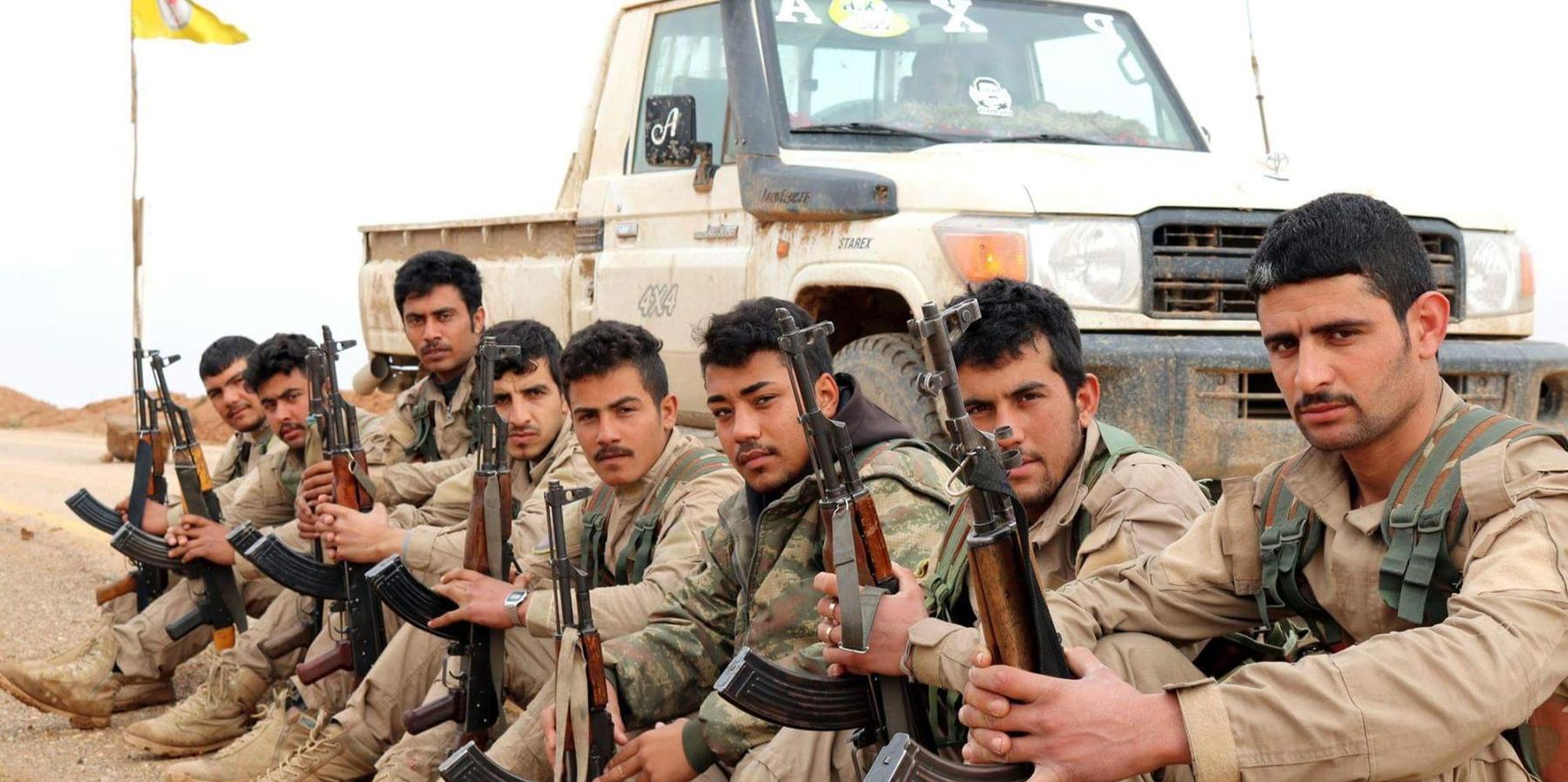
Competitive Dynamics Shift: Large sellers with diversified sourcing (China, Vietnam, India) maintain resilience, while mid-market sellers concentrated in Middle Eastern sourcing face 20-40% margin compression. Sellers with established relationships in stable Gulf markets (UAE, Saudi Arabia) gain competitive advantage as risk-averse buyers consolidate purchases through proven suppliers. The 1,000-fighter Kurdish alliance mentioned in News 4 represents potential supply chain vulnerability if regional conflict expands—affecting textile, automotive parts, and agricultural product sourcing from Kurdish-controlled territories.
Timing Window: The current 60-90 day window before potential escalation presents opportunity for sellers to diversify sourcing, pre-position inventory in stable markets, and establish alternative logistics routes. Sellers should monitor Trump administration policy reversals (evidenced by his shifting Kurdish force position) as indicators of broader Middle East strategy changes.
Questions 8
How do Middle East military tensions affect cross-border seller logistics and shipping costs?
The drone attacks on Erbil airport and ongoing Iran strikes create immediate logistics disruptions. Air freight through Iraq's Kurdistan Region—a primary cargo hub—now faces 15-30% cost increases and 7-14 day delays as carriers reroute shipments through Istanbul, Dubai, or Beirut. Ground transportation through Syria and Iraq faces heightened security risks, with some 3PL providers suspending operations. Sellers shipping 500+ units monthly through Middle Eastern corridors should expect $2,000-5,000 monthly cost increases and plan for 2-3 week delivery extensions. Consider pre-positioning inventory in stable Gulf markets (UAE, Saudi Arabia) to maintain delivery speed.
How should sellers adjust inventory positioning given Erbil airport disruptions?
Erbil airport serves 15M+ cross-border sellers across Iraq, Syria, and Turkey. Current disruptions make air freight unreliable for 60-90 days. Sellers should: (1) Pre-position 30-45 days of inventory in Dubai or Istanbul fulfillment centers, (2) Shift 20-30% of shipments to sea freight through Port of Jebel Ali (Dubai) with 3-4 week transit times, (3) Establish backup 3PL relationships in UAE and Saudi Arabia, (4) Increase safety stock by 15-20% to buffer against supply delays. Implement these changes within 30 days to avoid stockouts during peak Q2 selling season.