

Stagflation Paralysis Locks Sellers Into Higher Shipping Costs | March 2026 Fed Freeze
- Fed rate freeze through Q2 2026 guarantees 8-15% shipping cost increases; inventory financing APRs spike as lenders reassess risk amid gasoline prices at 2-year highs







Overview
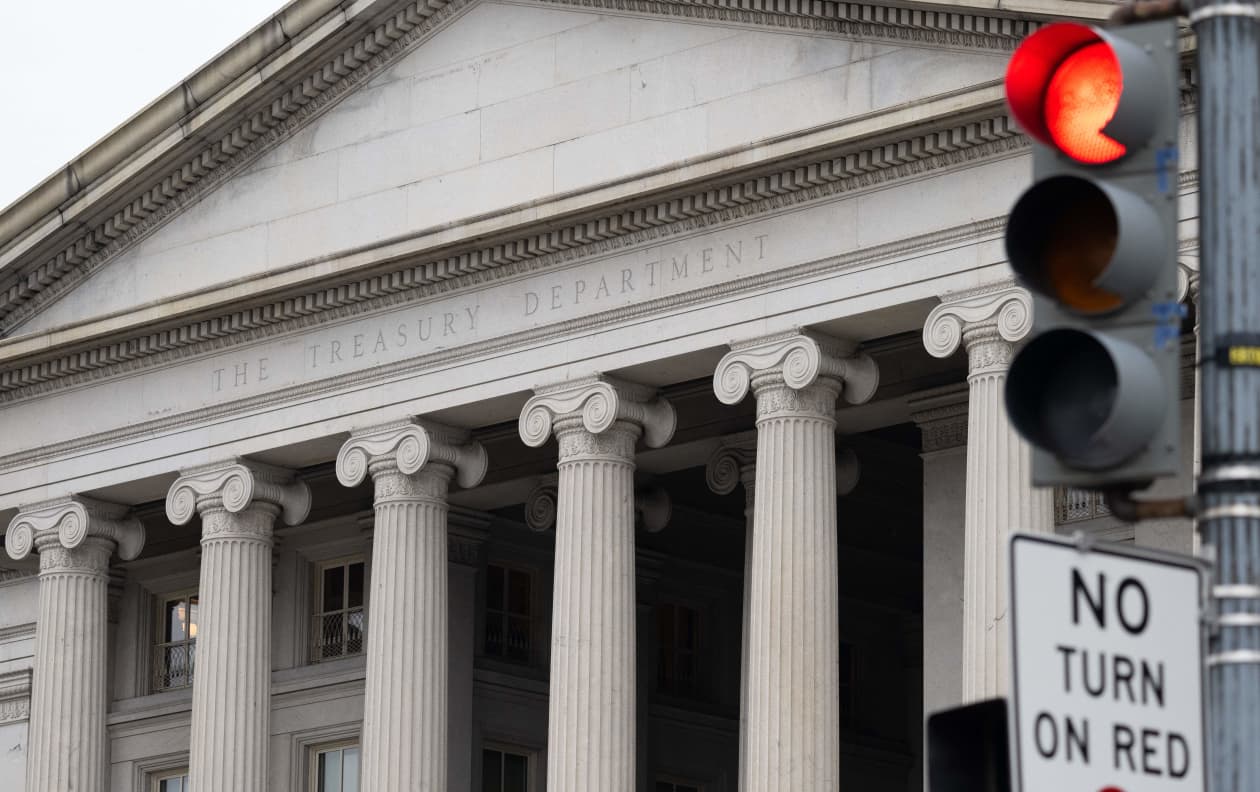
As of March 2026, the Federal Reserve faces a stagflation dilemma that directly impacts cross-border e-commerce sellers' financing costs and working capital management. The February jobs report revealed a surprising plunge in job growth while the Iran conflict triggered gasoline prices to their highest levels in two years, pushing inflation above the Fed's 2% target. With unemployment at 4.4% and the Fed's benchmark rate frozen at 3.5-3.75%, the central bank has signaled a "wait-and-see" approach through at least the March 17-18 meeting, with minimal probability of rate cuts before April.
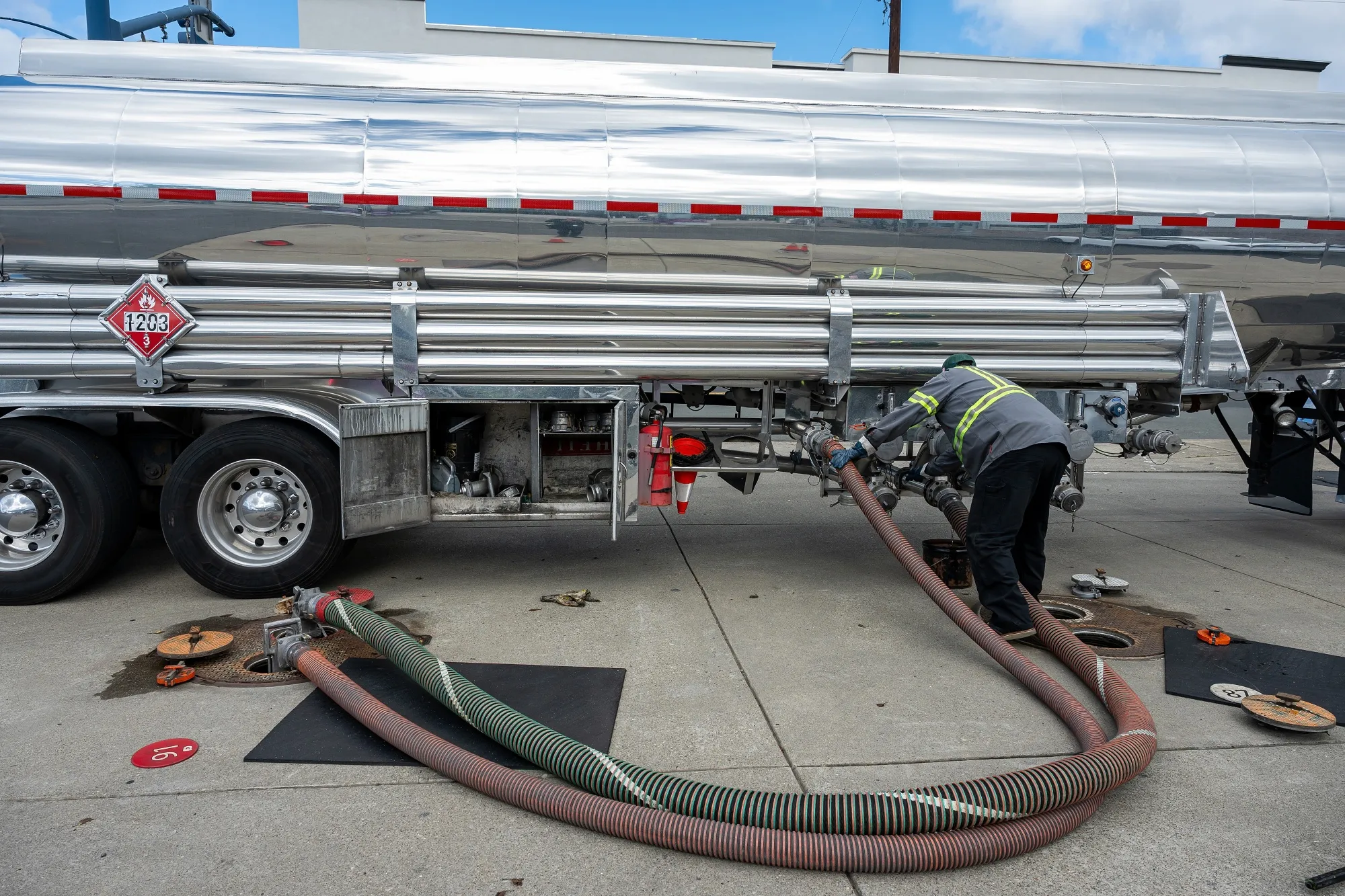
For sellers, this policy paralysis creates immediate financing headwinds. Higher energy costs directly increase last-mile delivery expenses across all platforms—FBA sellers face 8-12% shipping cost increases on heavy/bulky categories (furniture, appliances, sporting goods), while 3PL providers are already implementing fuel surcharges of 3-5% on logistics contracts. More critically, the stagflation uncertainty is causing inventory financing lenders to tighten terms: traditional PO financing APRs have risen from 8-12% to 12-18% for sellers with <$500K monthly revenue, while invoice factoring rates jumped 200-300 basis points. Sellers relying on supply chain financing to bridge inventory gaps face 30-60 day delays in funding approvals as lenders reassess risk exposure.
The payment corridor advantage shifts toward sellers with established banking relationships in low-cost regions. Cross-border sellers using Singapore or Hong Kong payment entities can access trade finance at 6-9% APR through regional development banks, compared to 14-16% for US-based sellers using traditional fintech providers. Wire transfer fees to emerging markets remain stable at 0.5-1%, but the extended Fed freeze means no relief from rising commodity costs embedded in shipping rates. Sellers should immediately lock in Q2-Q3 shipping contracts before further fuel surcharge escalations, and consider accelerating inventory turnover in discretionary goods categories where consumer spending is weakening due to stagflation fears. The April rate-cut possibility remains minimal unless the Iran conflict de-escalates, making working capital optimization through invoice financing and vendor payment term extensions critical survival strategies through mid-2026.
Questions 8
How does the Iran conflict's impact on gasoline prices affect cross-border payment processing?
Gasoline prices at 2-year highs directly increase last-mile delivery costs (8-12% for heavy categories) but have minimal direct impact on payment processing fees, which remain stable at 0.5-1% for wire transfers and 2-3% for credit card processing. The indirect impact is more significant: higher shipping costs compress margins, forcing sellers to optimize working capital through faster invoice factoring and extended vendor terms. The stagflation environment also increases lender risk premiums, raising financing costs 200-300 basis points. Sellers should focus on payment route optimization through regional banking relationships (Singapore, Hong Kong) to access cheaper trade finance at 6-9% APR.
Should sellers accelerate inventory turnover given stagflation risks and weak consumer spending?
Yes—stagflation fears are reducing consumer spending power, particularly in discretionary goods categories. The Fed's policy paralysis creates extended uncertainty for business planning and inventory management. Sellers should prioritize accelerating turnover in discretionary goods (apparel, home décor, electronics) while maintaining inventory in essential/consumable categories. Consider implementing dynamic pricing strategies to move excess inventory before Q2 demand softens further, and use the proceeds to reduce reliance on high-cost financing.