


AML Compliance Standards Tighten | E-Commerce Payment Processors Face New Scrutiny
- Federal court raises bar for financial institution liability; sellers using crypto/alternative payment methods must verify compliance frameworks by Q2 2026






















Overview
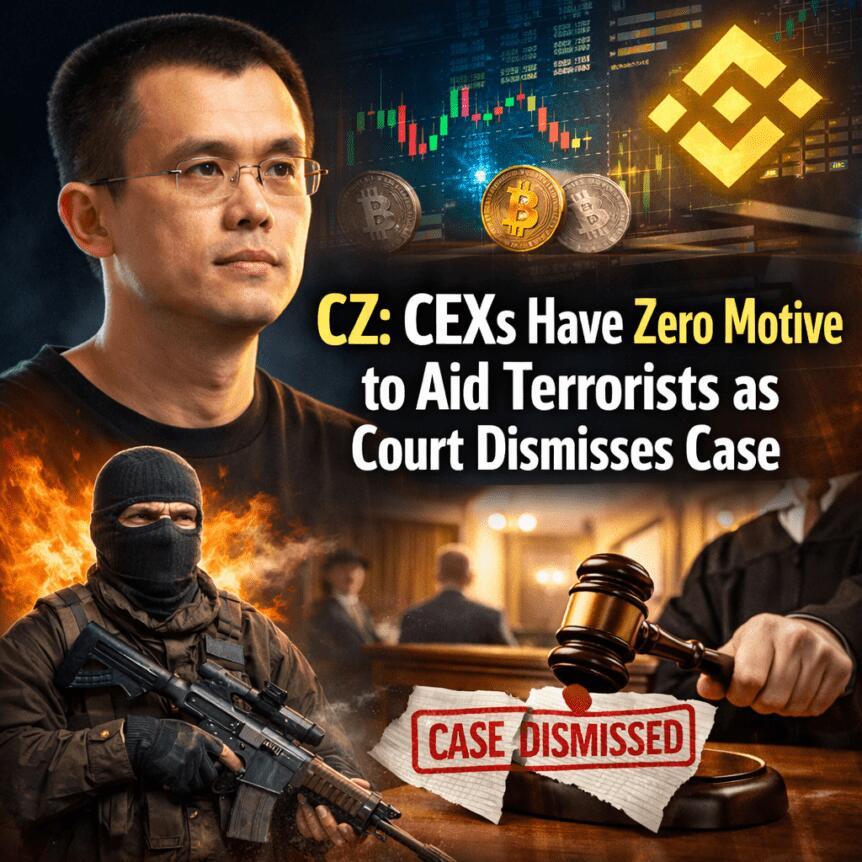
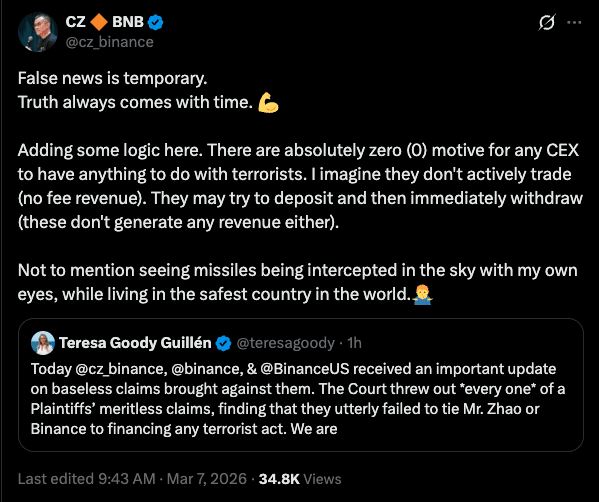
The March 7, 2026 dismissal of a $115+ million terrorism financing lawsuit against Binance by Judge Jeannette A. Vargas signals a critical shift in anti-money laundering (AML) compliance standards that directly impacts e-commerce sellers accepting alternative payment methods. While the court dismissed claims that Binance "deliberately funneled" funds to terrorist organizations, it explicitly acknowledged the exchange's documented violations of AML rules, processing billions in Iranian transactions, and hosting wallets tied to designated terrorist organizations—establishing that "general awareness" of illicit activity is insufficient legal protection under the Justice Against Sponsors of Terrorism Act (JASTA).
This ruling creates a compliance moat for payment processors that implement strict KYC (Know Your Customer) and transaction monitoring protocols. The court's application of the 2025 Ashley v. Deutsche Bank decision raises the evidentiary bar for proving direct nexus between platform conduct and specific attacks, but simultaneously signals that financial institutions must demonstrate proactive compliance mechanisms, not passive awareness. For e-commerce sellers, this means payment processors—whether traditional gateways like Stripe/PayPal or emerging crypto-payment integrations—will face intensified regulatory scrutiny and must implement enhanced due diligence.
The $4.3 billion Binance criminal settlement (November 2023) and the discovery of $1.7 billion in Iran-linked flows underscore the enforcement intensity. Sellers using alternative payment methods (cryptocurrency, cross-border wallets, or emerging fintech processors) should expect their payment providers to implement stricter transaction monitoring, potentially increasing processing fees by 2-5% and adding 5-10 business day verification delays. The 60-day window for plaintiffs to refile with "sharper allegations about wallet ownership, transaction timing, and specific account-holder relationships" signals that future litigation will focus on transaction-level documentation—a standard that will cascade to payment processors and their merchant customers.
Strategic implication: Sellers accepting cryptocurrency payments or using non-traditional payment processors must now maintain detailed transaction records, customer verification documentation, and geographic transaction data to demonstrate compliance. Payment processors lacking robust AML frameworks face regulatory action, creating opportunities for compliance-focused fintech platforms and payment service providers that can offer transparent, auditable transaction trails.
Questions 8
Are traditional payment gateways safer than cryptocurrency payment processors?
Traditional payment gateways (Stripe, PayPal, Square) have established AML compliance frameworks and regulatory oversight, making them lower-risk than emerging cryptocurrency platforms. However, the Binance ruling indicates that **all payment processors** face intensified scrutiny. Traditional gateways have longer compliance histories and third-party audit documentation, reducing litigation risk. Cryptocurrency processors and emerging fintech platforms lack established compliance track records and face higher regulatory uncertainty. Sellers should prioritize payment processors with: (1) FinCEN registration, (2) SOC 2 Type II audits, (3) OFAC compliance certifications, and (4) Transparent transaction monitoring policies. The ruling suggests that payment processor selection is now a critical compliance decision, not merely a cost optimization choice.
What geographic markets face the strictest payment compliance requirements?
The ruling's emphasis on Binance's processing of 'billions in Iranian transactions' signals that sellers operating in or accepting payments from high-risk jurisdictions face the strictest compliance requirements. OFAC-sanctioned countries (Iran, Syria, North Korea, Cuba, Crimea) require enhanced due diligence and transaction monitoring. EU-based sellers face additional GDPR and AML Directive compliance obligations. US-based sellers must comply with FinCEN regulations and JASTA standards. Sellers shipping to or accepting payments from high-risk jurisdictions should use payment processors with robust geographic compliance frameworks. The ruling indicates that payment processors will increasingly restrict transactions from high-risk regions, potentially eliminating revenue opportunities unless sellers implement compliant payment infrastructure.