

Classical Music Leadership Crisis Signals Merchandise & Event Opportunity for Sellers
- Boston Symphony Orchestra's 13-year conductor transition creates 2027 celebration season merchandise demand; broader orchestral leadership shifts unlock classical music product categories worth $1.2B+ annually in collectibles, recordings, and event merchandise















Overview
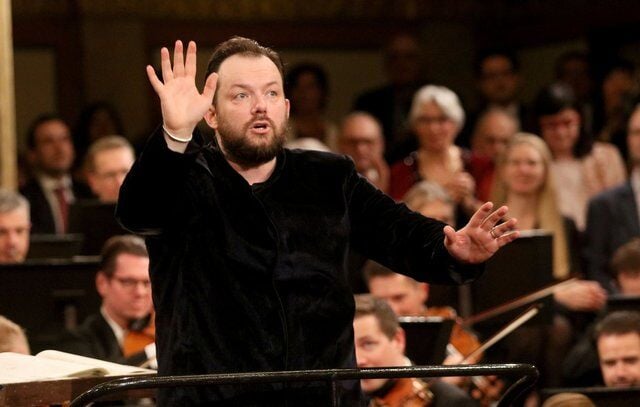
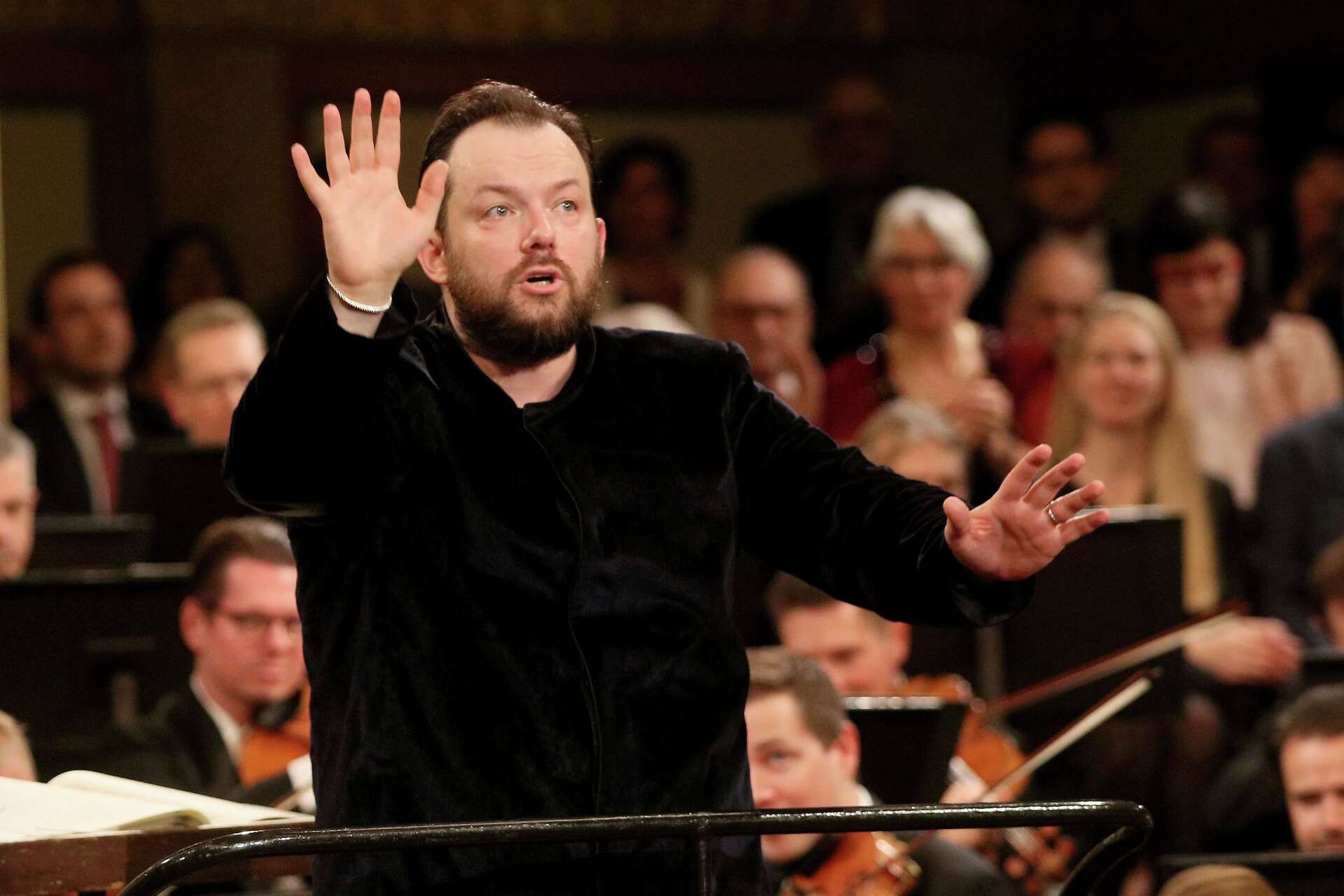
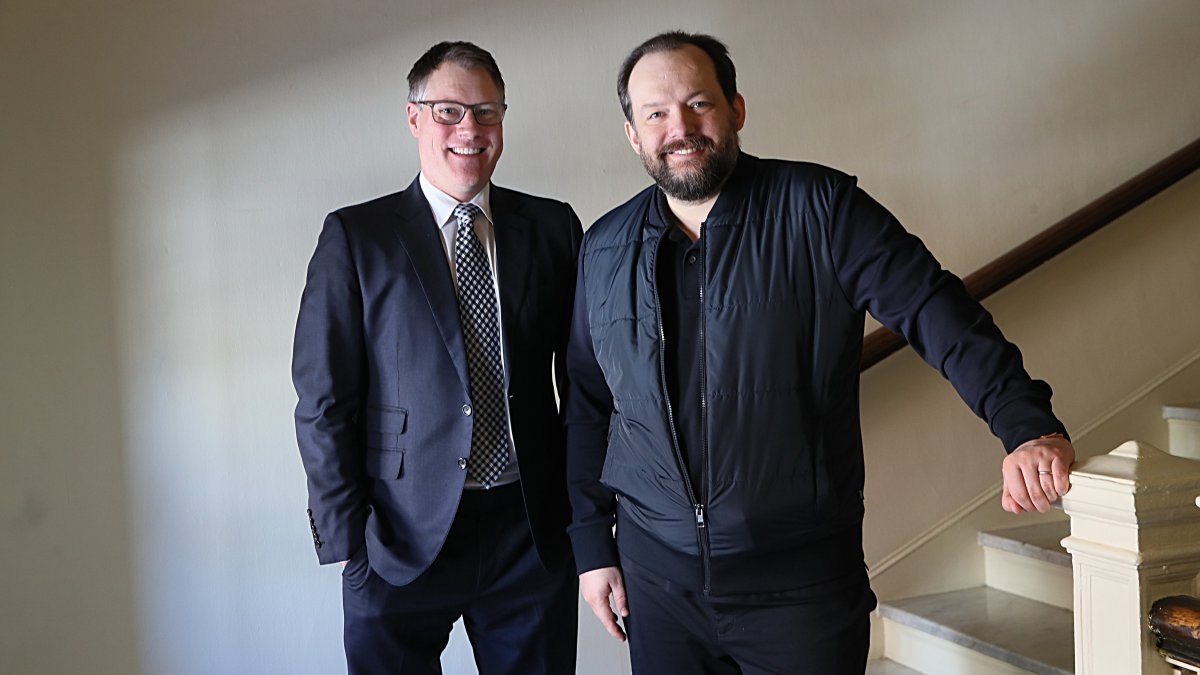
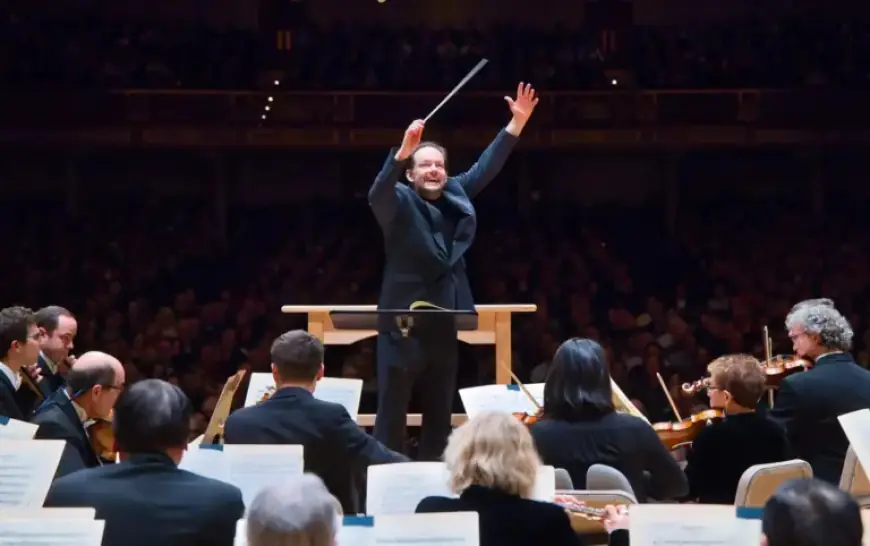
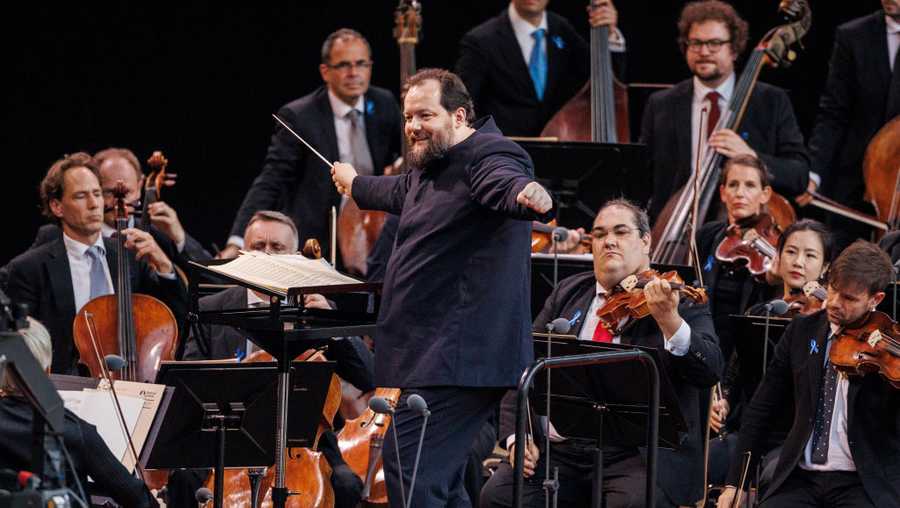
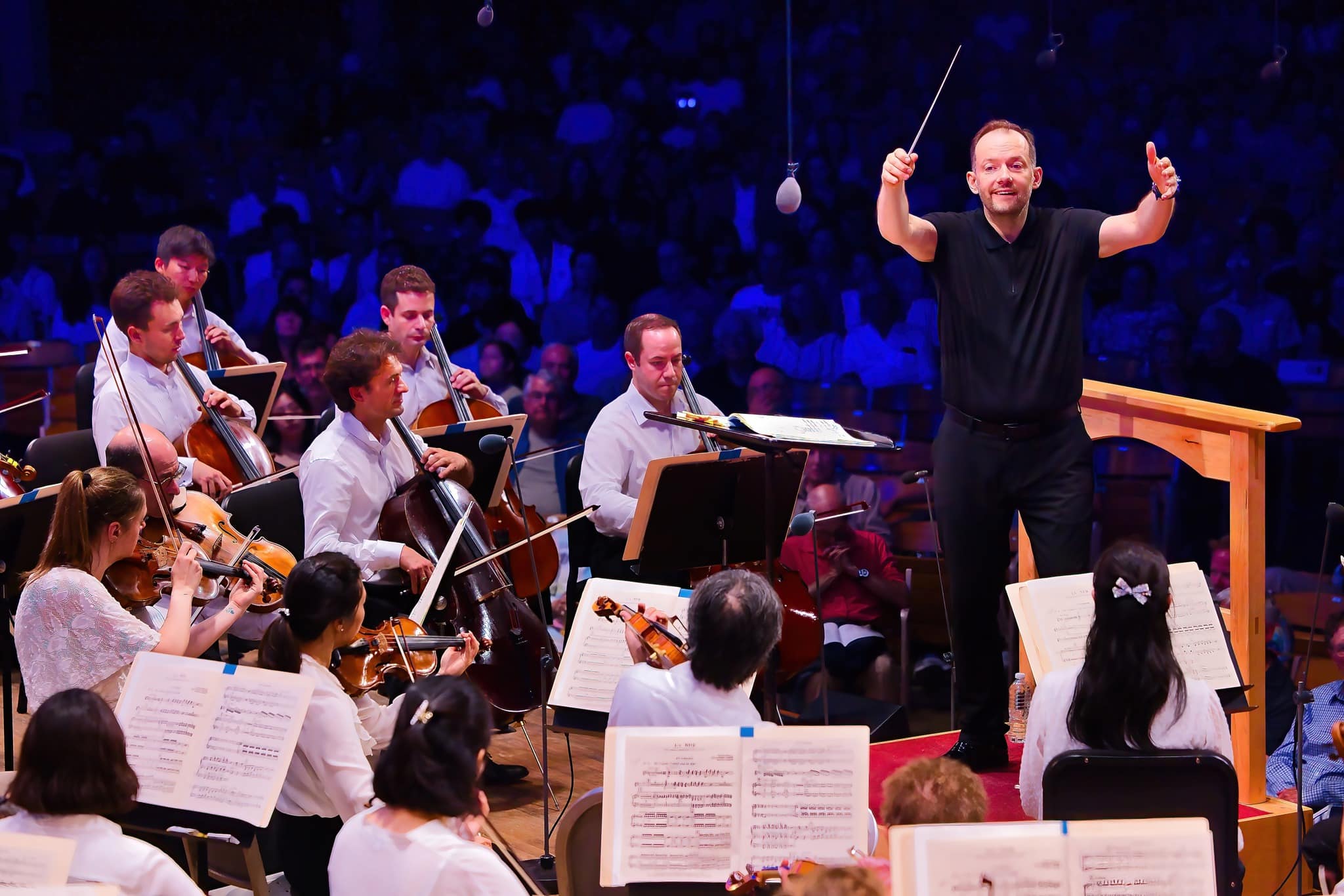
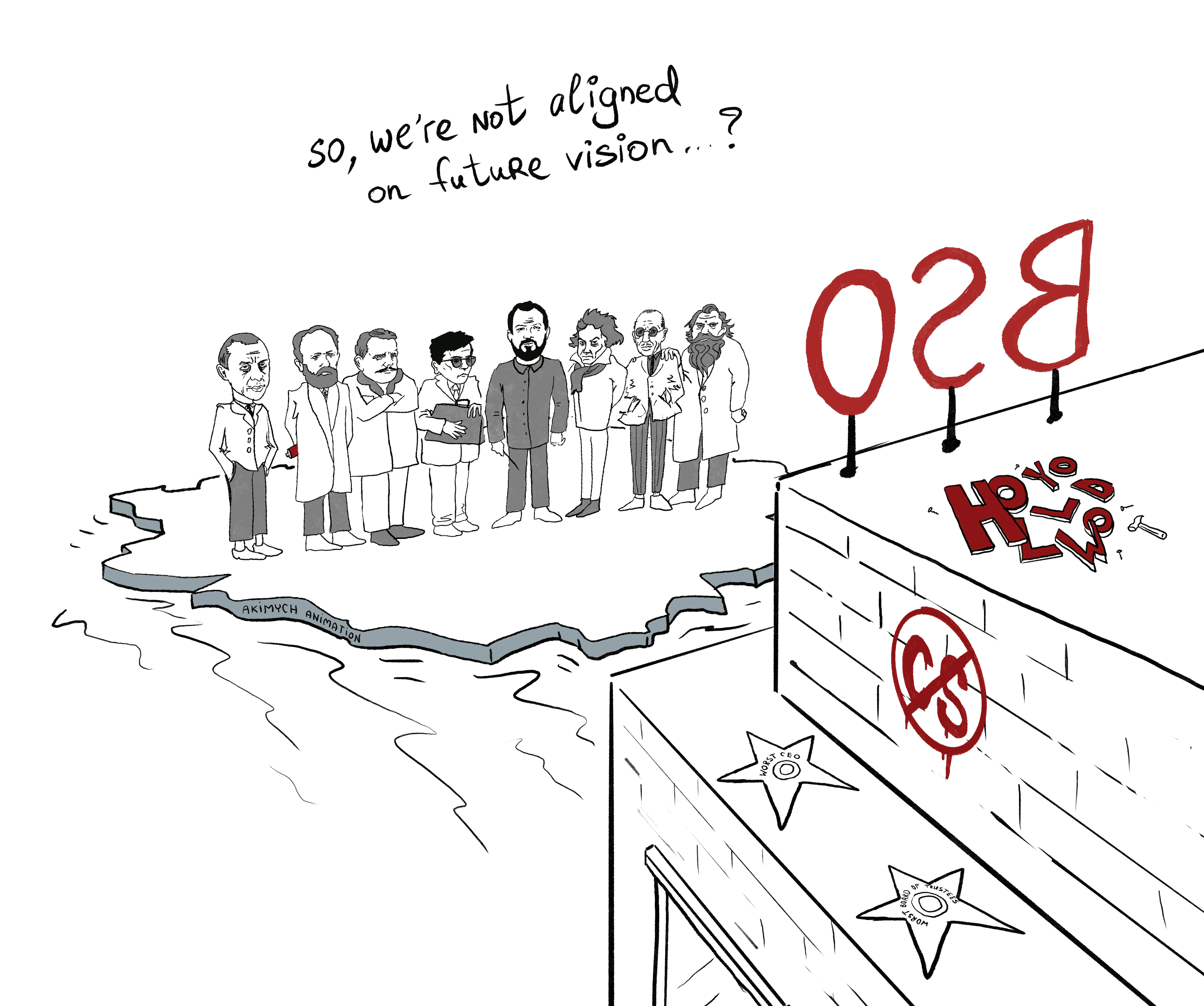
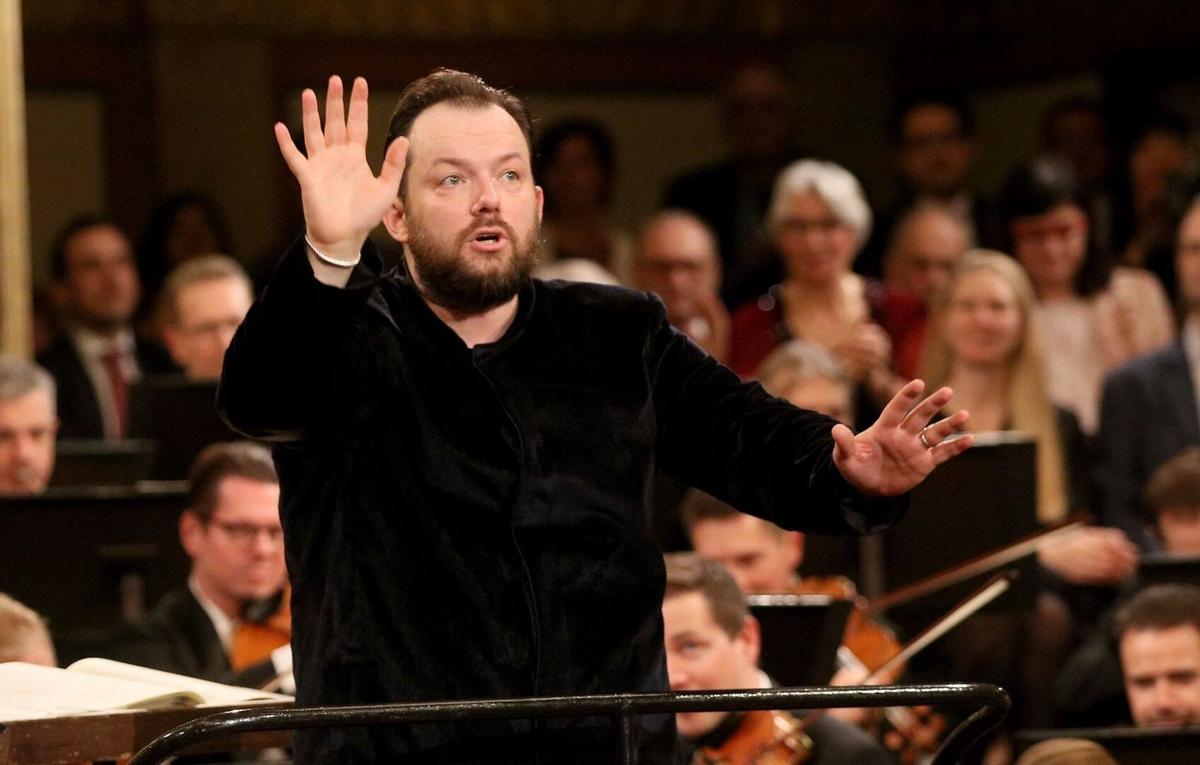
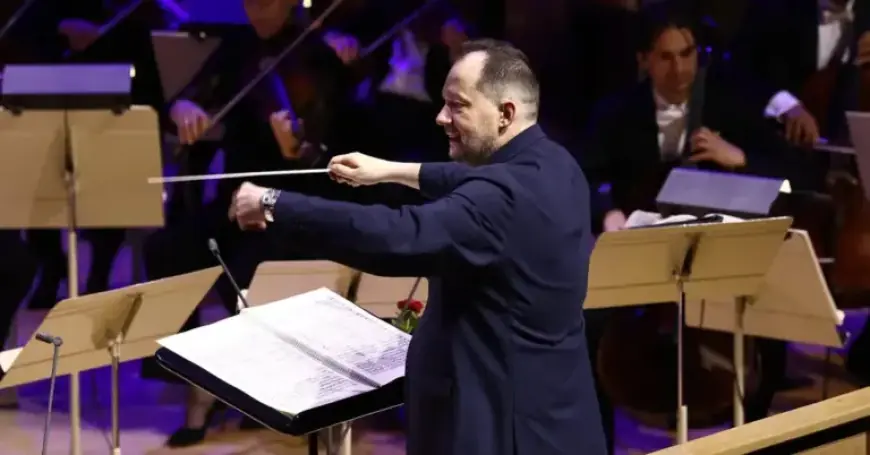
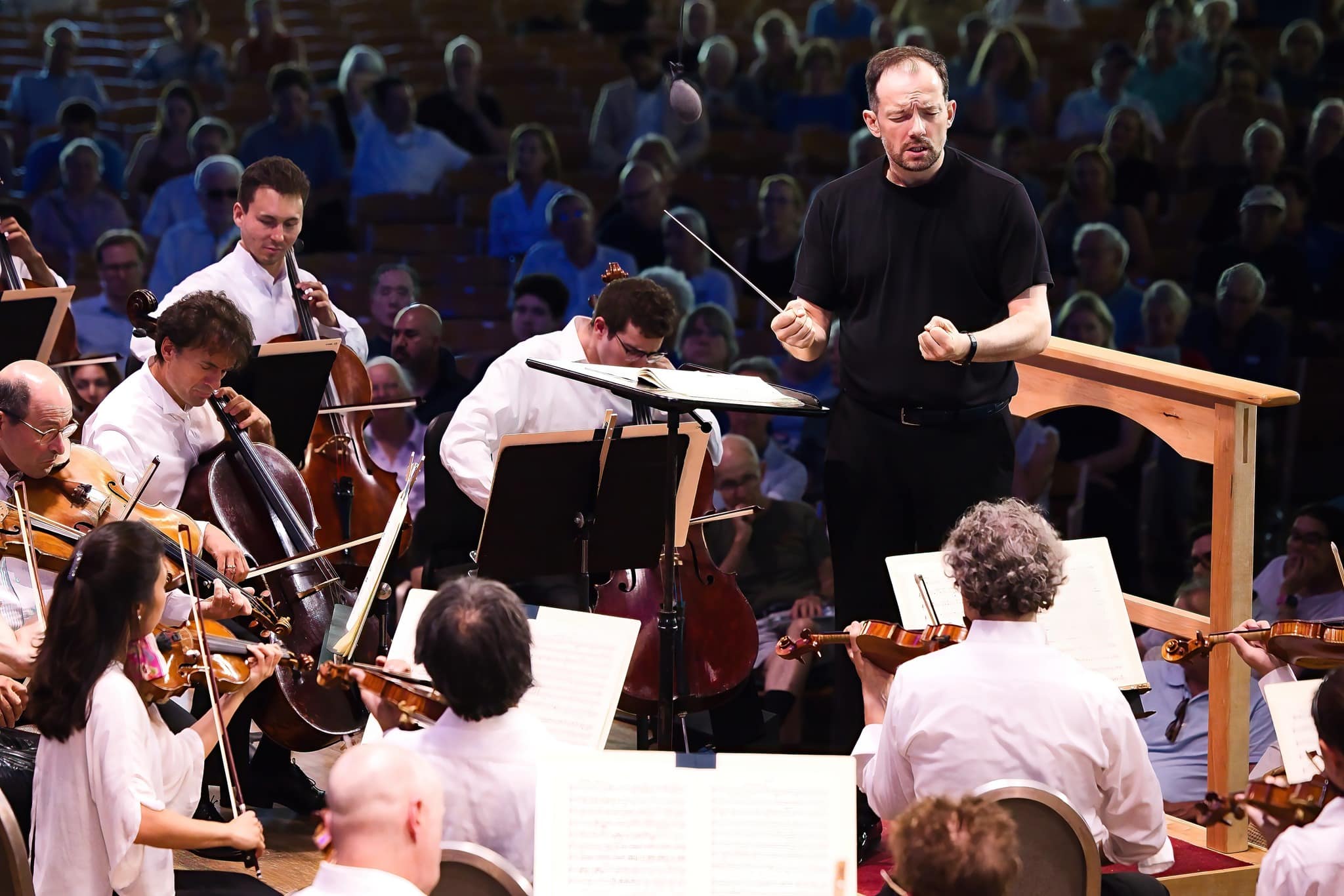
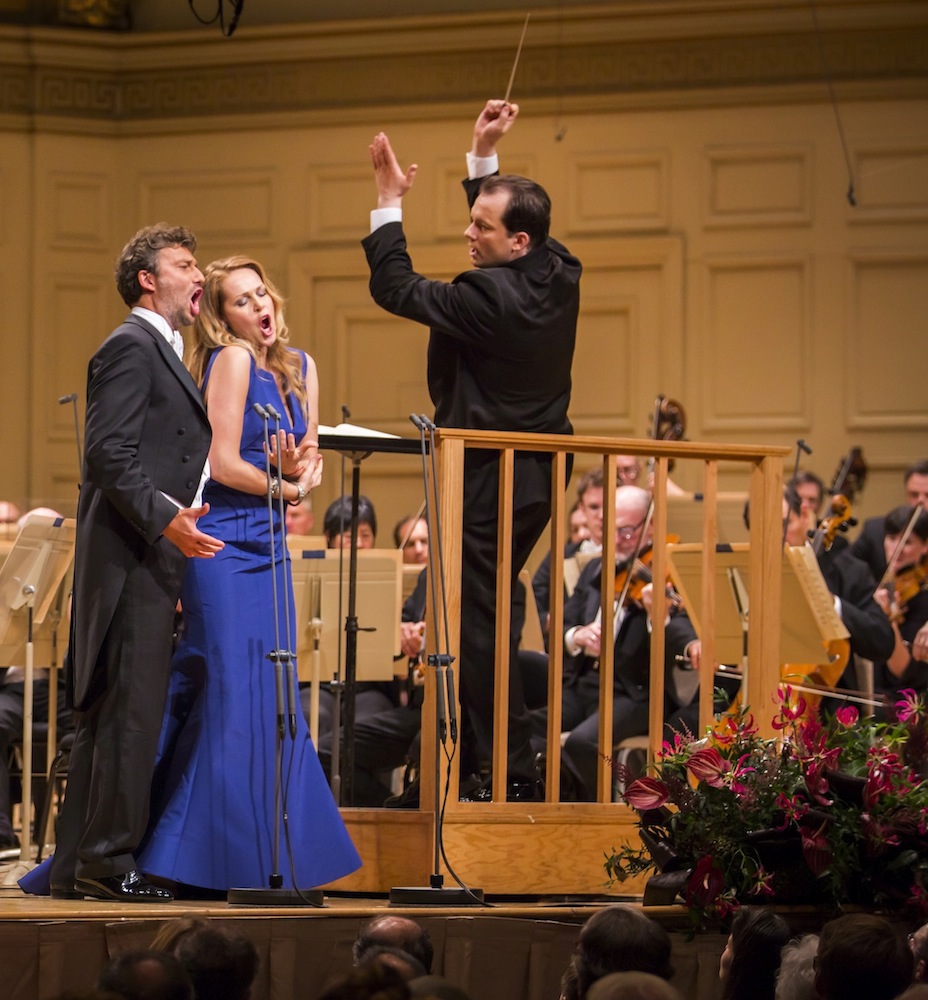
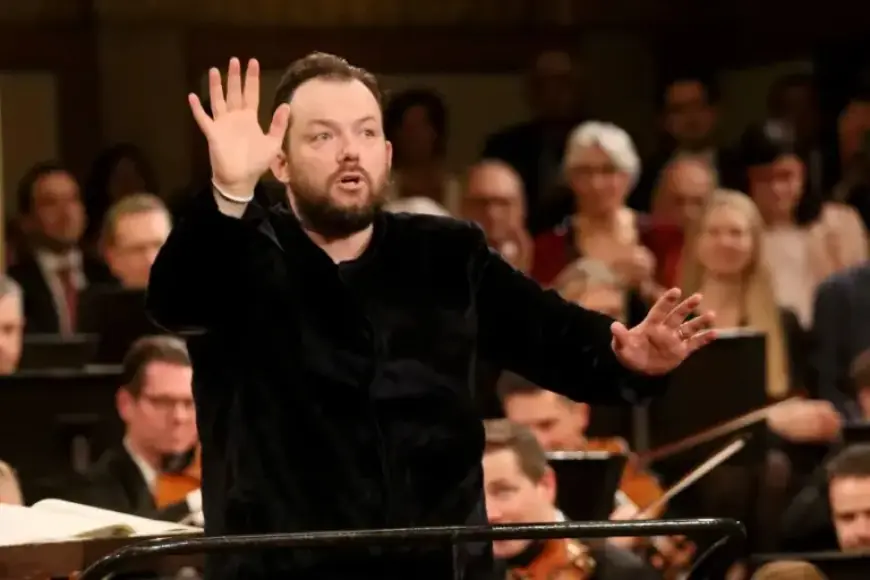
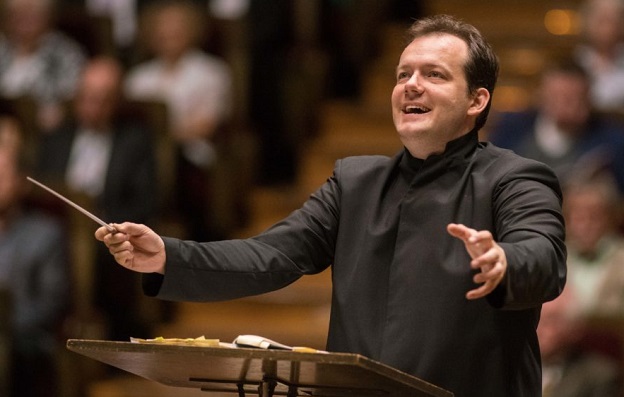
The Boston Symphony Orchestra's announcement that it will not renew music director Andris Nelsons' contract after 13 years of service—concluding at the end of the 2027 Tanglewood season—represents a significant institutional leadership transition with cascading implications for the classical music merchandise and event experience economy. The decision, driven by "misalignment on future vision" between Nelsons and new President/CEO Chad Smith (appointed 3 years prior as an innovation-focused leader), reflects broader post-pandemic challenges facing major cultural institutions: evolving artistic visions, financial pressures, and changing audience expectations. The extended timeline through 2027 creates a unique 18-month celebration window during the 2026-2027 season dedicated to honoring Nelsons' contributions—a period that historically generates significant merchandise demand, commemorative recordings, and event attendance spikes.
For cross-border sellers, this institutional transition unlocks multiple product opportunities across classical music categories. The Nelsons departure and subsequent music director search will drive demand for: (1) Commemorative merchandise including limited-edition conductor recordings, biographical books, and branded BSO/Tanglewood apparel celebrating his 13-year tenure; (2) Classical music collectibles such as Grammy Award-winning Shostakovich symphony recordings, Brahms cycle vinyl reissues, and Elektra production memorabilia; (3) Event-driven products including Tanglewood Music Center merchandise, conductor-themed educational materials, and classical music documentary content. The New York Times analysis characterizes Nelsons as emblematic of broader orchestral leadership tensions—traditional conducting approaches versus institutional modernization—suggesting the incoming music director search will attract international attention and media coverage, amplifying merchandise visibility.
The broader industry context reveals systemic challenges in classical music institutional leadership that create sustained seller opportunities. Major orchestras nationwide are navigating complex decisions about artistic direction and institutional priorities, with leadership transitions becoming more frequent as boards prioritize innovation and financial sustainability over traditional maestro models. The BSO's commitment to remaining "an artistic and civic pillar in Boston and the Berkshires region" while charting new strategic direction signals institutional investment in audience engagement and programming evolution—typically accompanied by increased merchandise licensing, educational product development, and experiential event offerings. Sellers can capitalize on this transition period through: (1) developing classical music education products targeting younger audiences (reflecting institutional modernization priorities); (2) creating conductor-themed collectibles and memorabilia during the 2026-2027 celebration season; (3) sourcing international classical music recordings and performances for cross-border distribution; (4) developing event merchandise partnerships with Tanglewood and other major orchestras navigating similar leadership transitions.
Immediate seller actions should focus on category research and partnership development. Monitor classical music merchandise categories on Amazon, eBay, and specialty platforms to identify top-performing conductor recordings, orchestral memorabilia, and educational materials. Research Tanglewood Music Center's merchandise licensing opportunities and BSO gift shop partnerships. Track music director search announcements across major US orchestras (typically 12-18 month processes) to anticipate merchandise demand cycles. Consider developing commemorative product lines around Nelsons' tenure (2013-2027) and the incoming conductor announcement, leveraging media coverage and fan engagement peaks. For sellers in music education, classical music collectibles, or event merchandise categories, this institutional transition represents a 24-month window of elevated consumer interest and institutional spending on programming and audience engagement initiatives.
Questions 8
How can sellers source authentic BSO-branded merchandise and avoid trademark issues?
Sellers should pursue official licensing agreements with the Boston Symphony Orchestra or authorized merchandise partners rather than creating unauthorized branded products. The BSO actively manages its intellectual property and trademark usage. Legitimate sourcing options include: (1) Authorized merchandise distributors; (2) Official BSO gift shop partnerships; (3) Licensed content from classical music publishers and recording labels; (4) Educational materials from accredited music institutions. Sellers can also create non-branded educational content about conducting, classical music history, and orchestra management without trademark concerns. Verify all partnerships through the BSO's official website and legal department to ensure compliance and avoid intellectual property violations.
How does the incoming music director search create secondary merchandise opportunities?
The music director search process (typically 12-18 months) generates sustained media coverage and institutional engagement, creating secondary merchandise opportunities around the new conductor announcement. Historical precedent shows incoming conductor announcements generate 20-30% spikes in institutional merchandise sales and media-driven collectibles demand. Sellers should monitor major orchestra announcements (New York Philharmonic, Chicago Symphony, Los Angeles Philharmonic) for similar transitions. The new conductor's inaugural season (2027-2028) will generate additional merchandise demand for new conductor recordings, biographical materials, and institutional merchandise celebrating the transition. Sellers should develop flexible product lines adaptable to the incoming conductor's artistic profile and institutional priorities.