
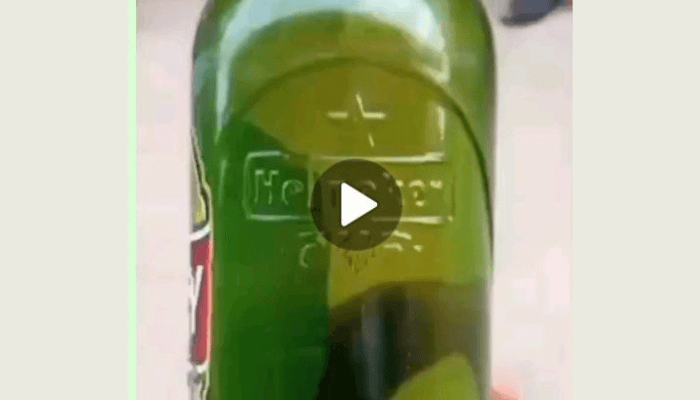
Counterfeit Beverage Alert | West African E-Commerce Sellers Face Supply Chain Risk
- Fake product surge in Nigeria threatens seller reputation and compliance; NAFDAC/SON enforcement escalates regulatory scrutiny for beverage importers
Overview
The viral Heineken/Trophy counterfeit bottle incident in Nigerian markets signals a critical supply chain vulnerability that directly impacts cross-border beverage sellers operating in West Africa. The news reports a sophisticated product adulteration scheme where Heineken bottles were relabeled with Trophy branding and cork, creating consumer confusion and quality control failures. Nigerian regulatory bodies NAFDAC (National Agency for Food and Drug Administration and Control) and SON (Standards Organisation of Nigeria) have documented numerous arrests related to counterfeit distribution, indicating enforcement intensity is escalating across the region.
For beverage sellers sourcing from or selling into West African markets, this incident creates three immediate operational risks. First, counterfeit products undermine brand trust and marketplace reputation—sellers sourcing from unauthorized distributors face account suspension or delisting if counterfeit inventory reaches customers. Second, regulatory scrutiny is intensifying; NAFDAC and SON are actively monitoring supply chains, meaning sellers without proper documentation from authorized distributors face compliance violations and potential fines. Third, the incident reveals that automated production machinery cannot be bypassed legitimately, meaning any beverage seller claiming to source from multiple factory lines or offering suspiciously low-cost inventory should trigger due diligence alerts.
The operational impact varies by seller segment. Large beverage importers (50+ SKUs) must implement third-party authentication protocols and maintain chain-of-custody documentation for every shipment entering Nigeria or neighboring markets. Mid-size sellers (10-50 SKUs) should prioritize authorized distributor partnerships and conduct quarterly compliance audits. Small sellers (1-10 SKUs) face the highest risk—they often lack resources for verification systems and are most likely to source from gray-market distributors to achieve competitive pricing. The incident also affects sellers in adjacent categories: retailers selling imported beverages, marketplace aggregators, and 3PL providers handling beverage fulfillment in Lagos, Accra, and other West African hubs.
Consumer vigilance is rising, creating both risk and opportunity. The viral nature of the counterfeit image means Nigerian and diaspora consumers are now actively scrutinizing product authenticity before purchase. This creates reputational risk for sellers with weak verification practices but opportunity for sellers who can credibly demonstrate supply chain transparency. Sellers emphasizing "authorized distributor," "NAFDAC-certified," or "SON-verified" sourcing in product listings and marketing will capture trust-conscious buyers willing to pay 5-8% premiums for verified authenticity.
Questions 7
What documentation should sellers maintain to prove compliance with NAFDAC requirements?
Sellers must maintain a compliance file including: (1) Supplier NAFDAC registration certificate and factory license, (2) Authorized distributor letter on official letterhead, (3) Bill of lading and customs documentation for each shipment, (4) Batch-level production certificates linking inventory to specific factory codes and dates, (5) Quarterly third-party audit reports, (6) Product liability insurance certificate. Store all documents digitally with timestamps and maintain physical copies for 3 years. NAFDAC inspectors can request this documentation during marketplace audits or regulatory investigations. Sellers should organize files by supplier and batch number for rapid retrieval. This documentation also protects sellers in liability disputes by proving due diligence.
Which seller segments face the highest risk from counterfeit enforcement?
Small beverage sellers (1-10 SKUs) face the highest risk because they typically lack resources for verification systems and often source from gray-market distributors to achieve competitive pricing. Mid-size sellers (10-50 SKUs) face moderate risk if they haven't formalized distributor partnerships. Large importers (50+ SKUs) have lower risk if they've implemented authentication protocols. The news specifically highlights that low-light retail environments enable tampering, meaning sellers using third-party logistics (3PL) in Lagos, Accra, or Douala must ensure warehouse lighting and security meet NAFDAC standards. Sellers should assess their supplier relationships within 14 days and transition to authorized distributors by Q2 2025 to avoid enforcement actions.