
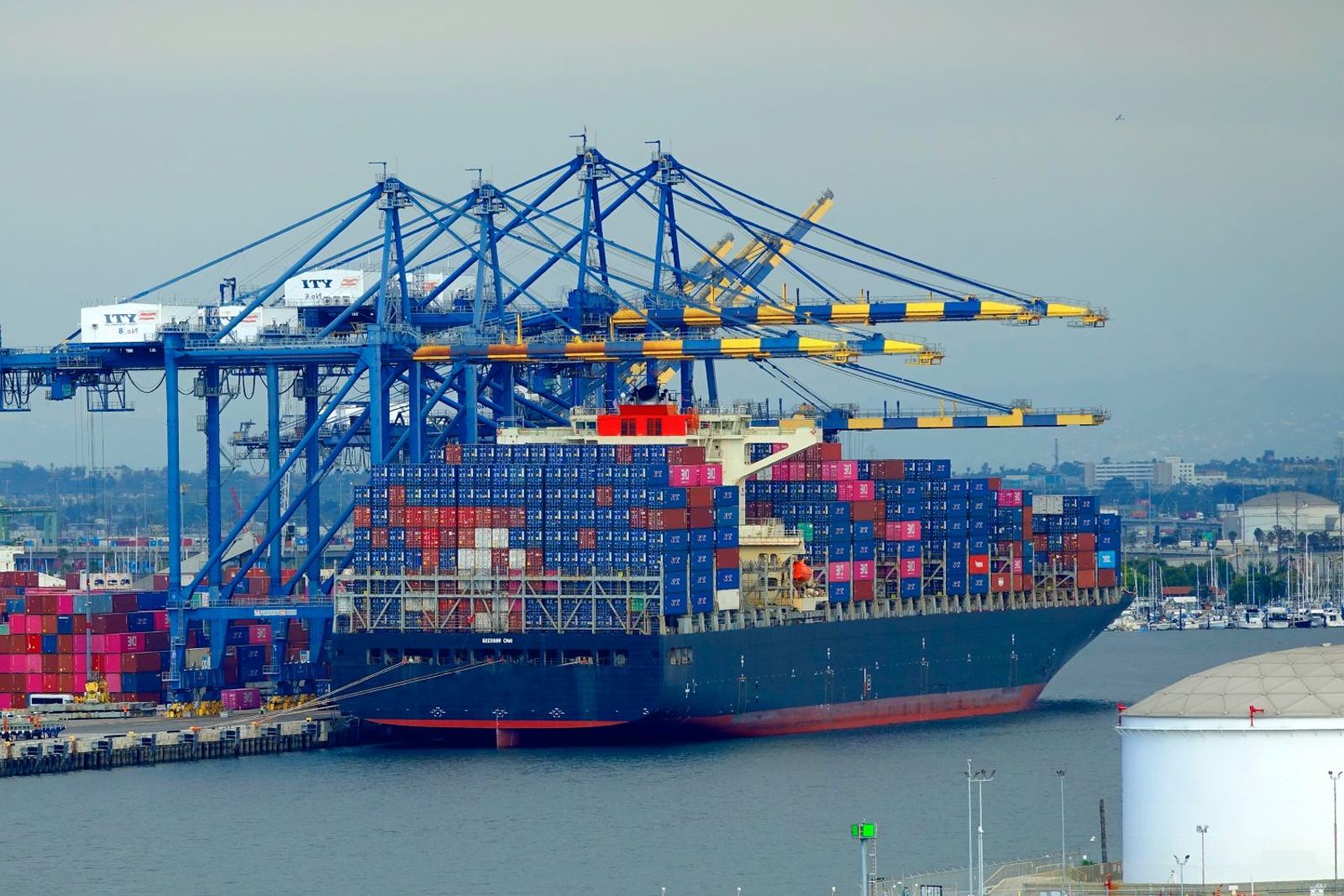
Container Freight Futures Launch April 2026 | Seller Cost Hedging Strategy
- ICE introduces standardized shipping derivatives covering Asia-US/Europe routes; enables sellers to lock freight costs and reduce 15-25% rate volatility exposure
Overview
The Intercontinental Exchange (ICE) is launching four container freight futures contracts on April 7, 2026, marking a watershed moment for cross-border e-commerce sellers managing international logistics. These US-denominated, cash-settled contracts will cover critical trade lanes: Asia-to-US West Coast, Asia-to-Europe, Trans-Atlantic, and Trans-Pacific routes—precisely the corridors where Amazon FBA sellers, Shopify merchants, and eBay international shippers operate. Indexed to NYSHEX Freight Indices (unveiled May 2025), these futures provide institutional-grade risk management tools previously unavailable in standardized, exchange-traded form.
For sellers shipping from Asia to North America or Europe, this development directly addresses the 15-25% container rate volatility that has historically compressed margins by $200-800 per 40-foot container. Sellers can now hedge freight costs through futures contracts, locking in rates 30-90 days forward and eliminating the uncertainty that forces conservative pricing strategies. This is particularly valuable for high-volume sellers (500+ containers annually) shipping electronics, apparel, home goods, and consumer products—categories where freight represents 8-15% of landed cost. Mid-market sellers (100-500 containers/year) benefit from improved budget forecasting; smaller sellers gain access to transparent price discovery previously limited to freight forwarders and 3PL providers.
The operational impact extends across fulfillment strategies. Sellers using Amazon FBA can now calculate true landed costs with greater precision, enabling better Buy Box pricing and margin optimization. Those managing 3PL networks or hybrid FBA/FBM models can lock freight costs before inventory purchases, reducing working capital risk. The standardized nature of exchange-traded futures also provides liquidity—sellers can exit hedges early if market conditions shift, unlike forward contracts with freight forwarders that lock in rates with penalties. This ecosystem complements existing spot market indices and forward contracting, creating a comprehensive freight cost management infrastructure that benefits multinational retailers and smaller e-commerce operators equally.
Immediate strategic actions: Sellers should monitor NYSHEX Freight Indices starting now (May 2025 baseline) to understand pricing patterns before April 2026 launch. High-volume Asia-sourcing sellers should evaluate hedging strategies with freight forwarders or 3PL providers who will likely offer futures-linked pricing. Consider shifting 20-30% of inventory to regional warehouses (US West Coast, EU distribution centers) to reduce exposure to specific trade lanes. Evaluate whether current supplier lead times (45-90 days) align with futures contract settlement periods (typically monthly or quarterly). For sellers with $500K+ annual freight spend, consulting with logistics brokers on hedging ROI becomes critical—potential savings of $50-150K annually justify professional advisory costs.
Questions 8
When should sellers start preparing for ICE futures trading in April 2026?
Sellers should begin preparation immediately (May 2025): (1) Establish baseline understanding of current freight rates on your primary routes using NYSHEX Indices; (2) By Q3 2025, consult with freight forwarders or logistics brokers about hedging strategies and costs; (3) By Q4 2025, model hedging scenarios for your specific volume and routes; (4) By March 2026, open futures trading accounts if pursuing direct hedging; (5) April 2026 onward, execute hedging strategies aligned with your inventory purchase cycles. Sellers with $500K+ annual freight spend should prioritize professional advisory—the ROI on $5,000-10,000 consulting fees easily justifies itself through improved cost management. Smaller sellers can monitor futures prices for market intelligence even if not actively trading.
How will container futures affect 3PL and warehouse location strategy?
Futures enable more precise total landed cost calculations, making regional warehouse positioning more strategic. If Asia-to-US West Coast futures trade at premium rates, shifting inventory to West Coast 3PLs (Los Angeles, Long Beach, Oakland) becomes more attractive than East Coast distribution. Conversely, if Trans-Atlantic rates decline, EU-based 3PLs become more cost-effective for serving European customers. Sellers should model landed costs by route using futures prices: (Asia cost + futures-hedged freight + 3PL storage/handling) vs. (Asia cost + alternative route freight + alternative 3PL costs). This enables data-driven warehouse network optimization. For FBA sellers, understanding route-specific freight costs improves decisions about which regional fulfillment centers to prioritize for inventory placement.