



Middle East Supply Chain Crisis | Sellers Face 40-60% Logistics Cost Surge
- Energy infrastructure attacks disrupt global shipping routes; European natural gas prices spike 60%, Asian prices up 40%; Strait of Hormuz impassable; 500K+ displaced persons create humanitarian goods demand




.jpg/alternates/LANDSCAPE_910/95516111.jpg)






Overview
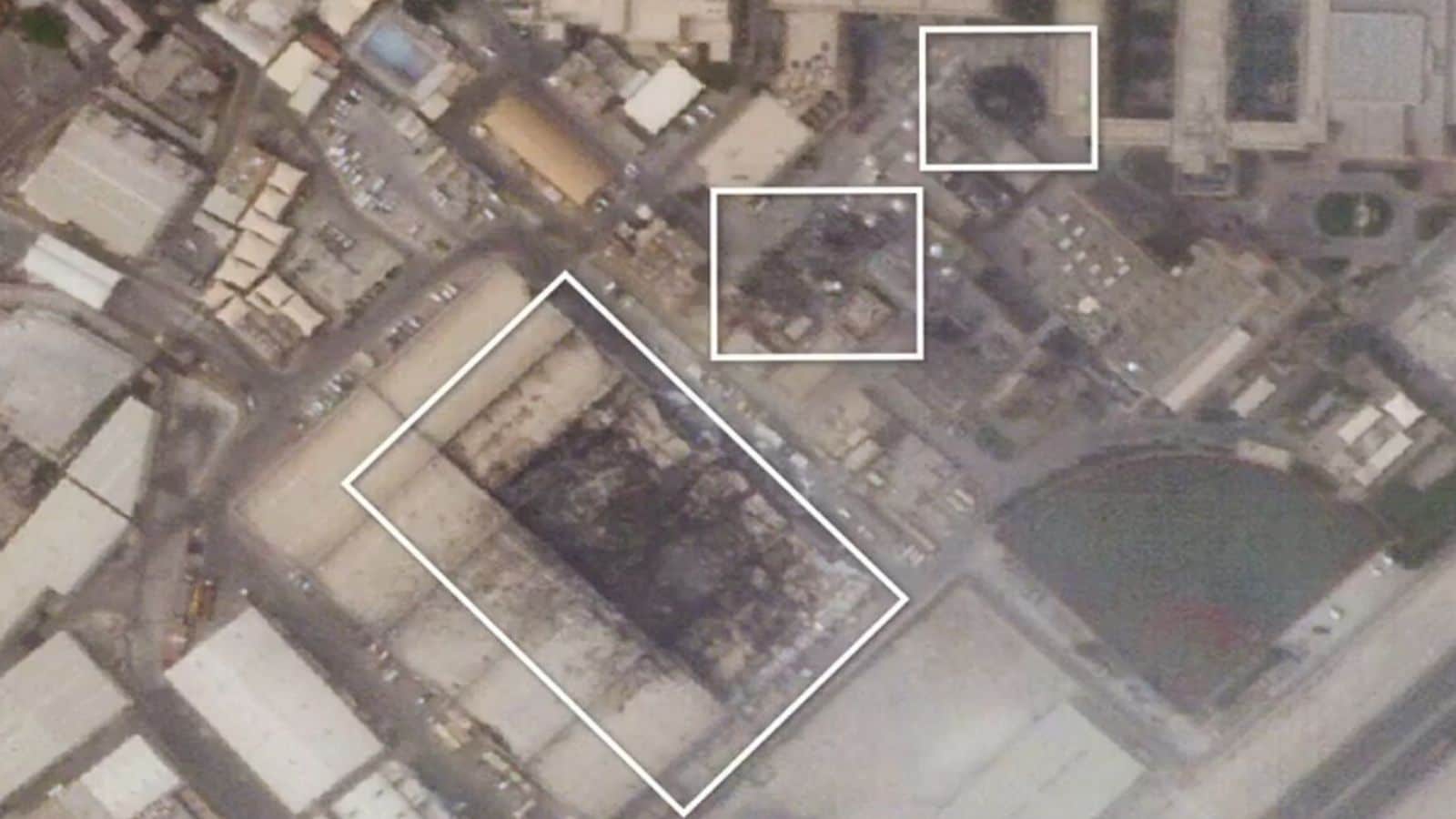
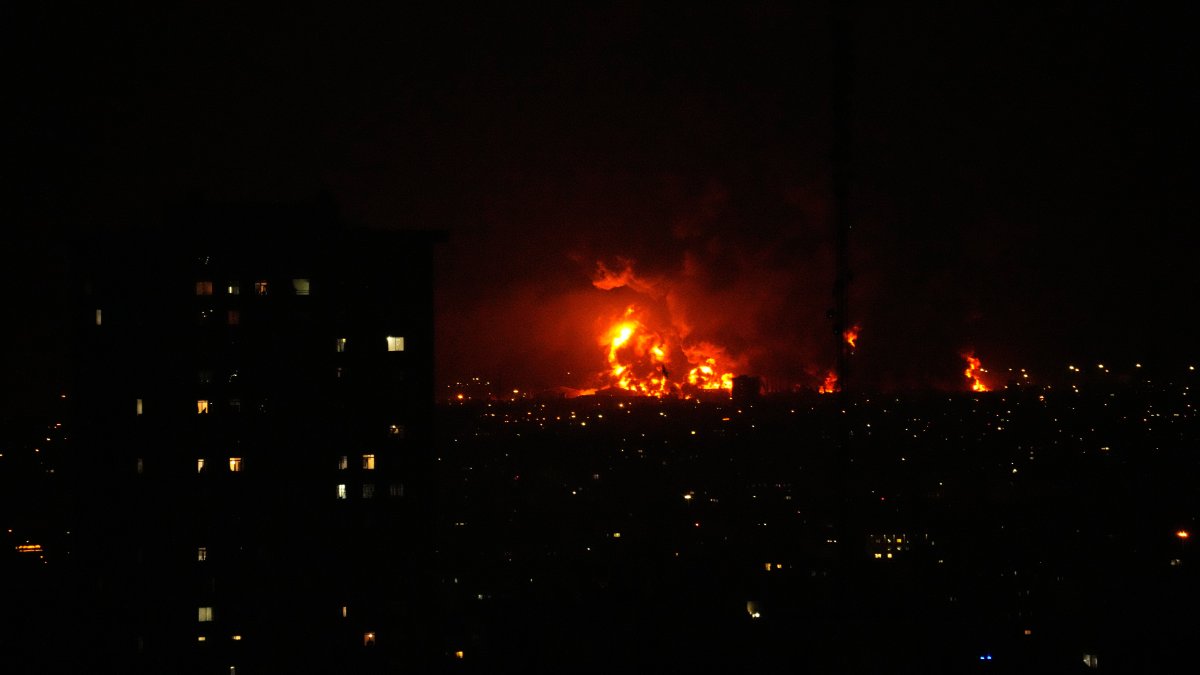
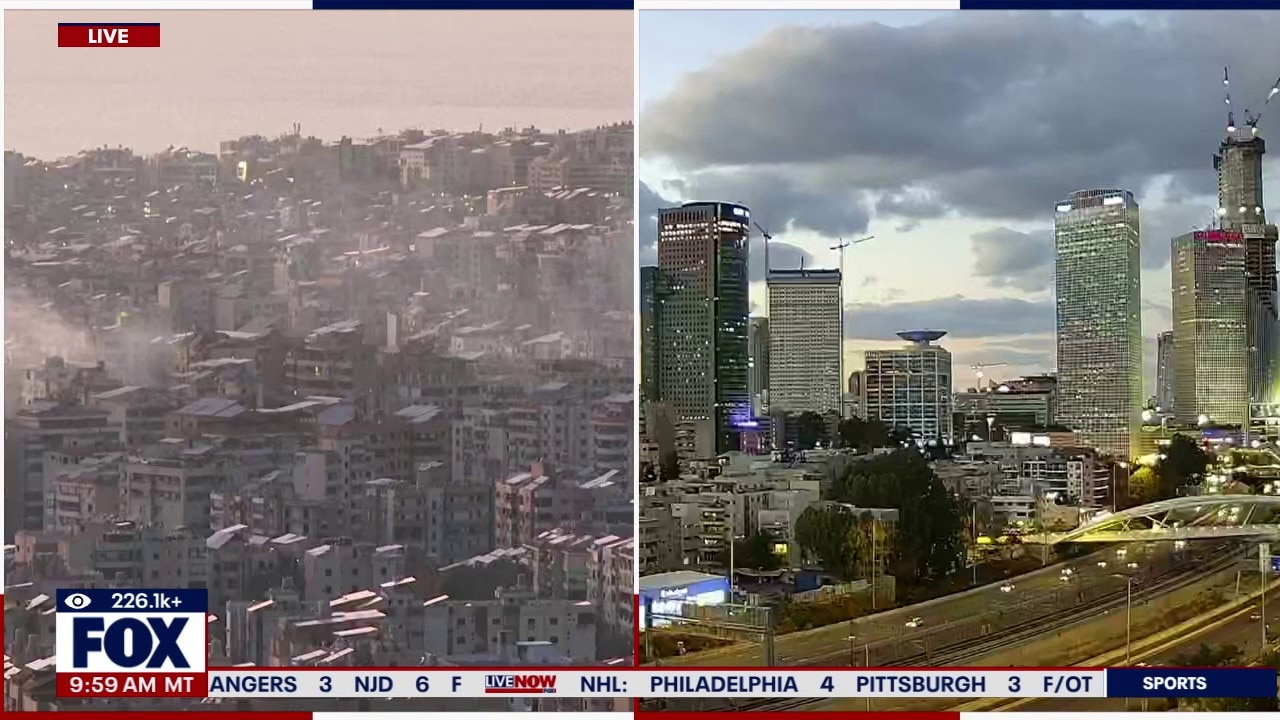
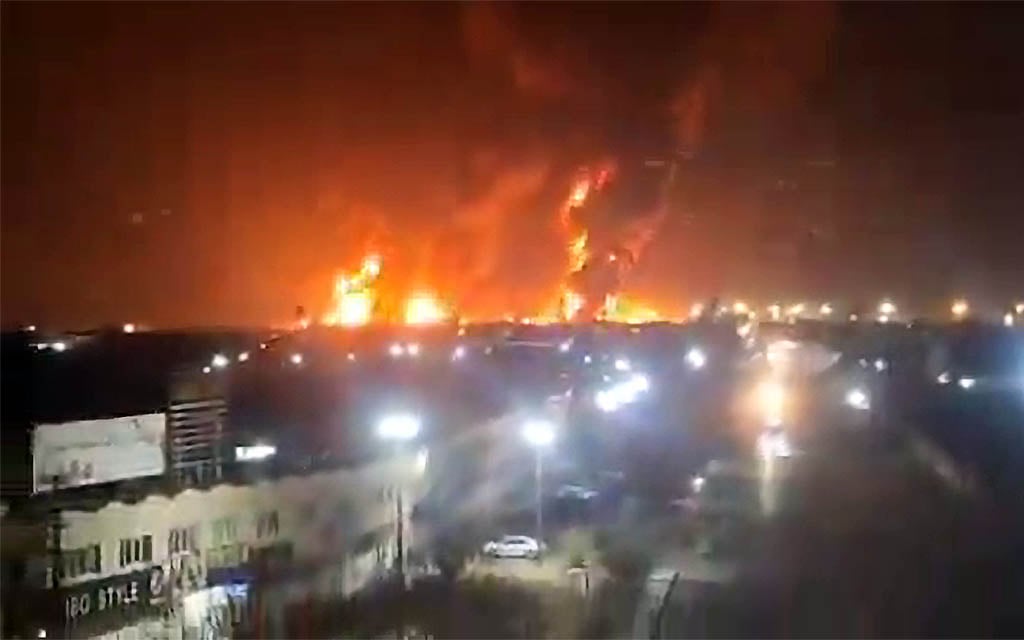
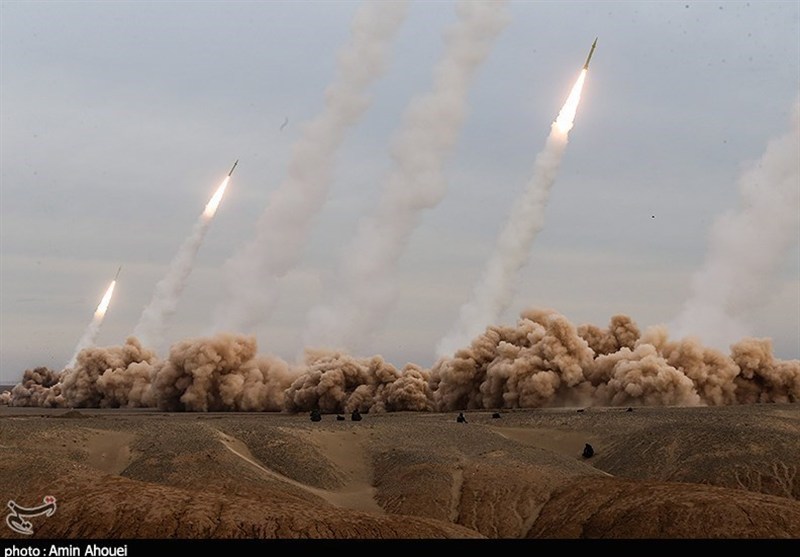
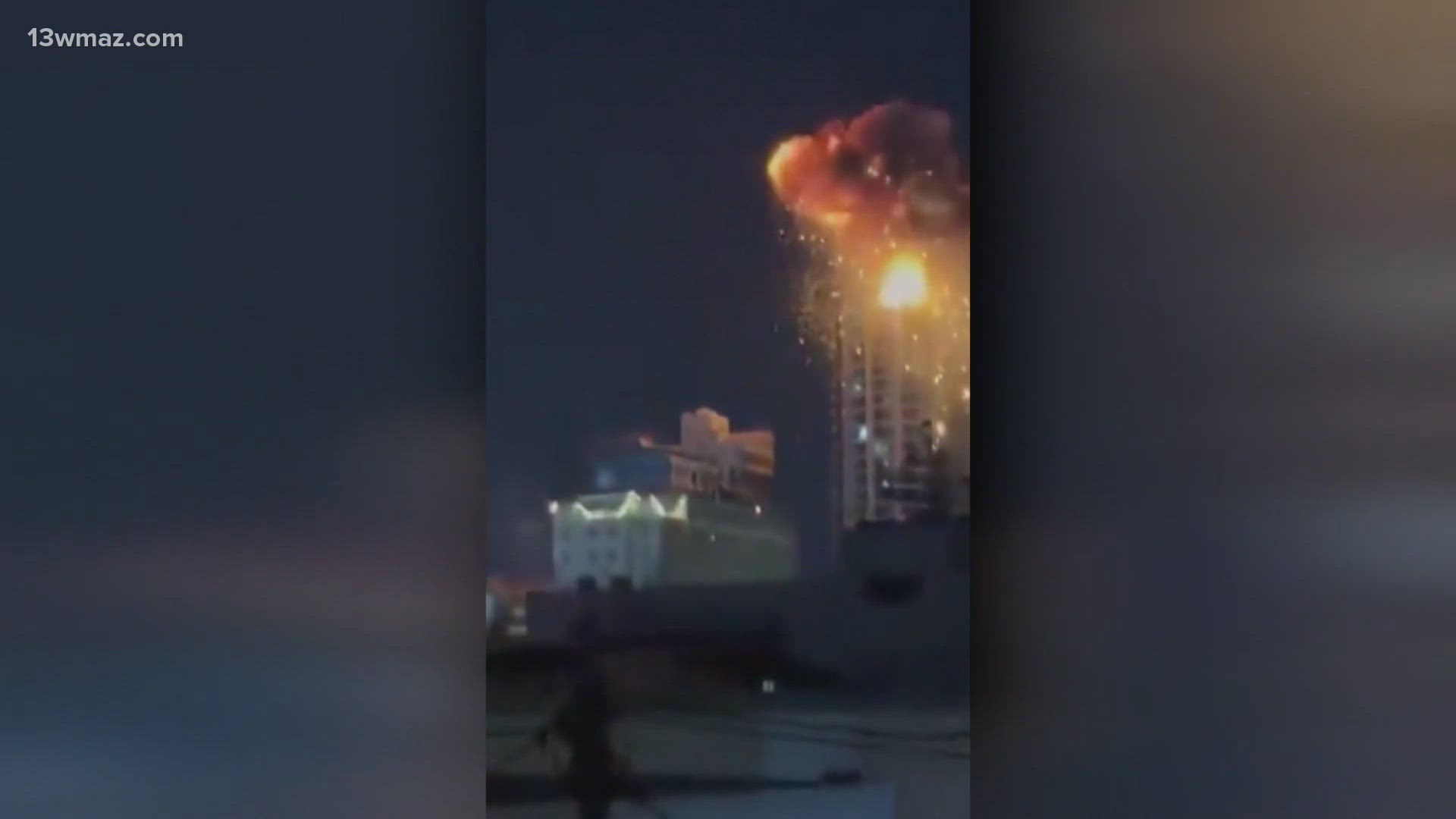
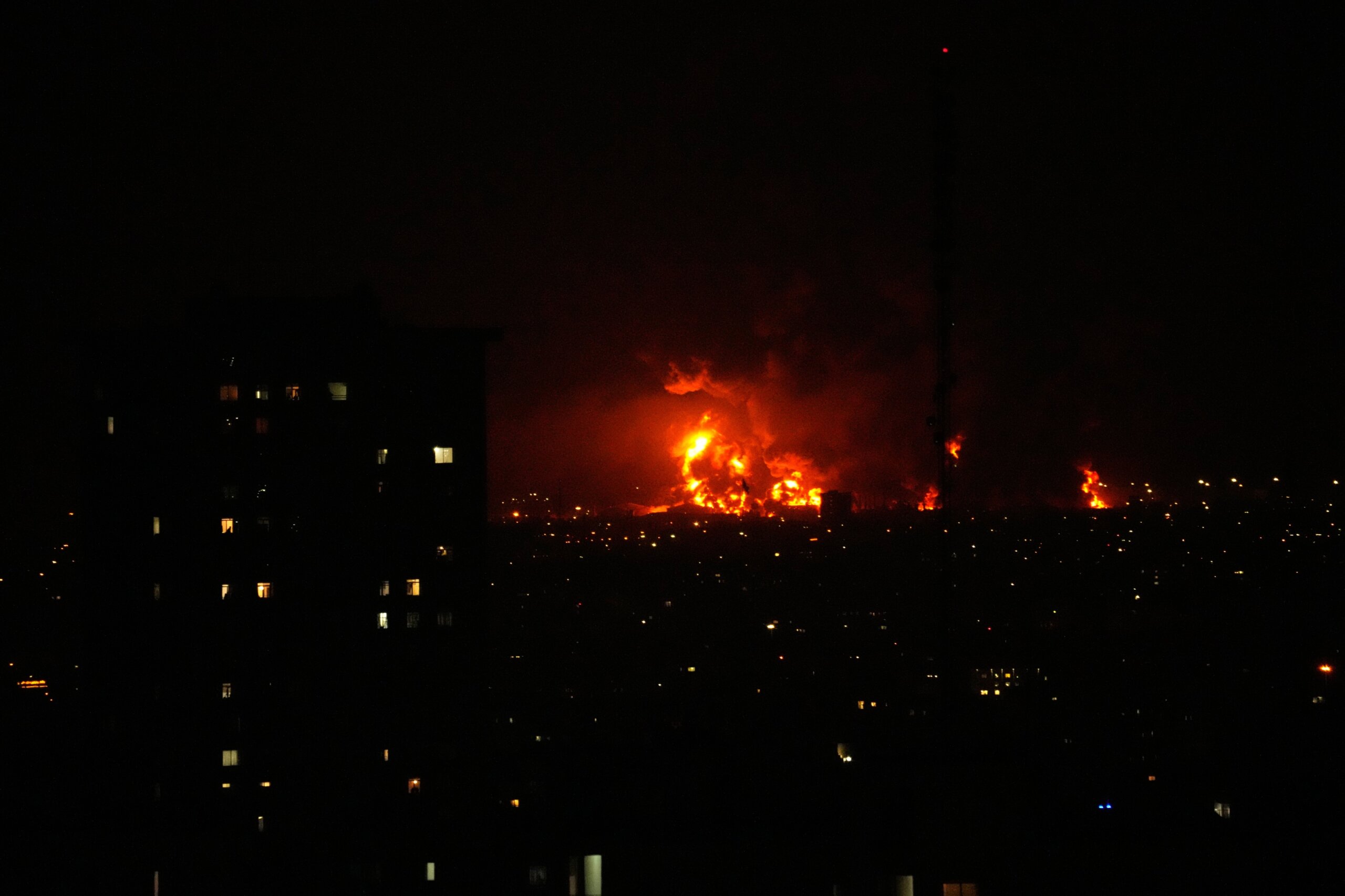
The escalating Iran-Israel conflict beginning February 28, 2026, represents a critical supply chain disruption event for cross-border e-commerce sellers, particularly those relying on Middle East shipping corridors and energy-dependent logistics. Unlike historical Middle East conflicts that spared energy infrastructure, coordinated missile strikes in March 2026 have targeted refineries and liquefied natural gas facilities across six countries—Bahrain, Kuwait, Qatar, Saudi Arabia, and the United Arab Emirates—within a single week. Qatar's Ras Laffan LNG facility, the world's largest liquified natural gas export facility, was struck and forced to declare force majeure, shutting down production that supplies approximately one-fifth of global LNG. This unprecedented regionwide infrastructure attack has created immediate cost pressures: European natural gas prices have surged 60% since conflict onset, while Asian prices increased 40%. The Strait of Hormuz remains impassable for cargo transport, forcing rerouting of shipments through longer, costlier routes that add 7-14 days to transit times and increase fuel surcharges by 40-60%.
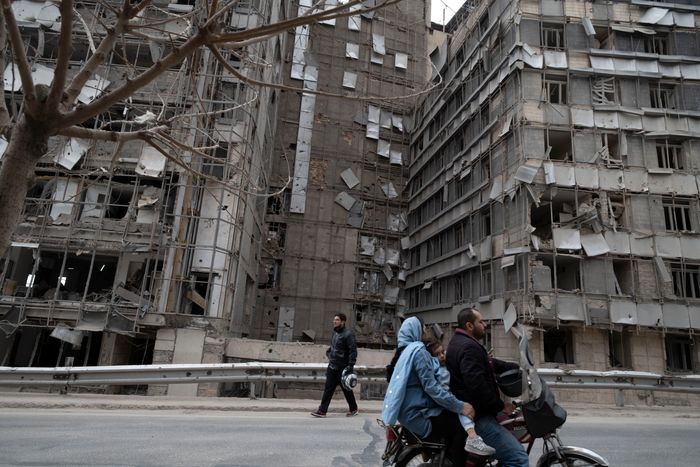
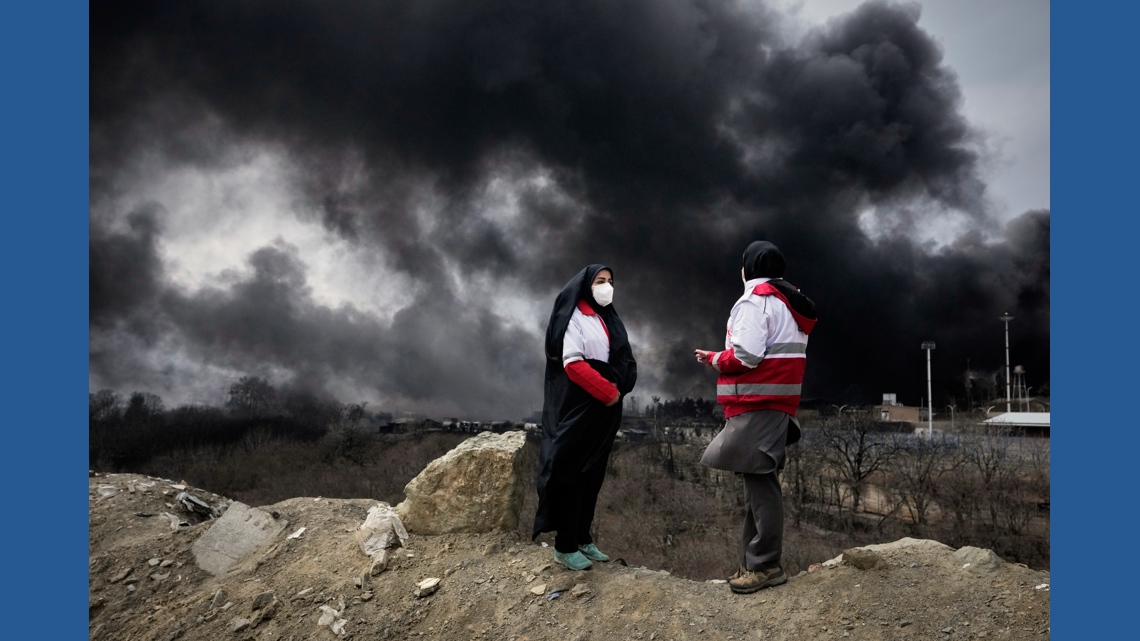
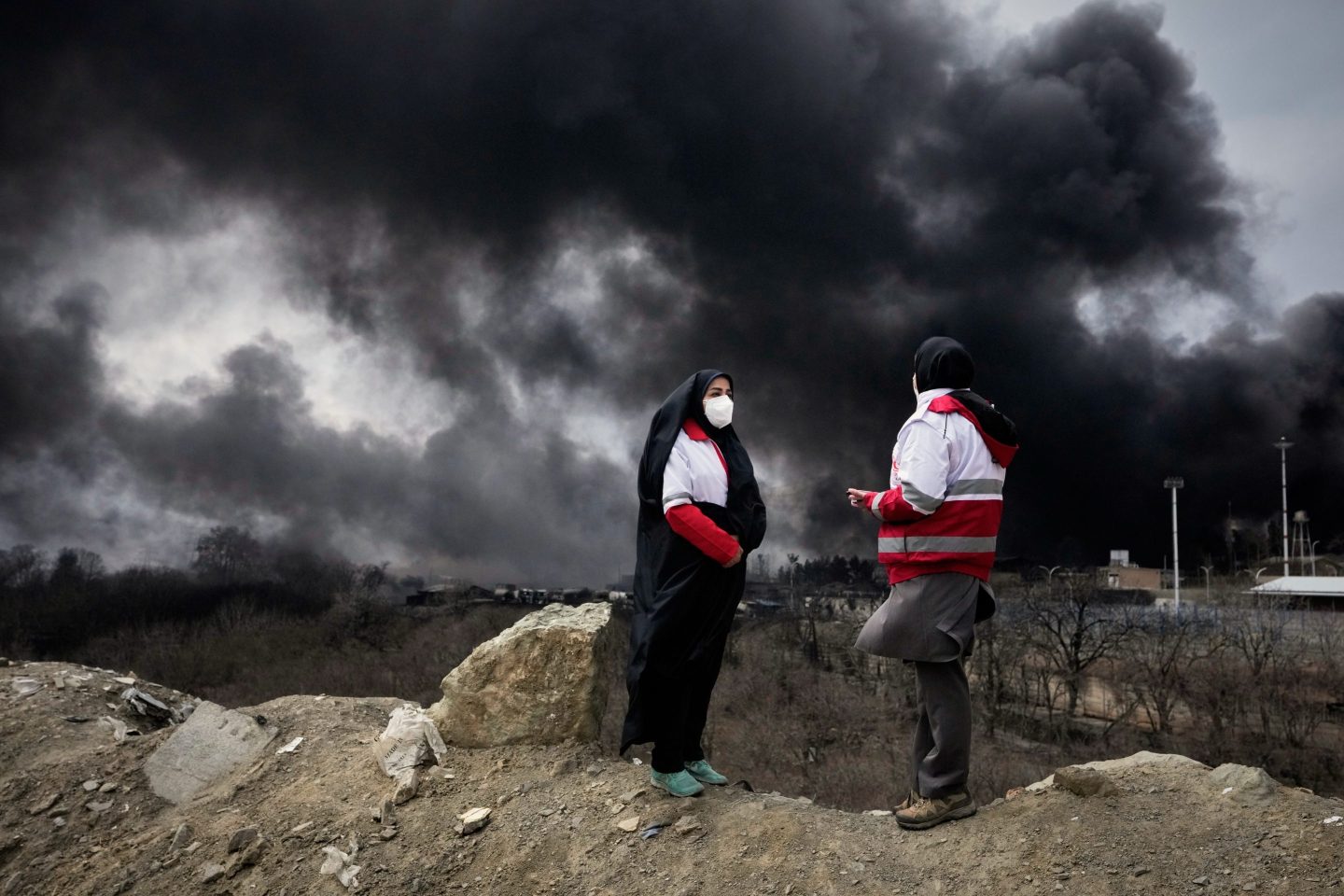
Operational Impact for Sellers: Cross-border sellers shipping via air freight face immediate cost increases of $0.50-1.50 per kilogram due to fuel surcharges, translating to $150-450 additional costs per standard FBA shipment. Ocean freight rerouting around the Horn of Africa adds 10-14 days to delivery timelines and increases per-container costs by $800-1,200. Sellers with inventory in Gulf logistics hubs (Bahrain, Dubai, Qatar) face critical infrastructure vulnerabilities—desalination plant attacks have disrupted water supplies essential for manufacturing cooling systems and warehouse operations, creating potential inventory delays. The Iranian Red Crescent reported approximately 10,000 civilian structures damaged, including manufacturing facilities and distribution centers. Over 500,000 people displaced in Lebanon due to Israel-Hezbollah fighting creates humanitarian demand surge for emergency supplies, medical products, water purification systems, and temporary shelter materials—categories where sellers can capitalize on price premiums of 25-40% above baseline.
Market Opportunities Amid Crisis: The conflict creates specific product category opportunities: (1) Water purification and storage products—demand surge in affected regions as desalination infrastructure fails; (2) Emergency preparedness goods—medical supplies, first aid kits, portable generators, water filters; (3) Fuel-efficient logistics solutions—sellers optimizing packaging weight see 15-25% cost savings; (4) Alternative energy products—solar panels, battery systems, LED lighting for regions facing power disruptions. LNG producers outside the Middle East—Australian companies Woodside Energy and Santos, U.S. producers Cheniere and Venture Global—have seen stock price increases of 8-27%, signaling market confidence in alternative supply chains. Sellers should consider diversifying fulfillment networks away from Middle East hubs toward Southeast Asia (Singapore, Malaysia) and Australia, which offer 5-7 day transit times to Europe with 20-30% lower fuel surcharges than current rerouted paths. The conflict's duration remains uncertain—Iranian President Masoud Pezeshkian vowed continued resistance, and the judiciary chief warned of intensified attacks—suggesting sustained logistics disruption through at least Q2 2026.
Questions 8
What compliance and insurance considerations apply to Middle East shipping?
The Strait of Hormuz closure triggers force majeure clauses in many shipping contracts, potentially relieving carriers of liability for delays but not sellers. Review insurance policies for geopolitical risk coverage—standard policies may exclude conflict-related losses. Consider adding war risk insurance for shipments through affected regions, typically costing 0.5-1.5% of cargo value. Verify that 3PL contracts include geopolitical force majeure provisions protecting your inventory. Document all shipping delays and cost increases for potential tax deductions or insurance claims. Consult with customs brokers about rerouting documentation requirements for Horn of Africa routes, which may differ from standard Strait of Hormuz paths.
How much will my FBA shipping costs increase due to Middle East conflict?
Air freight costs are rising $0.50-1.50 per kilogram due to fuel surcharges, adding $150-450 per standard FBA shipment. Ocean freight rerouting around the Horn of Africa increases per-container costs by $800-1,200 and adds 10-14 days to transit times. The Strait of Hormuz closure forces all Middle East-bound shipments through longer routes. Sellers should immediately review Q2-Q3 inventory plans and consider pre-positioning stock in alternative hubs like Singapore or Australia to avoid peak surcharge periods. Monitor freight indices daily at Freightos.com for real-time rate changes.