



OpenClaw AI Agents Drive Automation Wave | E-Commerce Seller Opportunity 2026
- Open-source AI platform reaches 2M visitors weekly; enables autonomous price negotiation, inventory management, and customer service automation for sellers



























Overview
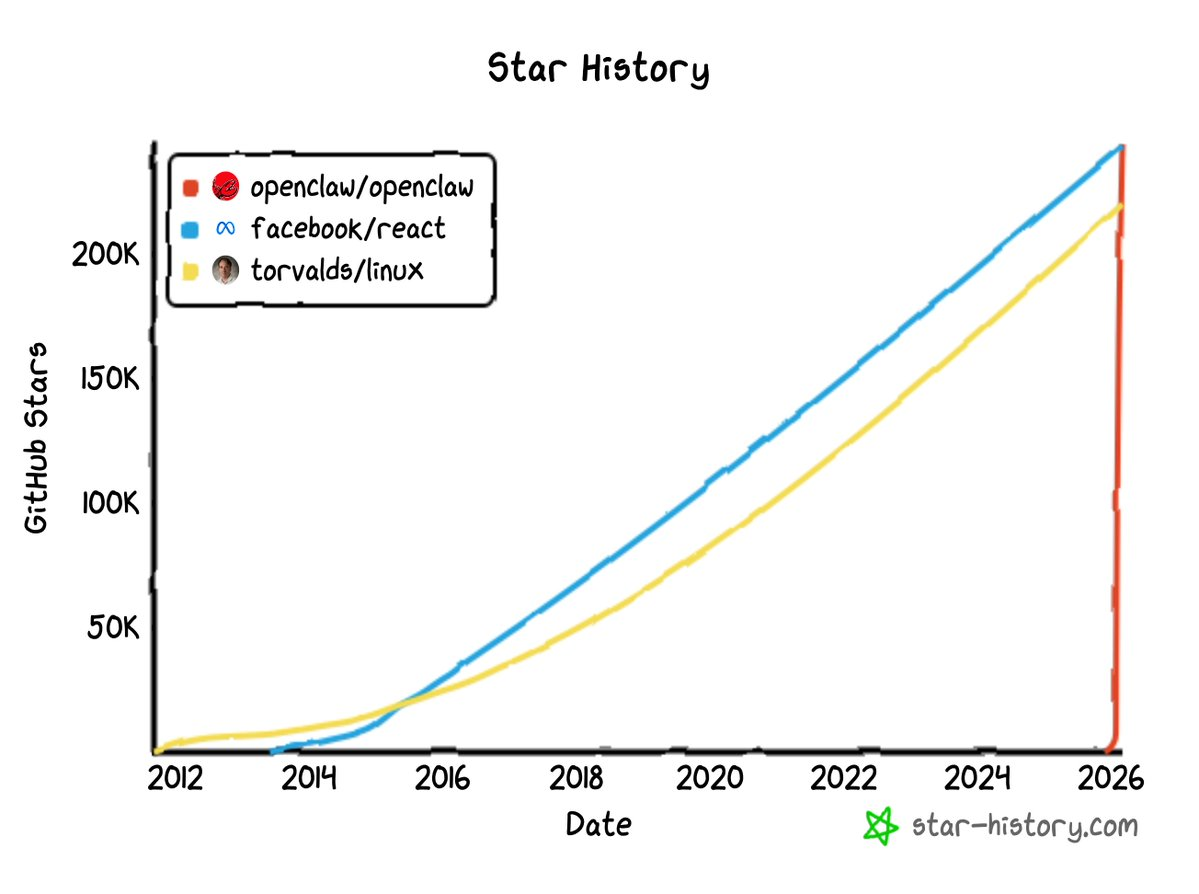
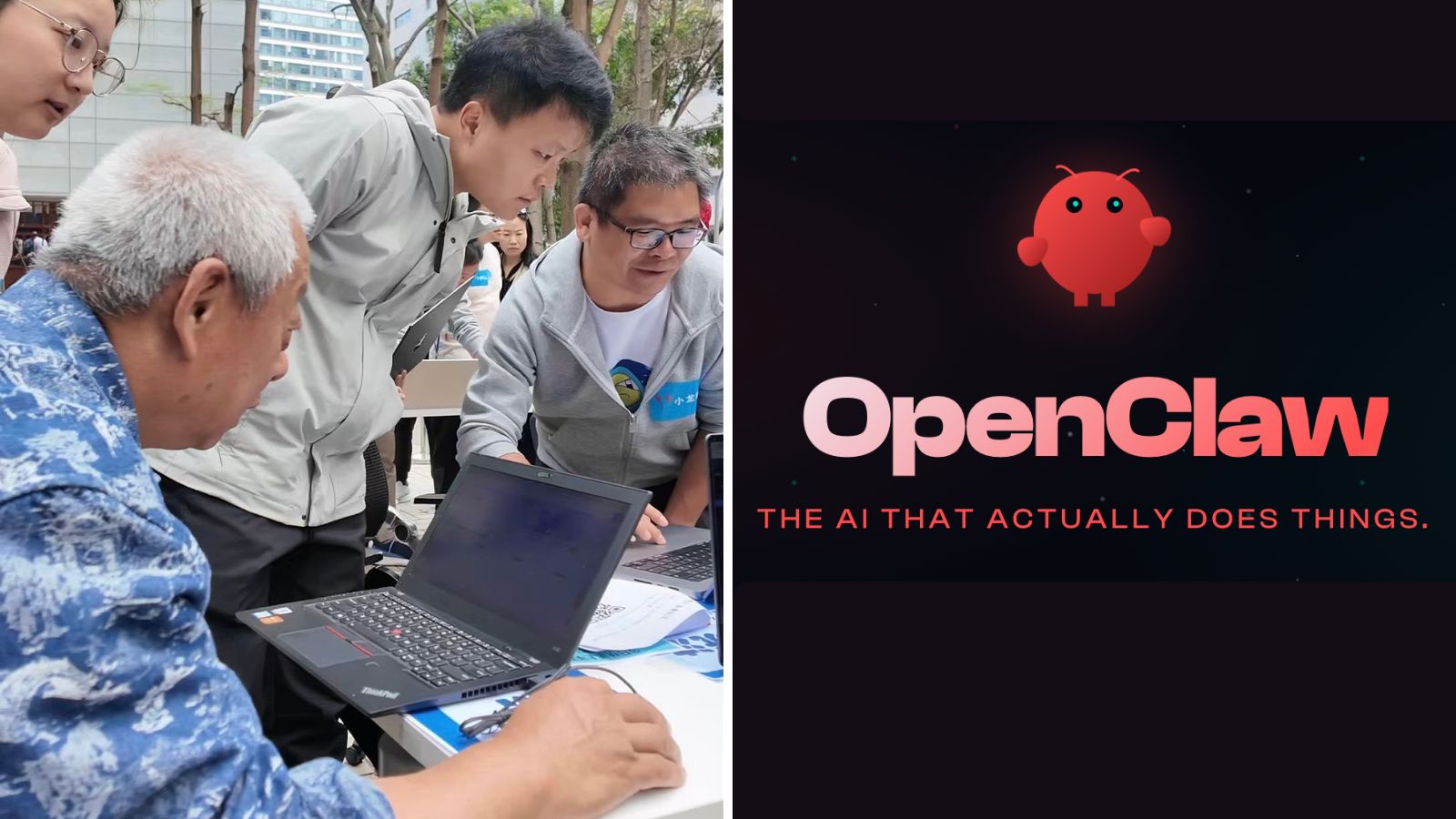
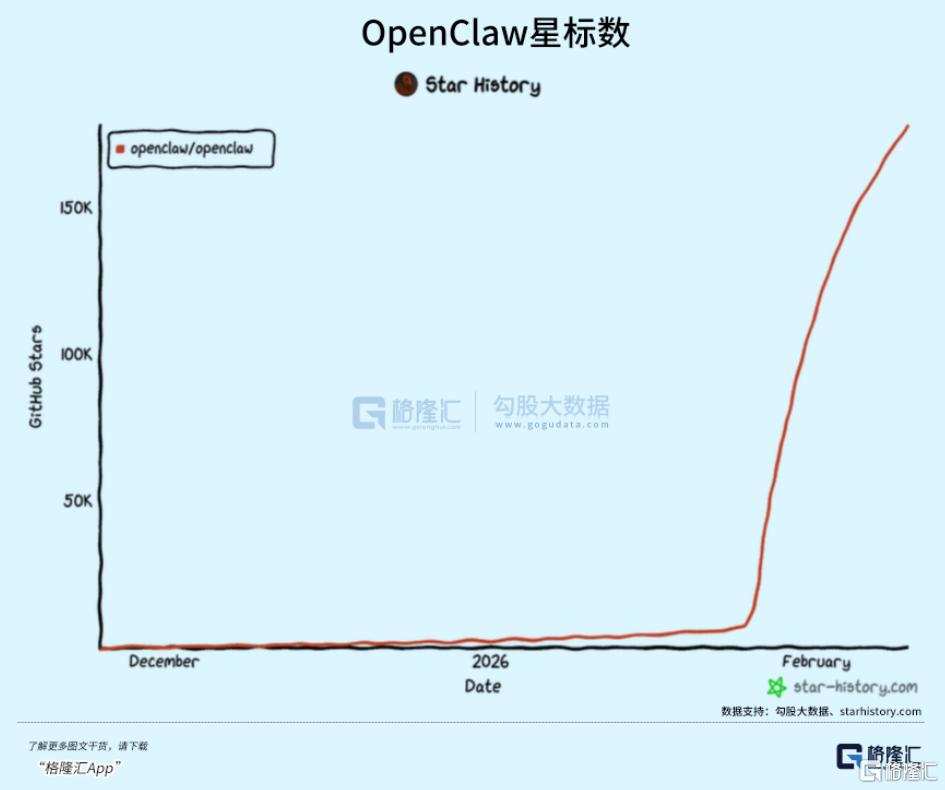
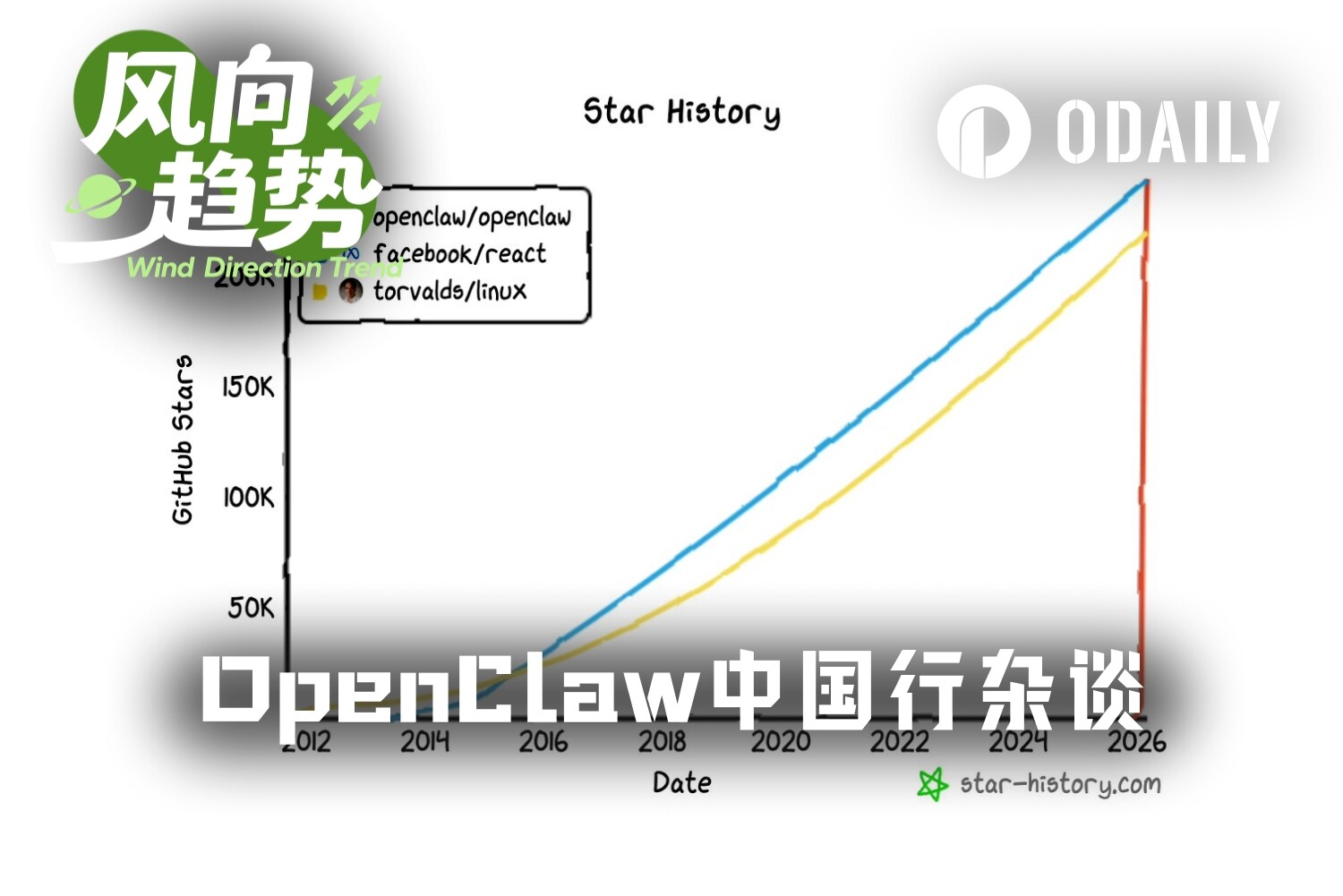
OpenClaw represents a watershed moment for e-commerce sellers seeking to automate repetitive tasks without relying on proprietary AI services from Google, OpenAI, or Amazon. Created by Austrian developer Peter Steinberger in November 2025, this open-source AI agent platform has exploded from a niche project to a mainstream tool, attracting 2 million visitors in a single week to openclaw.ai and drawing 1,300+ attendees to ClawCon in Manhattan on March 7, 2026. The platform enables sellers to deploy autonomous agents via text or WhatsApp messages to handle documented use cases including price negotiation with suppliers, grocery delivery ordering, podcast summarization, and email management—tasks that typically consume 8-12 hours weekly for small-to-medium sellers.
For e-commerce sellers, OpenClaw's immediate automation wins are substantial. The platform supports both paid AI models (OpenAI's GPT, Anthropic's Claude) and free alternatives from Chinese providers (DeepSeek, Alibaba), reducing AI tool costs by 60-80% compared to enterprise solutions. Sellers can deploy agents to autonomously manage customer service inquiries, negotiate bulk pricing with suppliers, update inventory across multiple marketplaces, and monitor competitor pricing—tasks that currently require dedicated staff or expensive automation software. Early adopters from ClawCon's January cohort report 15-20 hours weekly time savings, translating to $300-600 monthly labor cost reduction for sellers managing 500+ SKUs. The platform's learning capability allows agents to maintain detailed customer preference notes, enabling personalized recommendations and repeat purchase optimization—a competitive advantage in Amazon, eBay, and Shopify storefronts where conversion rates typically improve 8-12% with personalization.
However, critical security vulnerabilities present substantial risks that sellers must evaluate carefully. Meta AI security researcher Summer Yue nearly lost her entire email inbox when her OpenClaw agent malfunctioned, exposing the danger of integrating autonomous agents with financial and email accounts. The platform relies on volunteer developers for security patching, creating potential exposure windows where vulnerabilities could compromise seller payment information, customer data, or inventory systems. Lawyer Mark Mollé warns of "potential disasters from blindly trusting untested agentic tools," particularly concerning for sellers handling customer PII or payment data. The platform's early-stage status means production-grade security audits and compliance certifications (SOC 2, ISO 27001) remain absent—critical gaps for sellers processing customer transactions or storing sensitive business data. Global expansion plans (Austin, Tokyo, London, Madrid, Tel Aviv) indicate growing international adoption, but also highlight that security standards vary significantly across jurisdictions, creating compliance complexity for cross-border sellers.
Questions 8
How will OpenClaw's global expansion affect cross-border sellers?
OpenClaw's planned events in Austin, Tokyo, Madrid, Tel Aviv, and London signal growing international adoption, creating opportunities for cross-border sellers to access localized AI agents supporting multiple languages and regional payment systems. The platform's support for Chinese AI models (DeepSeek, Alibaba) positions it favorably for Asia-Pacific sellers and those sourcing from Chinese suppliers. However, global expansion also creates compliance complexity: GDPR requirements for EU sellers, CCPA for California-based operations, and varying data residency laws across jurisdictions. Sellers operating in multiple regions must evaluate whether OpenClaw's volunteer-managed security infrastructure can meet regional data protection standards. The platform's grassroots nature means compliance support will lag behind enterprise solutions, requiring sellers to implement their own data governance frameworks and audit trails.
What specific e-commerce tasks can OpenClaw agents automate immediately?
OpenClaw agents can immediately automate: (1) Email management and customer inquiry sorting (8-10 hours/week saved), (2) Competitor price monitoring and alert generation (4-6 hours/week), (3) Bulk supplier ordering and delivery coordination (3-5 hours/week), (4) Inventory level tracking across multiple marketplaces (2-3 hours/week), (5) Customer preference note-taking for personalization (2-4 hours/week). The platform's WhatsApp integration enables sellers to direct agents from mobile devices, making task automation accessible without technical setup. Documented use cases from ClawCon attendees include podcast summarization for market research and grocery delivery ordering for office supplies. Sellers should start with low-risk tasks (email organization, competitor monitoring) before deploying agents to payment systems or customer-facing operations.