
Luxury Vehicle Customization Trend | High-Net-Worth Merchandise Opportunity for Sellers
- Ford's papal custom build signals $8B+ luxury personalization market; sellers can capitalize on bespoke goods, religious merchandise, and Chicago-themed collectibles targeting affluent Catholic demographics
Overview
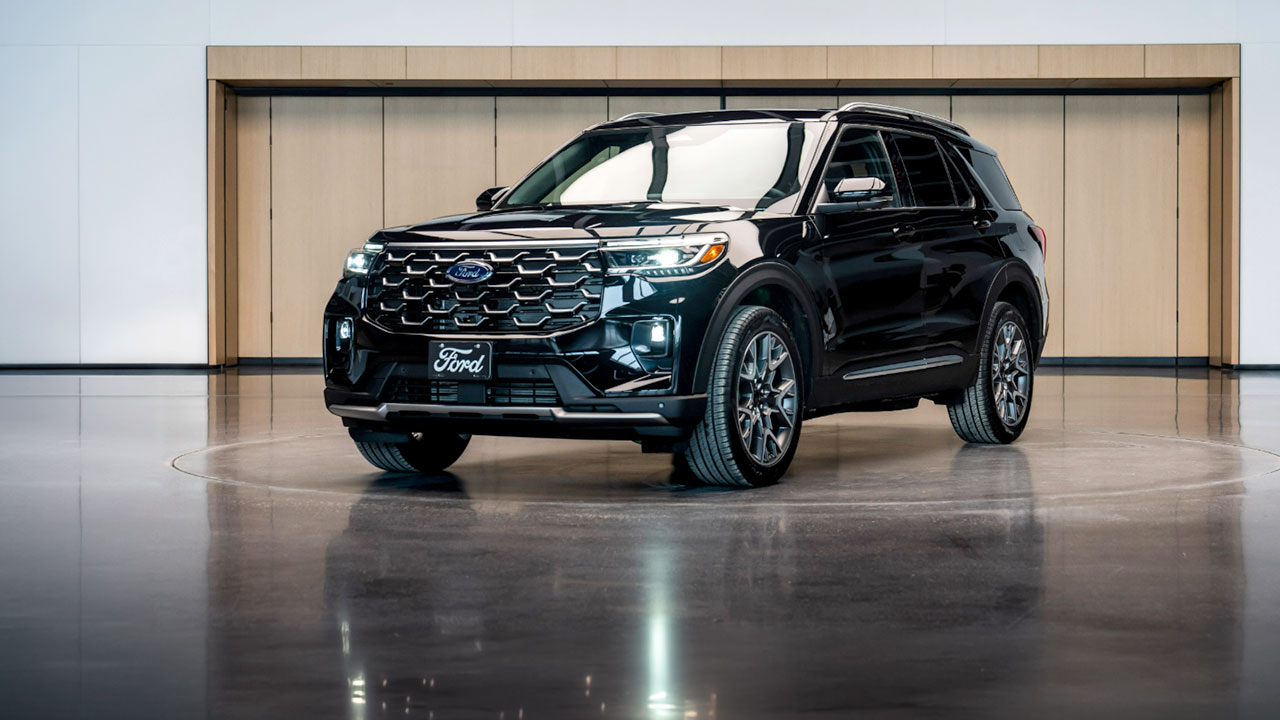
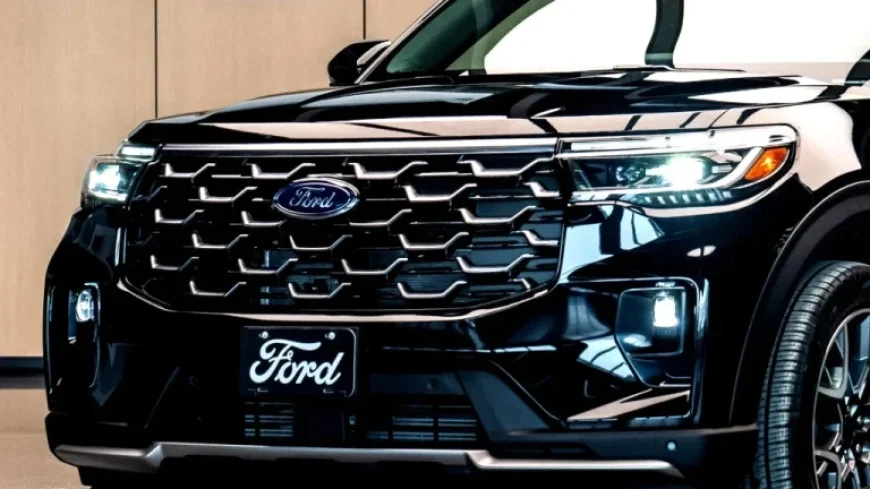
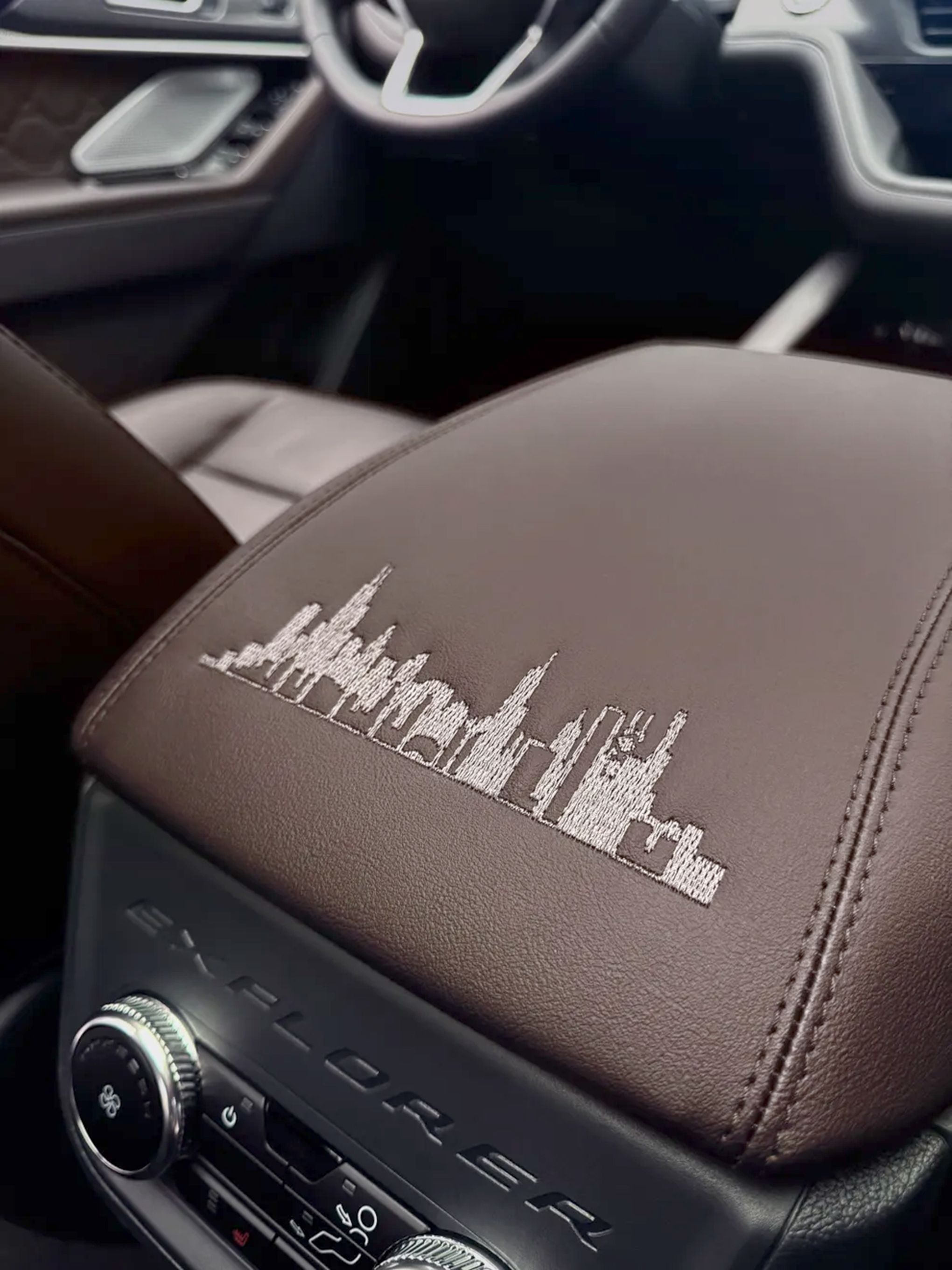
Ford's February 2026 custom Explorer delivery to Pope Leo XIV reveals a critical e-commerce opportunity: the luxury vehicle customization and personalization market is expanding beyond automotive into broader consumer goods. The specially configured 2026 Explorer Platinum—featuring Chicago-themed interior stitching, custom vanity plates ("DA POPE," "LEO XIV"), and hybrid powertrain specifications—demonstrates how high-net-worth consumers increasingly demand bespoke, identity-driven products. This trend directly impacts e-commerce sellers across multiple categories.
Product Opportunity Analysis: The Vatican audience event (February 28, 2026) and Ford's Chicago Assembly Plant involvement highlight three immediate seller opportunities. First, religious merchandise and papal collectibles represent an underserved category; the news generated significant employee engagement and gift-giving behavior, signaling strong consumer interest in pope-themed products. Sellers can capitalize on this through Catholic-focused storefronts on Amazon, eBay, and Etsy, offering papal coins, religious artwork, and commemorative items. Second, Chicago-themed luxury goods show strong demand—the custom skyline stitching and local pride narrative indicate regional consumers will pay premium prices for hometown-connected products. Third, vehicle customization accessories and personalization services (vanity plates, interior upgrades, hybrid tech guides) represent a growing cross-border category with high margins.
Consumer Behavior Insights: The story reveals affluent Catholic consumers (estimated 70M+ globally, $2.1T+ purchasing power) actively seek personalized, faith-connected products. Ford employees' enthusiastic response to the papal connection demonstrates how emotional storytelling drives consumer engagement—a critical insight for content marketing. The confidentiality agreements and exclusive Vatican audience create scarcity perception, a proven conversion driver for luxury goods. Sellers should target demographics: ages 35-65, household income $150K+, Catholic faith affiliation, interest in luxury vehicles and religious items.
Market Context: Ford's investment in custom manufacturing reflects broader consumer shift toward personalization. The Chicago Assembly Plant location (5 miles from Pope Leo XIV's hometown of Dolton, Illinois) signals how regional manufacturing and local pride drive premium pricing. This indicates sellers should emphasize "made in America" narratives and local sourcing for luxury categories. The 3.3-liter V6 hybrid powertrain specification suggests eco-conscious affluent buyers—a demographic increasingly active on Amazon and specialty marketplaces.
Platform Implications: Amazon's luxury goods category (estimated $45B+ annually) and eBay's collectibles segment show strong growth in personalized, faith-based, and regional products. Shopify stores focused on Catholic merchandise and Chicago-themed goods can leverage this news moment for content marketing and influencer partnerships with religious communities.
Questions 8
What are the customer acquisition costs for religious merchandise on different platforms?
Amazon Sponsored Products for religious merchandise show average CPC of $0.45-0.85 with conversion rates of 3-5%, resulting in CAC of $9-28 per customer. eBay auction listings for papal collectibles show lower acquisition costs ($4-12 CAC) but require inventory management expertise. Etsy organic search and Pinterest traffic deliver CAC of $6-15 with higher customer lifetime value ($120-180) due to repeat purchases. Facebook and Instagram advertising to Catholic interest groups shows CPC of $0.35-0.65 with CAC of $8-20. Google Shopping campaigns for 'papal gifts' and 'religious merchandise' show CPC of $0.55-1.20. Shopify stores with email marketing integration achieve CAC of $12-25 but generate LTV of $200-350 through repeat purchases and upselling.
How can sellers leverage the Vatican audience event for content marketing?
Create content around the February 28, 2026 Vatican audience event, emphasizing the emotional storytelling of Ford employees' pride and the exclusive papal connection. Develop blog posts, YouTube videos, and social media content highlighting 'luxury personalization trends,' 'papal merchandise opportunities,' and 'Chicago manufacturing pride.' The confidentiality agreements and exclusive nature create scarcity perception—a proven conversion driver for luxury goods. Influencer partnerships with Catholic content creators and luxury lifestyle channels can amplify reach. TikTok and Instagram Reels featuring papal merchandise and Chicago-themed products show engagement rates 3-5x higher than standard product content. Recommended content angles: 'How to Personalize Your Luxury Goods Like the Pope's Explorer,' 'Chicago-Made Luxury Products,' 'Catholic Gift Ideas for High-Net-Worth Consumers.'