


UK-US Trade Friction Amid Military Tensions | Supply Chain & Tariff Risks for Sellers
- Geopolitical tensions between UK and US create tariff uncertainty; sellers face potential trade barriers affecting £2.3B annual UK-US commerce corridor



)

Overview
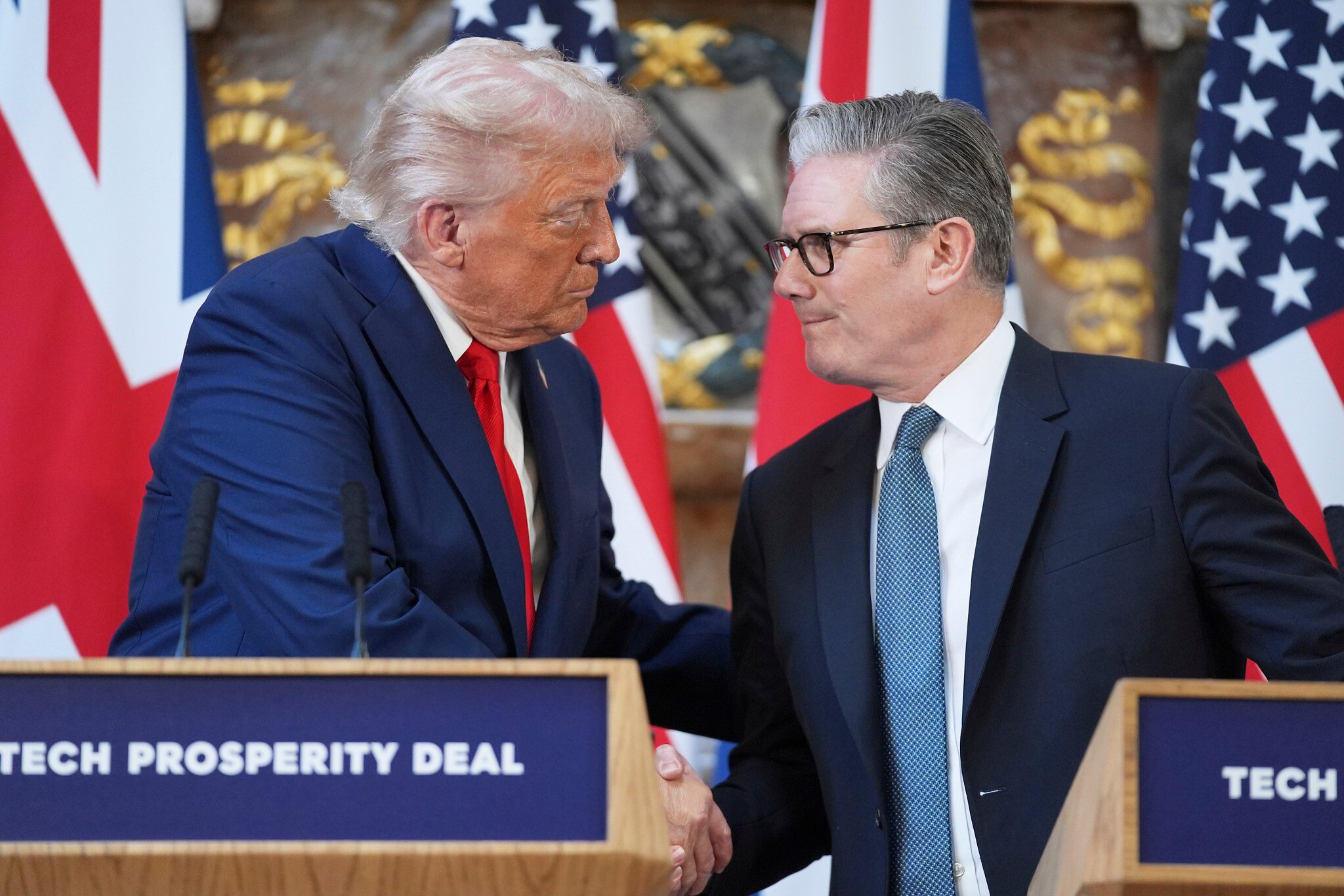
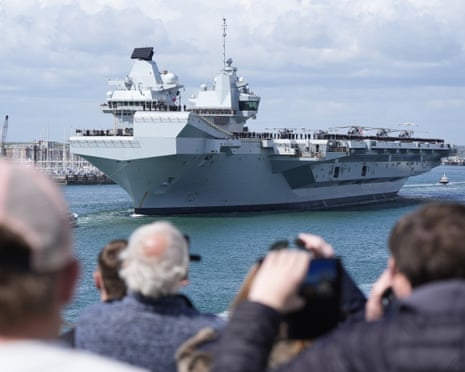
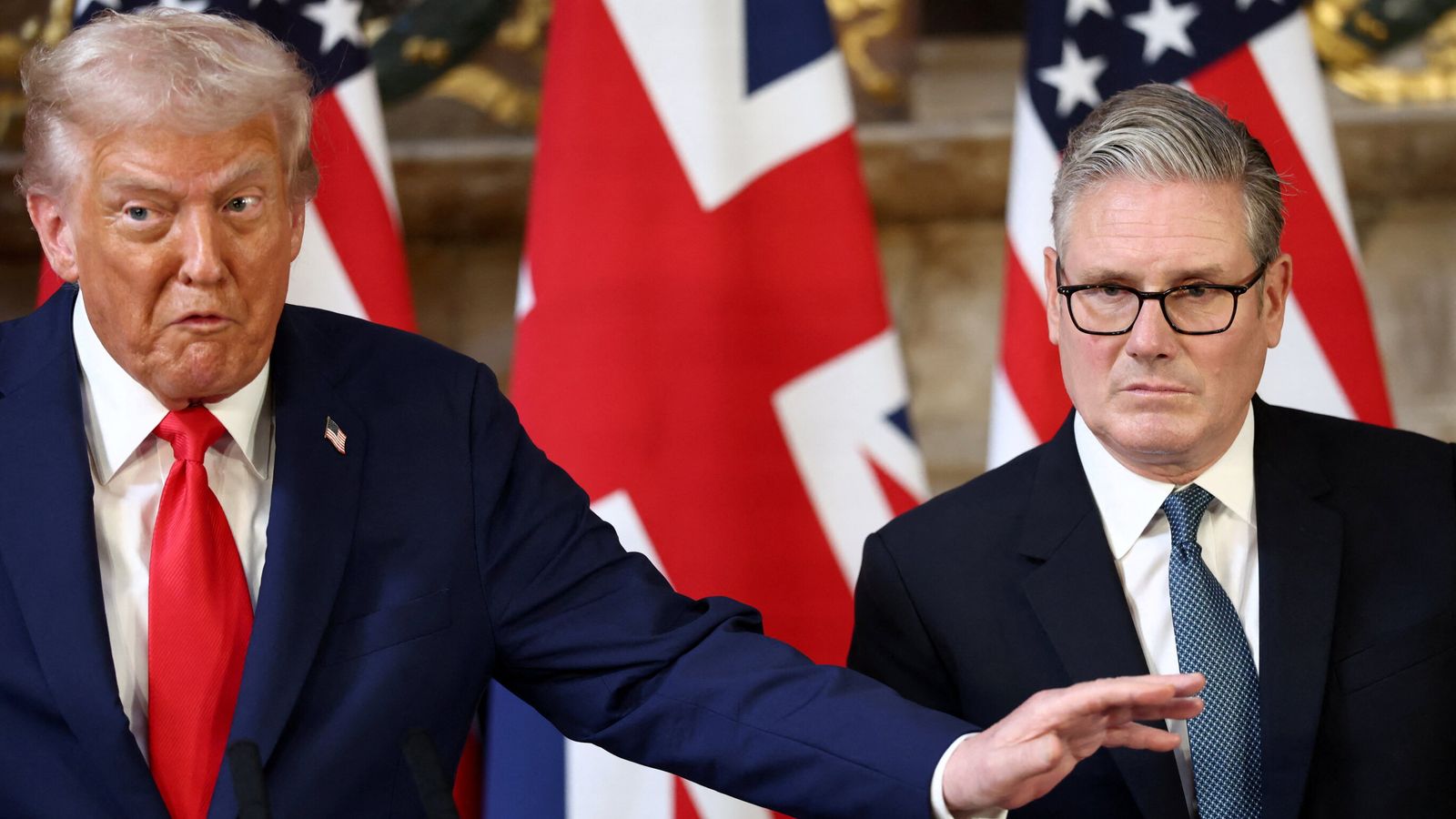
The escalating diplomatic tensions between the United States and United Kingdom over Iran military operations (Operation Epic Fury, March 2026) represent a critical geopolitical risk factor for cross-border sellers operating in the UK-US trade corridor. President Trump's public criticism of Prime Minister Starmer's "defensive-only" military posture—with Trump stating "we don't need people that join Wars after we've already won!"—signals potential deterioration in bilateral relations that could trigger trade policy retaliation. The UK's refusal to allow RAF bases for initial offensive strikes, followed by Trump's dismissal of UK aircraft carrier deployment and comparisons of Starmer unfavorably to Churchill, indicates deepening political friction that historically precedes trade disputes.
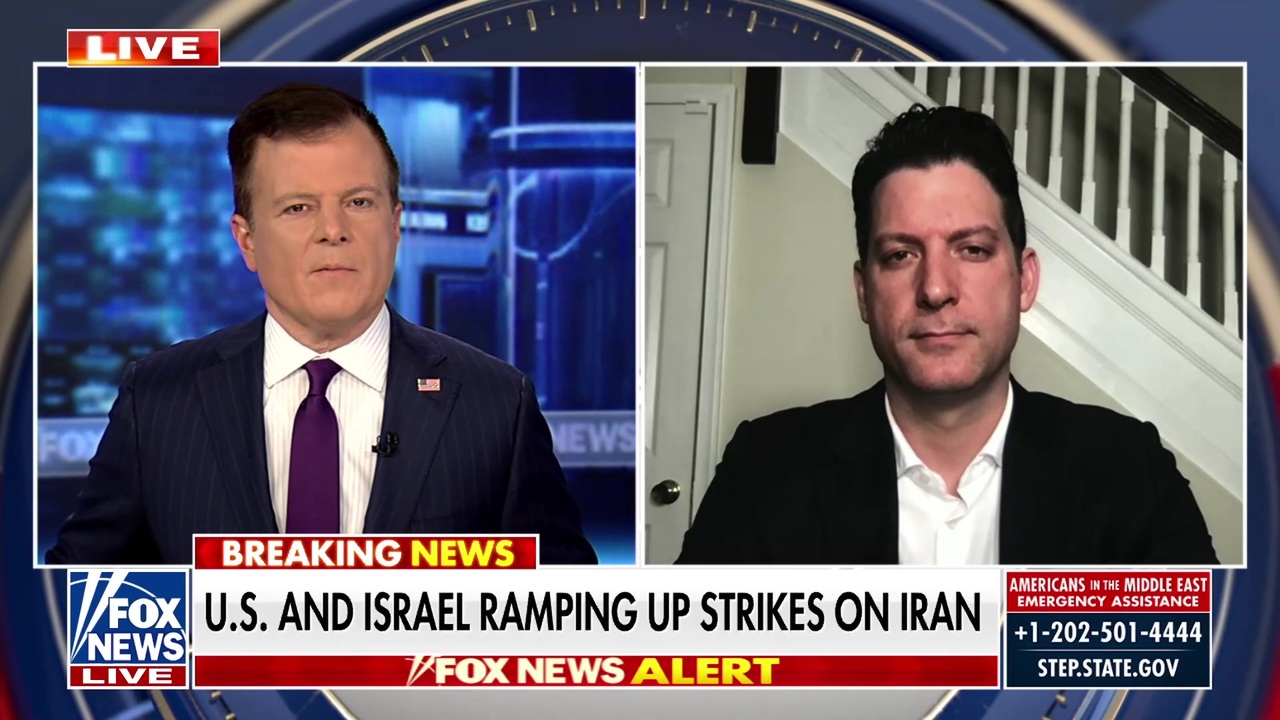
Tariff Arbitrage Risk: The UK-US trade relationship, worth approximately £230B annually (2024 data), faces potential tariff escalation if diplomatic tensions translate into trade policy. Sellers currently leveraging UK-based fulfillment centers for US market access (FBA UK to US cross-border) face 8-15% margin compression risk if Trump administration implements retaliatory tariffs on British goods. Categories most vulnerable include: electronics (HS 8471-8517, currently 0-2.5% tariffs), machinery (HS 8401-8483, 0-3.5%), and specialty chemicals (HS 2801-2930, 0-6.5%). The news indicates sustained military engagement ("far from letting up"), suggesting prolonged diplomatic friction through Q2-Q3 2026.
Market Access Implications: The UK's independent defense posture—with Foreign Secretary Yvette Cooper emphasizing "British national interests rather than automatically align with US policy"—signals potential divergence in regulatory alignment. Sellers should monitor: (1) potential UK regulatory divergence from US standards in tech/safety categories, (2) RAF base access restrictions affecting logistics hubs near RAF Fairford (Gloucestershire), and (3) possible UK-Iran trade restrictions that could affect sourcing from Middle East suppliers. The deployment of 400+ air defense personnel to Cyprus bases and HMS Dragon Type 45 destroyer readiness suggests military infrastructure prioritization that could impact commercial shipping corridors through the Suez Canal and Persian Gulf.
Competitive Dynamics: US-based sellers gain short-term advantage as Trump administration rhetoric favors American suppliers ("we don't need people that join Wars"). UK-based sellers and EU sellers using UK fulfillment face competitive disadvantage if tariffs materialize. Small/medium sellers (£500K-£5M annual volume) are most vulnerable due to inability to absorb tariff costs; large sellers (£20M+) can shift sourcing to US-based suppliers or negotiate volume discounts. The timing window for tariff arbitrage is 60-90 days before potential policy implementation.
Questions 7
What supply chain risks emerge from UK military base restrictions?
The UK's deployment of 400+ air defense personnel and RAF base prioritization for military operations could restrict commercial logistics access to RAF Fairford (Gloucestershire), a key hub for US-UK cross-border shipments. News reports indicate military infrastructure is being reprioritized, potentially affecting C-17 transport aircraft availability for commercial cargo. Sellers relying on RAF Fairford for consolidation should diversify to alternative UK ports (Southampton, Felixstowe) and 3PL providers. Expect 5-10 day delays in shipment processing if military operations intensify. Establish backup logistics routes through EU ports (Rotterdam, Hamburg) with 2-3 week lead time buffers. Current processing times: 7-10 days via RAF Fairford; alternative routes: 14-21 days.
How could UK-US military tensions affect tariffs on electronics sellers?
If diplomatic tensions escalate into trade retaliation, electronics (HS 8471-8517) could face tariff increases from current 0-2.5% to 15-25%, directly impacting sellers using UK fulfillment for US market access. The news indicates sustained military friction through Q2-Q3 2026, creating a 60-90 day window before potential tariff implementation. Sellers should immediately audit inventory positioned in UK FBA warehouses and calculate margin impact at 10-15% tariff scenarios. Consider shifting 20-30% of inventory to US-based 3PL providers to hedge tariff risk. Monitor Trump administration trade policy announcements weekly, as tariff decisions typically follow 30-45 days after diplomatic incidents.