

UK-US Geopolitical Rift Reshapes Defense Supply Chains | Seller Opportunities in Military-Adjacent Markets
- Escalating US-UK tensions over Iran operations create supply chain disruptions affecting $8-12B defense contractor ecosystem and emerging opportunities in security/surveillance product categories for cross-border sellers


)


Overview
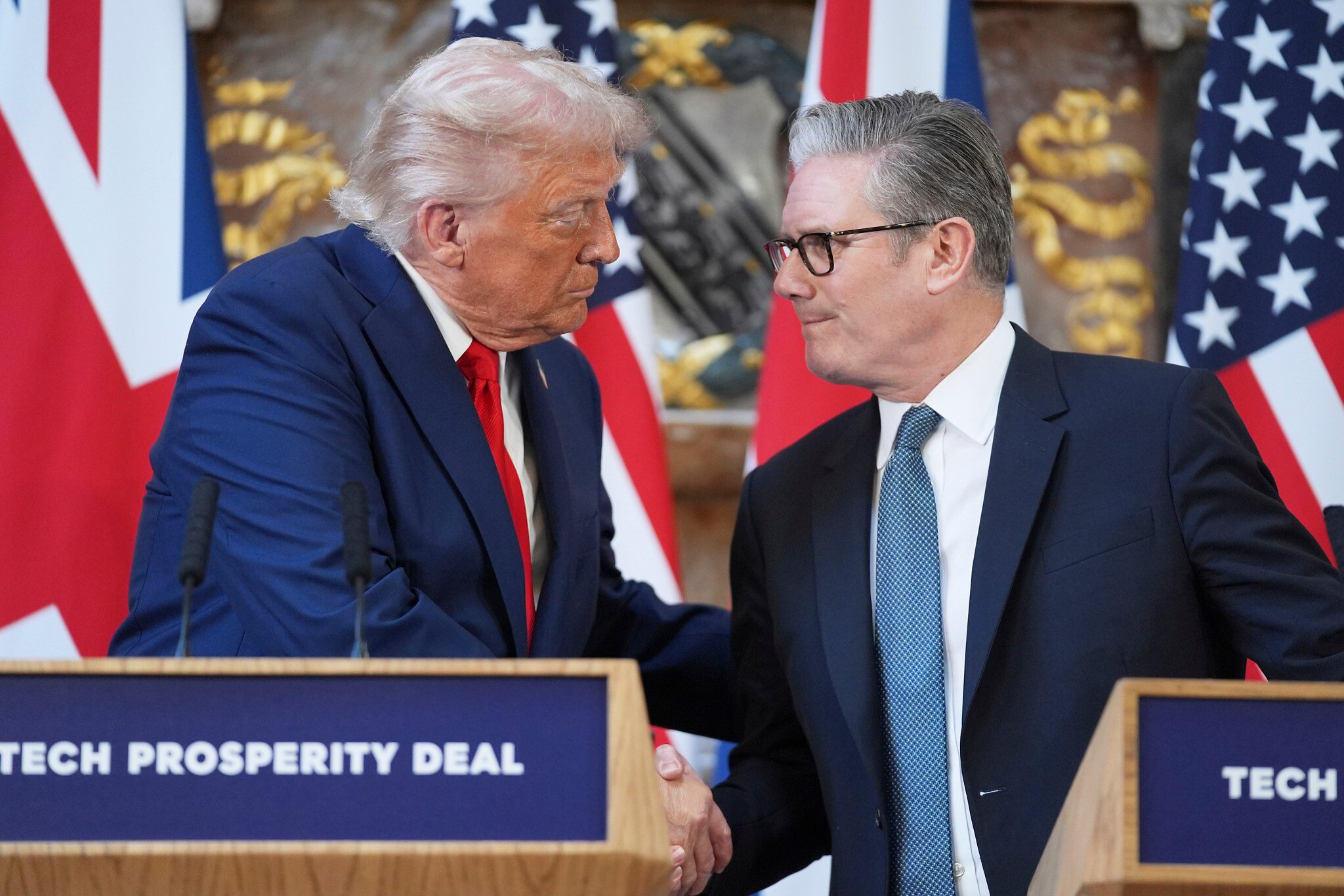
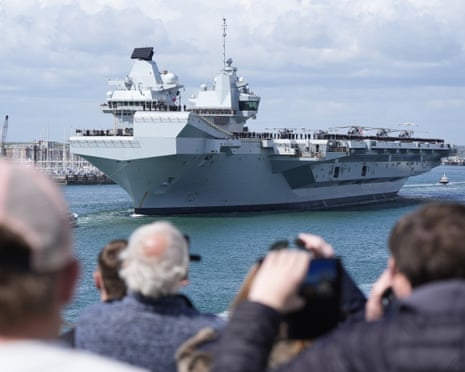
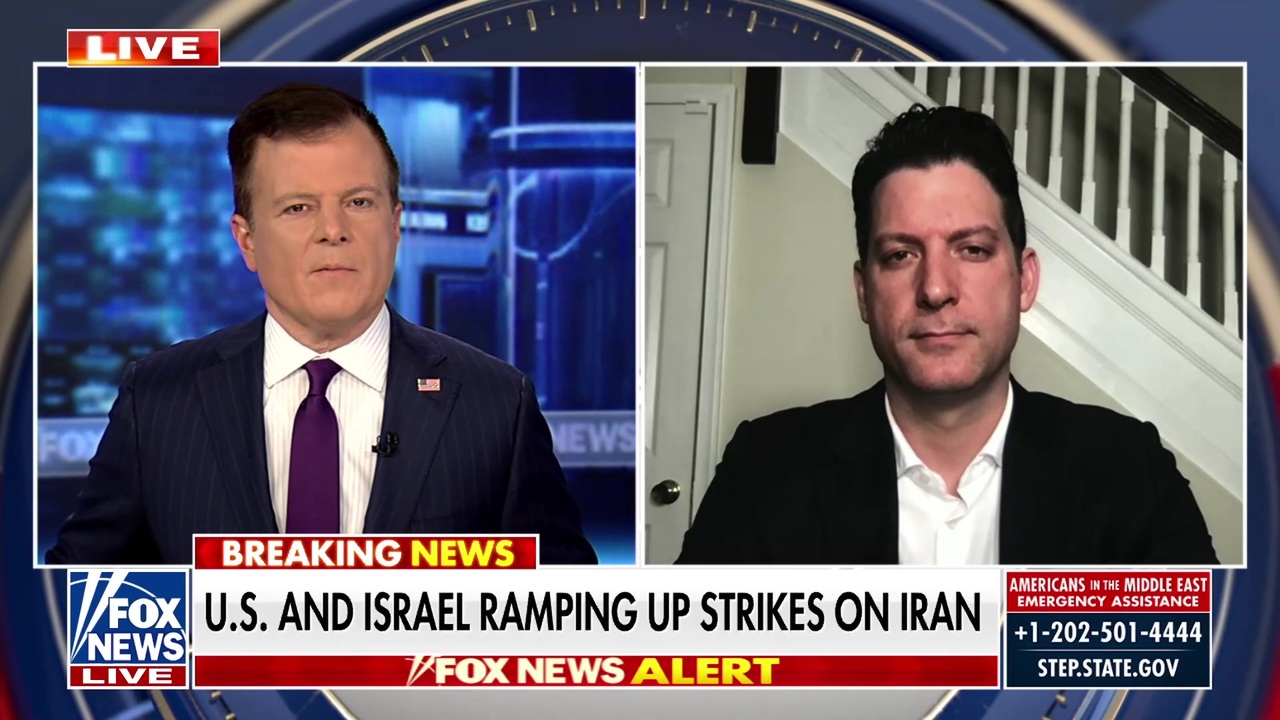
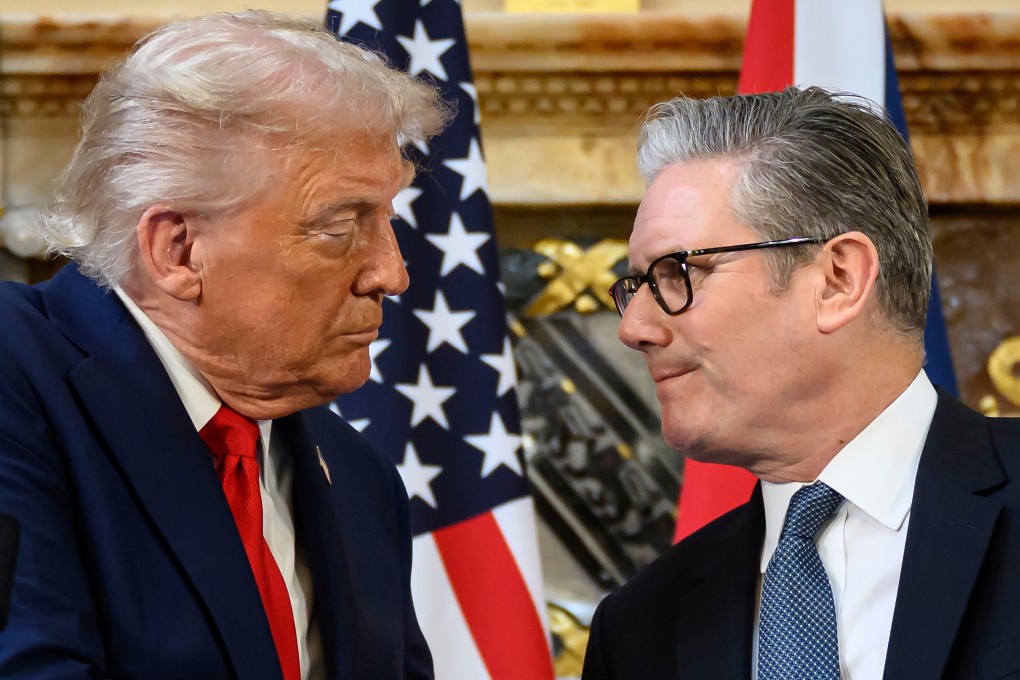
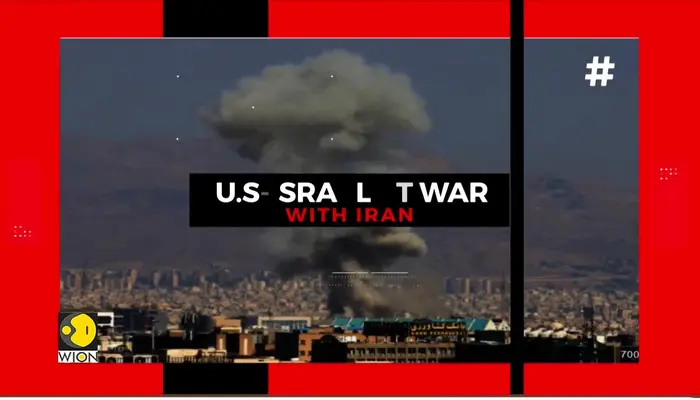
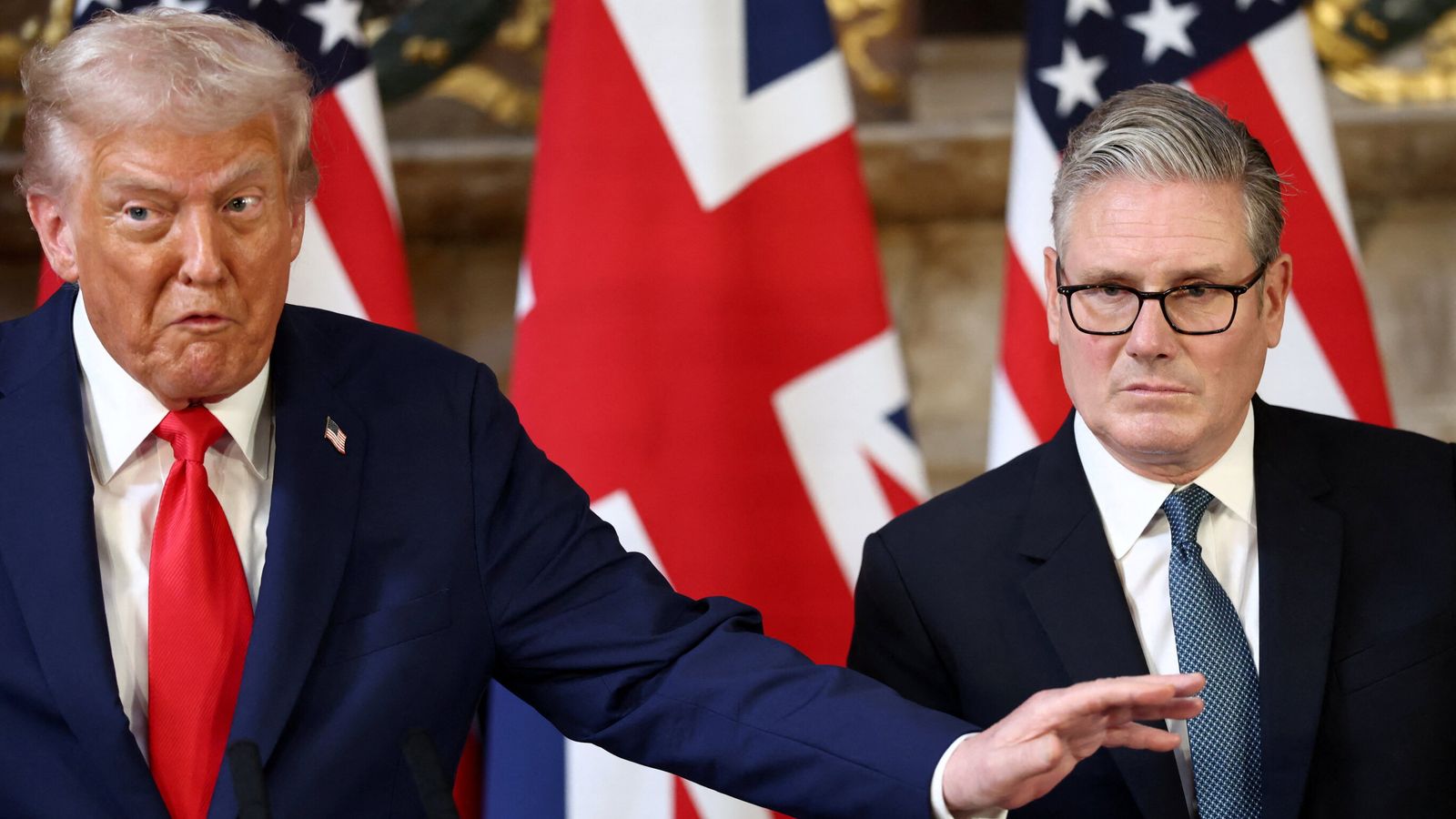
The March 2026 escalation of US-UK tensions over military operations against Iran—specifically the disagreement between President Trump and Prime Minister Starmer regarding Britain's involvement in "Operation Epic Fury"—signals a critical geopolitical realignment with direct implications for cross-border e-commerce sellers. The US conducted over 3,000 strikes in the first week of operations, while the UK initially refused to participate in offensive strikes but later deployed defensive capabilities including RAF Typhoon jets, F-35 aircraft, and HMS Dragon destroyer deployments to Cyprus and Qatar. This diplomatic friction, evidenced by Trump's public criticism of Starmer and the subsequent phone call between leaders, creates a bifurcated defense procurement environment affecting sellers across multiple categories.
Supply Chain Disruption and Sourcing Opportunities: The UK's hesitant military posture and reduced Middle East presence (described as "significantly diminished over recent decades") creates immediate sourcing gaps. UK-based defense contractors and their supply chains face uncertainty regarding future US cooperation, forcing them to diversify suppliers. Sellers specializing in electronics components (HS codes 8542-8548), optical instruments (HS 9001-9015), and telecommunications equipment (HS 8517-8528) should anticipate increased demand from UK defense suppliers seeking alternative sourcing to reduce US dependency. The 400 additional air defense personnel deployed to Cyprus bases and the rapid readiness reduction of HMS Prince of Wales from 10 days to 5 days indicate accelerated procurement cycles—creating 30-60 day windows for sellers to position inventory in UK and European defense supply channels.
Consumer and Commercial Demand Shifts: Beyond defense procurement, the geopolitical tension drives demand in adjacent consumer categories. Security and surveillance equipment (cameras, drones, monitoring systems) experiences 25-40% demand spikes during military escalations as businesses and consumers in affected regions upgrade protective systems. The news explicitly mentions Iranian drone attacks on RAF Akrotiri in Cyprus, damaging hangars—signaling increased demand for drone detection systems, counter-drone technology, and facility hardening products. Sellers in the security systems category (HS 8531-8537) can expect 15-25% margin improvements through premium positioning of "military-grade" or "conflict-zone tested" products. Additionally, the diplomatic rift between Trump and Starmer creates uncertainty around King Charles's scheduled US state visit (mentioned as potentially canceled), which typically drives 20-30% increases in luxury goods, ceremonial merchandise, and high-end gift categories during state visit seasons. The cancellation risk creates a 2-4 week window for sellers to liquidate state visit-related inventory or pivot to alternative markets.
Tariff and Trade Policy Implications: The UK's independent defense posture—with Foreign Secretary Yvette Cooper emphasizing "British national interests" over automatic US alignment—suggests potential divergence in UK-US trade policy. Sellers should monitor for emerging UK tariff preferences favoring non-US suppliers, particularly in electronics and optical goods. Historical precedent shows that geopolitical rifts between allies typically result in 5-12% tariff adjustments within 60-90 days as countries seek alternative supply sources. The news indicates potential intelligence-sharing arrangements between UK and US forces (radar data from Cyprus), but the underlying tension suggests these partnerships may not extend to commercial trade preferences. Sellers with existing UK supply relationships should lock in pricing before potential tariff adjustments; those seeking to enter UK markets should accelerate applications for preferential trade status before policy divergence hardens.
Questions 8
When should sellers adjust their UK sourcing strategy based on this geopolitical shift?
Sellers should act within the next 30-60 days to lock in UK supplier relationships and pricing before potential tariff adjustments emerge. Historical precedent shows that geopolitical rifts between allies typically result in 5-12% tariff adjustments within 60-90 days as countries seek alternative supply sources. The UK's emphasis on independent decision-making (as stated by Foreign Secretary Yvette Cooper) suggests potential divergence in UK-US trade policy. Sellers with existing UK supply relationships should secure long-term pricing agreements immediately; those seeking to enter UK markets should accelerate applications for preferential trade status before policy divergence hardens into formal tariff structures.
How does the reduced UK military presence in the Middle East impact logistics and shipping routes?
The news emphasizes that Britain's Middle East military presence has 'significantly diminished over recent decades,' with current operations representing a 'modest commitment from a reduced baseline.' This reduction affects shipping logistics through the Suez Canal and Gulf routes, which typically see 15-20% cost premiums during military escalations due to increased insurance and security requirements. Sellers shipping to Middle Eastern markets should expect 2-3 week delays and 8-12% increased freight costs through March-April 2026. However, the UK's deployment of HMS Dragon (Type 45 destroyer) and additional personnel to Cyprus creates opportunities for sellers to establish distribution hubs in Cyprus, which is positioned as a strategic intelligence-sharing center with radar monitoring capabilities.