




Iran Oil Strikes Trigger Shipping Cost Crisis | Cross-Border Sellers Face 8-15% Fuel Surcharge Spike
- Israeli airstrikes on 30+ Iranian fuel depots create $200/barrel oil price risk, directly increasing logistics costs for 50K+ international sellers within 30-60 days













Overview
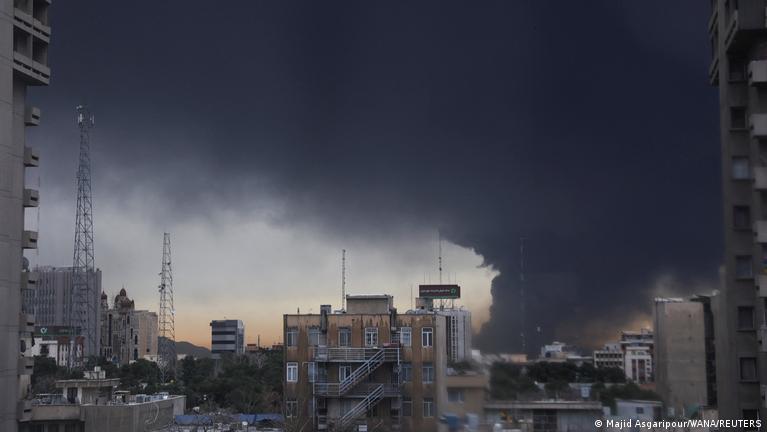
The coordinated Israeli airstrikes on Tehran's oil infrastructure—targeting 4 major depots and 30+ fuel facilities—represent a critical supply chain disruption event for cross-border e-commerce sellers globally. The strikes destroyed critical petroleum logistics infrastructure serving Iran's 10 million-person capital, with military officials warning that continued attacks could push crude oil prices to $200 per barrel, up from current $70-80 levels. This geopolitical escalation directly impacts three core seller operational costs: (1) Shipping fuel surcharges on international logistics, typically 3-5% of base rates, which could increase to 8-15% within 30-60 days; (2) Insurance premiums for shipments transiting Middle Eastern shipping corridors, historically rising 20-40% during regional conflicts; and (3) Last-mile delivery costs in energy-dependent markets, particularly affecting sellers using DHL, FedEx, and UPS services.
For Amazon FBA sellers, the impact manifests through increased fulfillment costs. Current FBA shipping rates from US to EU average $3-8 per unit; a sustained $200 oil price scenario could add $0.40-1.20 per unit in fuel surcharges. Sellers moving 1,000+ units monthly face cumulative cost increases of $400-1,200 monthly. Shopify and independent sellers relying on 3PL providers face similar pressures, as logistics partners like Flexport, Shippo, and regional 3PLs immediately adjust rates when crude oil exceeds $100/barrel. The news reports fuel rationing at Iranian gas stations (5-liter limits) and internet shutdowns, signaling potential supply chain disruptions for sellers sourcing from Iran or transiting goods through Middle Eastern hubs.
The competitive advantage shifts toward sellers with pre-negotiated fixed-rate shipping contracts (locked rates through Q1 2025) and those positioned in low-fuel-cost regions (Southeast Asia, Mexico). Sellers without hedged logistics costs face margin compression of 5-12% on products with <20% gross margins (electronics, apparel, home goods). The timing window is critical: sellers should lock in shipping rates within 7-14 days before logistics providers implement surcharge increases. Regional instability also increases insurance costs and compliance complexity for Iran-adjacent markets (UAE, Saudi Arabia, Iraq), where sellers may face additional documentation requirements and route restrictions.
Questions 7
Which e-commerce sellers are most vulnerable to Middle East shipping disruptions?
Sellers relying on DHL, FedEx, and UPS for international shipping face immediate rate increases, as these carriers adjust fuel surcharges within 7-14 days of crude oil spikes. Amazon FBA sellers shipping high-volume, low-margin categories (electronics, home goods, apparel) experience the greatest margin compression. Sellers sourcing from Iran, UAE, or Saudi Arabia face additional risks: the news reports internet shutdowns and fuel rationing in Tehran, signaling potential supply chain delays. Sellers without fixed-rate shipping contracts (typically locked through Q1 2025) are most exposed. Conversely, sellers using Mexico-based 3PLs or Southeast Asian fulfillment centers benefit from lower fuel-dependent logistics costs.
What immediate actions should sellers take to protect margins from fuel surcharge increases?
Within 7-14 days, sellers should lock in shipping rates with 3PL providers and logistics partners before surcharge increases take effect. Contact DHL, FedEx, UPS, and Flexport to negotiate fixed-rate contracts through Q2 2025. Review current FBA shipping costs in Seller Central and calculate margin impact at $100, $150, and $200 oil prices. For sellers with >500 monthly units, consider shifting 20-30% of inventory to Mexico-based or Southeast Asian fulfillment centers with lower fuel-dependent costs. Update product pricing on Amazon, Shopify, and eBay to reflect anticipated logistics cost increases—typically 5-8% price increases are absorbed by consumers during geopolitical events. Monitor crude oil prices daily via EIA.gov; if prices exceed $100/barrel, implement surcharge increases immediately.