


Measles Resurgence: How Airport Exposures Reveal Critical Public Health Vulnerabilities
- Unvaccinated Travelers Become Primary Vector for Nationwide Disease Transmission






Overview
The United States is confronting a critical public health inflection point as measles outbreaks expose systemic vulnerabilities in vaccination protocols and disease prevention strategies. With 2,065 confirmed cases across 45 states, the current epidemic represents more than a medical challenge—it signals a profound breakdown in collective immunological defense mechanisms.
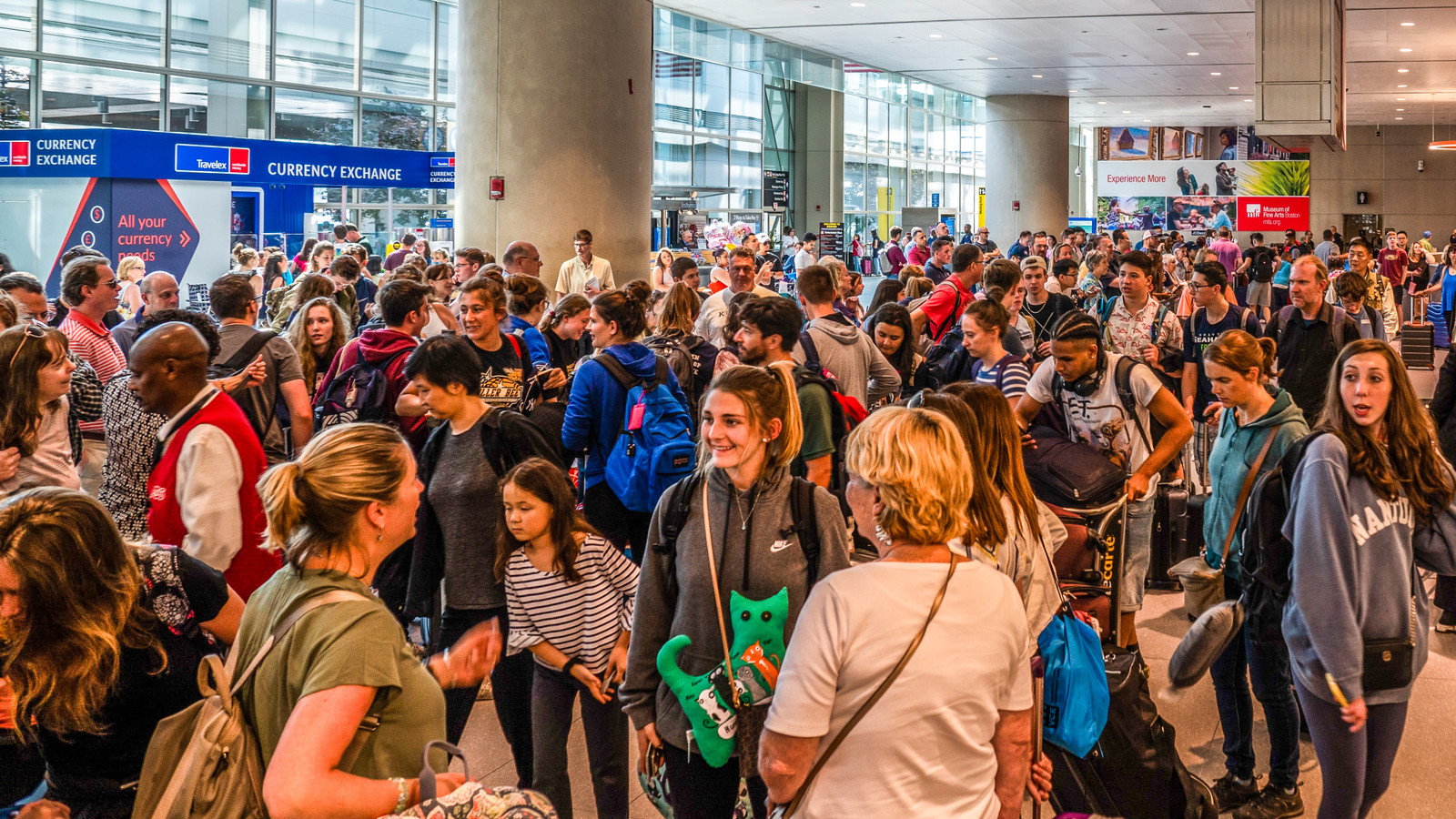
Airport transmission vectors have emerged as particularly dangerous conduits for viral spread. The recent incidents at Newark Liberty International Airport and Boston Logan International Airport highlight how a single infected traveler can potentially expose thousands during peak holiday travel periods. The virus's extraordinary characteristics make it especially threatening: measles can linger in the air for up to two hours after an infected person leaves an area, creating invisible transmission zones in high-traffic transit environments.
The underlying dynamics are deeply concerning. Declining vaccination rates have systematically eroded the herd immunity carefully built over decades. The CDC's recent decision to discontinue recommending the MMRV vaccine for children under four represents a potential policy misstep that could accelerate viral transmission. This context transforms the measles outbreak from an isolated medical issue into a complex systemic risk.
For cross-border travelers and public health professionals, these developments demand immediate strategic recalibration. The combination of reduced immunization coverage, increased international mobility, and evolving vaccination guidelines creates a perfect environment for viral resurgence. The United States, which had previously celebrated eliminating measles 25 years ago, now faces a critical inflection point in managing infectious disease prevention.
The economic and social implications extend far beyond immediate health concerns. Travel infrastructure, international mobility, and public health systems are being stress-tested in real-time, revealing critical gaps in current prevention protocols.
Questions 3
How serious is the current measles outbreak in the United States?
The outbreak is extremely serious, with 2,065 confirmed cases across 45 states as of December 30th, marking the highest infection rate in three decades. The CDC warns that unvaccinated individuals are at highest risk, and the virus can remain airborne for up to two hours, creating significant transmission risks.
What makes airport transmission particularly dangerous?
Airports represent high-density transmission zones where a single infected traveler can potentially expose thousands of people. With 8.03 million travelers during the holiday season and measles' ability to linger in the air for two hours, airports become critical viral transmission points.