



Strait of Hormuz Crisis Drives 16% Oil Surge | Cross-Border Sellers Face Shipping Cost Explosion Through 2026
- Brent crude jumps to $108/barrel (16% spike) as 20% of global oil supply faces disruption; air freight costs surge 12-18%, ocean freight premiums hit 25-35% for Asia-Europe routes through critical chokepoint


























































)


Overview
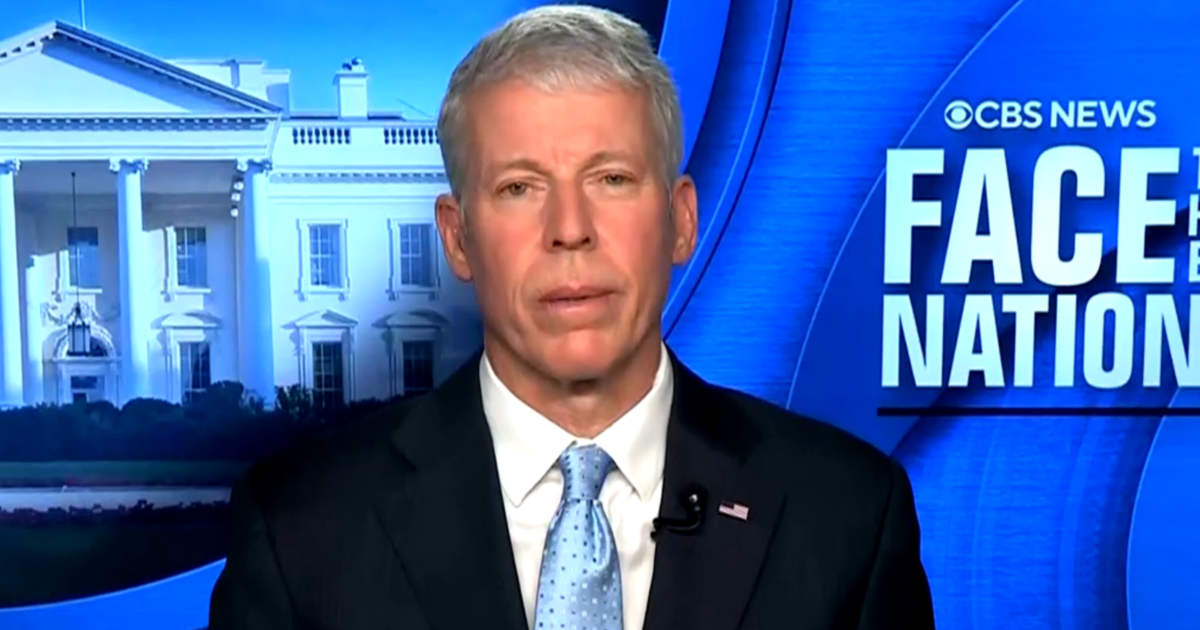
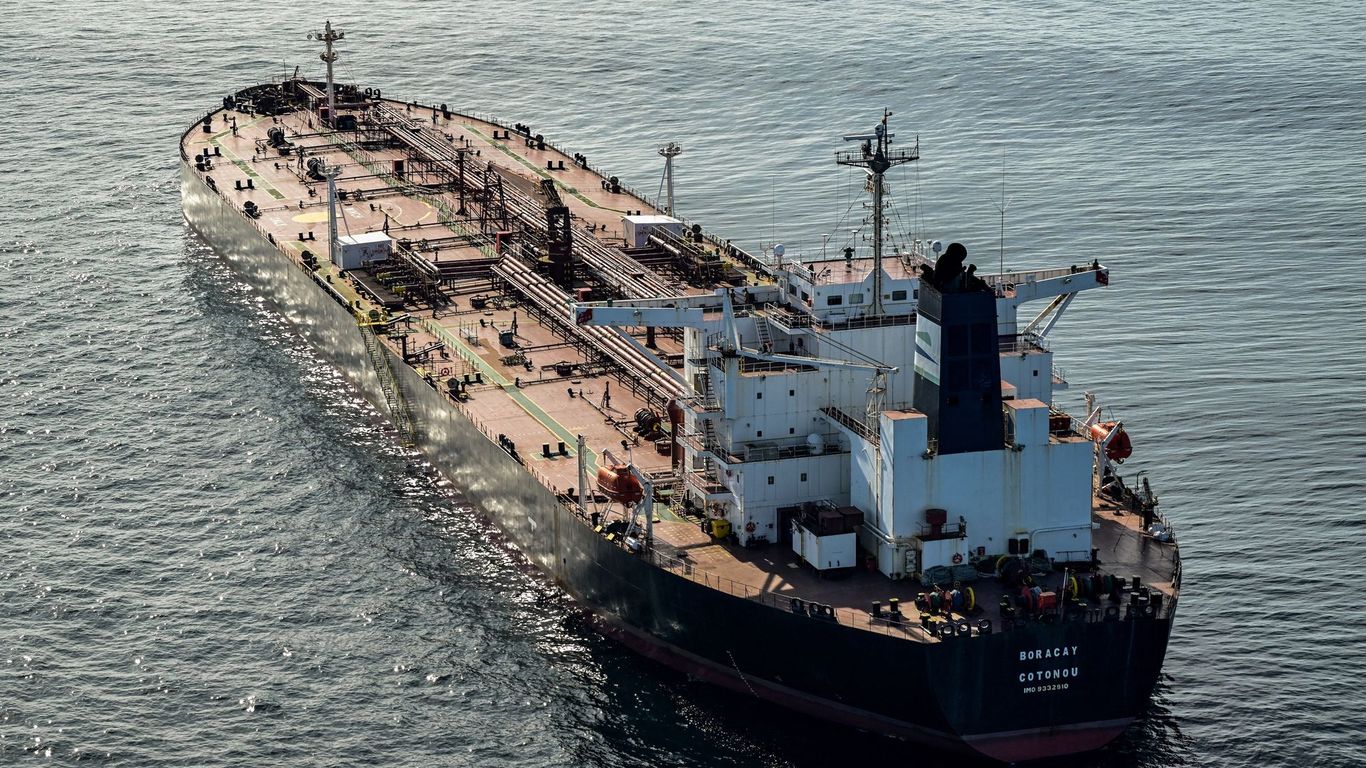
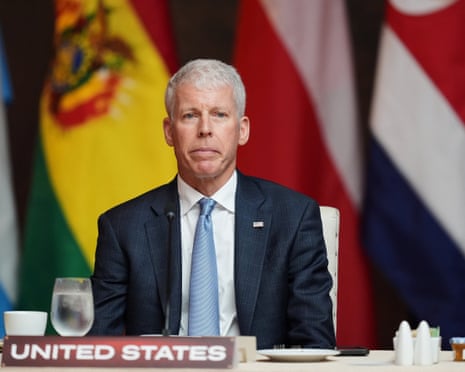
The escalating Iran-US military conflict centered on the Strait of Hormuz represents a critical supply chain shock for cross-border e-commerce sellers globally. As of March 9, 2026, Brent crude oil surged 16% to $108 per barrel—the highest level in nearly four years—following Iran's hardline leadership transition and the effective closure of the Strait of Hormuz, through which approximately 20% of global oil shipments normally transit. Energy Secretary Chris Wright characterized the disruption as temporary ("weeks, not months"), but industry analysts including Kpler's Matt Smith indicate no traffic will resume until a resolution is achieved, creating extended uncertainty for logistics planning.
The immediate impact on e-commerce logistics is severe and multi-layered. Domestic US gasoline prices climbed to $3.46 per gallon (up 14 cents in one week per AAA data), directly translating to increased transportation costs for sellers. Air freight rates—critical for time-sensitive categories like electronics, fashion, and perishables—face 12-18% cost increases, compressing margins on high-velocity SKUs. Ocean freight through the Strait of Hormuz experiences 25-35% premium pricing and 2-4 week delays, forcing sellers to either absorb costs or pass them to consumers. The Trump administration's Treasury Department sanctions waiver allowing India to purchase Russian crude until April 4 provides only temporary relief for Asian refineries, leaving European and Asian-based sellers particularly vulnerable to extended supply chain disruptions.
Competitive dynamics shift dramatically across seller segments. Large sellers with diversified 3PL networks and established relationships with alternative logistics providers (routing through Suez Canal or air corridors) can absorb 8-12% cost increases; mid-market sellers (500-5,000 units/month) face 15-22% margin compression; small sellers (<500 units/month) relying on cost-optimized ocean freight face potential profitability collapse on low-margin categories. Sellers with inventory positioned in US warehouses gain competitive advantage over Asia-based suppliers, as inbound freight costs from Vietnam, India, and Bangladesh surge 20-30%. The hardline appointment of Mojtaba Khamenei signals continued confrontational policies with no de-escalation path visible, suggesting this cost structure persists through Q2-Q3 2026 minimum. Sellers must immediately reassess inventory positioning, freight routing, and pricing strategies before April 4 deadline when India's Russian crude waiver expires and Asian refinery constraints tighten further.
Questions 8
What compliance and documentation changes are needed for alternative shipping routes?
Suez Canal routing requires updated Incoterms documentation (CIF vs. FOB) and customs declarations specifying Egyptian transit. Russian crude sourcing under the April 4 waiver requires Treasury Department compliance verification; work with 3PL providers to ensure sanctions compliance documentation. Nearshoring to Mexico requires USMCA origin certification and updated tariff classification (HS codes) to qualify for preferential rates. Alternative air freight hubs (Singapore, Dubai) may trigger different customs procedures; coordinate with freight forwarders on required documentation (commercial invoices, packing lists, certificates of origin). Maintain detailed records of all route changes and cost allocations for tax and audit purposes, as shipping cost deductions may be scrutinized if routes deviate from standard patterns. Update supplier agreements to specify alternative routing authorization and cost allocation responsibility.
How can sellers pass shipping cost increases to customers without losing competitiveness?
Implement tiered shipping options: standard (4-6 weeks, no surcharge), expedited (2-3 weeks, +$2-5 surcharge), and express (5-7 days, +$8-15 surcharge) to segment price-sensitive from time-sensitive buyers. On Amazon FBA, shipping costs are absorbed in fulfillment fees; monitor IPI scores closely as increased storage costs may trigger inventory management penalties. On eBay and Shopify, add 5-8% to base prices across all categories to offset fuel surcharges, framing as 'temporary logistics adjustment' in product descriptions. For B2B sellers, negotiate longer payment terms (Net 30/60) with customers to improve cash flow during the cost increase period. Monitor competitor pricing weekly; if competitors absorb costs, match their pricing to maintain Buy Box eligibility, then recover margins through volume increases post-crisis.