




Espionage Reimagined: The Night Manager's Global Transformation of Spy Narratives
- A sophisticated reinvention of international thriller storytelling through character complexity and visual narrative






















Overview
The Night Manager represents a pivotal moment in contemporary spy storytelling, transcending traditional genre boundaries through its nuanced exploration of identity, performance, and international intrigue. At its core, the series demonstrates how narrative complexity can redefine the espionage genre by focusing on psychological transformation rather than mere action sequences.
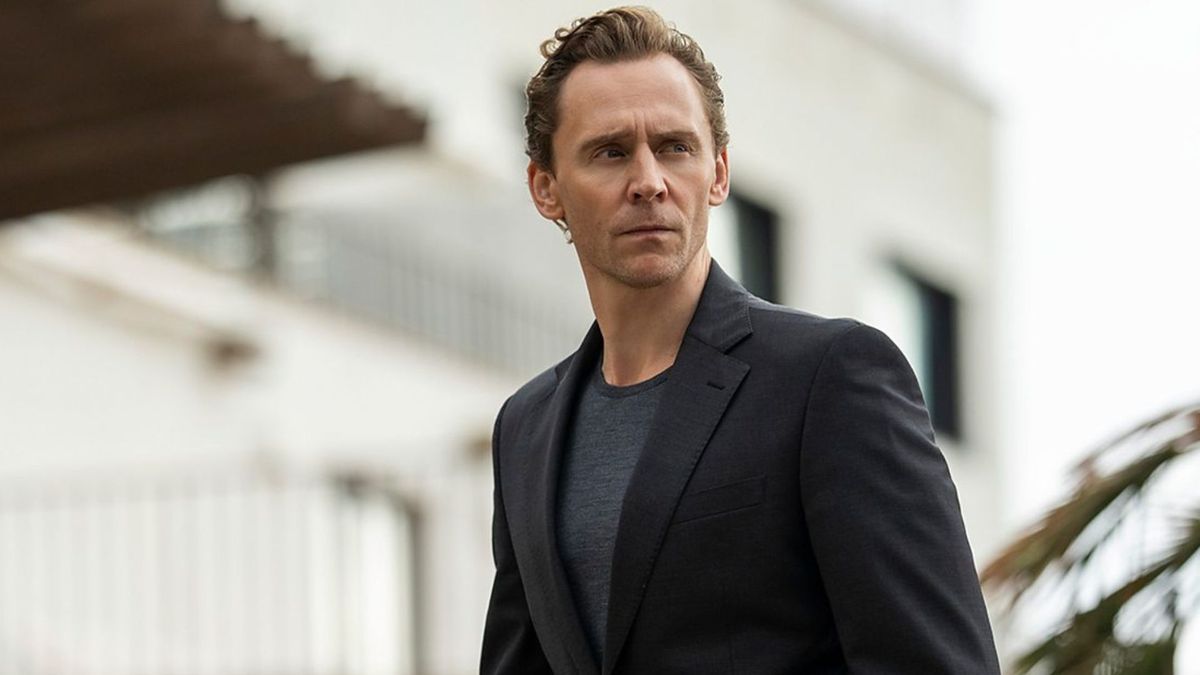
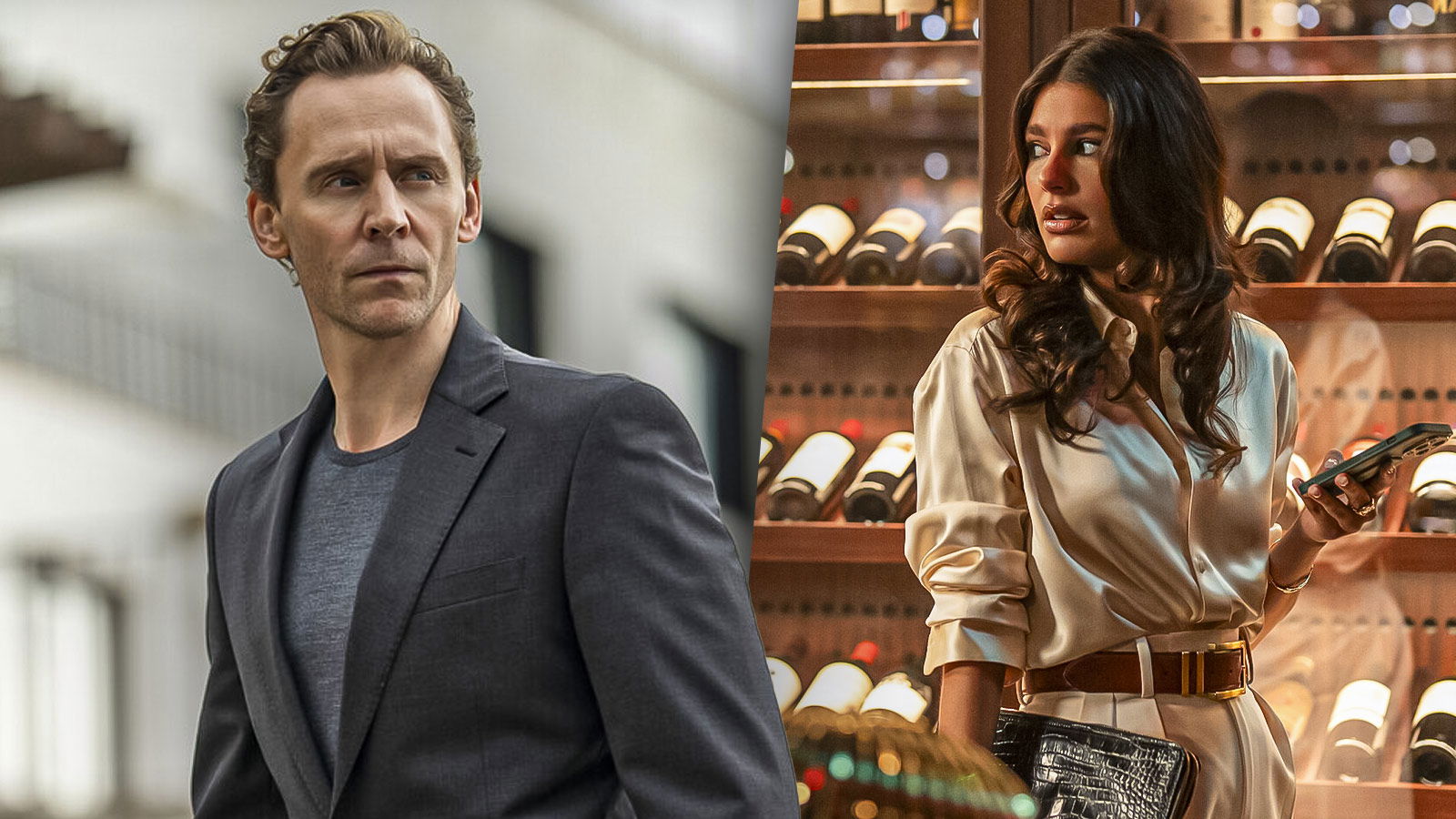
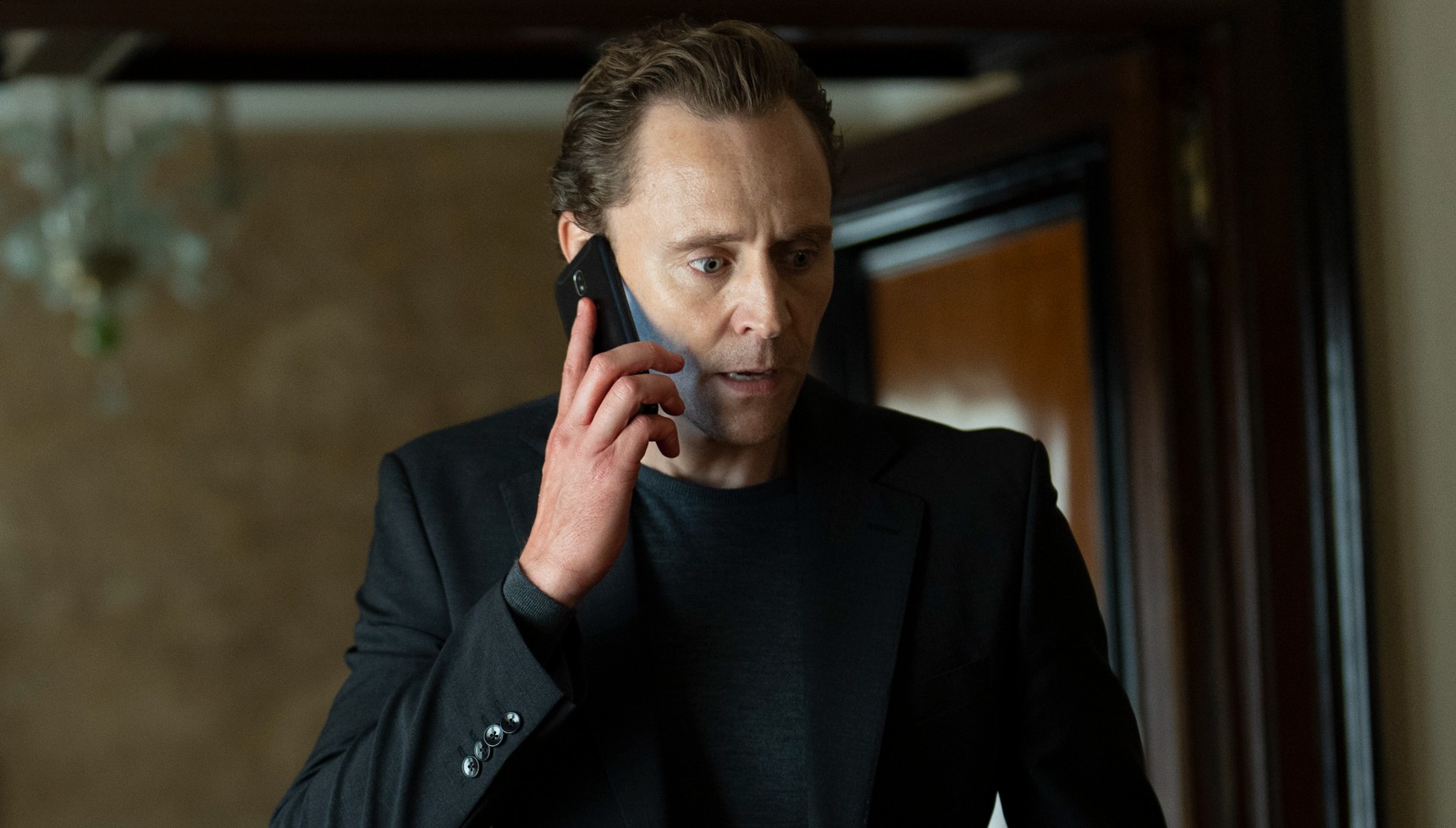
Tom Hiddleston's Jonathan Pine emerges as a masterclass in character metamorphosis, navigating multiple personas across international landscapes. From his MI6 counterterrorism surveillance role to his chameleon-like adaptability, Pine represents a new archetype of the modern spy—less about physical combat and more about psychological infiltration. The transition from London's subdued surveillance aesthetic to Colombia's vibrant, entrepreneurial landscape becomes a metaphorical journey of identity reconstruction.
The series' most compelling innovation lies in its approach to character development through visual storytelling. Costume designer Oliver Cronk transforms wardrobe into a narrative device, using clothing as a language of psychological adaptation. Pine's sartorial evolution—from navy Savile Row suits signaling professional restraint to open-collar shirts and clear-rimmed sunglasses representing dynamic reinvention—becomes a sophisticated commentary on identity as performance.
By introducing Teddy Dos Santos, a sophisticated arms dealer with complex geopolitical connections, the narrative expands beyond traditional spy tropes. The character represents a nuanced antagonist who challenges simplistic good-versus-evil narratives, reflecting the morally ambiguous landscape of contemporary global conflicts. This approach signals a mature storytelling strategy that treats international intrigue as a complex ecosystem of relationships and motivations.
The series' strategic pivot from adapting John le Carré's original novel to an original narrative crafted by David Farr demonstrates remarkable creative confidence. By maintaining the original's intense character dynamics while introducing fresh geographical and psychological territories, The Night Manager establishes itself as a genre-evolving narrative that respects audience intelligence and craves narrative complexity.
Questions 3
What makes Jonathan Pine's character unique in spy narratives?
Pine represents a modern spy archetype focused on psychological infiltration rather than physical confrontation. His ability to seamlessly adopt multiple personas across different cultural contexts—from London's surveillance world to Colombia's entrepreneurial landscape—demonstrates a sophisticated approach to undercover work.
How does costume design contribute to the storytelling in The Night Manager?
Costume designer Oliver Cronk uses wardrobe as a narrative language, with each outfit communicating Pine's psychological state and professional role. The transition from structured Savile Row suits to more dynamic Colombian attire symbolizes his character's adaptability and inner transformation.