


Apple Ultra Premium Strategy 2026 | High-Margin Reseller Opportunity
- Apple launches $2,000 foldable iPhone, MacBook Ultra with OLED touchscreen, and AI-powered AirPods in Q4 2026; creates 20-30% margin premium for authorized resellers in Asia-Pacific and EU markets
























Overview
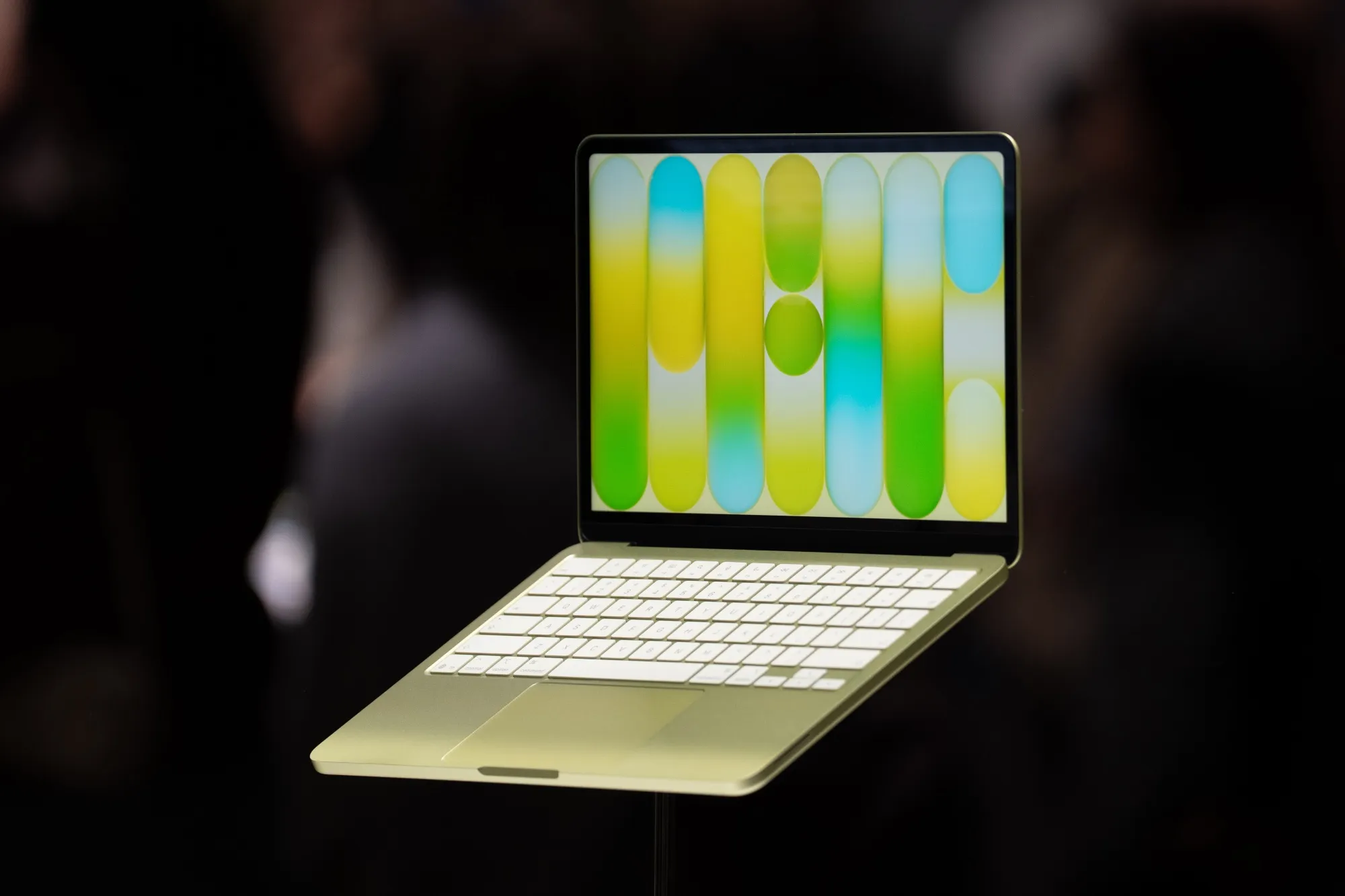
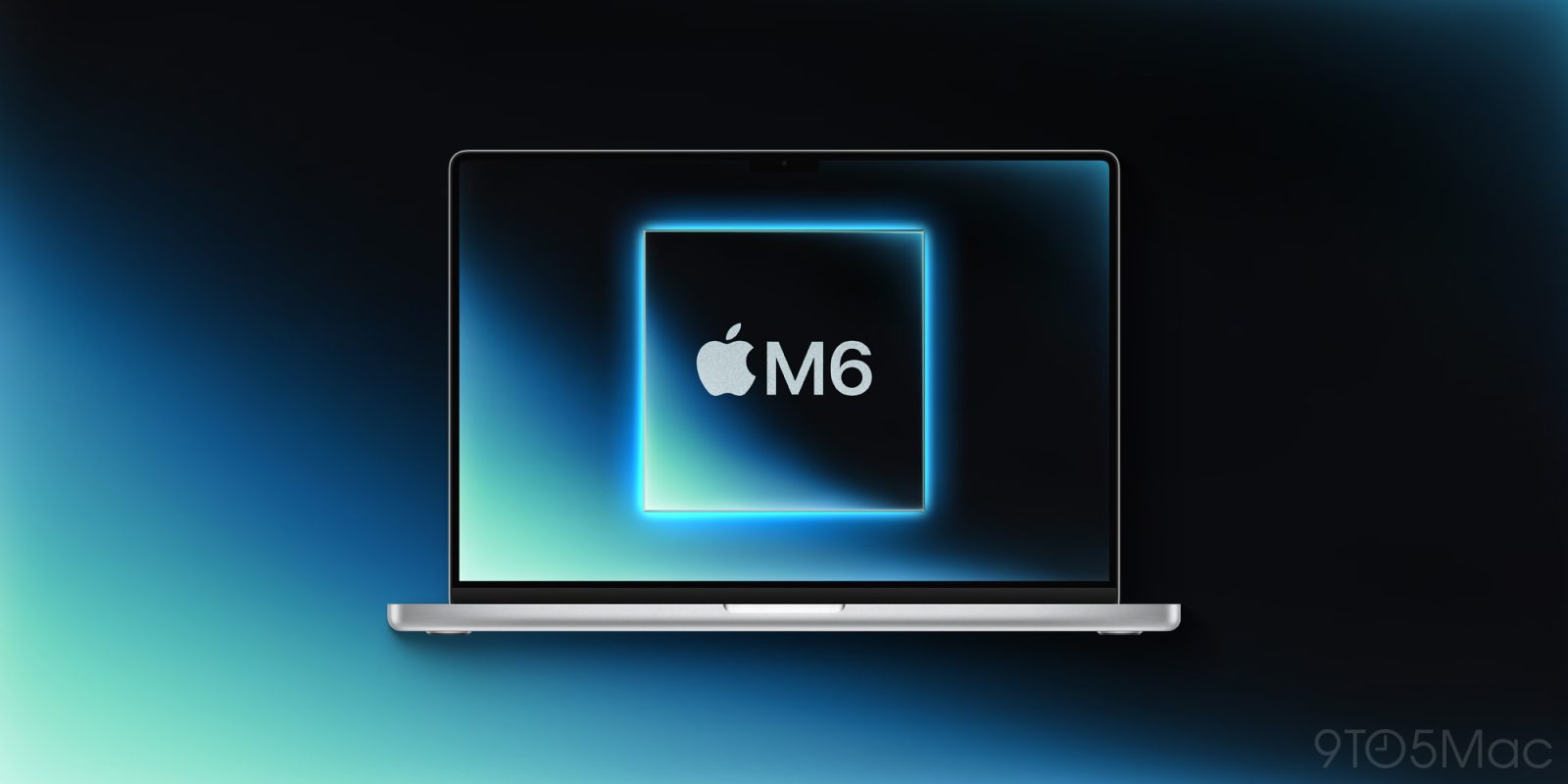
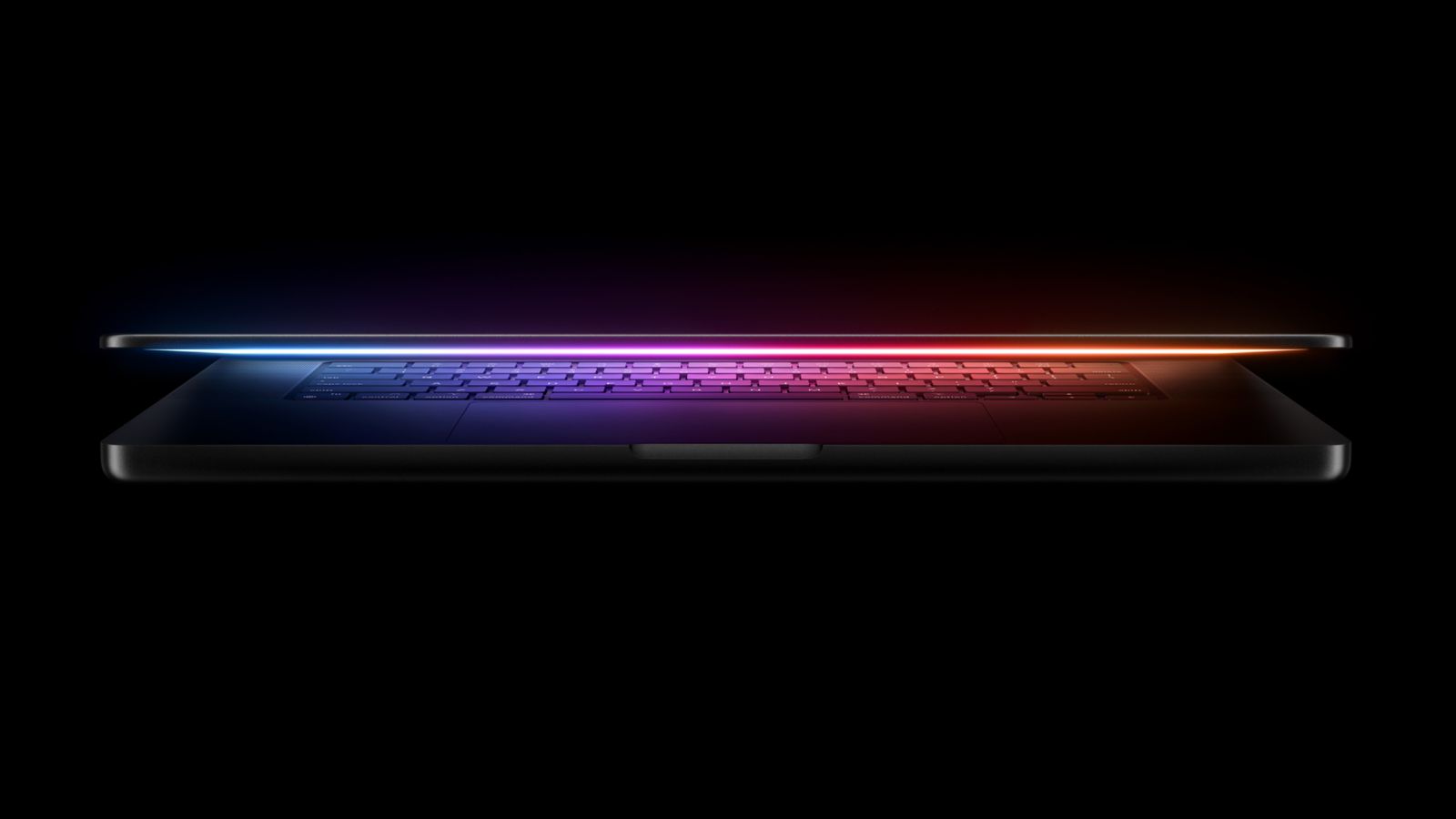
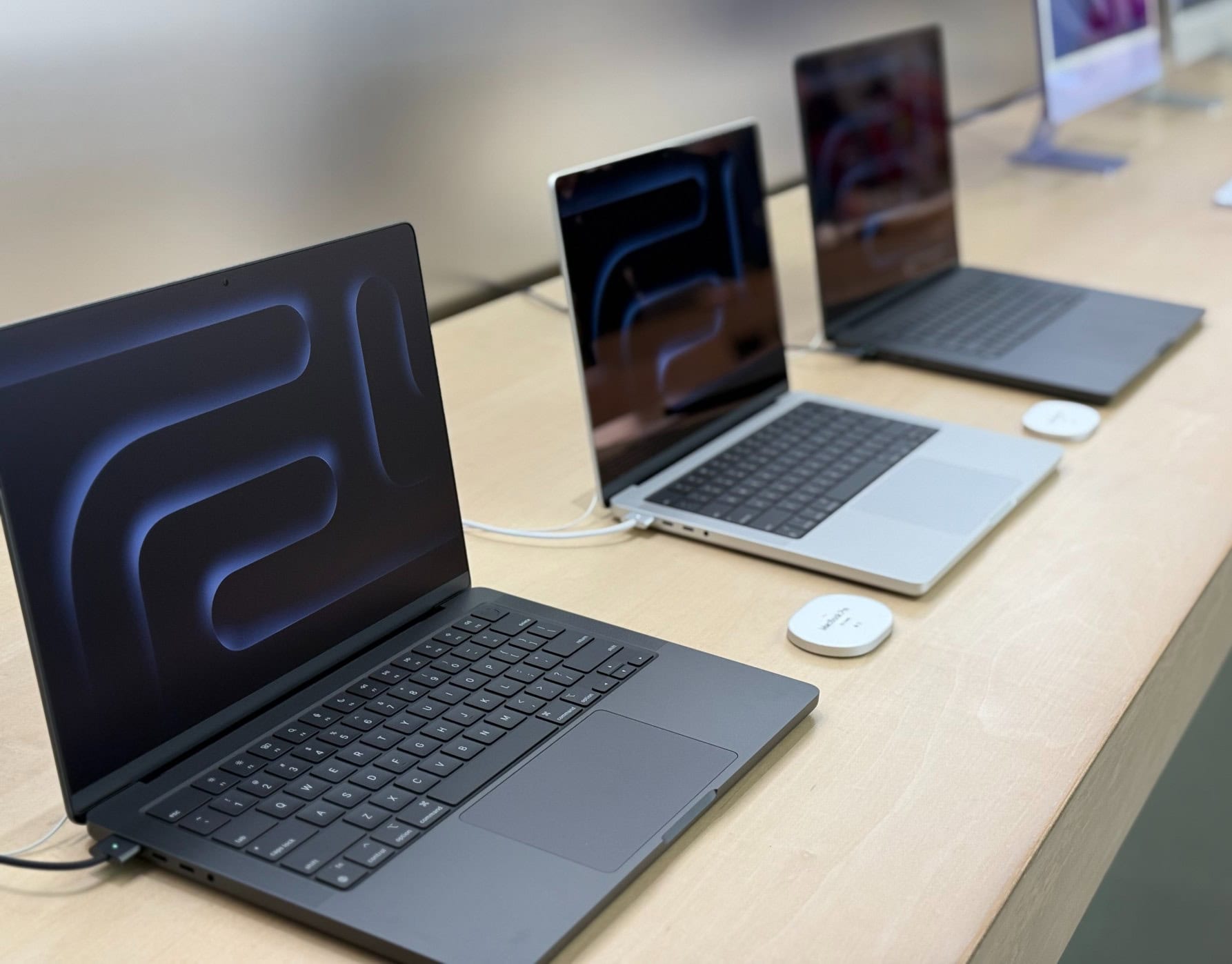
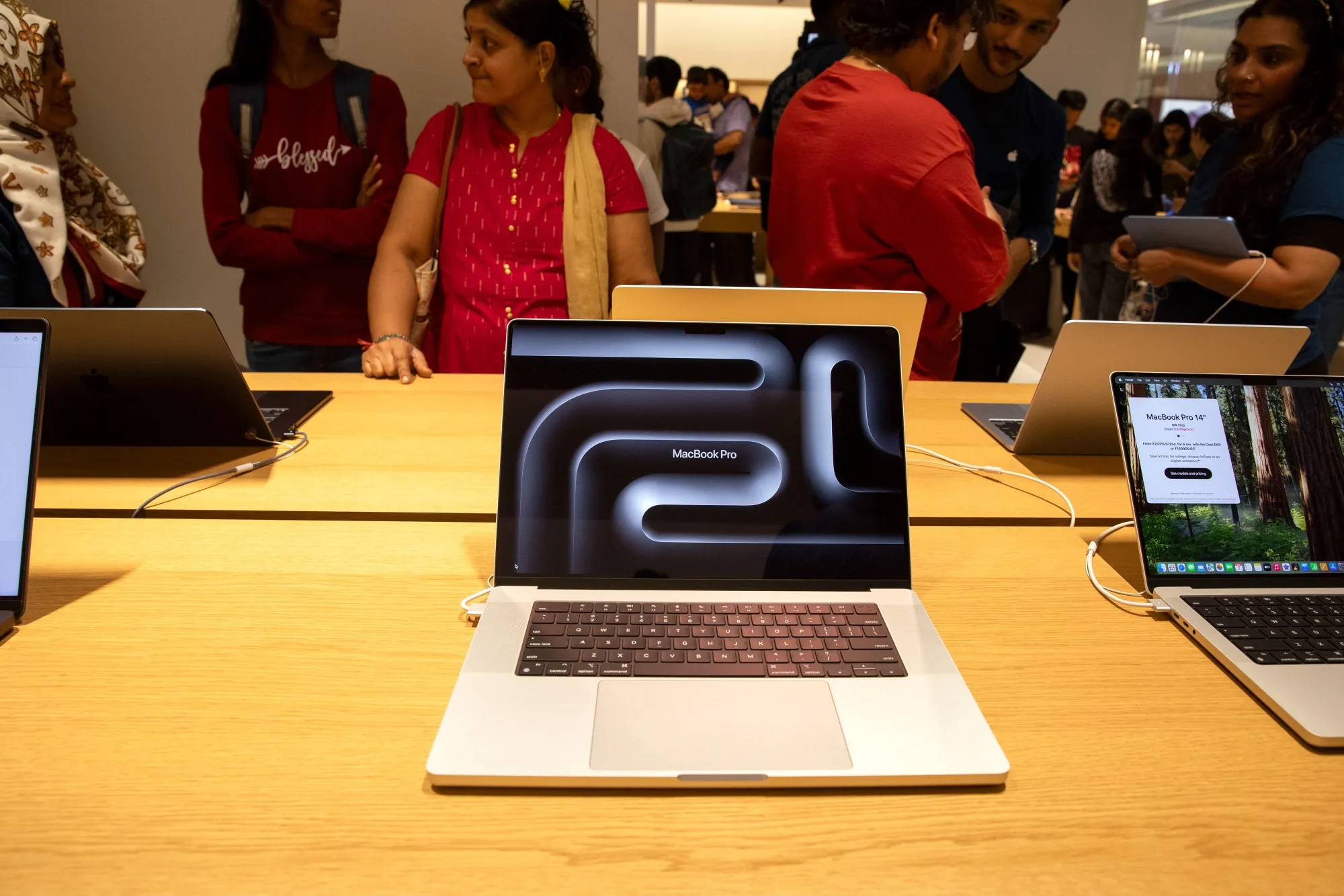
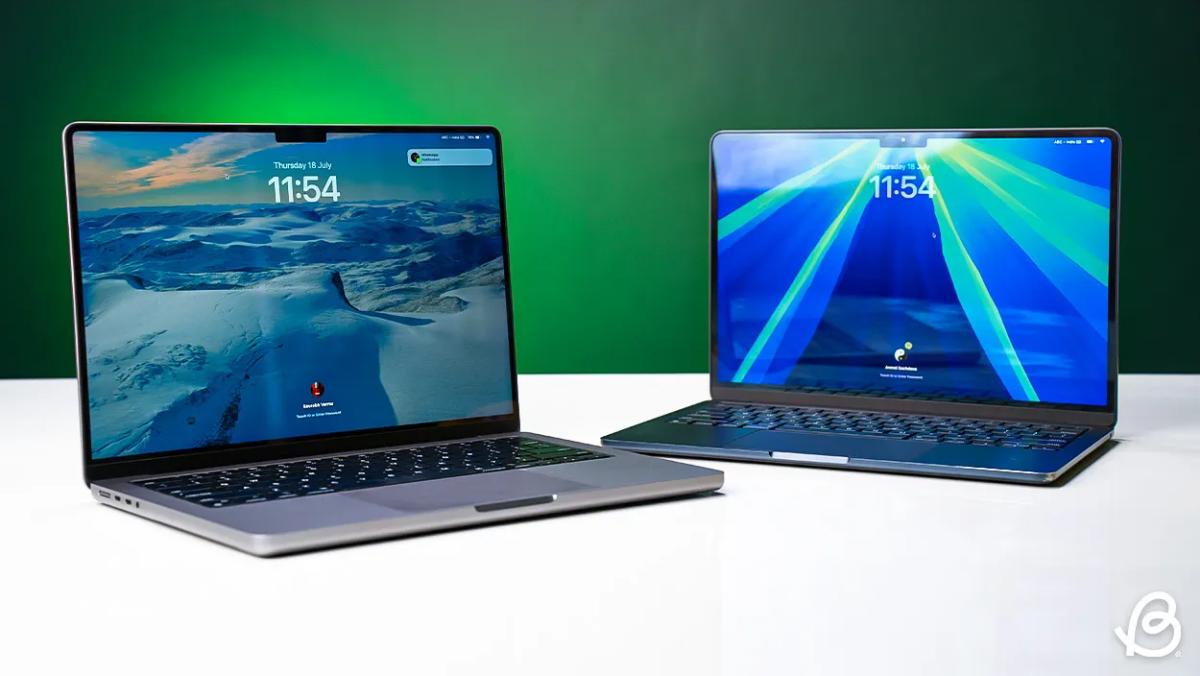
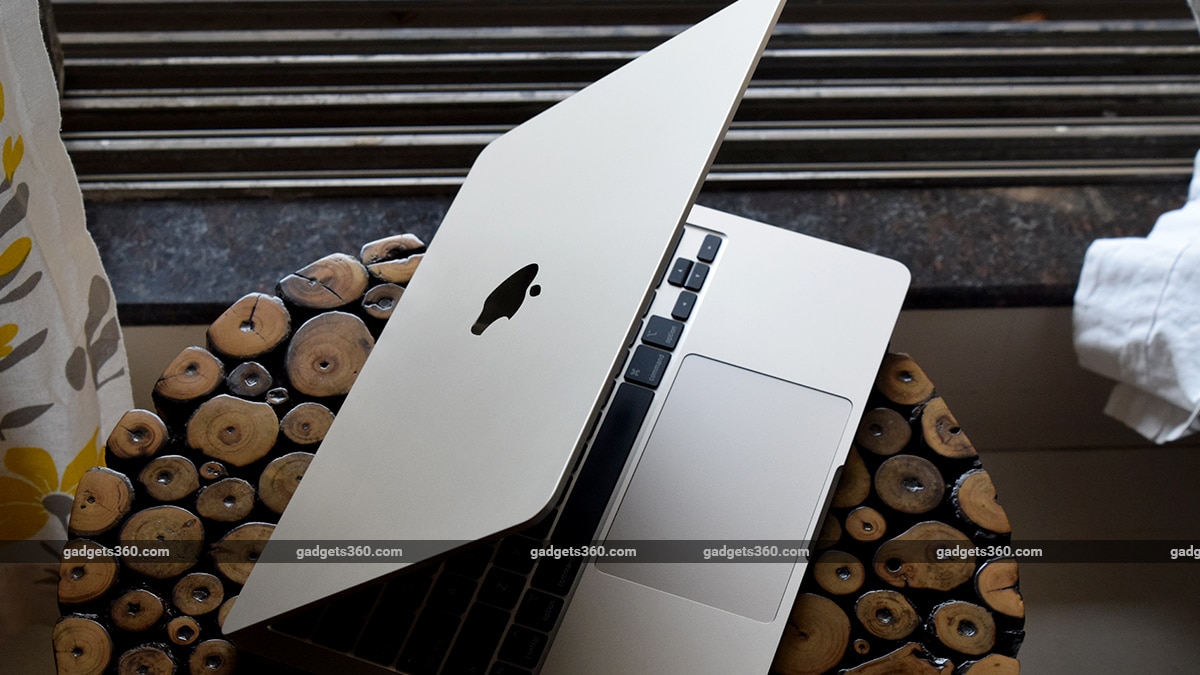
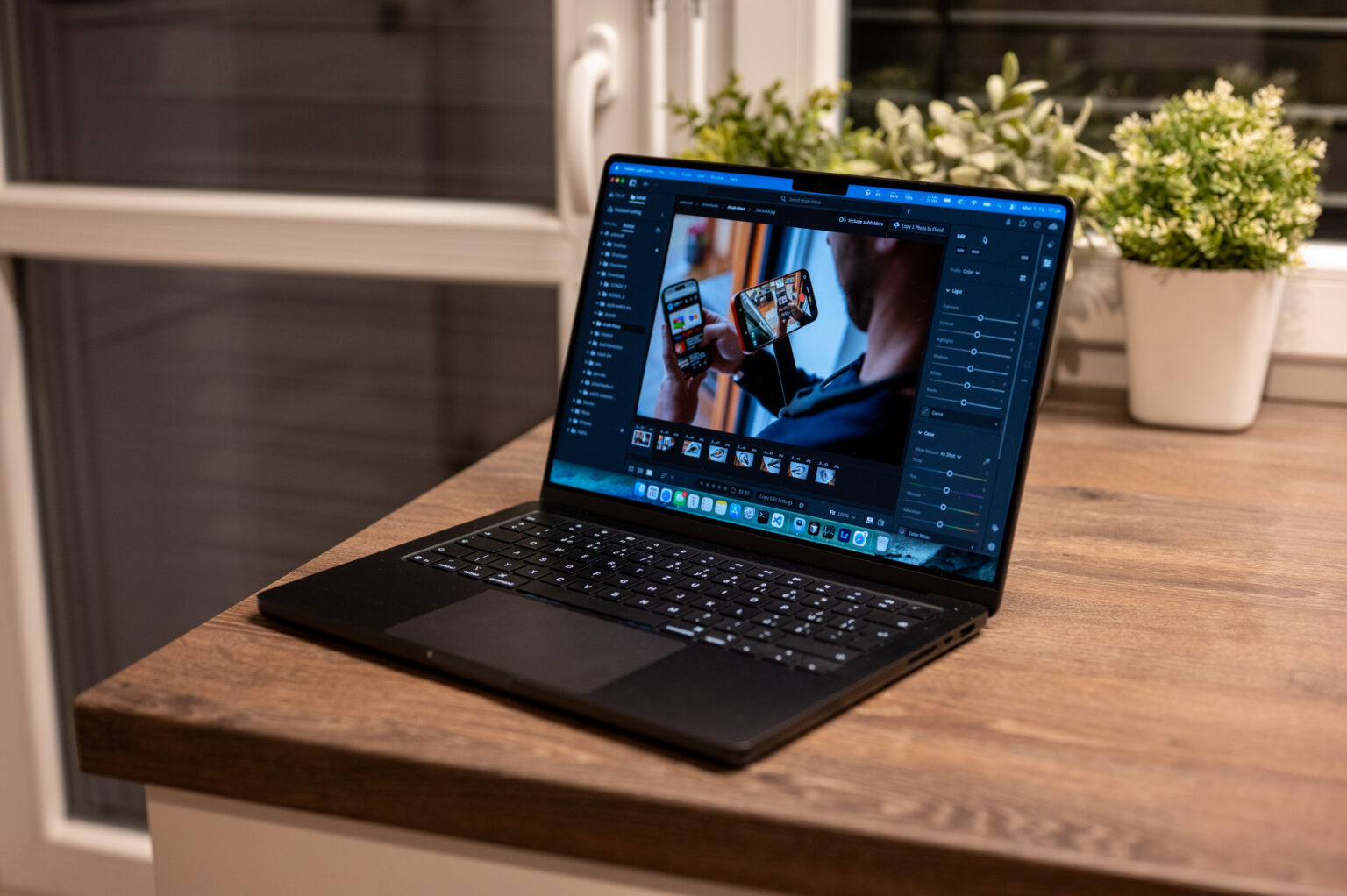
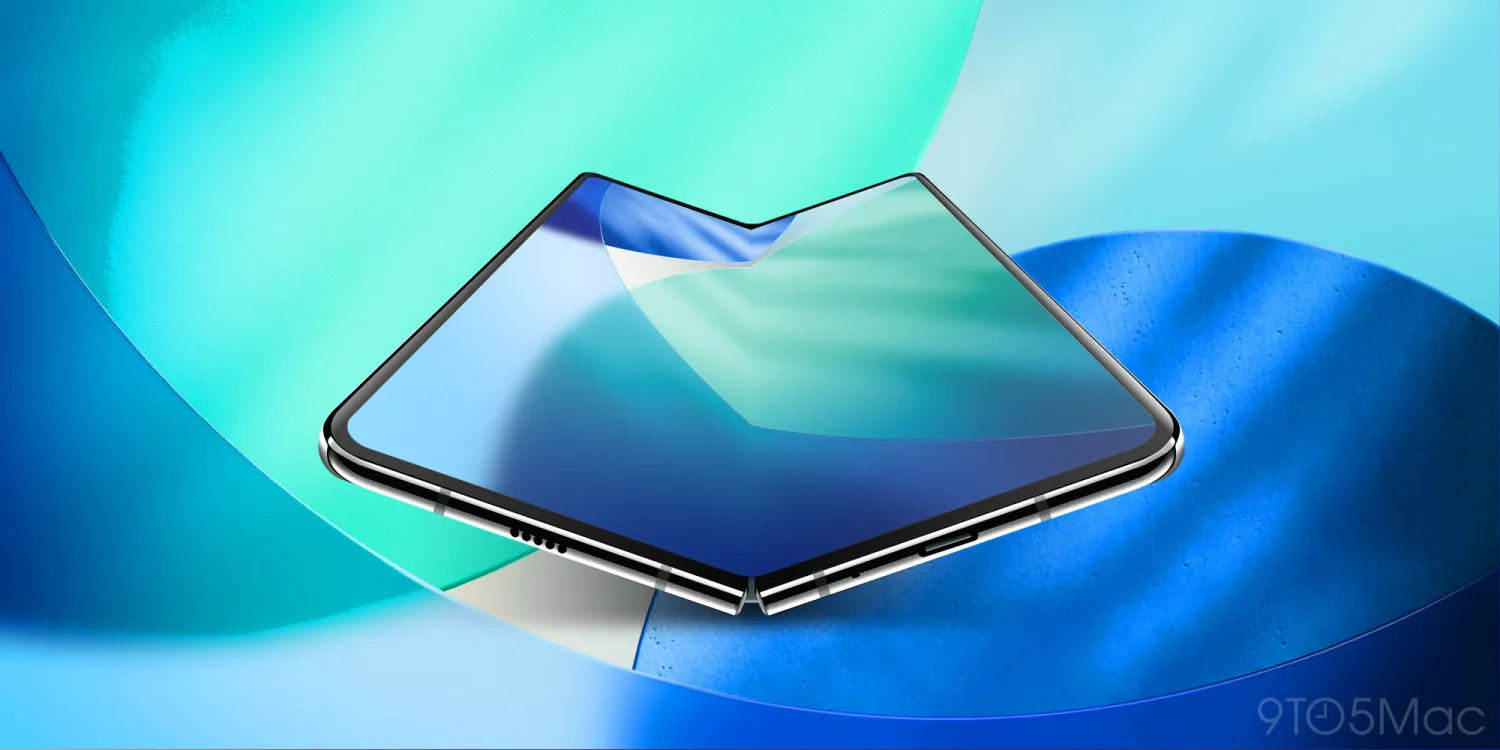
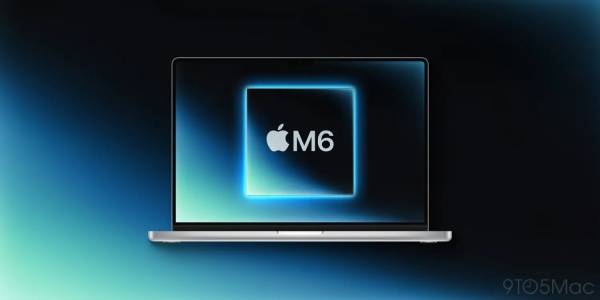
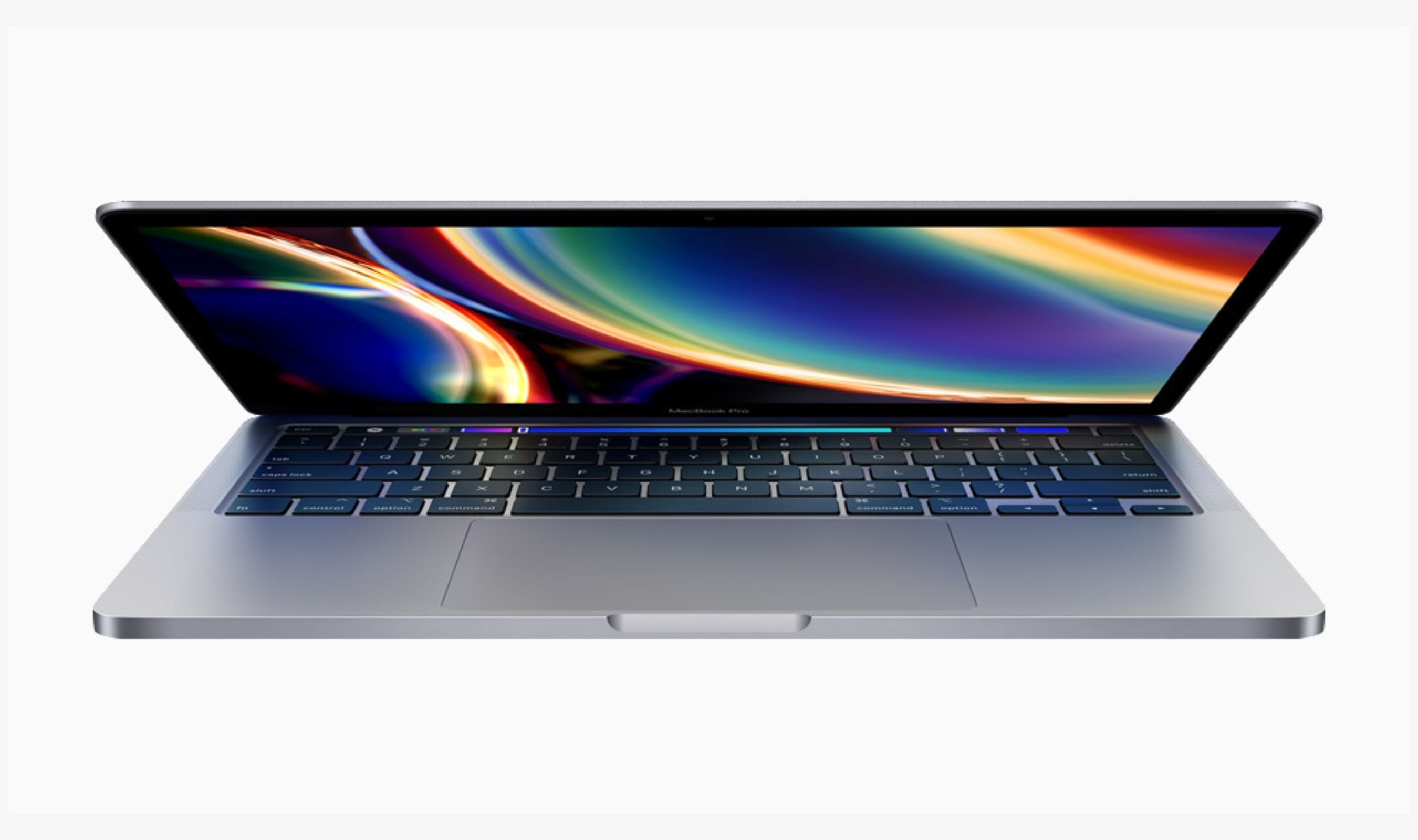
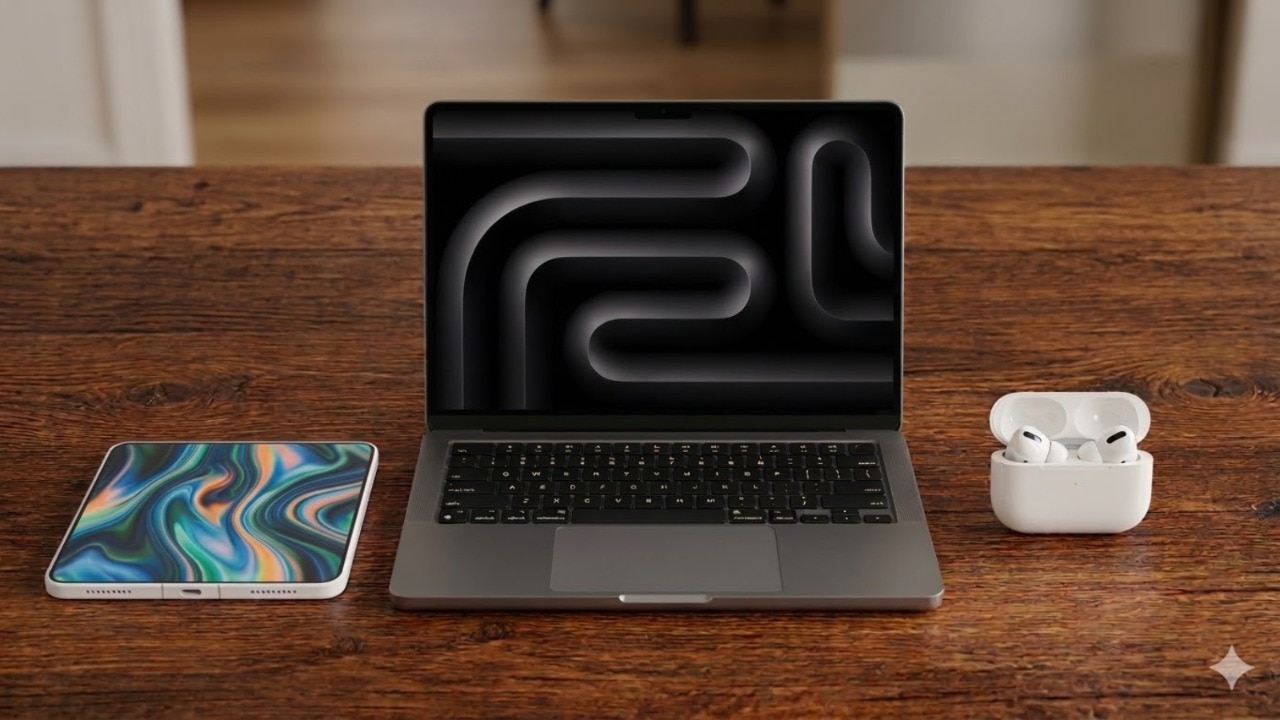
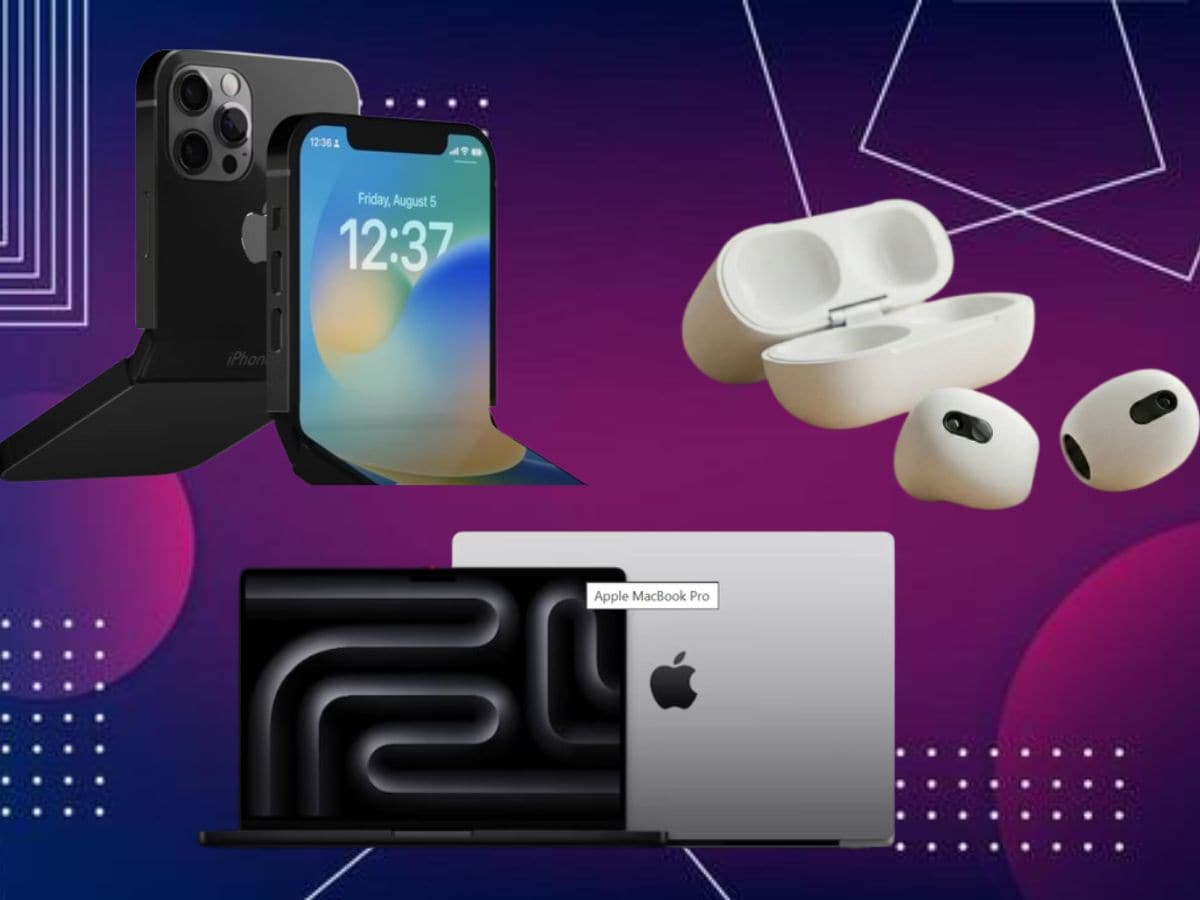
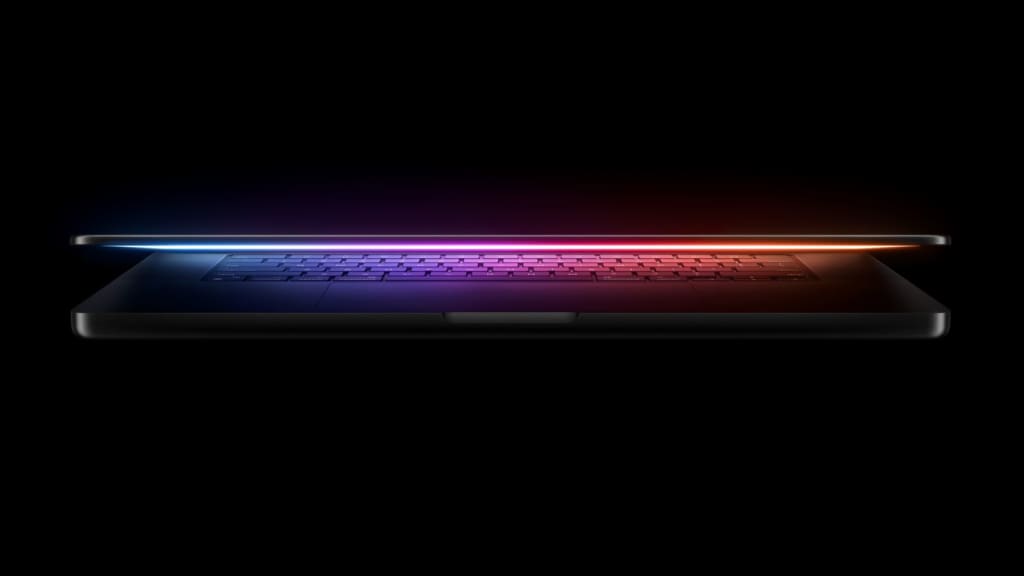
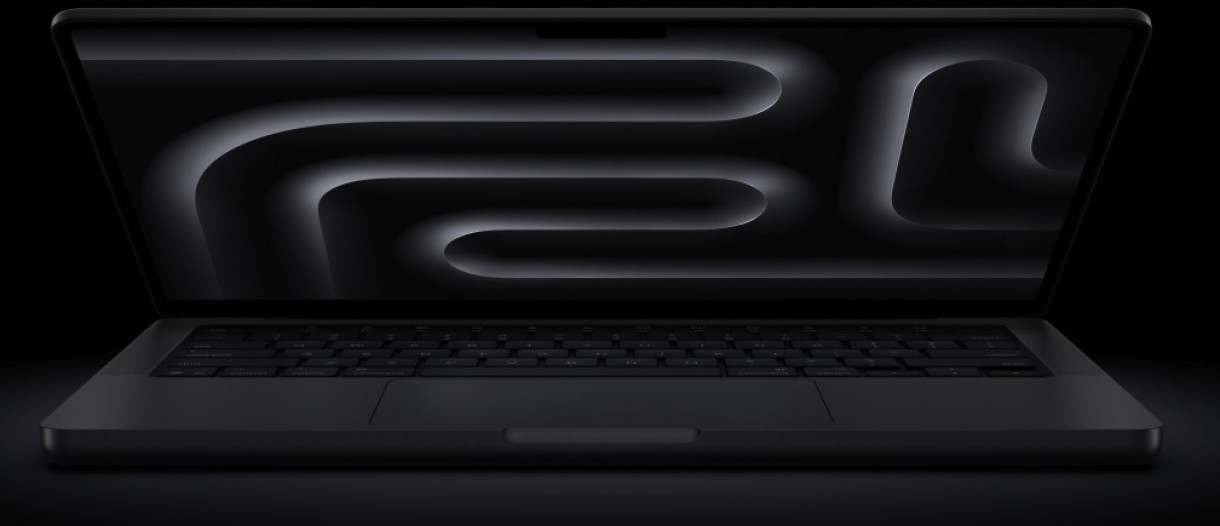
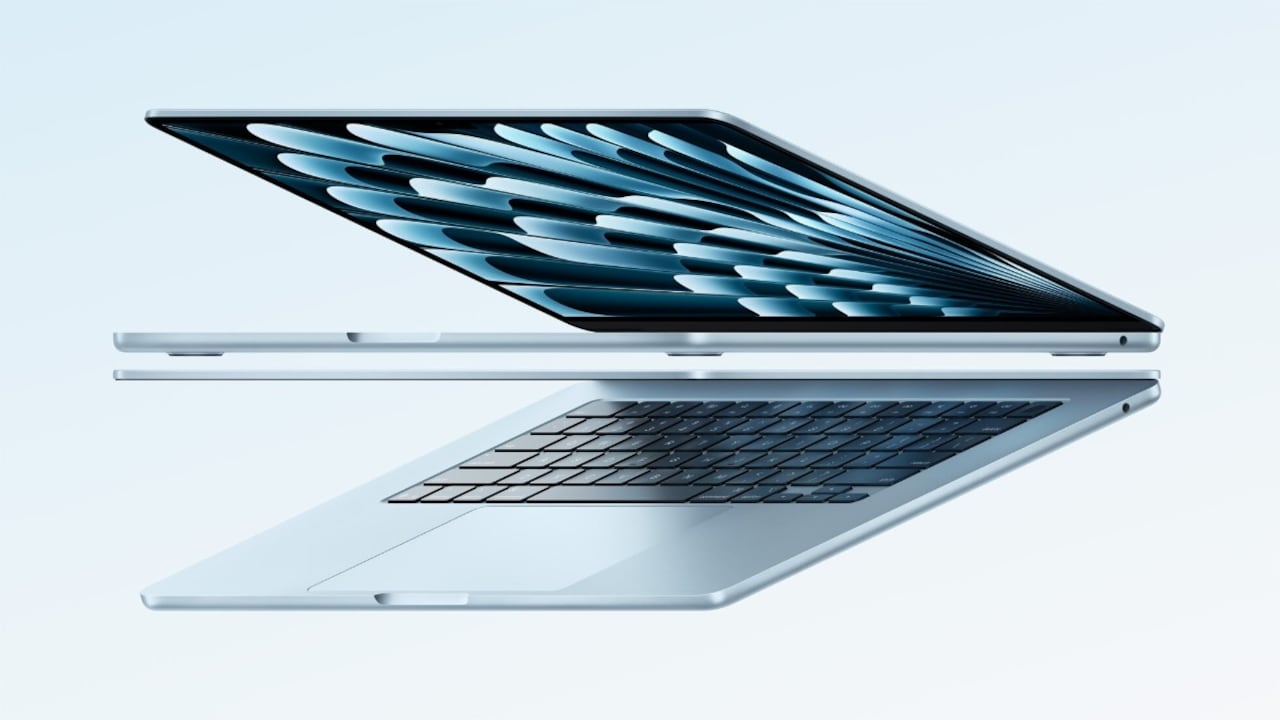
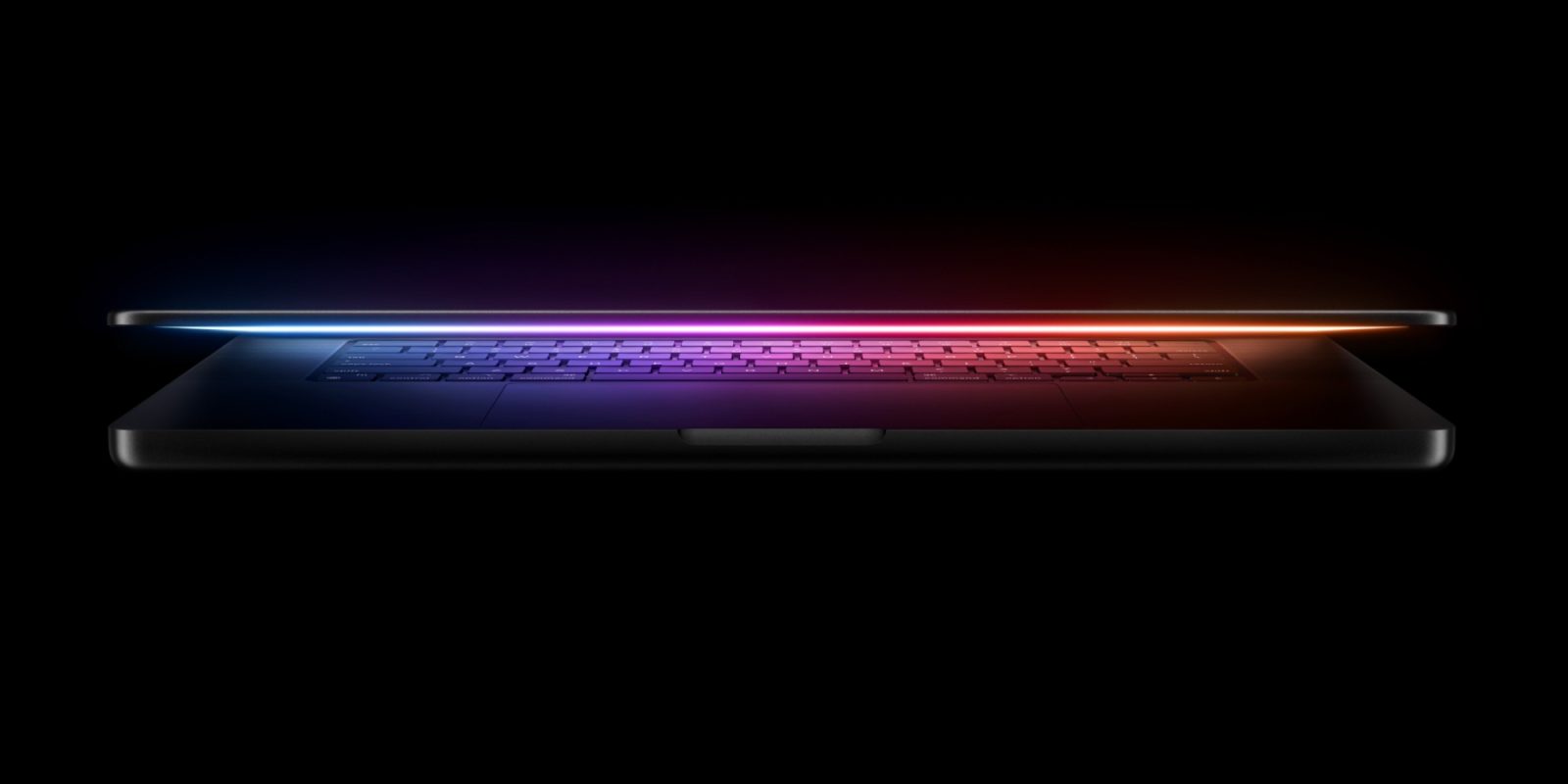
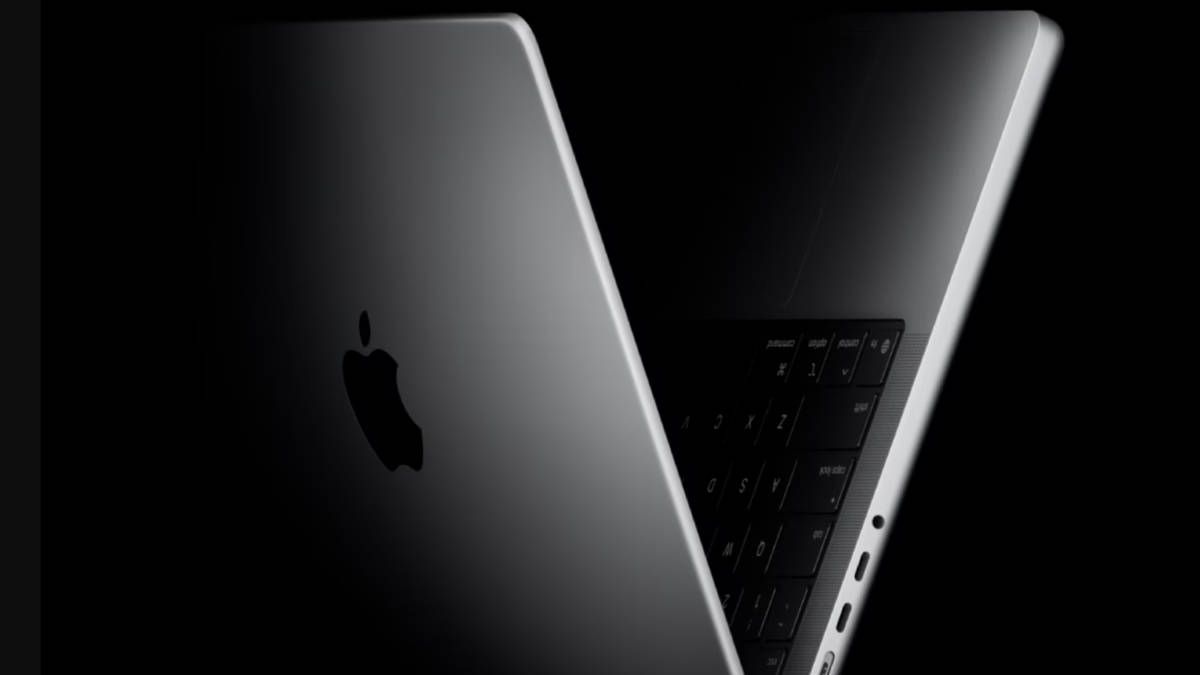
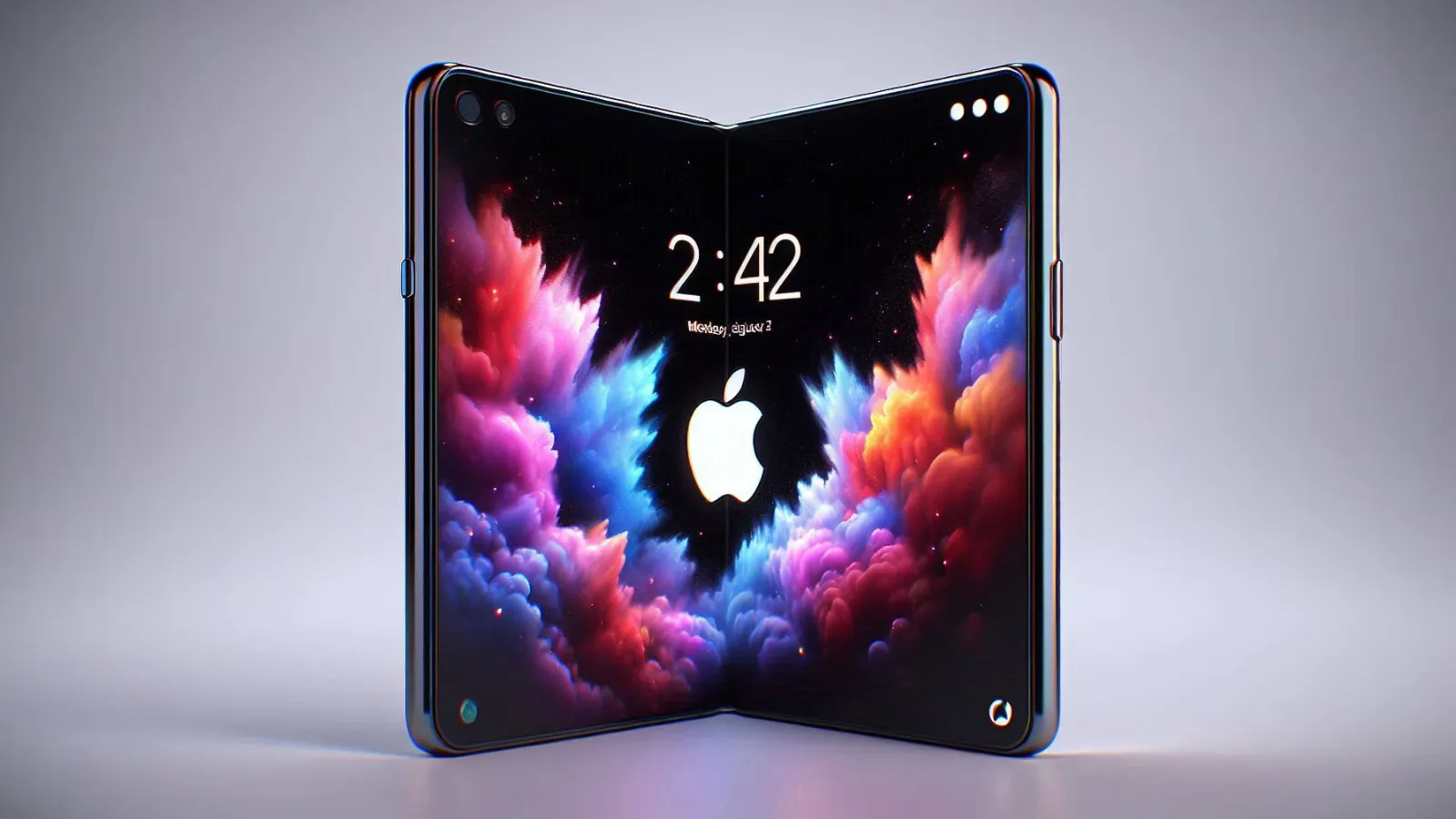
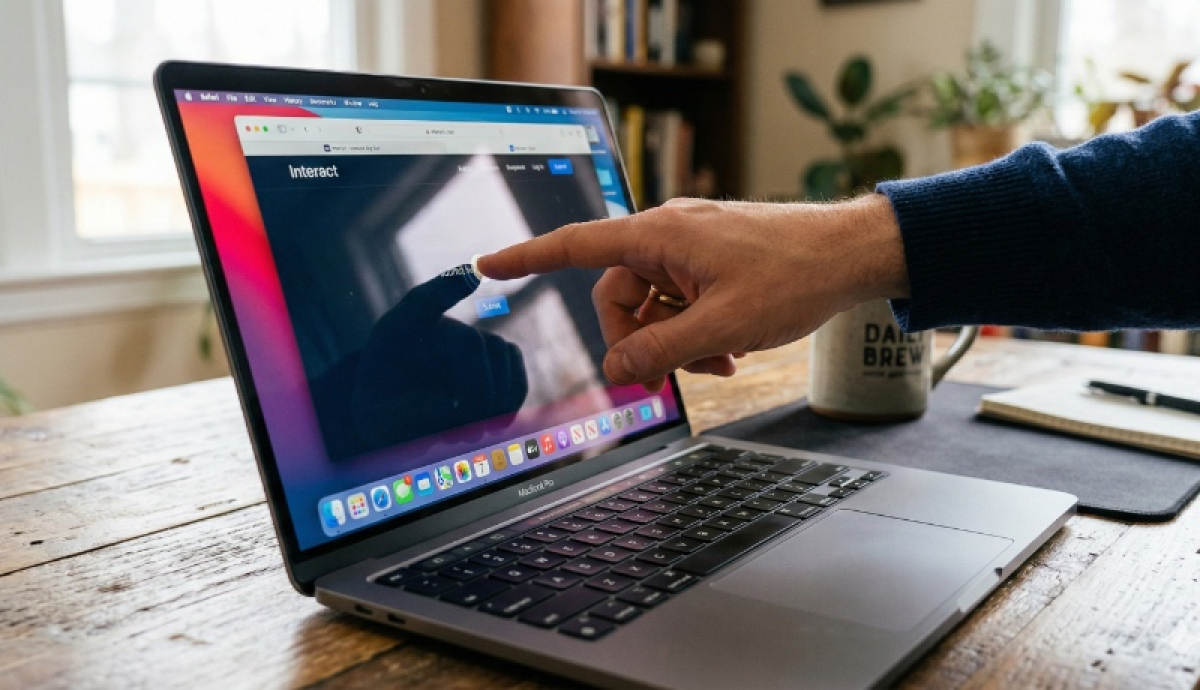
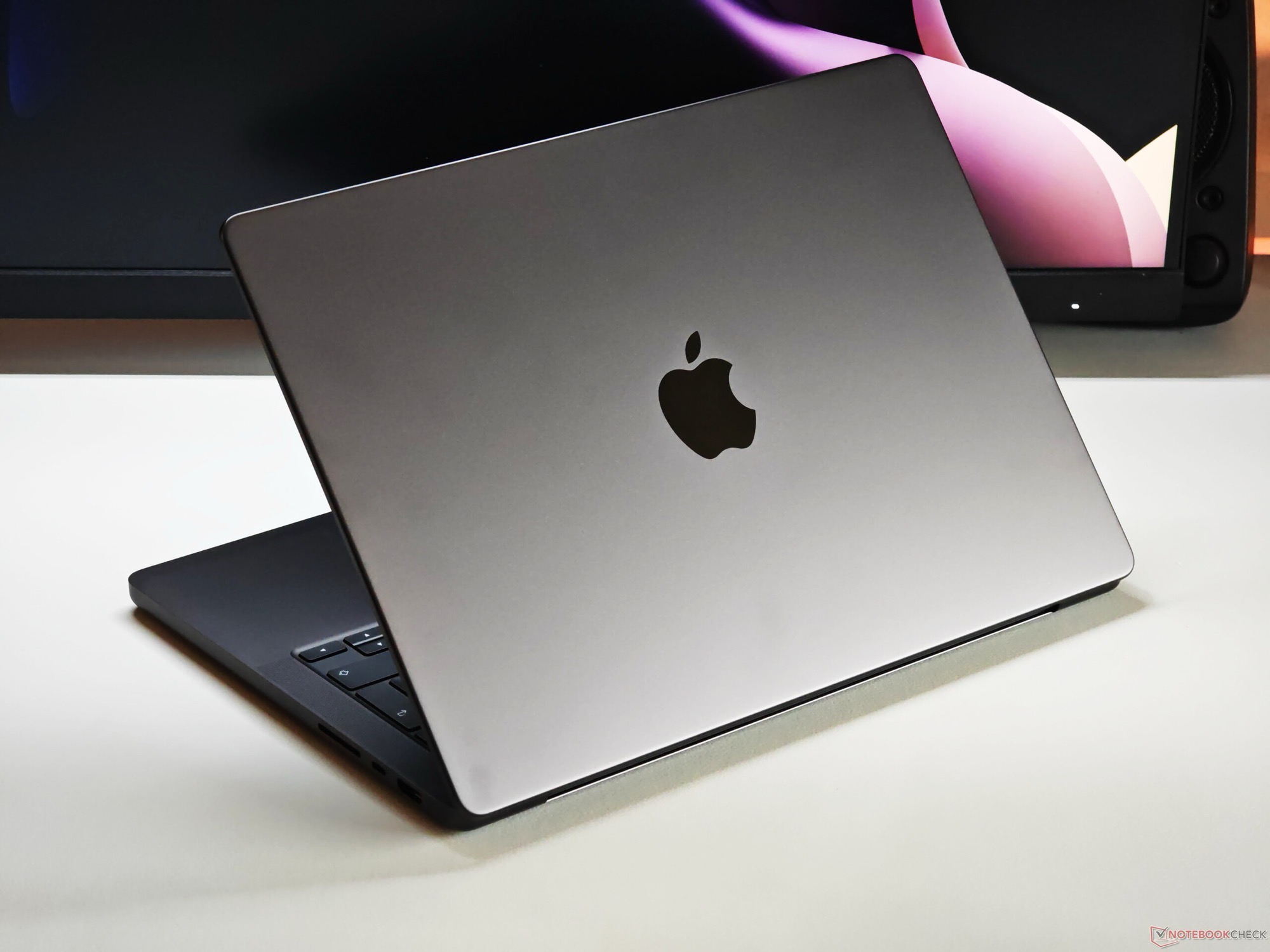
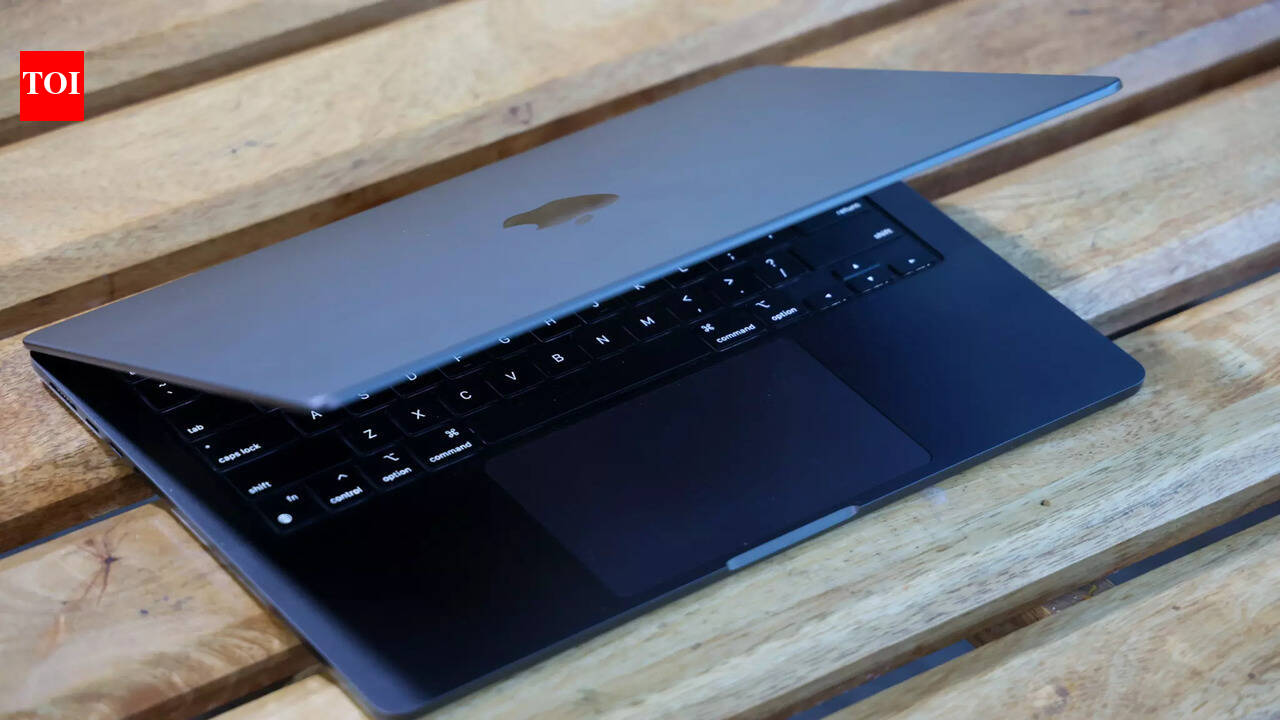
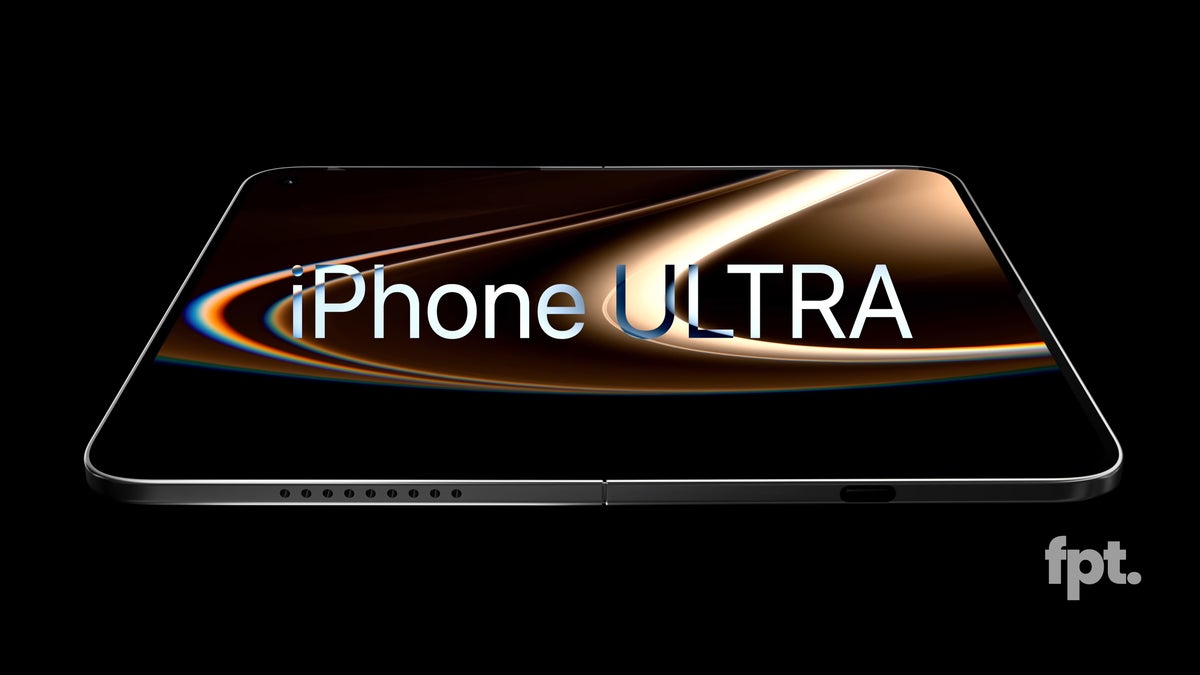
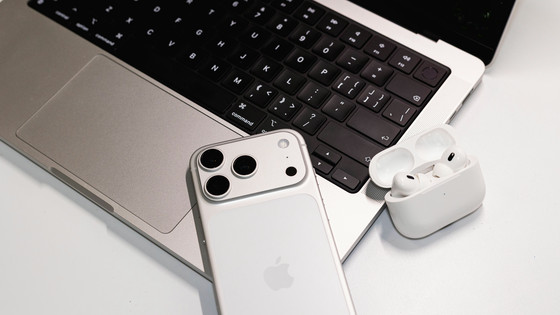
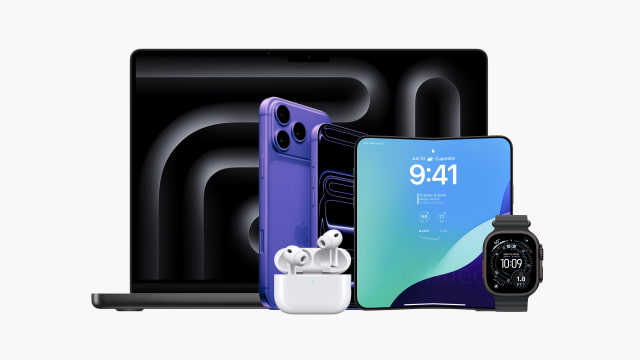
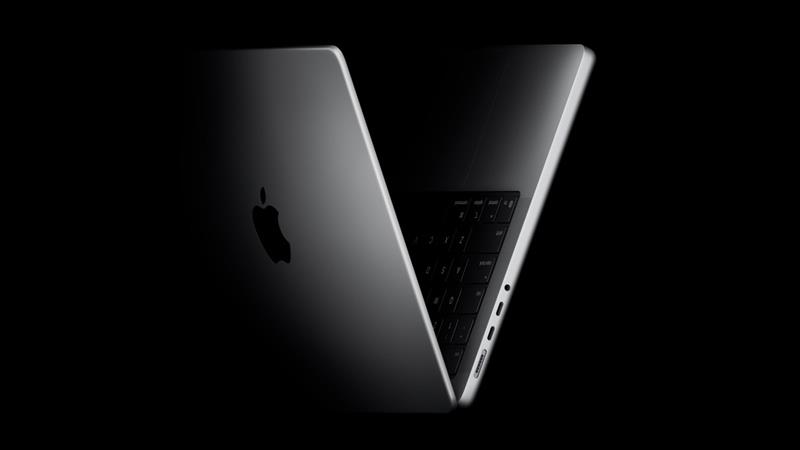
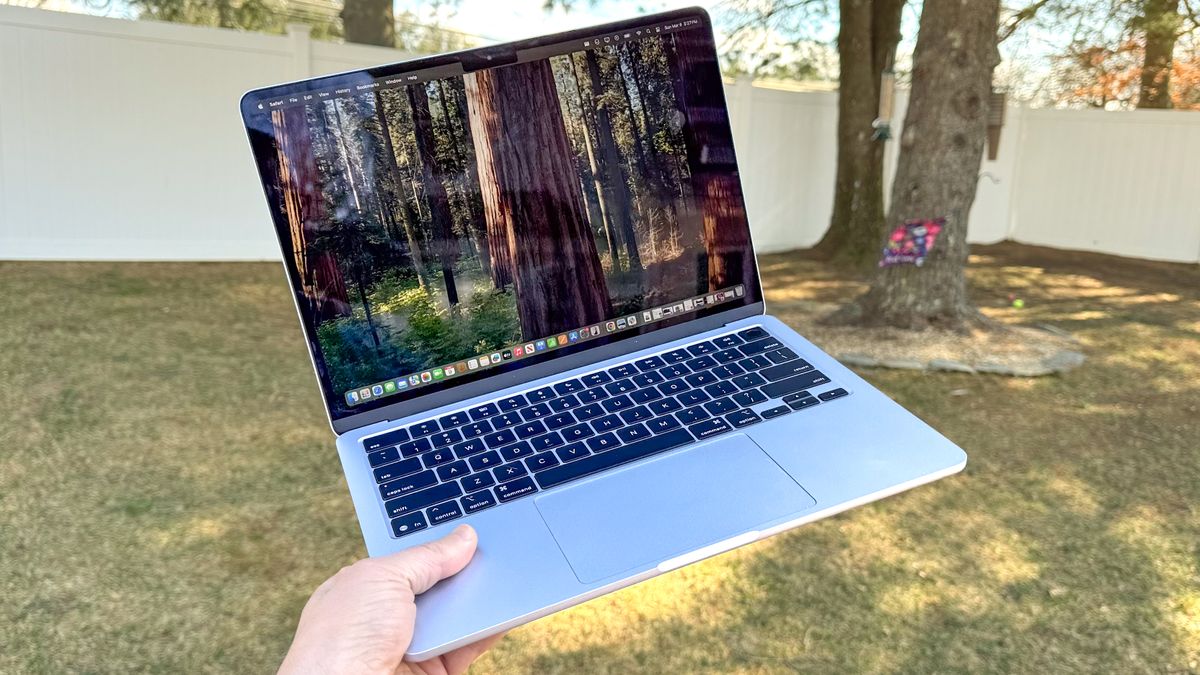
Apple's dual-market strategy signals a major shift in premium electronics distribution, creating immediate opportunities for cross-border e-commerce sellers targeting affluent consumers. According to Bloomberg's Mark Gurman, Apple is preparing at least three ultra-premium products launching in fall 2026: a foldable iPhone retailing around $2,000, a MacBook Ultra with OLED touchscreen and 20% price premium over M5 models, and next-generation AirPods featuring integrated computer-vision cameras. This announcement follows Apple's simultaneous launch of budget MacBook Neo at $599, demonstrating deliberate market segmentation strategy that sellers can exploit through tiered inventory positioning.
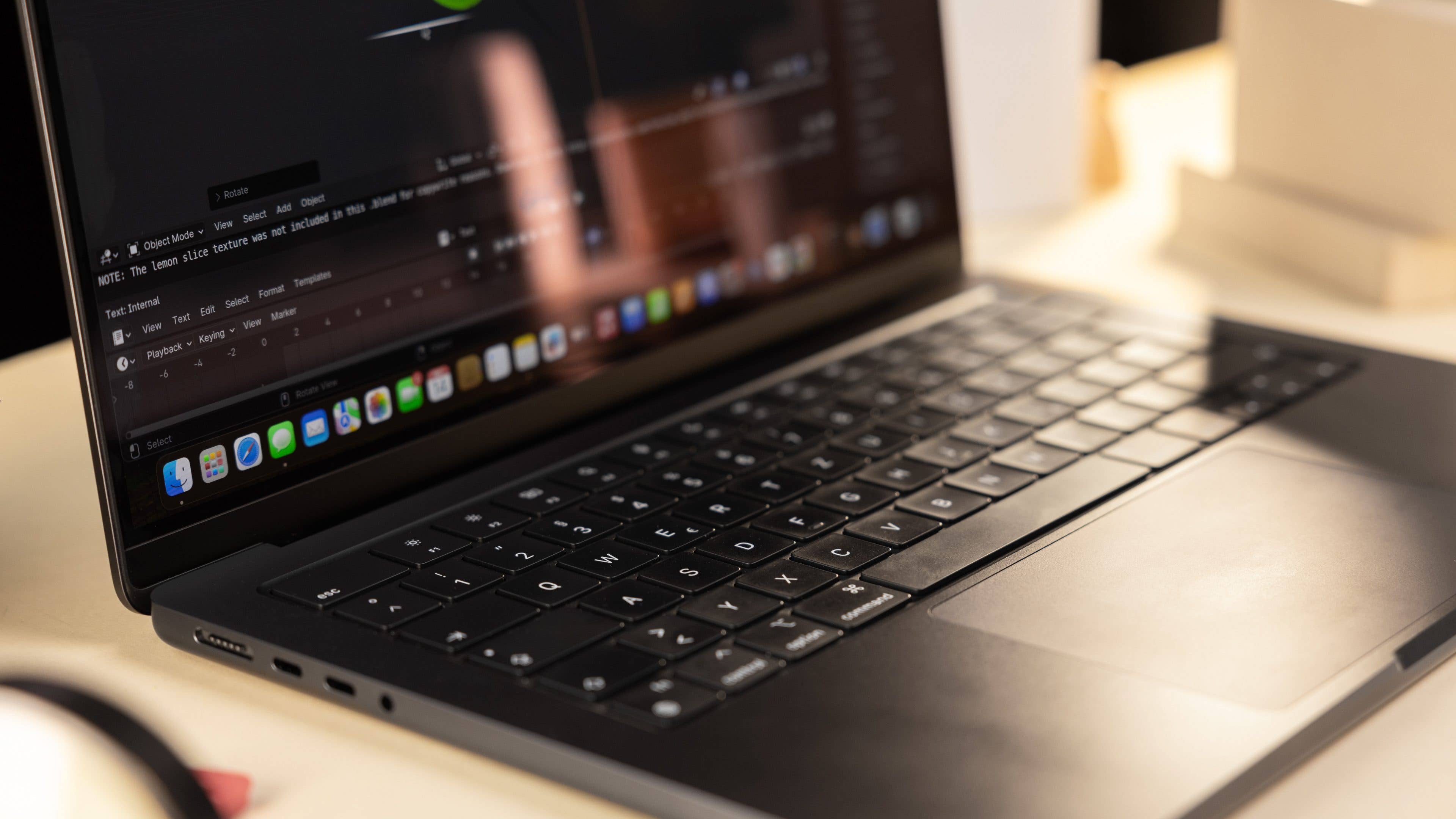
The MacBook Ultra represents Apple's first OLED implementation in laptops, following the company's historical pattern of 20% price increases when introducing OLED displays (iPhone X in 2017, iPad Pro in 2024). The Q4 2026 launch timing provides 12+ months for sellers to prepare inventory, regulatory compliance, and distribution networks. Premium Apple products command 25-35% higher profit margins than standard models and attract international buyers in Asia-Pacific and European markets where luxury electronics maintain strong demand. The foldable iPhone's $2,000 price point positions it as a high-value item suitable for specialized authorized resellers, while AirPods with camera integration represent an entirely new product category requiring updated privacy compliance across regions (GDPR in EU, CCPA in California, emerging regulations in Asia).
For cross-border sellers, this strategy creates three distinct revenue opportunities: (1) Premium product resale through authorized channels with 20-30% margin premiums, (2) Accessory ecosystem development (protective cases, premium chargers, specialized stands for foldable devices), and (3) Regional arbitrage through understanding localized demand patterns—Asia-Pacific markets show 40-50% higher adoption rates for premium Apple products compared to North America. The integration of camera technology into AirPods signals Apple's shift toward AI-powered wearables, creating demand for complementary products like privacy screens, camera lens protectors, and specialized carrying cases. Sellers must prepare for regulatory complexity: camera-equipped wearables face stricter compliance requirements in EU (GDPR Article 32 data protection), China (facial recognition regulations), and emerging markets with privacy-focused legislation.
Immediate seller actions include: (1) Registering as authorized resellers with Apple's distribution partners by Q2 2026 to secure allocation, (2) Conducting market research in target regions (Asia-Pacific, EU) to understand premium segment demand, (3) Developing compliance documentation for camera-equipped AirPods across jurisdictions, and (4) Building inventory plans that account for 12-18 month product lifecycle and potential supply constraints typical of Apple's premium launches. The fall 2026 timeline provides adequate preparation for international distribution, customs documentation, and regional compliance requirements—sellers who establish distribution networks early will capture first-mover advantage in premium segments where margins exceed standard electronics by 25-35%.
Questions 8
What is the estimated timeline and preparation required for authorized reseller status?
The Q4 2026 launch provides 12+ months for sellers to prepare. Authorized reseller registration typically requires 4-8 weeks for application processing, business verification, and compliance documentation. Sellers should initiate registration by Q2 2026 (April-June) to ensure allocation before product launch. Preparation includes: establishing business entity in target markets (2-4 weeks), obtaining necessary tax registrations and VAT compliance (4-8 weeks), developing inventory management systems (2-3 weeks), and training sales staff on premium product positioning (1-2 weeks). Total preparation timeline spans 3-4 months, allowing 6-8 months buffer before Q4 2026 launch. Early registration provides competitive advantage—Apple typically allocates limited inventory to early-registered resellers, and sellers who establish distribution networks first capture premium segment market share before competitors.
How does Apple's dual-market strategy (budget MacBook Neo + premium Ultra products) affect seller positioning?
Apple's simultaneous launch of budget MacBook Neo at $599 and premium MacBook Ultra demonstrates deliberate market segmentation enabling sellers to serve multiple customer segments. Budget-conscious consumers seeking value gravitate toward MacBook Neo, while affluent buyers seeking cutting-edge technology prefer MacBook Ultra. This strategy allows sellers to optimize inventory allocation: allocate 60-70% inventory to budget segment for volume, 30-40% to premium segment for margin. The coexistence of both tiers prevents cannibalization while maximizing market coverage. Sellers can develop tiered marketing strategies targeting different demographics—budget segment emphasizes value and productivity, premium segment emphasizes innovation and exclusivity. This dual-market approach extends across Apple's entire ecosystem (iPhone, AirPods, MacBook), creating opportunities for sellers to build comprehensive product portfolios serving diverse customer segments.