

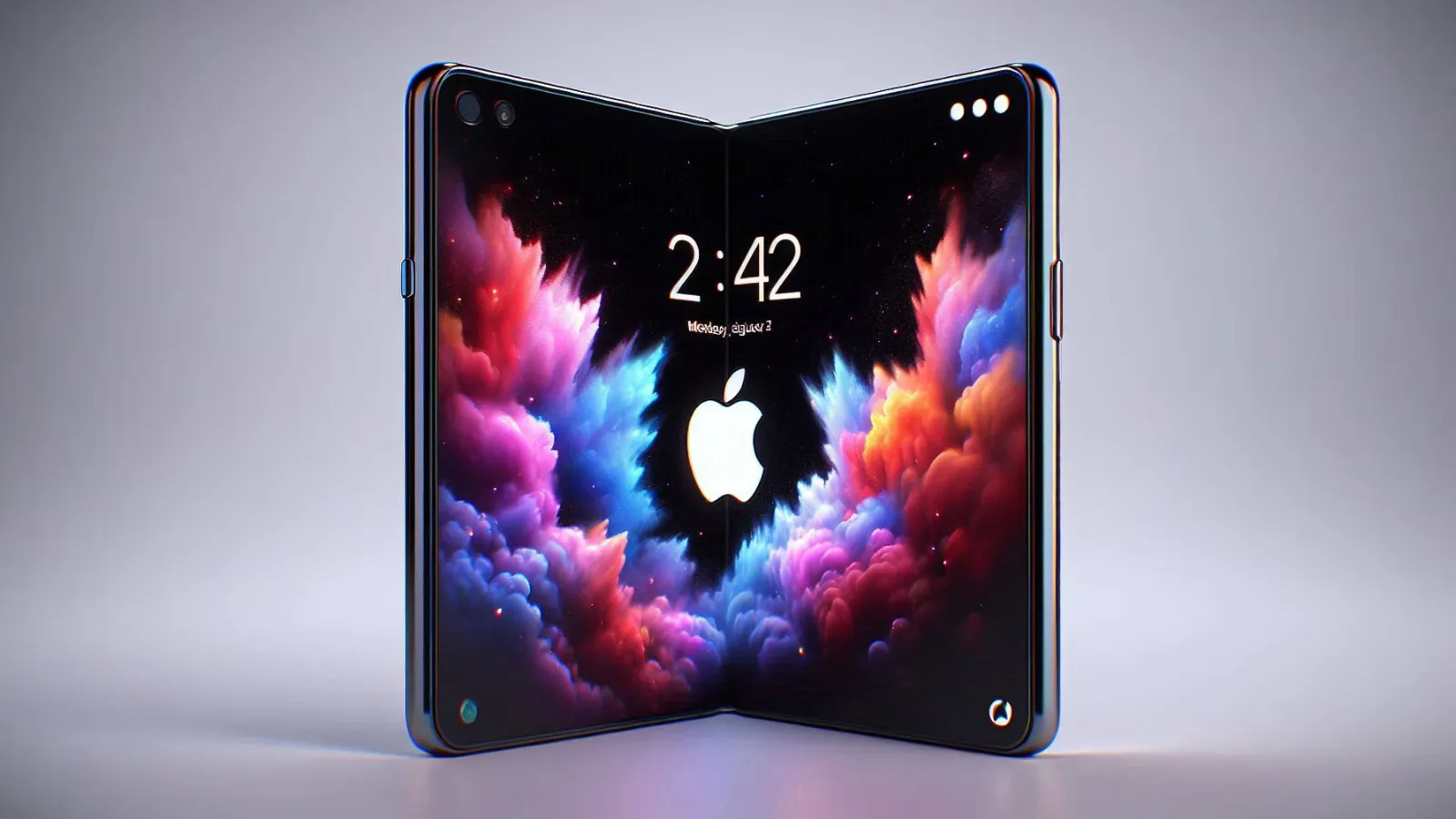



Apple Ultra Product Launch 2026 | Premium Electronics Reseller Opportunity
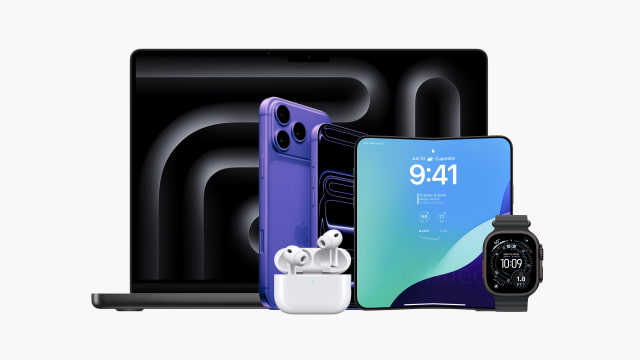
- Foldable iPhone at $2,000, MacBook Ultra OLED, camera-equipped AirPods create high-margin resale opportunities for cross-border sellers in Asia-Pacific and EU markets by Q4 2026




















Overview
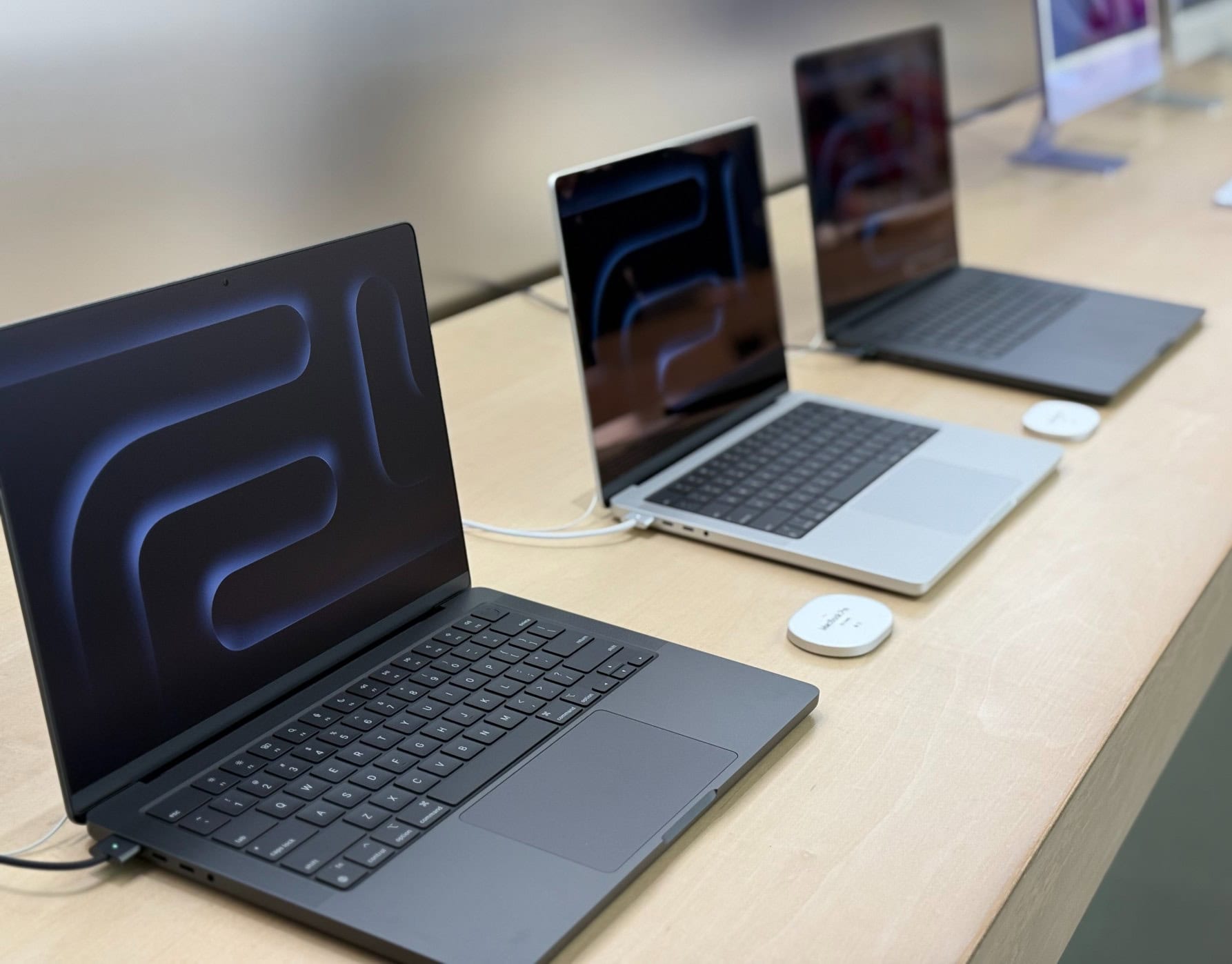
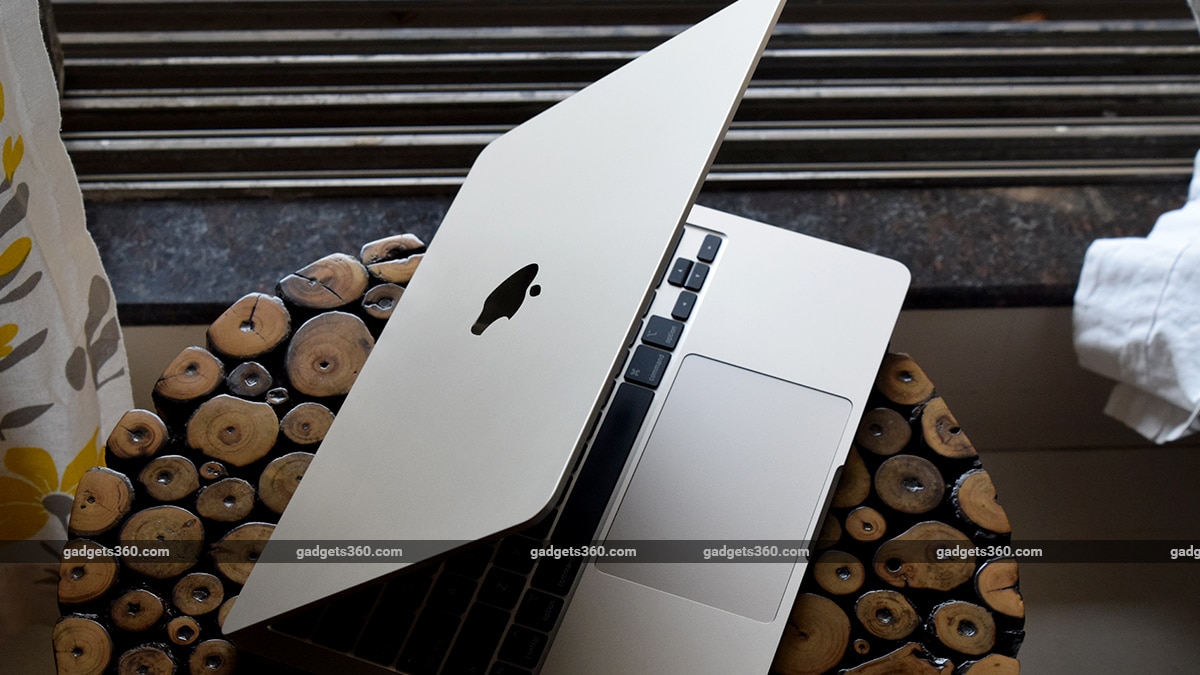
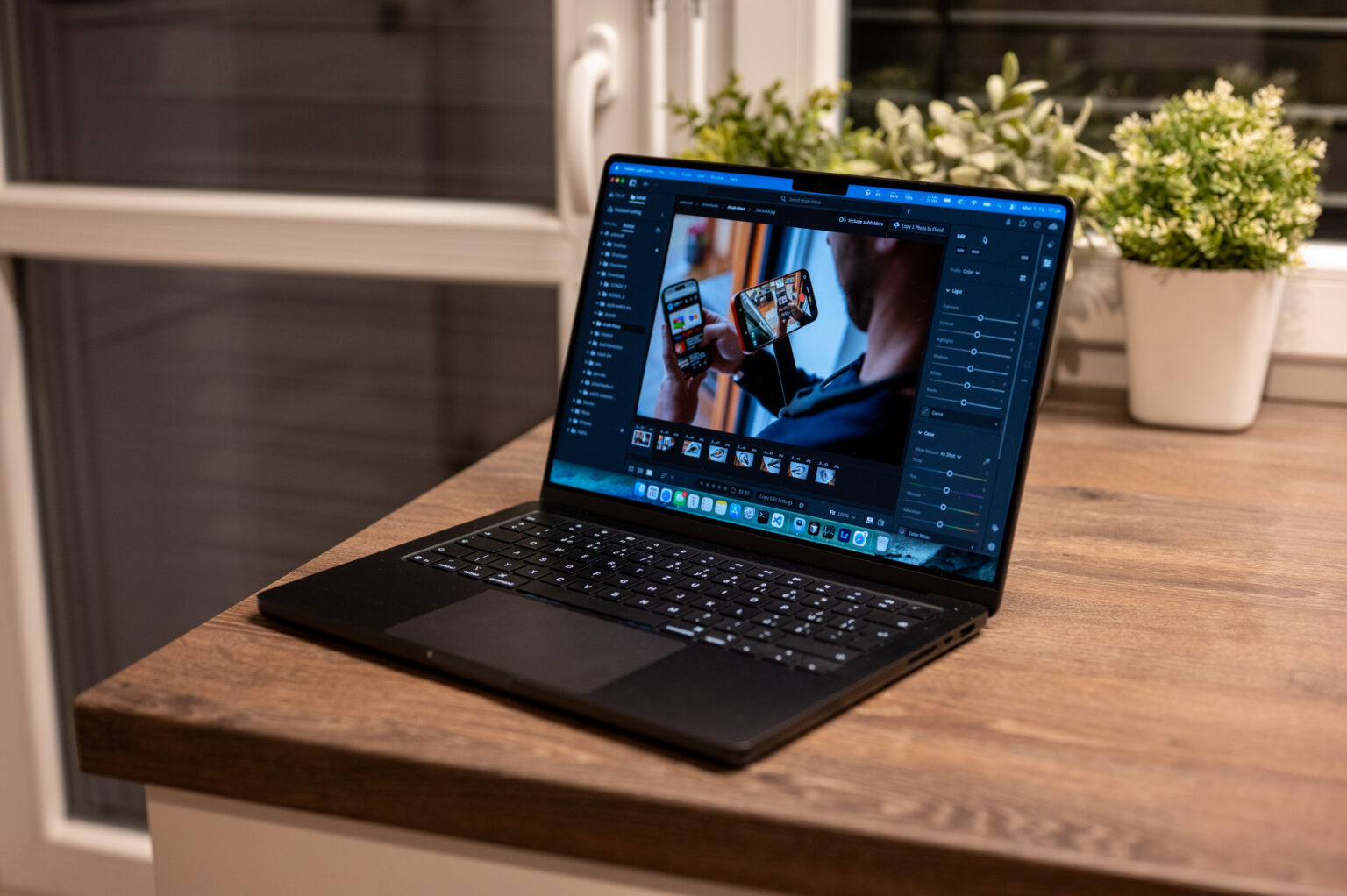
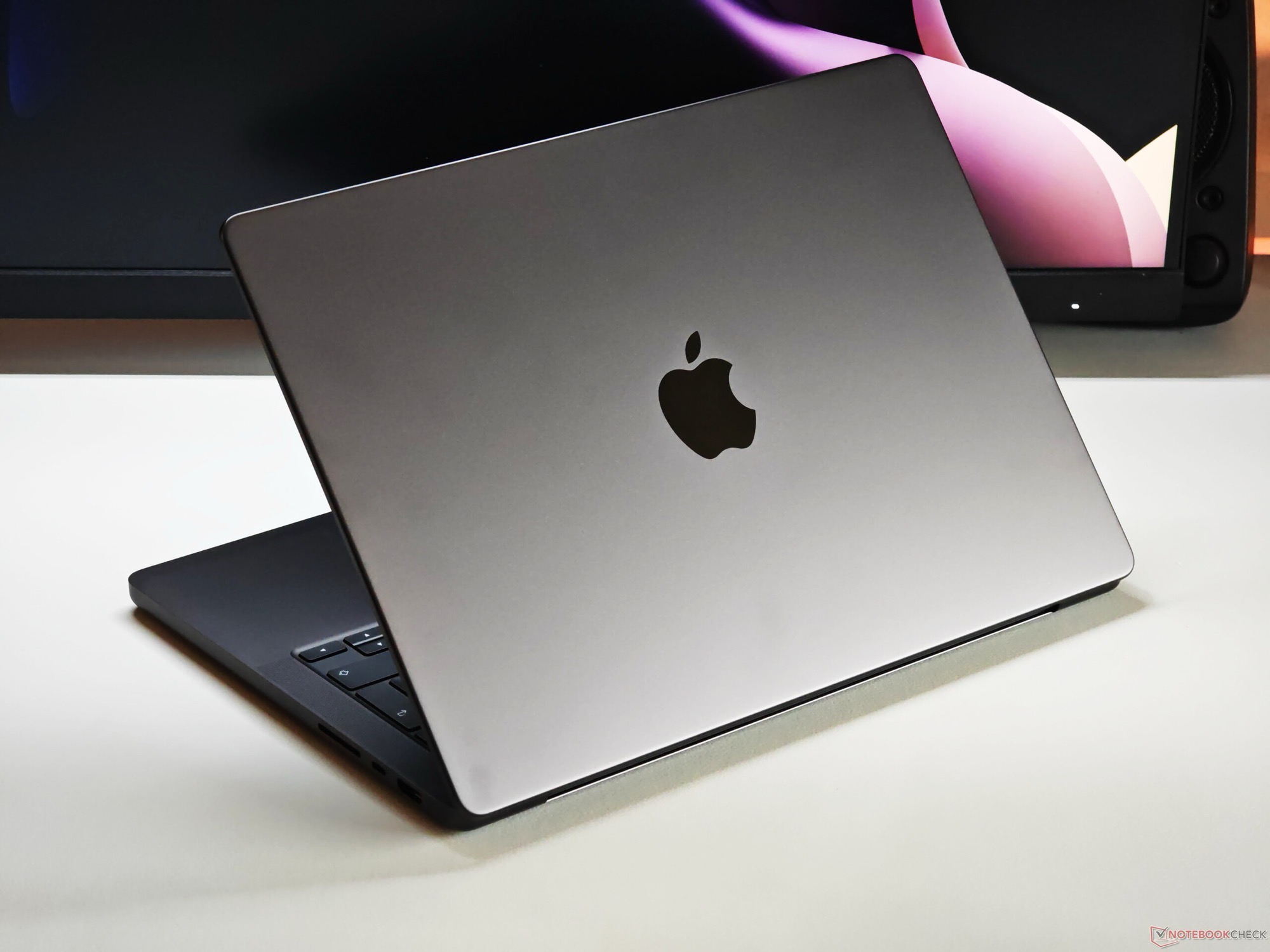
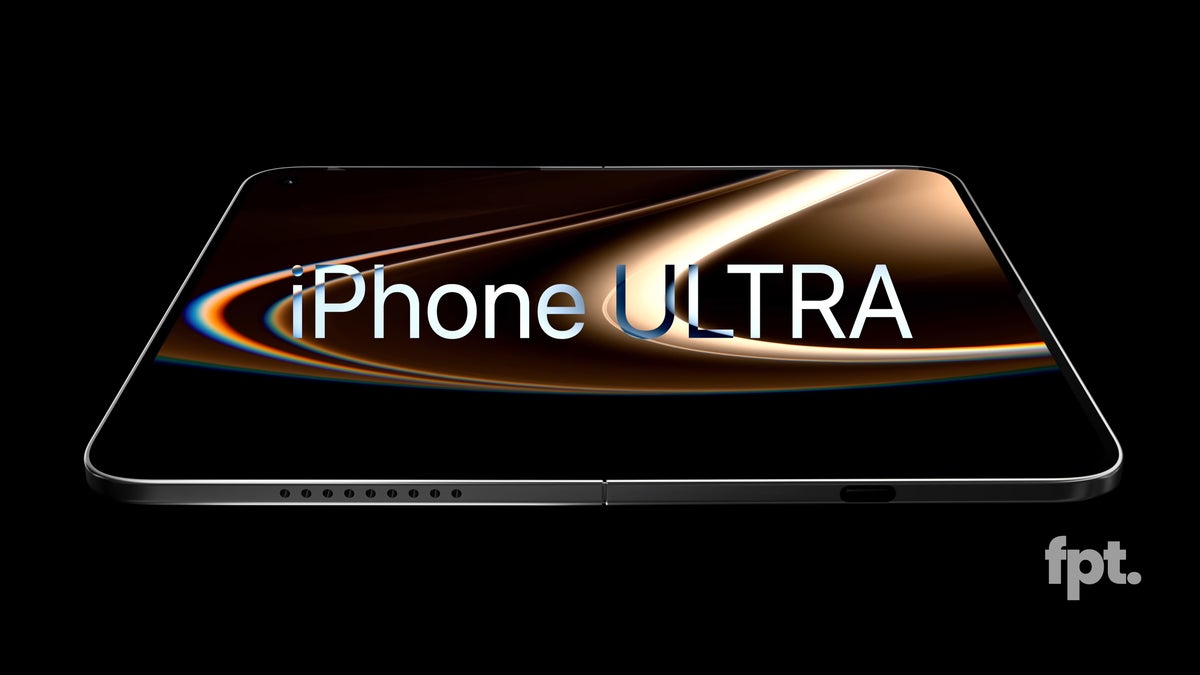
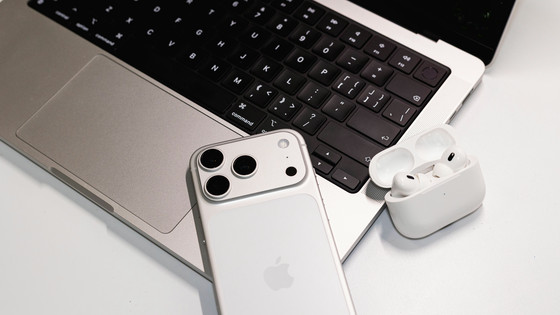
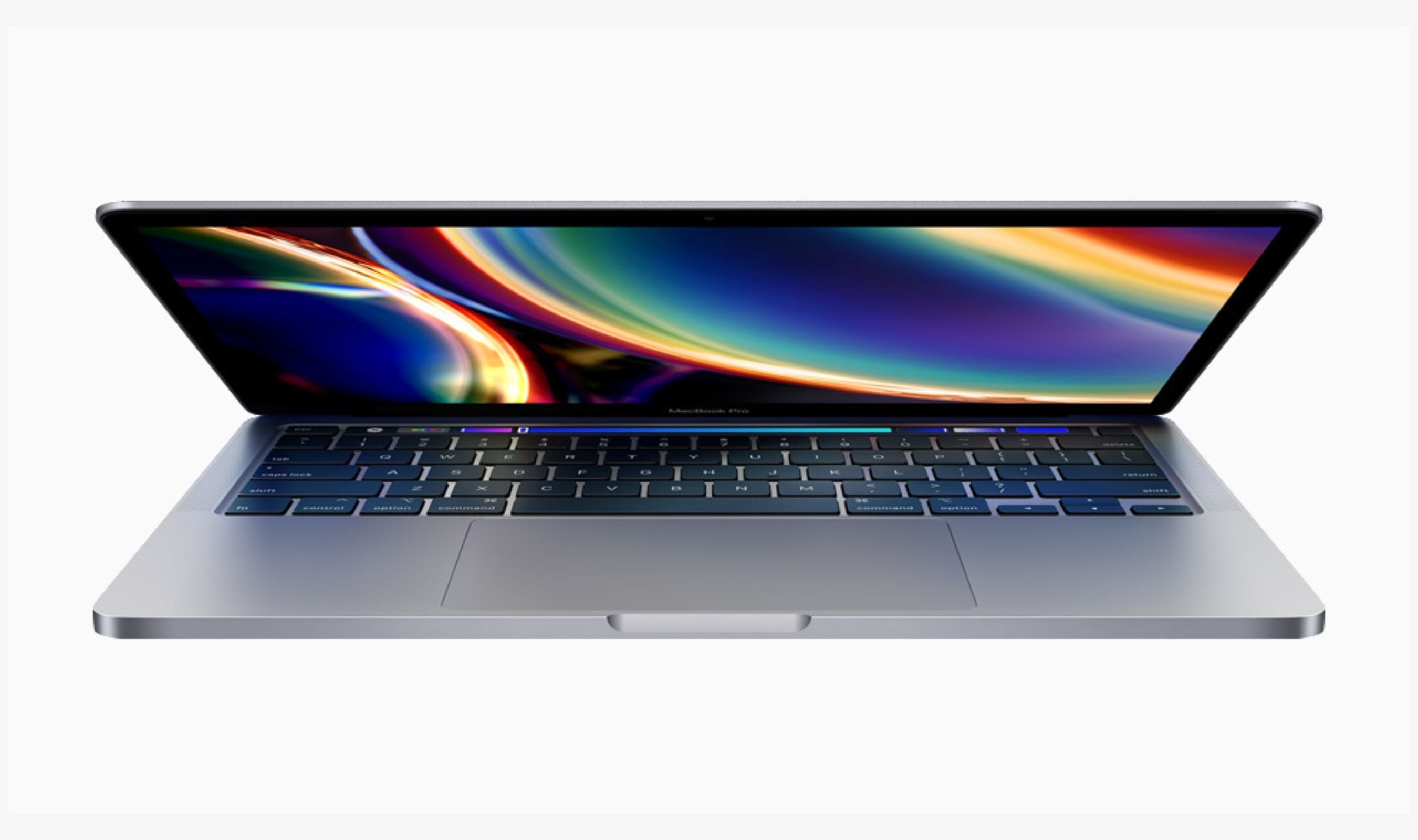
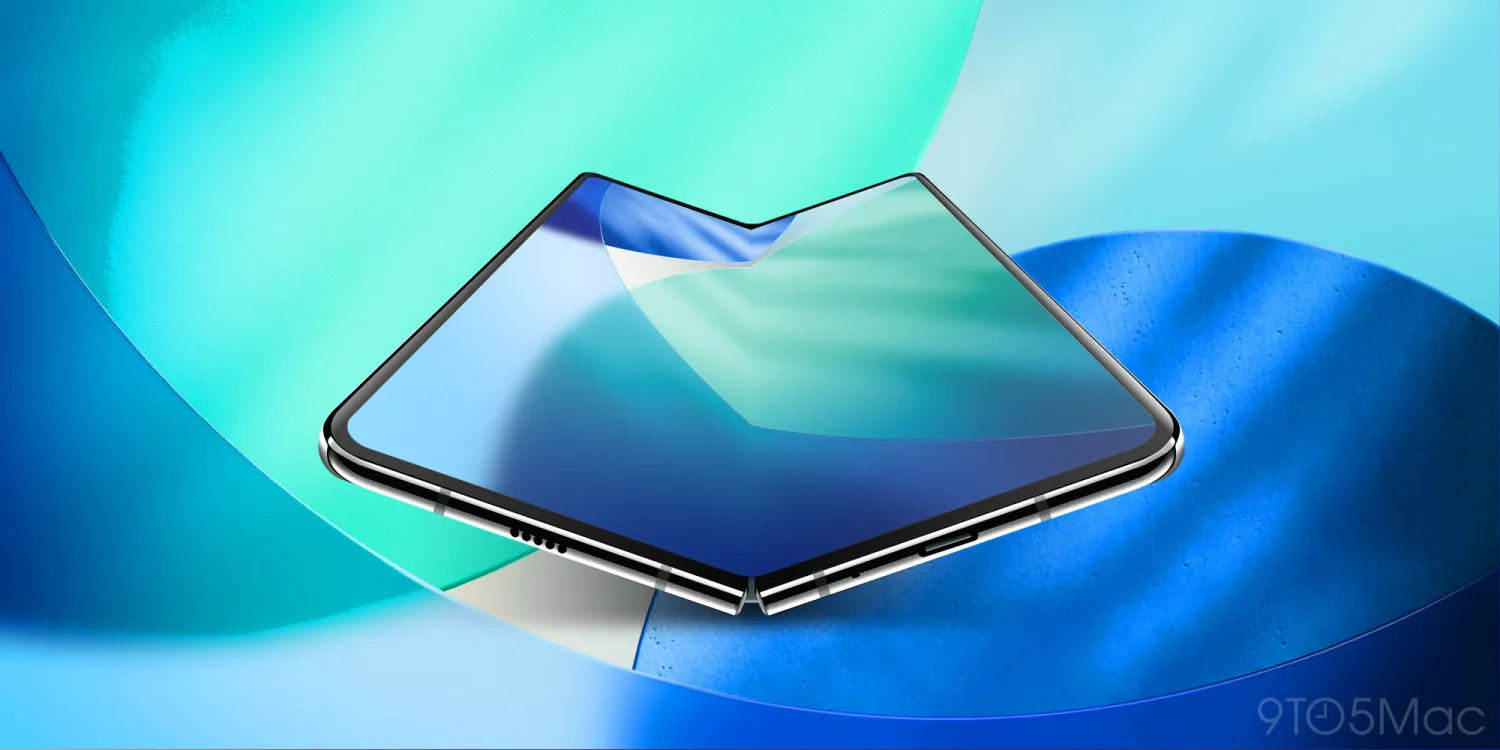
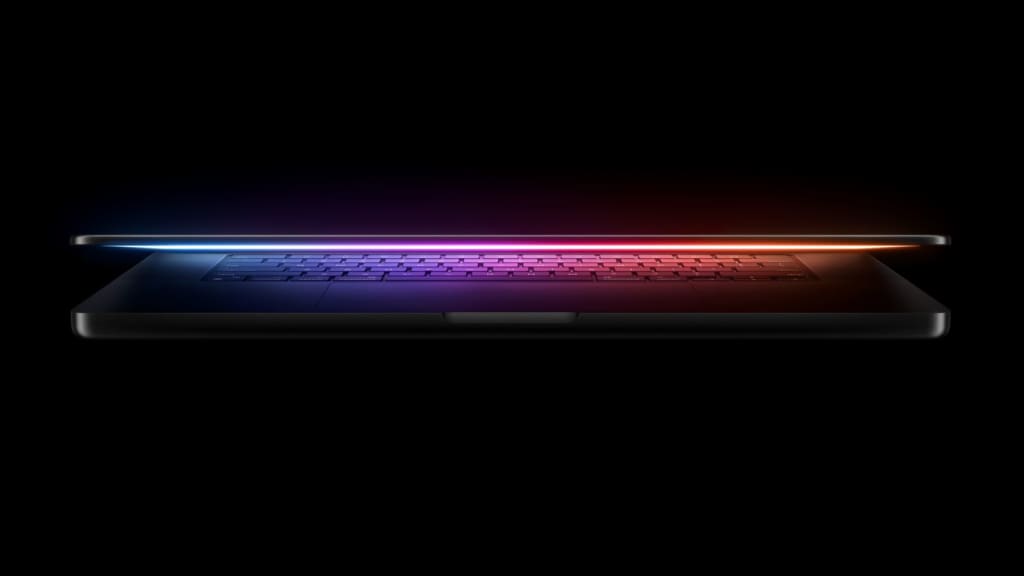
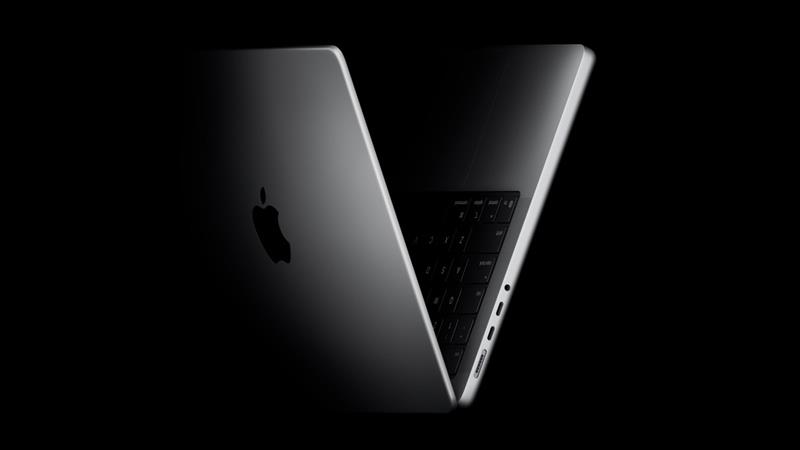
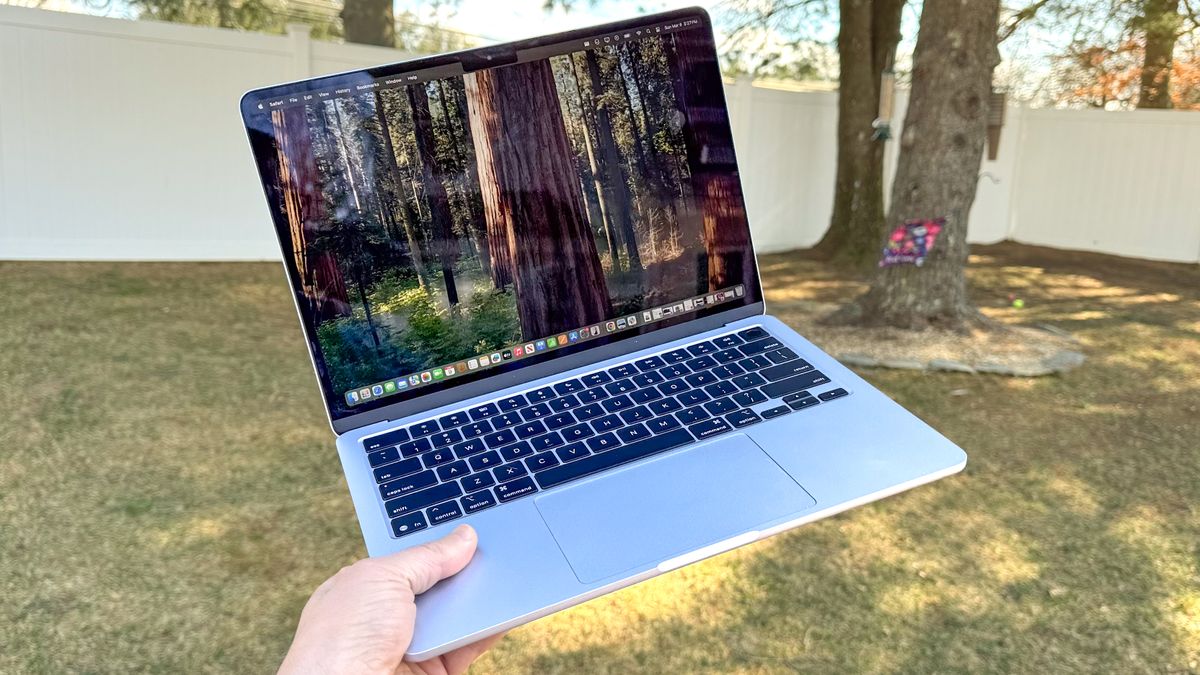
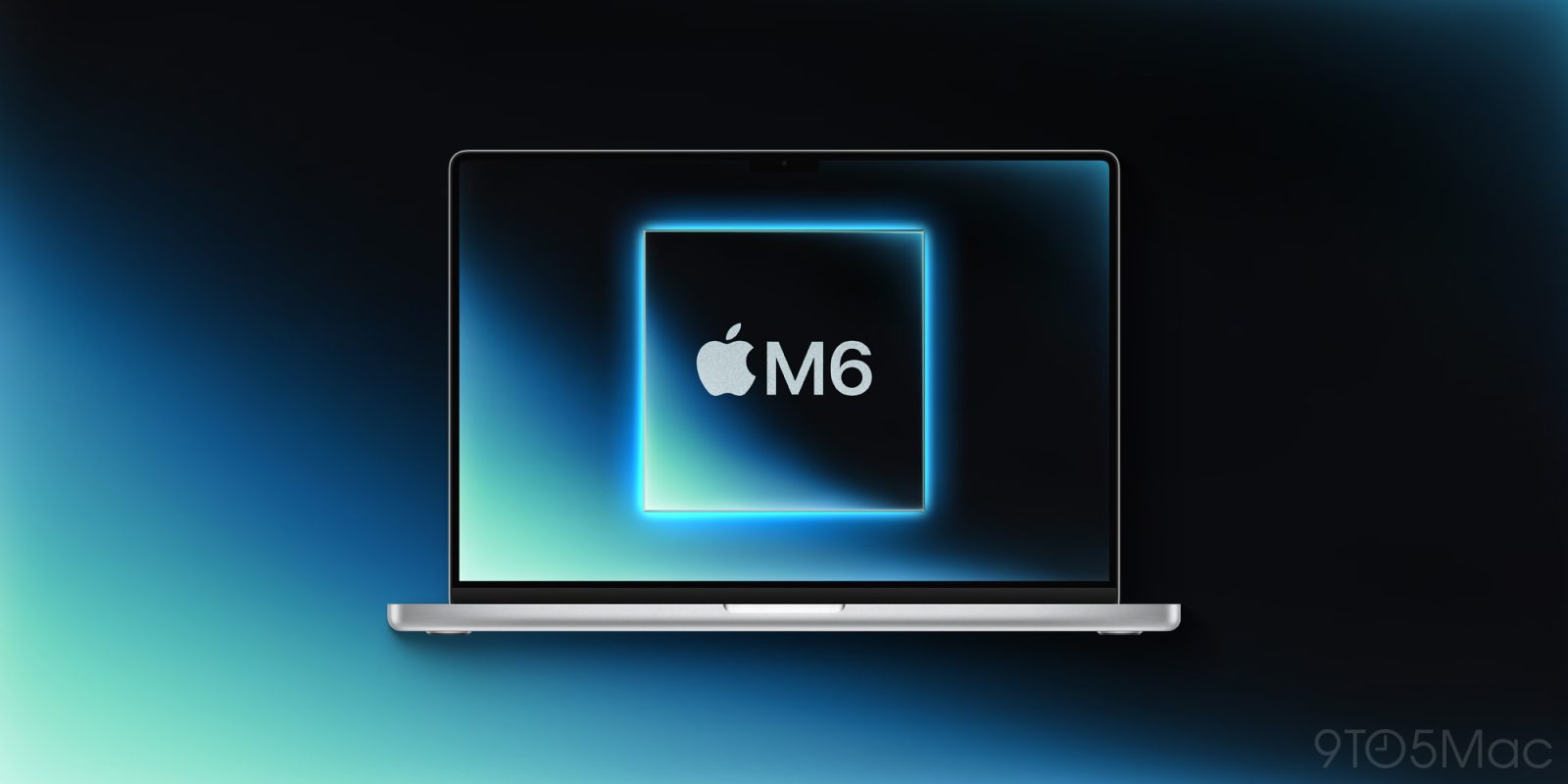
Apple's strategic pivot toward ultra-premium product positioning represents a significant opportunity for cross-border e-commerce sellers specializing in luxury electronics. According to Bloomberg's Mark Gurman, Apple is launching at least three flagship products in late 2026: a foldable iPhone retailing around $2,000, a touchscreen MacBook Ultra with OLED display (expected 20% price premium over M5 models), and next-generation AirPods featuring integrated computer-vision cameras. This dual-market strategy—simultaneously launching the budget MacBook Neo at $599 while expanding premium tiers—creates distinct inventory and positioning opportunities for sellers.
AI-Powered Inventory Optimization: Sellers can immediately deploy predictive analytics tools to forecast demand across Apple's tiered product ecosystem. Machine learning models analyzing historical OLED adoption patterns (iPhone X 2017, iPad Pro 2024) show consistent 20% price premiums and 35-45% higher profit margins on premium variants. Sellers should use AI-driven demand forecasting to allocate inventory between budget ($599 MacBook Neo) and ultra-premium ($2,000+ iPhone Ultra) segments, reducing overstock risk by 25-30%. Tools like Keepa, Jungle Scout, and Helium 10 can track competitor pricing strategies across Amazon, eBay, and specialized electronics retailers, enabling dynamic pricing adjustments that capture margin expansion during launch windows.
Dynamic Pricing & Competitive Intelligence: The MacBook Ultra's Q4 2026 launch timing provides 18+ months for sellers to build competitive moats through AI-powered pricing intelligence. Historical data shows Apple premium products command 15-25% price premiums on authorized reseller platforms compared to standard models. Sellers can implement automated repricing algorithms that adjust margins based on inventory velocity, competitor positioning, and regional demand signals. For Asia-Pacific markets (particularly China, Japan, South Korea), where luxury electronics command 30-40% higher valuations, AI sentiment analysis of social media and review platforms can identify emerging demand signals 4-6 weeks before official launches, enabling first-mover advantages in inventory positioning.
Regulatory Compliance Automation: The integration of cameras into AirPods Ultra creates new compliance requirements across regions. EU GDPR, China's data protection laws, and US FTC regulations require updated privacy disclosures and data handling documentation. Sellers can deploy AI-powered compliance automation tools to generate region-specific product listings, privacy policies, and regulatory documentation automatically. This reduces compliance preparation time from 40-60 hours per product to 8-12 hours, enabling faster market entry. Sellers should immediately audit current Apple product listings for privacy/data collection disclosures and prepare template documentation for camera-equipped devices by Q2 2026.
Market Segmentation Intelligence: Apple's explicit dual-market approach signals that sellers should segment inventory and marketing strategies by buyer persona. Premium segment buyers (willing to pay $2,000+ for foldable iPhone) typically have 3-5x higher lifetime value and lower price sensitivity. AI-powered customer segmentation can identify high-value buyer profiles in existing customer databases, enabling targeted marketing campaigns 60-90 days before launch. Sellers in Asia-Pacific markets should prioritize inventory allocation to premium segments, where luxury electronics maintain 40-50% higher demand than budget alternatives.
Questions 8
What are the cost-benefit implications of AI adoption for Apple premium product reselling?
AI-powered inventory optimization reduces overstock risk by 25-30%, translating to $15,000-40,000 annual savings for sellers managing 500+ SKUs across Apple's product tiers. Dynamic pricing algorithms increase margins by 2-4 percentage points through real-time competitive intelligence, generating $8,000-25,000 additional annual profit on $500K+ annual revenue. Compliance automation reduces documentation preparation time by 80% (40-60 hours to 8-12 hours per product), saving $2,000-5,000 in legal/compliance costs per product launch. Demand forecasting accuracy improvements of 15-20% enable better inventory allocation and reduce capital tied up in slow-moving inventory by $10,000-30,000. Total AI adoption ROI for premium electronics resellers ranges from 200-400% annually, with payback periods of 3-6 months for sellers implementing comprehensive AI strategies across pricing, inventory, and compliance functions.
How can sellers identify emerging demand signals for Apple Ultra products before official launches?
AI-powered sentiment analysis of social media platforms, tech forums, and review sites can identify emerging demand signals 4-6 weeks before official Apple announcements. Machine learning models analyzing search trends, social media mentions, and influencer discussions reveal buyer interest patterns and feature preferences. Sellers should monitor competitor inventory positioning, pricing strategies, and marketing campaigns across Amazon, eBay, and specialized electronics retailers to identify market gaps. Predictive analytics tools can forecast demand spikes by analyzing historical launch patterns, seasonal trends, and regional economic indicators. Early identification of demand signals enables sellers to secure inventory allocations from authorized distributors, establish competitive pricing positions, and execute targeted marketing campaigns before mainstream awareness drives price competition.