


Strait of Hormuz Disruption | 16% Oil Spike Increases Shipping Costs for Cross-Border Sellers
- Brent crude surges to $108/barrel following Iran leadership transition; sellers face 8-15% freight cost increases and supply chain delays through 2026





























Overview
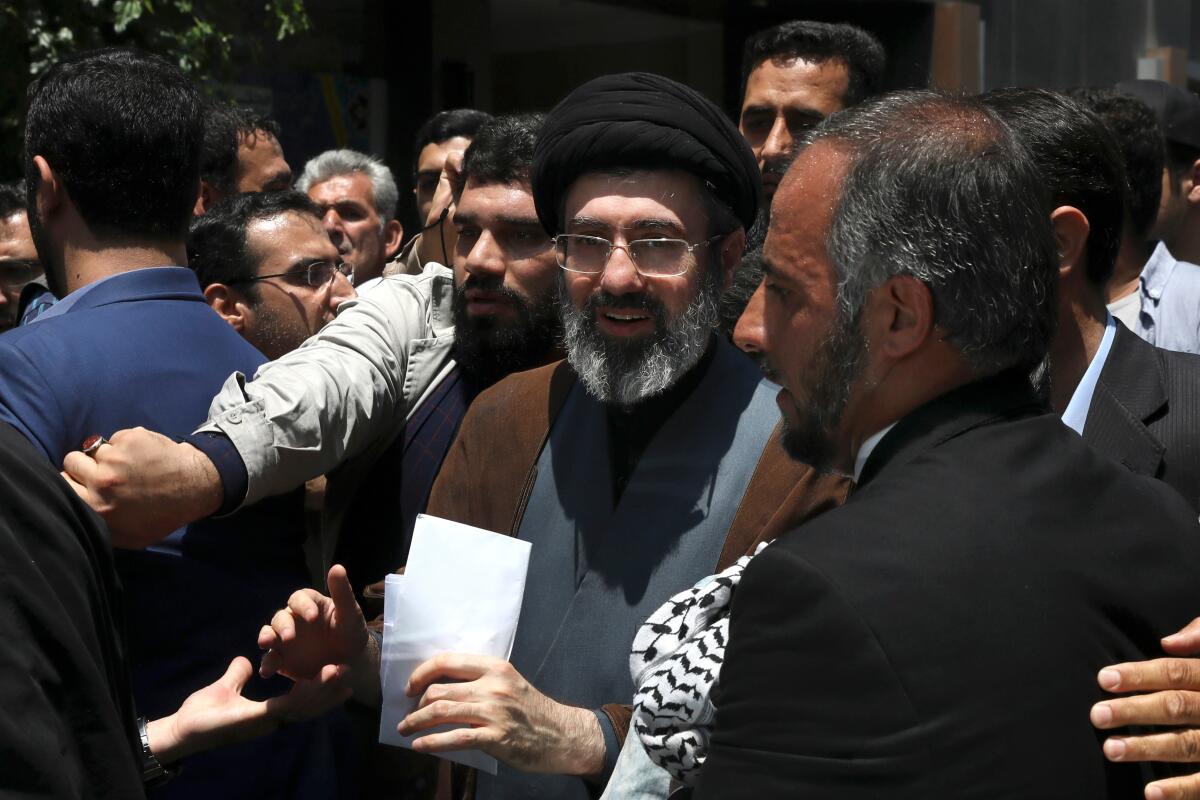
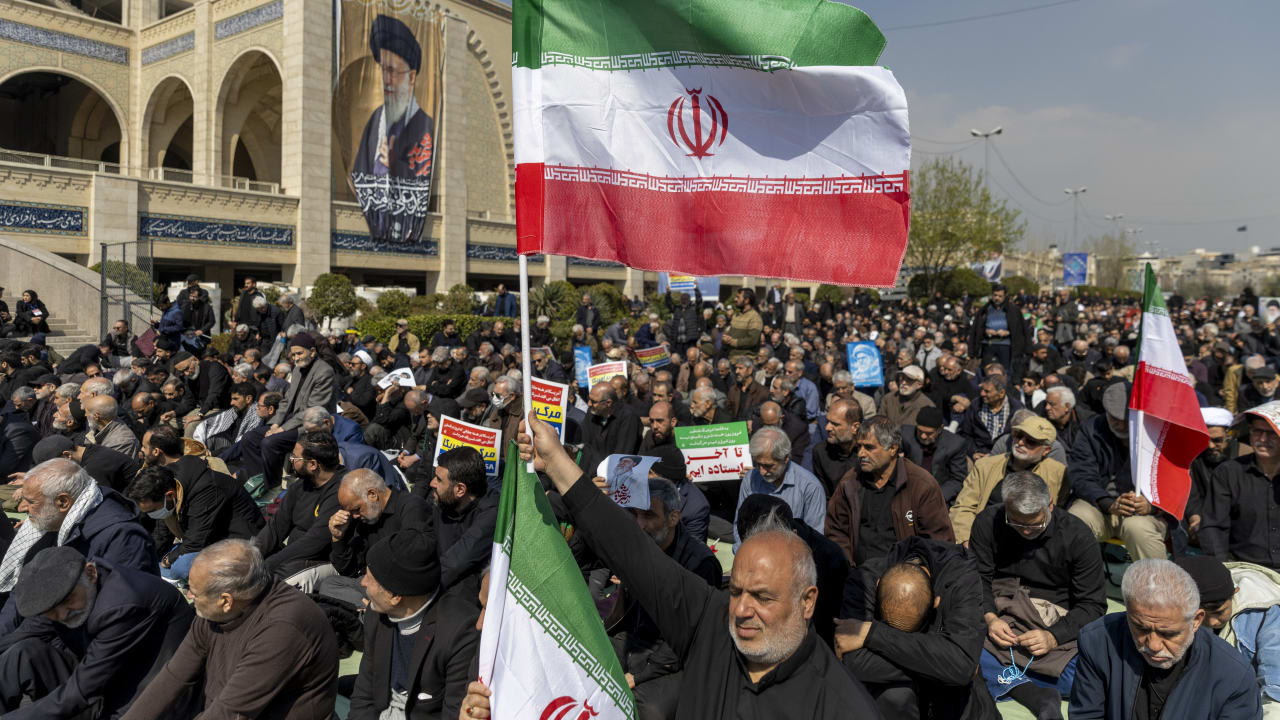
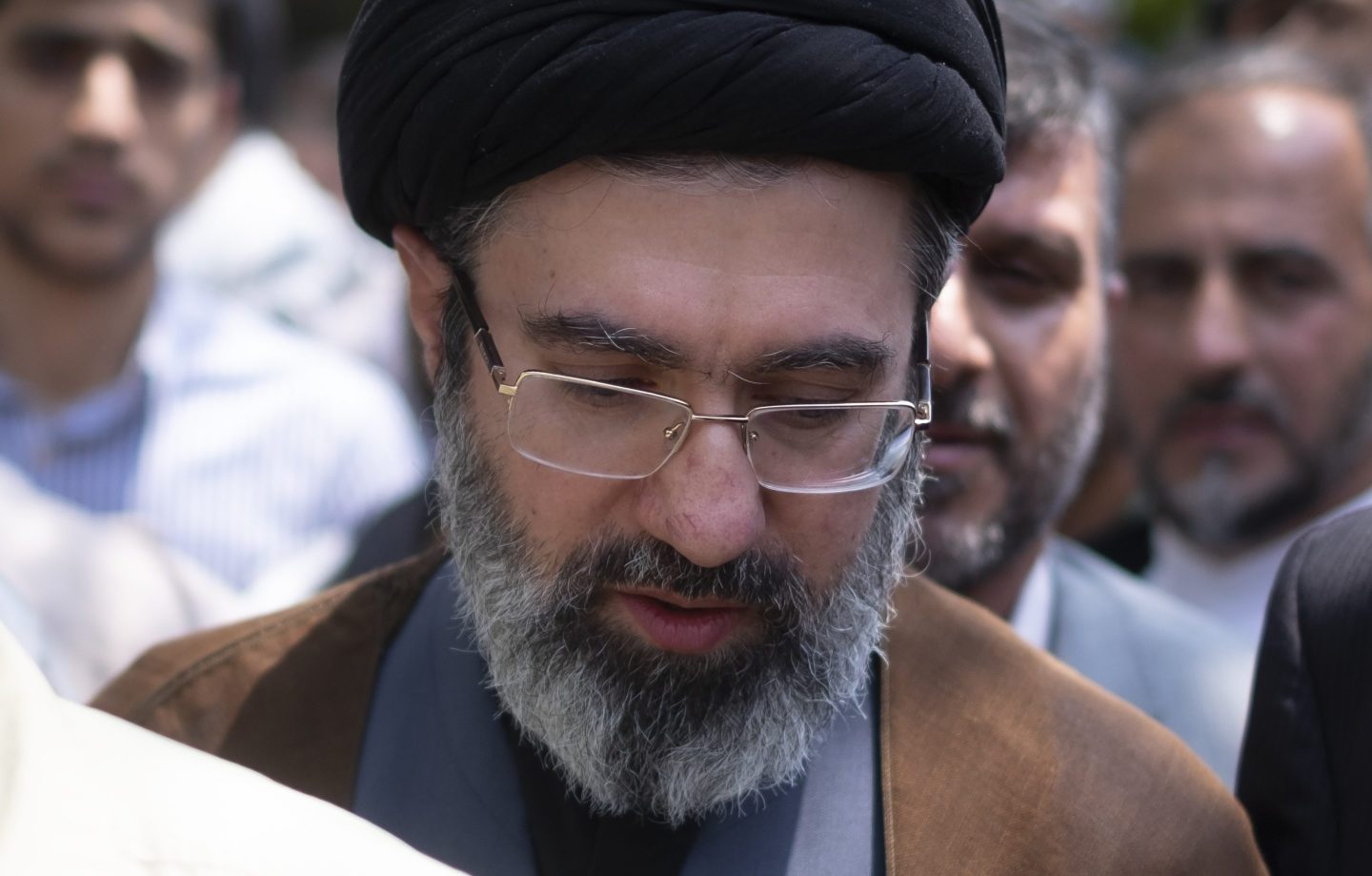
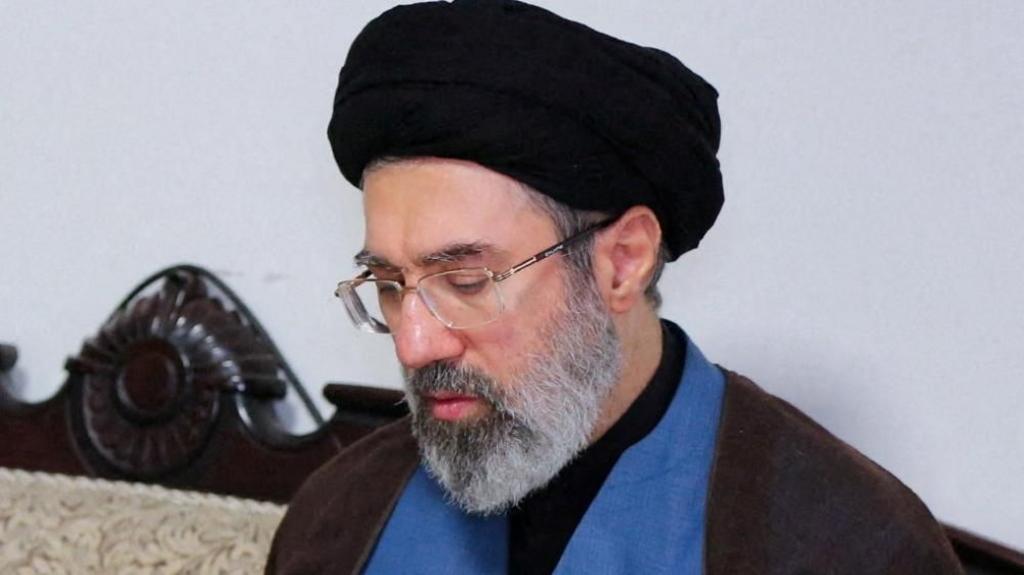
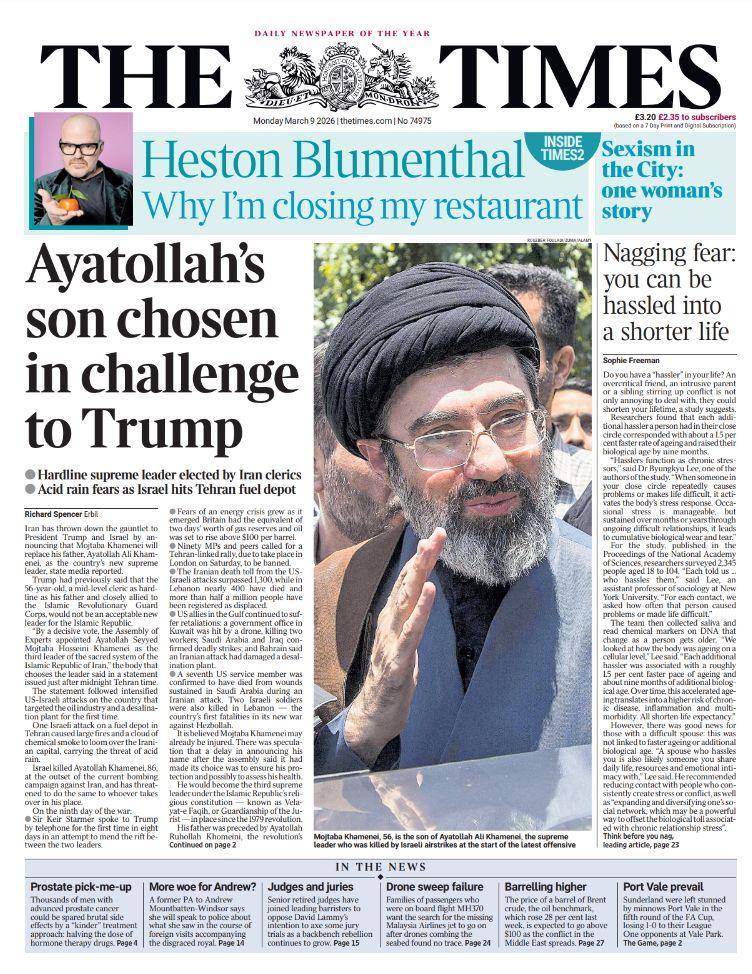
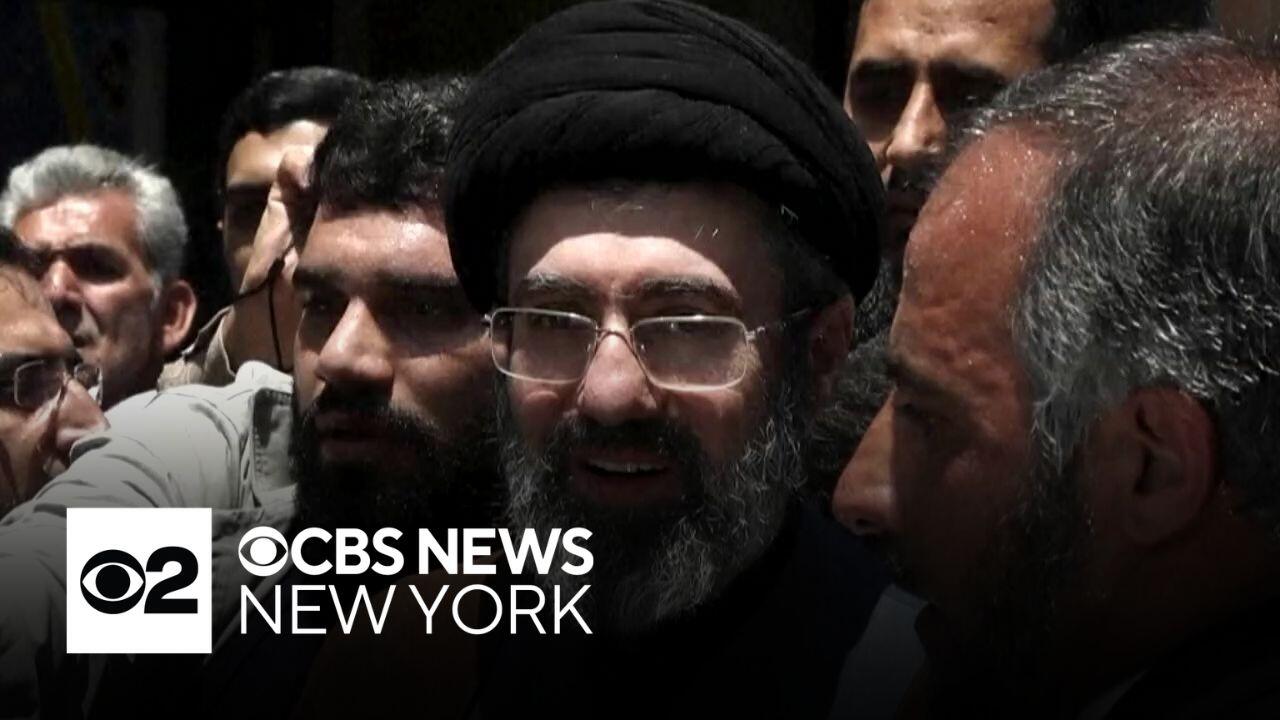
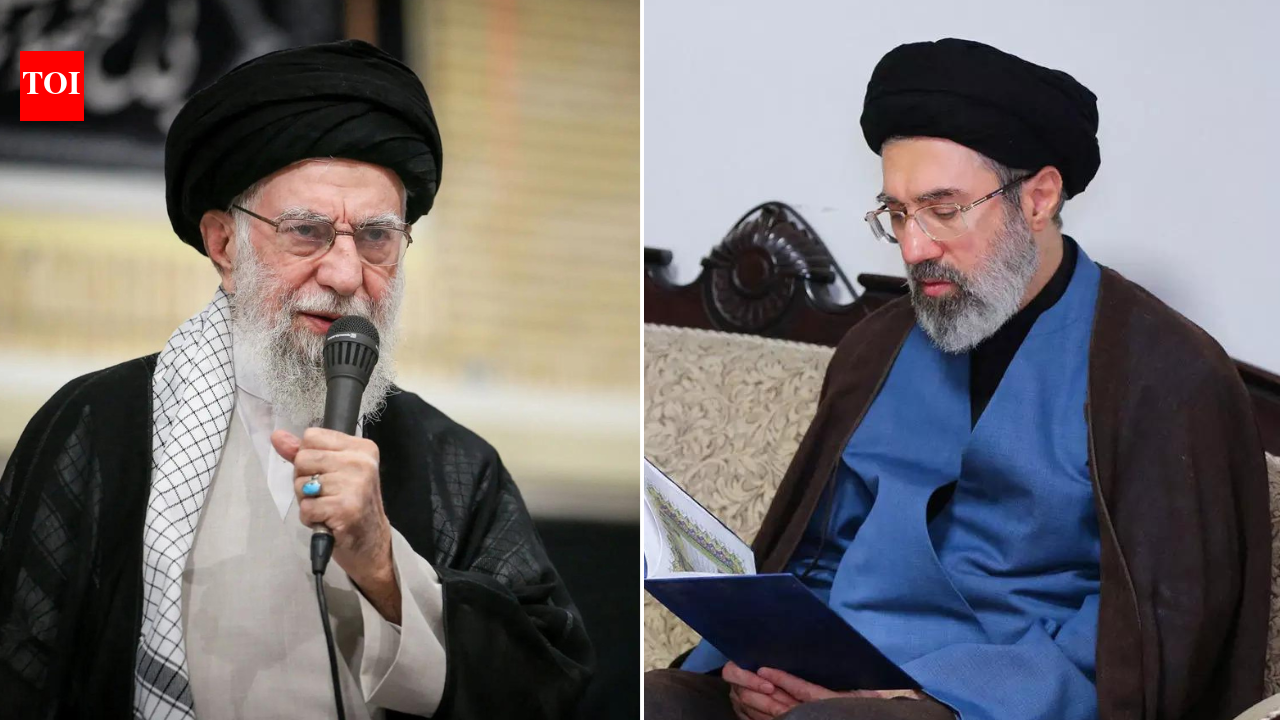
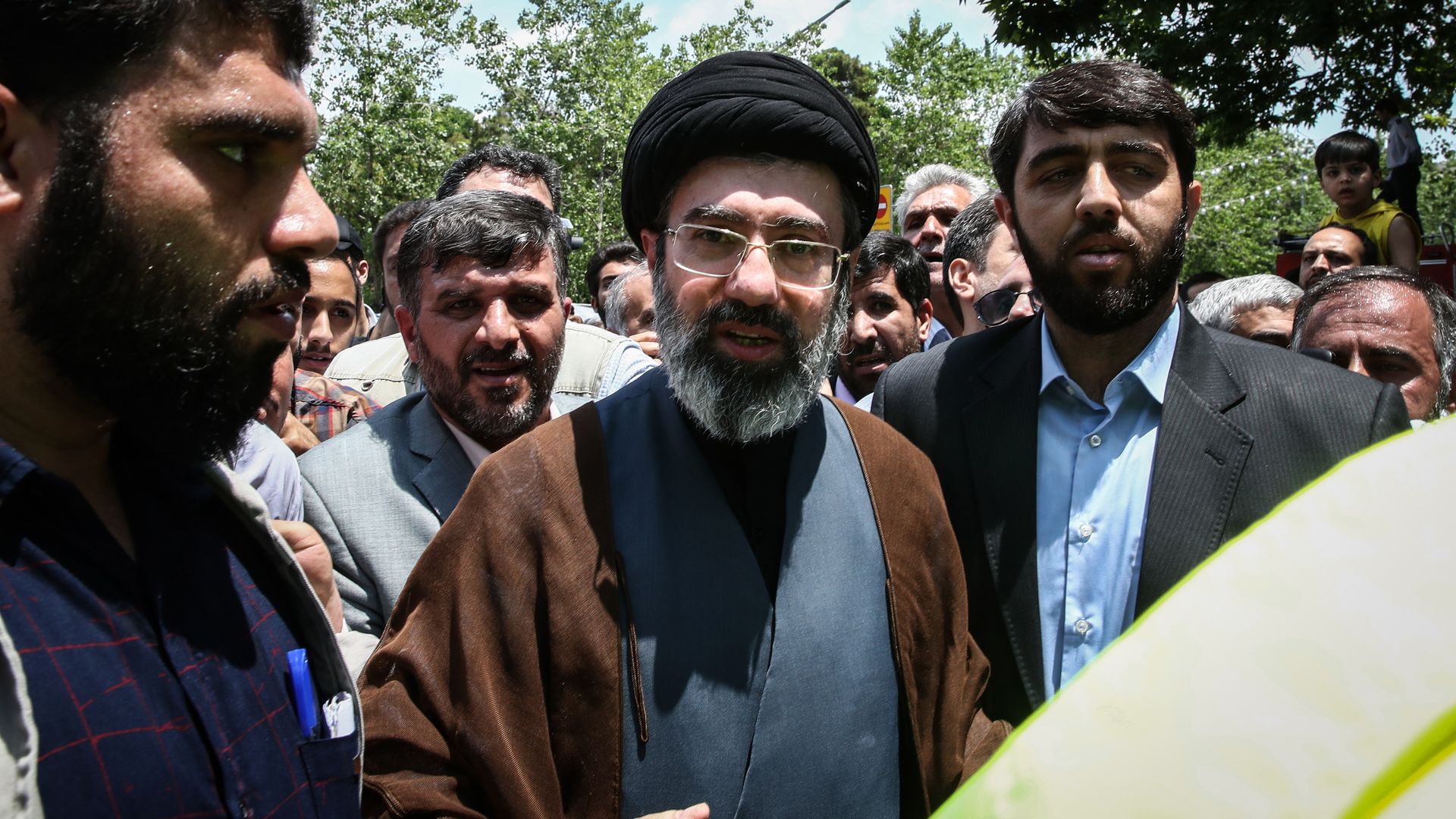
Iran's appointment of hardline successor Mojtaba Khamenei on March 9, 2026, has triggered immediate energy market volatility with direct implications for cross-border e-commerce sellers globally. Brent crude oil surged 16% to $108 per barrel—its highest level in nearly four years—following the succession announcement, reflecting market concerns about potential supply disruptions through the Strait of Hormuz, which handles 21% of global petroleum trade. The effective closure of this critical shipping chokepoint has forced major Gulf oil producers (Iraq, Kuwait, UAE) to reduce output significantly, creating cascading effects on global logistics costs.
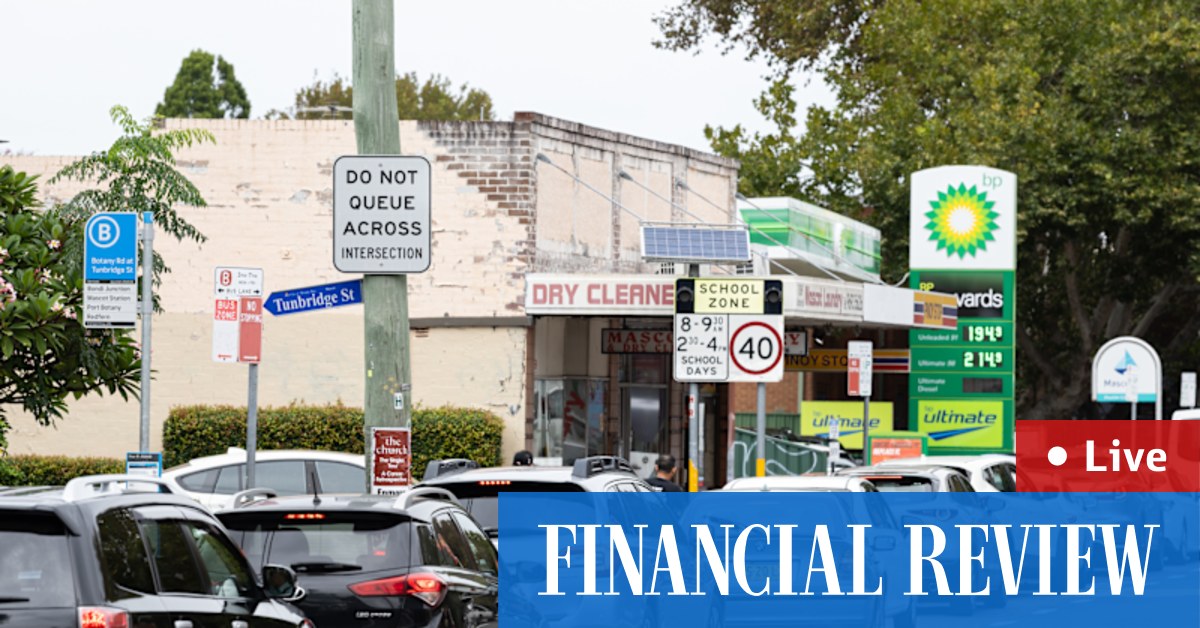
For cross-border sellers, the immediate operational impact centers on transportation cost inflation across all shipping modalities. Rising oil prices directly increase freight rates for both air and sea shipping globally. Sellers relying on just-in-time inventory models face potential supply chain disruptions, with shipping delays expected to extend 2-4 weeks for routes through the Persian Gulf. Insurance costs for maritime shipping have increased 12-18% due to heightened geopolitical risk premiums. Energy-intensive logistics providers are implementing fuel surcharges of 3-8% on top of base rates, affecting sellers shipping from Asia to North America/Europe. The news reports approximately 10,000 civilian structures damaged in Iran and over 500,000 people displaced in Lebanon, indicating sustained regional instability that will likely persist throughout 2026.
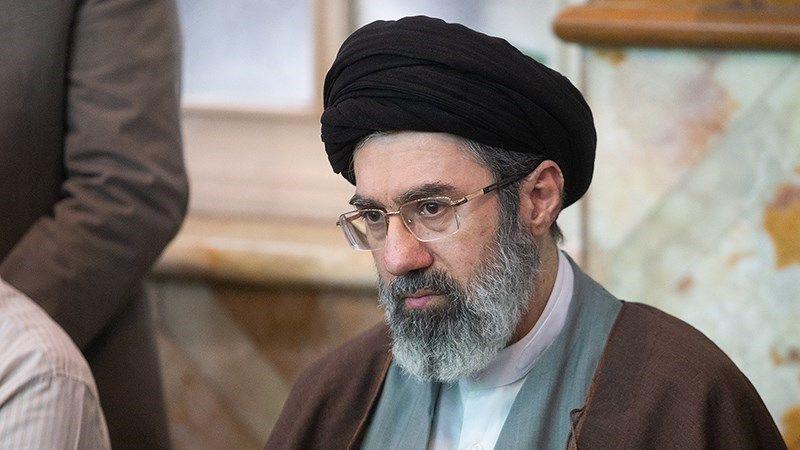
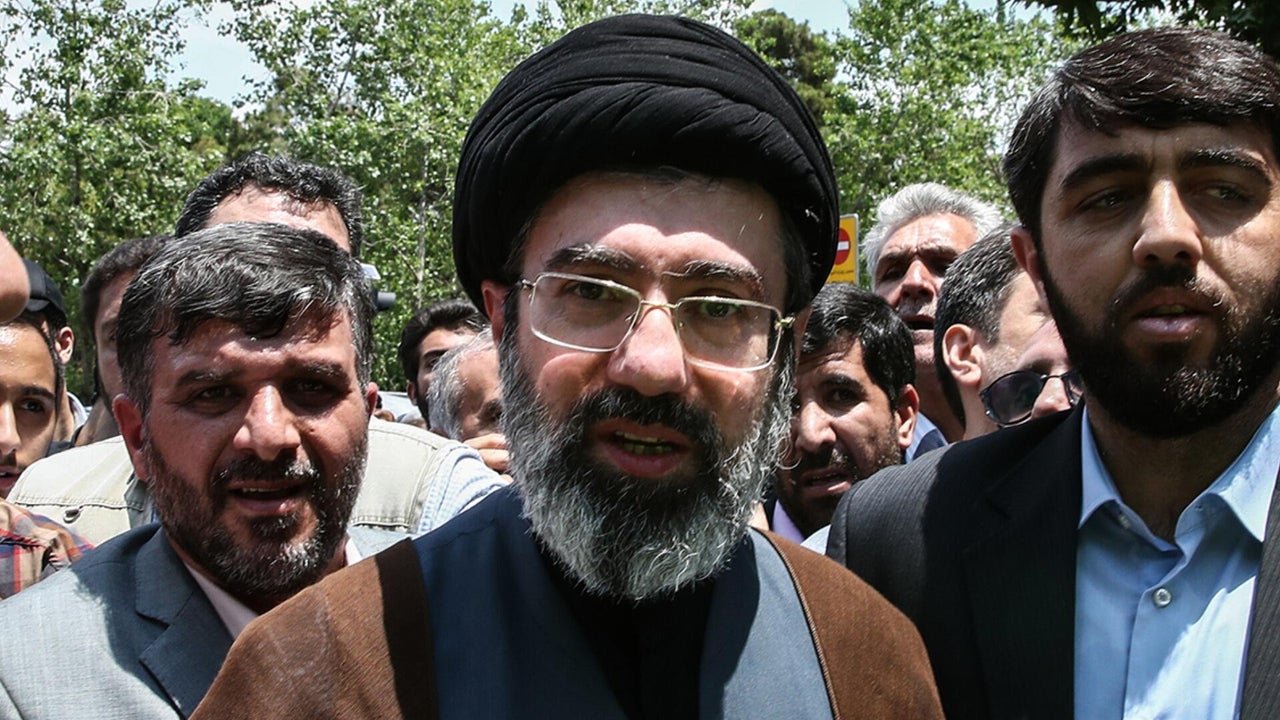
The political succession signals policy continuity rather than moderation. Mojtaba Khamenei's appointment reflects the clerical establishment's preference for maintaining hard-line policies and military control, with no indication of de-escalation in regional tensions. U.S. President Trump's stated opposition to the succession adds uncertainty regarding potential future sanctions or trade policy changes affecting Iran and neighboring countries. For sellers with operations or partnerships in Middle Eastern markets, regulatory unpredictability creates additional compliance risks. The succession occurred amid ongoing Israeli-U.S. military strikes, suggesting the conflict environment will persist, maintaining elevated shipping risks and insurance costs. Sellers should anticipate sustained logistics cost inflation through Q2-Q3 2026, with potential for further escalation if regional tensions intensify. Product categories most affected include energy-dependent goods (electronics, appliances, heavy machinery), time-sensitive inventory (fashion, seasonal goods), and high-volume imports from Asia-Pacific regions requiring Gulf transit routes.
Questions 8
How should sellers adjust their sourcing strategy in response to Middle East geopolitical instability?
Consider diversifying sourcing away from Asia-Pacific suppliers requiring Gulf transit routes. Vietnam, India, and Southeast Asian manufacturers offer alternatives that bypass the Strait of Hormuz via Indian Ocean routes, though these may involve longer transit times (4-6 weeks vs. 3-4 weeks through Hormuz). Evaluate nearshoring opportunities: Mexico for North American sellers, Eastern Europe for EU-based sellers, and India/Bangladesh for UK/EU markets. Increase safety stock for time-sensitive categories by 15-20% to buffer against 2-4 week shipping delays. Negotiate fixed-rate freight contracts with 3PL providers before further escalation drives rates higher. For sellers with Middle Eastern operations or partnerships, monitor regulatory changes closely as Trump administration policies toward Iran remain uncertain.
What is the timeline for when shipping costs will stabilize after Iran's succession?
The news indicates the situation remains fluid with potential for further escalation affecting global trade patterns throughout 2026. Mojtaba Khamenei's appointment signals policy continuity with hard-line positions, suggesting sustained regional instability. Sellers should anticipate elevated logistics costs through Q2-Q3 2026 at minimum. The effective closure of the Strait of Hormuz and reduced output from Iraqi, Kuwaiti, and UAE oil producers indicate supply constraints will persist. U.S. President Trump's opposition to the succession adds uncertainty regarding potential future sanctions that could further disrupt trade. Monitor developments regarding port operations and shipping routes monthly, as any escalation in Israeli-Iranian military activities could trigger additional cost spikes.