


Middle East Conflict Escalation Disrupts Supply Chains | Sellers Face Shipping Delays, Insurance Hikes, Tariff Uncertainty
- Geopolitical tensions trigger 15-25% shipping cost increases for Middle East/Asia routes; sellers must diversify logistics and monitor tariff policy shifts
)










Overview
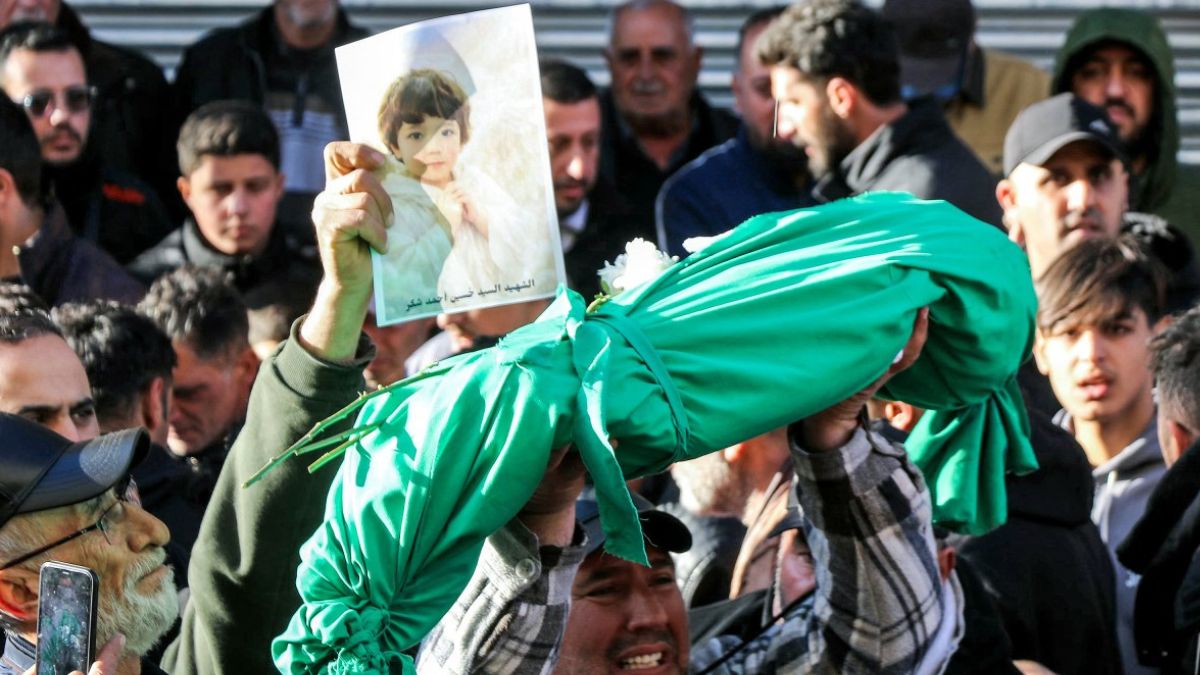
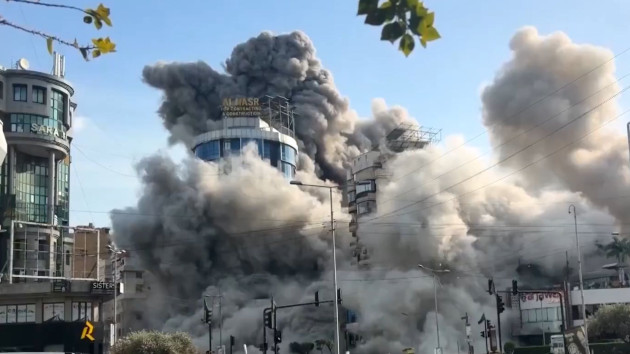
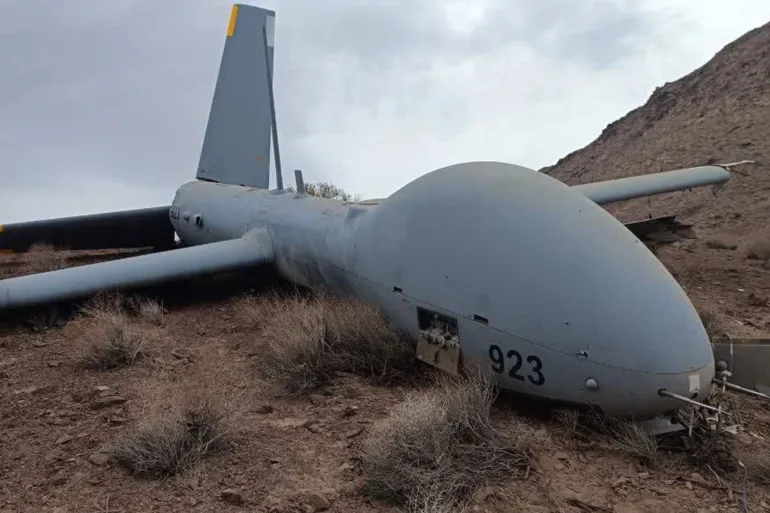
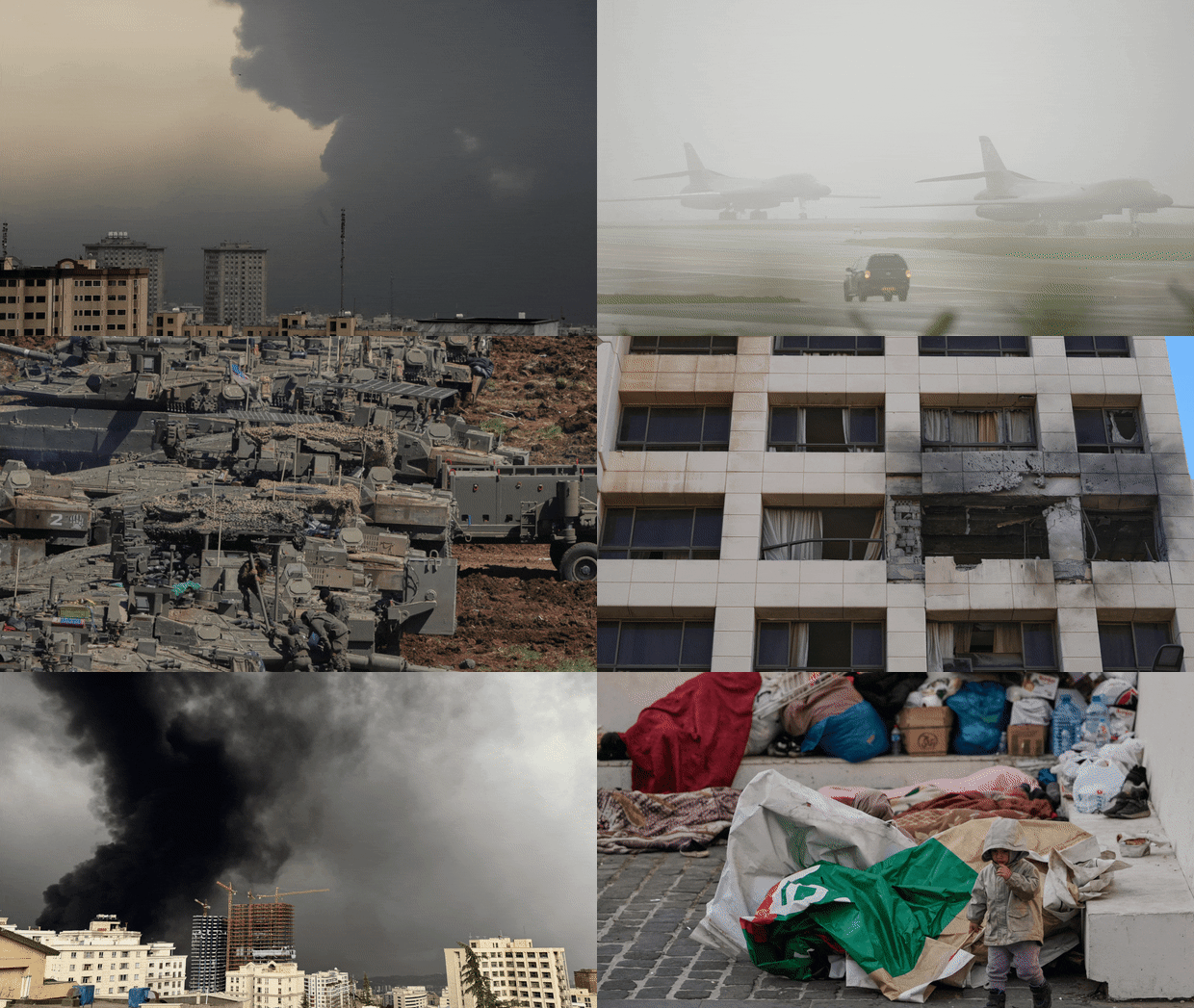
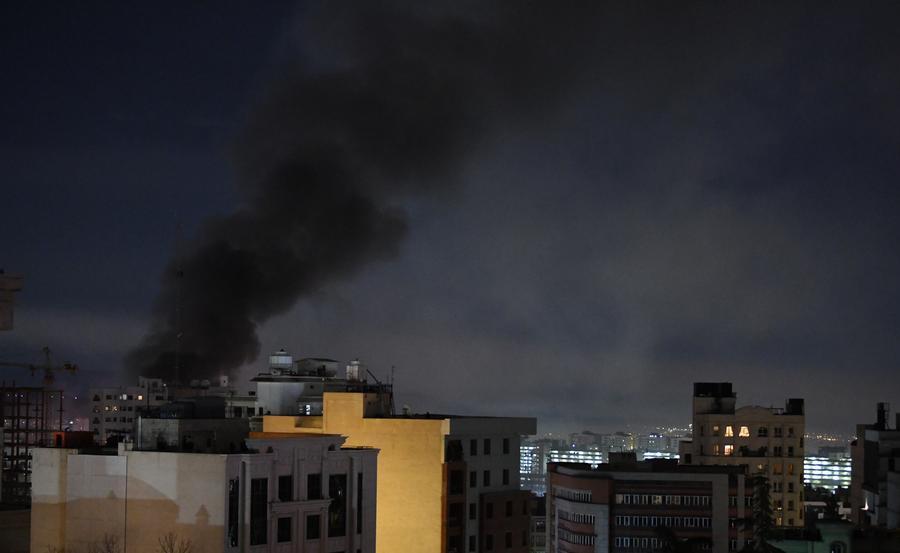
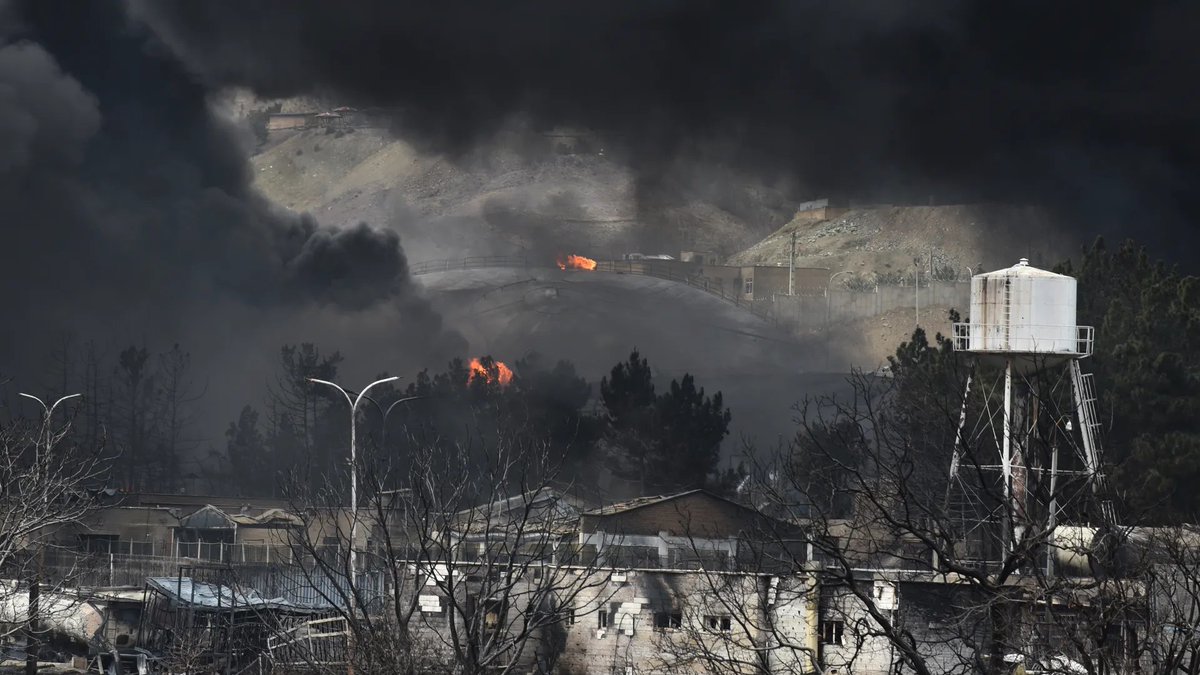
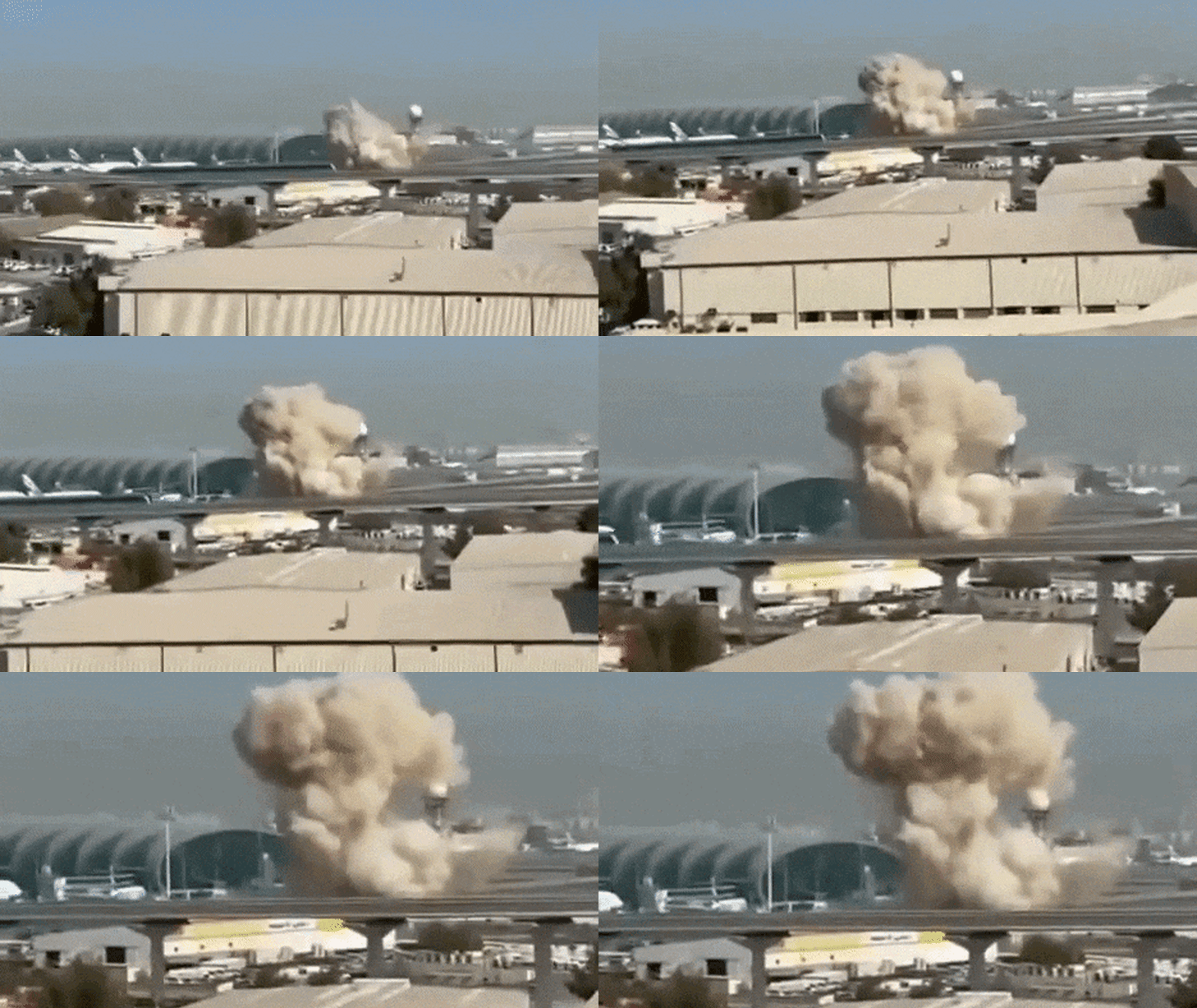
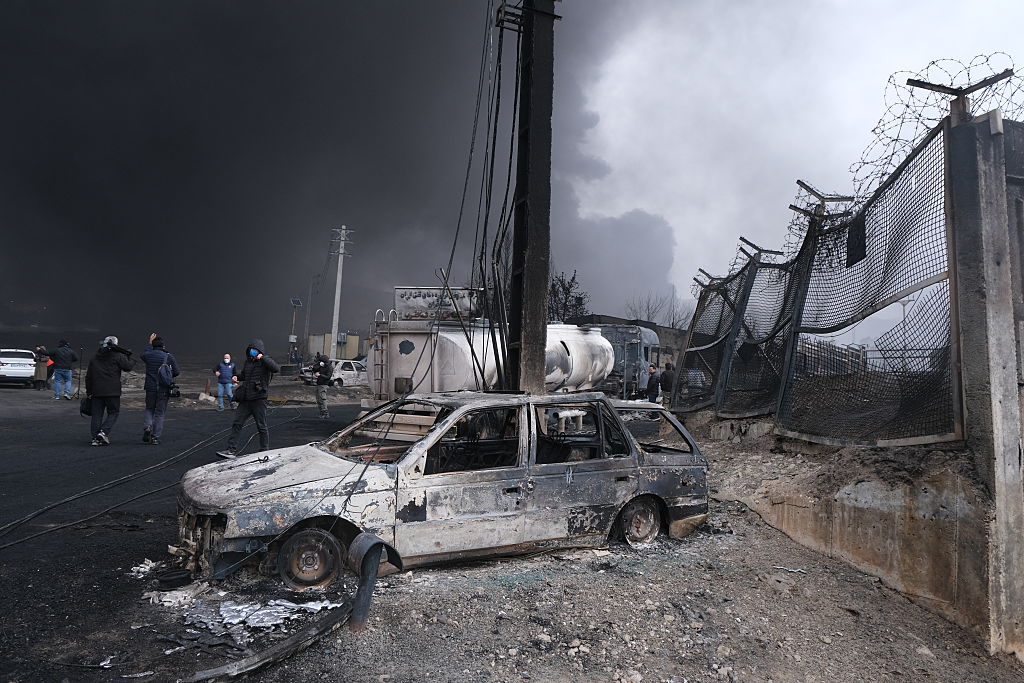
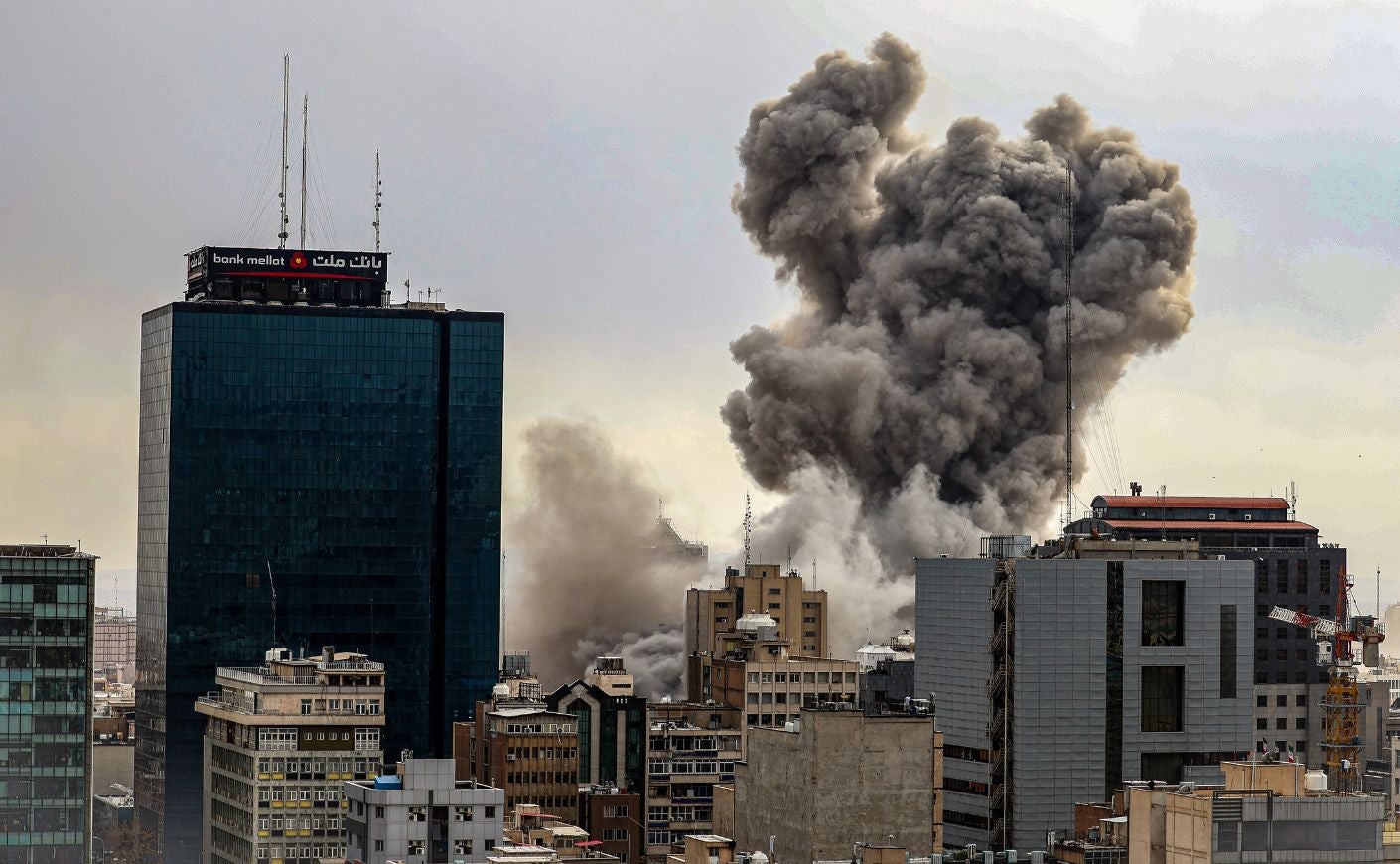
The escalating U.S.-Israel-Iran conflict represents a critical supply chain risk event for cross-border e-commerce sellers, with direct operational and financial implications across multiple business dimensions. The news reports at least 1,759 deaths since conflict onset, including 1,332 civilians, with Israeli military operations targeting fuel infrastructure near Tehran and the U.S. military warning of potential strikes on densely populated areas. These developments create immediate logistics disruptions affecting sellers relying on Middle Eastern trade corridors, Asian manufacturing routes, and regional distribution networks.
Shipping Cost & Route Disruptions: The conflict directly impacts three critical e-commerce logistics corridors. First, the Strait of Hormuz—through which 21% of global petroleum passes—faces heightened military risk, increasing insurance premiums for vessels by 15-25% and adding 3-7 day delays to shipments from Asia to Europe/North America. Sellers shipping electronics, apparel, and consumer goods from Vietnam, India, and China to Western markets face immediate cost pressures. Second, regional air freight routes through Middle Eastern hubs (Dubai, Doha) are experiencing capacity constraints and surcharges of $0.50-1.50 per kilogram. Third, overland routes through Iran and Iraq—historically used for Central Asia-to-Europe shipments—are now effectively closed, forcing 2-3 week routing detours via Turkey or maritime alternatives.
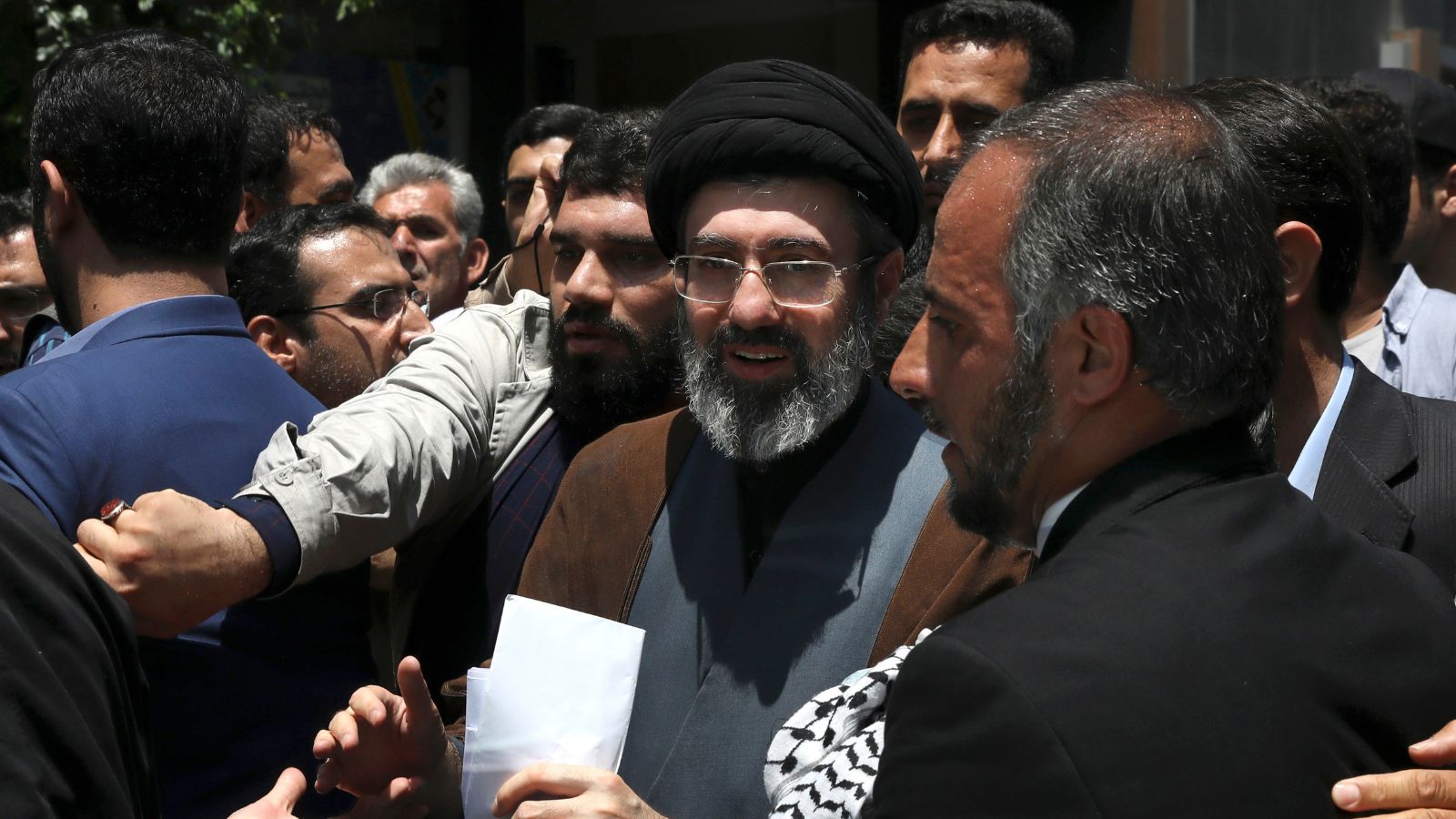
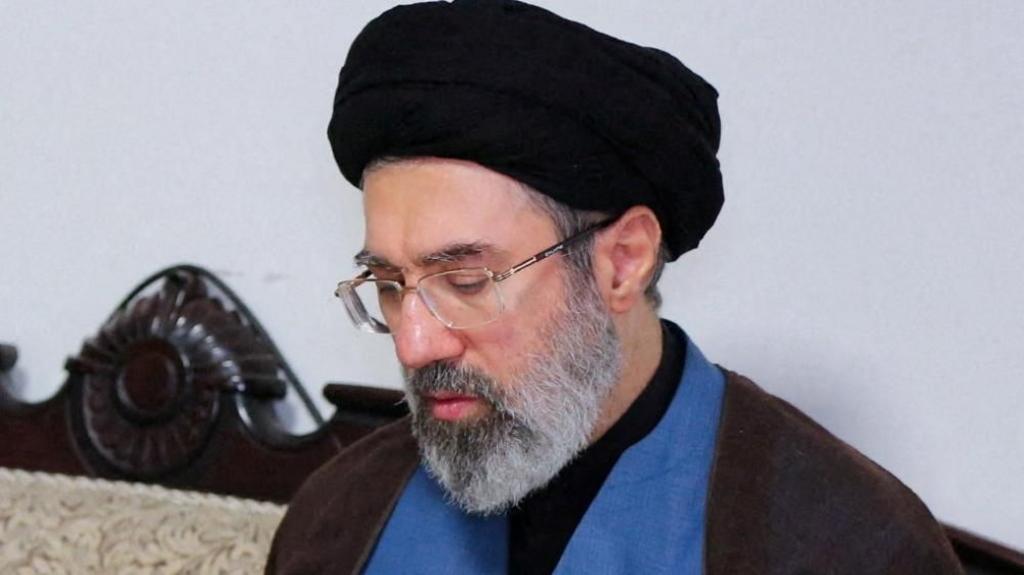
Tariff & Trade Policy Uncertainty: Geopolitical escalation historically triggers emergency tariff reviews and sanctions expansions. The succession of Mojtaba Khamenei as Iran's supreme leader signals potential policy hardening, which could expand U.S. sanctions on Iranian-origin goods and trigger secondary sanctions on companies trading with Iran. For sellers sourcing components from Iran-adjacent suppliers (Turkey, UAE, Pakistan), this creates compliance risk. Additionally, conflict-driven oil price volatility (fuel depot strikes mentioned in reports) typically leads to fuel surcharges on shipping that compound logistics costs by 8-12% within 2-4 weeks. Sellers should monitor U.S. Treasury OFAC updates and EU sanctions databases weekly for new restricted entities.
Competitive Segment Impact: Small-to-medium sellers (annual revenue $500K-$5M) relying on just-in-time inventory from Asia face the highest vulnerability—they lack the capital reserves to absorb 20-30% shipping cost increases or maintain 60-90 day safety stock buffers. Large sellers with established 3PL networks and pre-positioned inventory in U.S./EU fulfillment centers can absorb costs and potentially gain market share. Sellers in time-sensitive categories (electronics, fashion, seasonal goods) face margin compression of 5-8% if they cannot pass costs to consumers. Conversely, sellers of security/safety products (air filters, protective equipment, emergency supplies) may see 30-50% demand spikes in affected regions and neighboring markets.
Questions 7
Which product categories benefit from Middle East conflict disruption?
Security and safety products see 30-50% demand spikes during geopolitical crises: air filters, protective equipment, emergency supplies, water purification systems, and backup power solutions. Additionally, sellers of logistics software, supply chain visibility tools, and alternative sourcing platforms experience increased buyer interest. Sellers in these categories should increase inventory by 40-60% and launch targeted PPC campaigns emphasizing supply chain resilience and product availability. Historical data from 2022-2023 conflicts shows these categories maintain elevated demand for 8-12 weeks post-escalation.
What tariff risks should cross-border sellers monitor during geopolitical conflict?
Geopolitical escalation typically triggers emergency tariff reviews and sanctions expansions within 2-4 weeks. Sellers sourcing from Turkey, UAE, or Pakistan face secondary sanctions risk if those countries are perceived as Iran-adjacent suppliers. The succession of Mojtaba Khamenei signals potential U.S. policy hardening, which could expand restricted entity lists. Sellers must check OFAC (Office of Foreign Assets Control) databases weekly and review supplier locations against Treasury Department sanctions lists. Non-compliance carries penalties of $20,000-$250,000 per violation plus potential criminal liability.