



Middle East Geopolitical Escalation Drives Oil Surge to $100+ | Critical Supply Chain & Logistics Impact for Cross-Border Sellers
- Crude oil prices spike 25%+ above $100/barrel; shipping costs increase 8-15% for air freight and fuel-intensive logistics; Asian markets decline 7%+ amid regional infrastructure attacks on desalination and refinery facilities in Bahrain












Overview
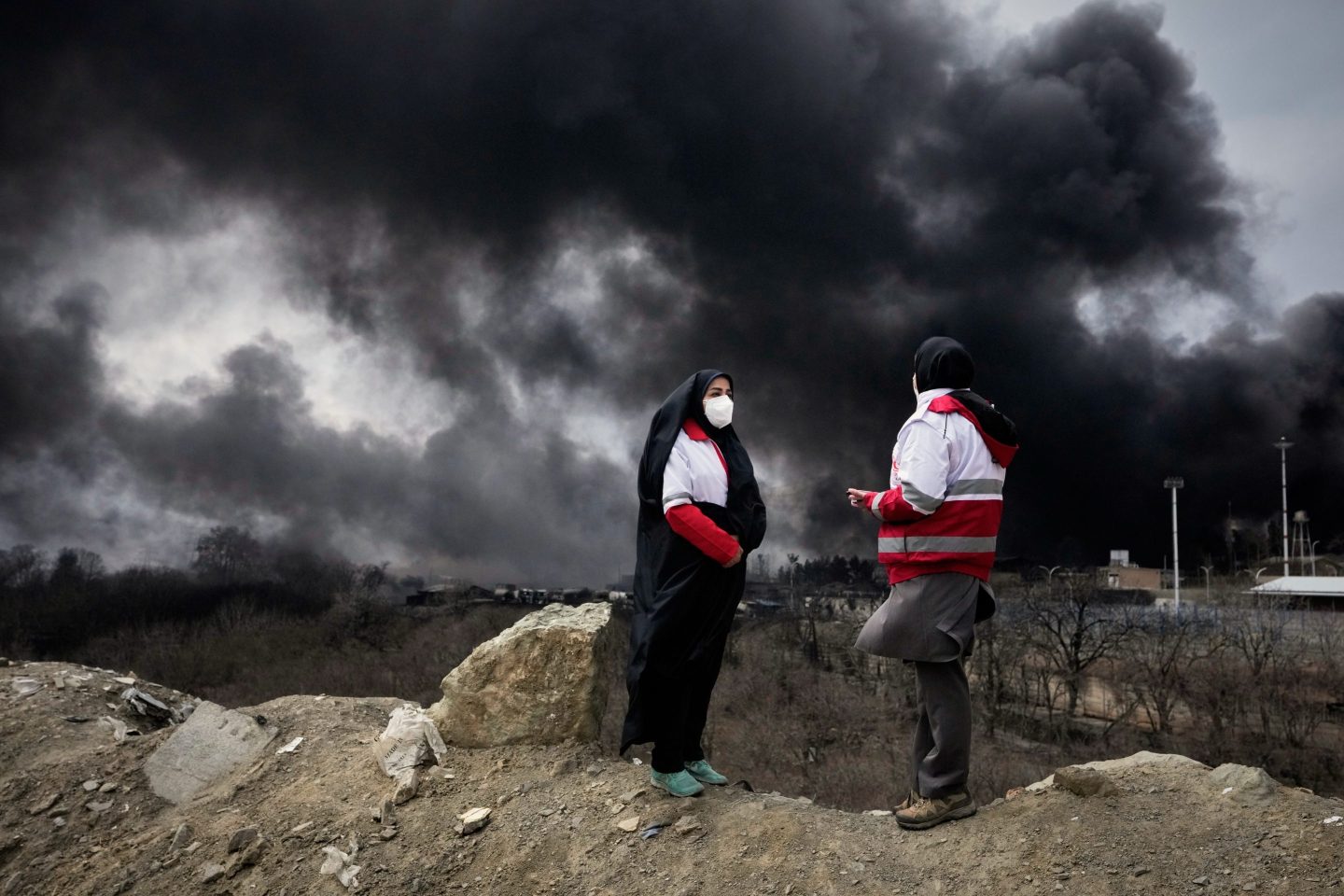
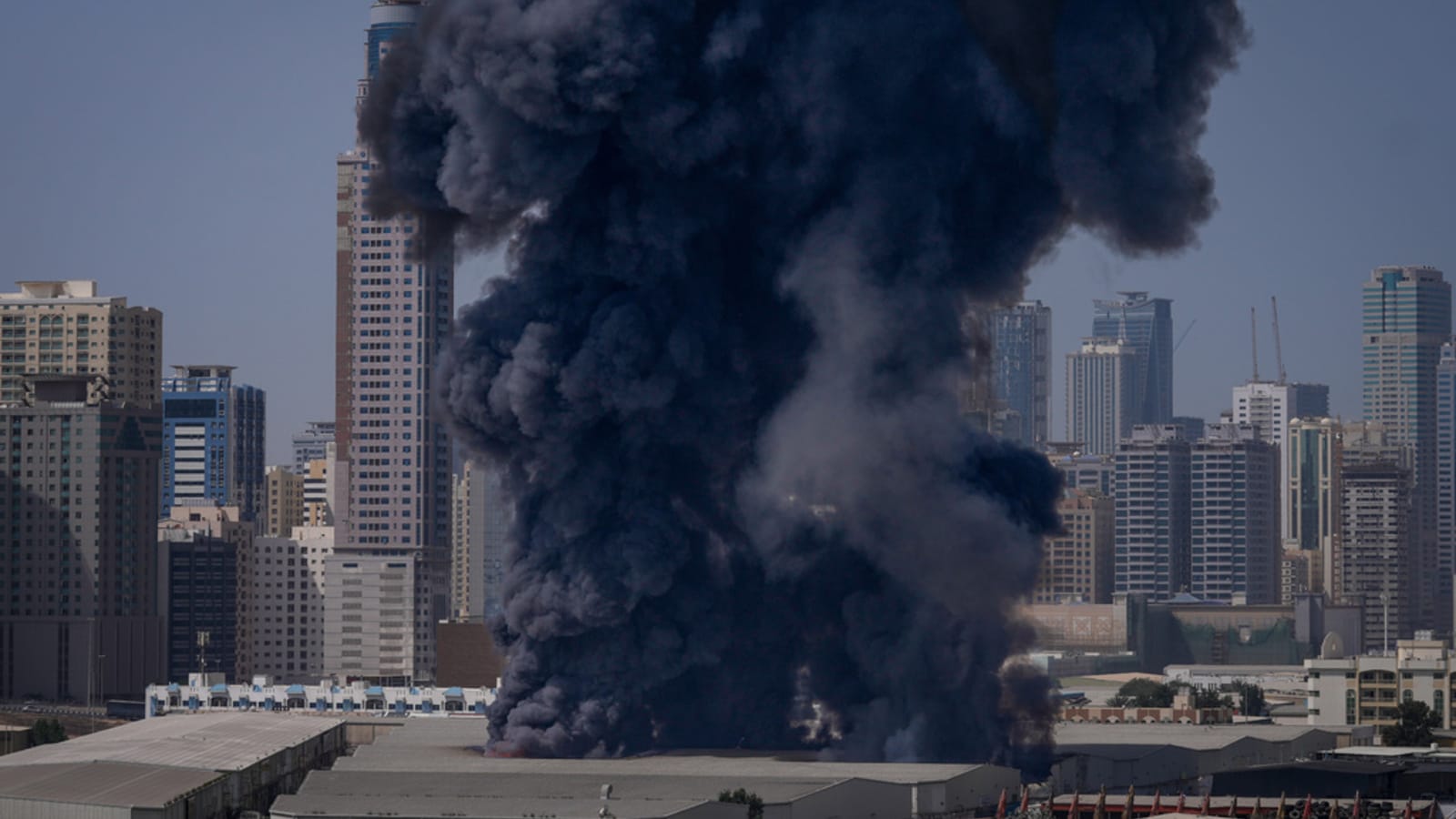
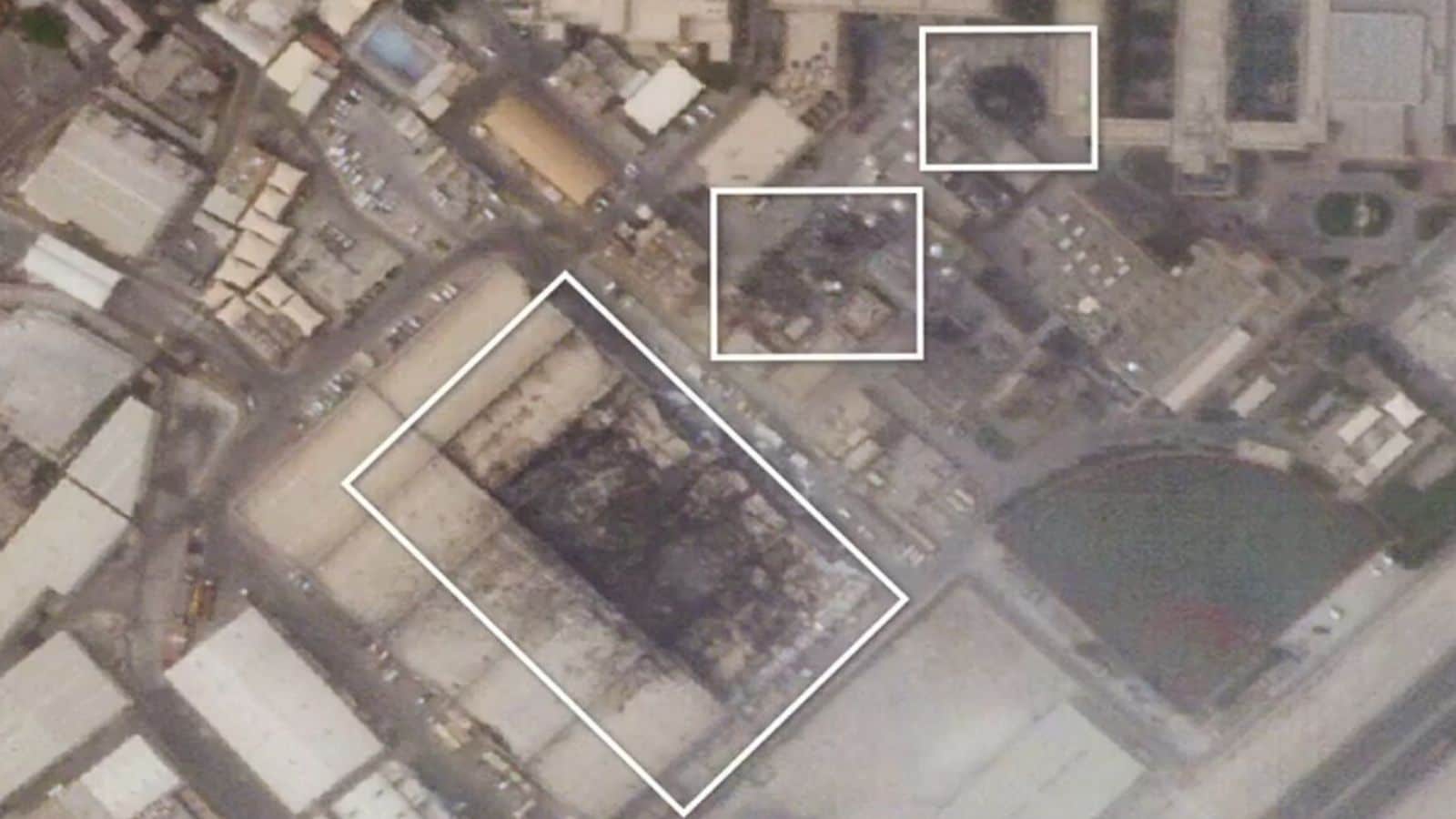
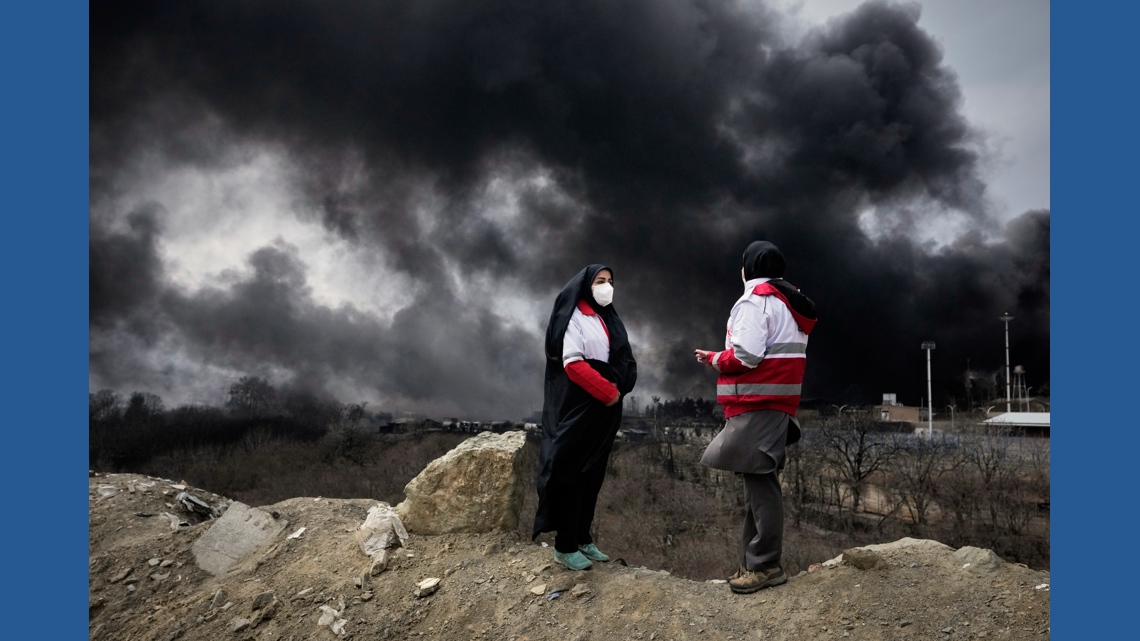
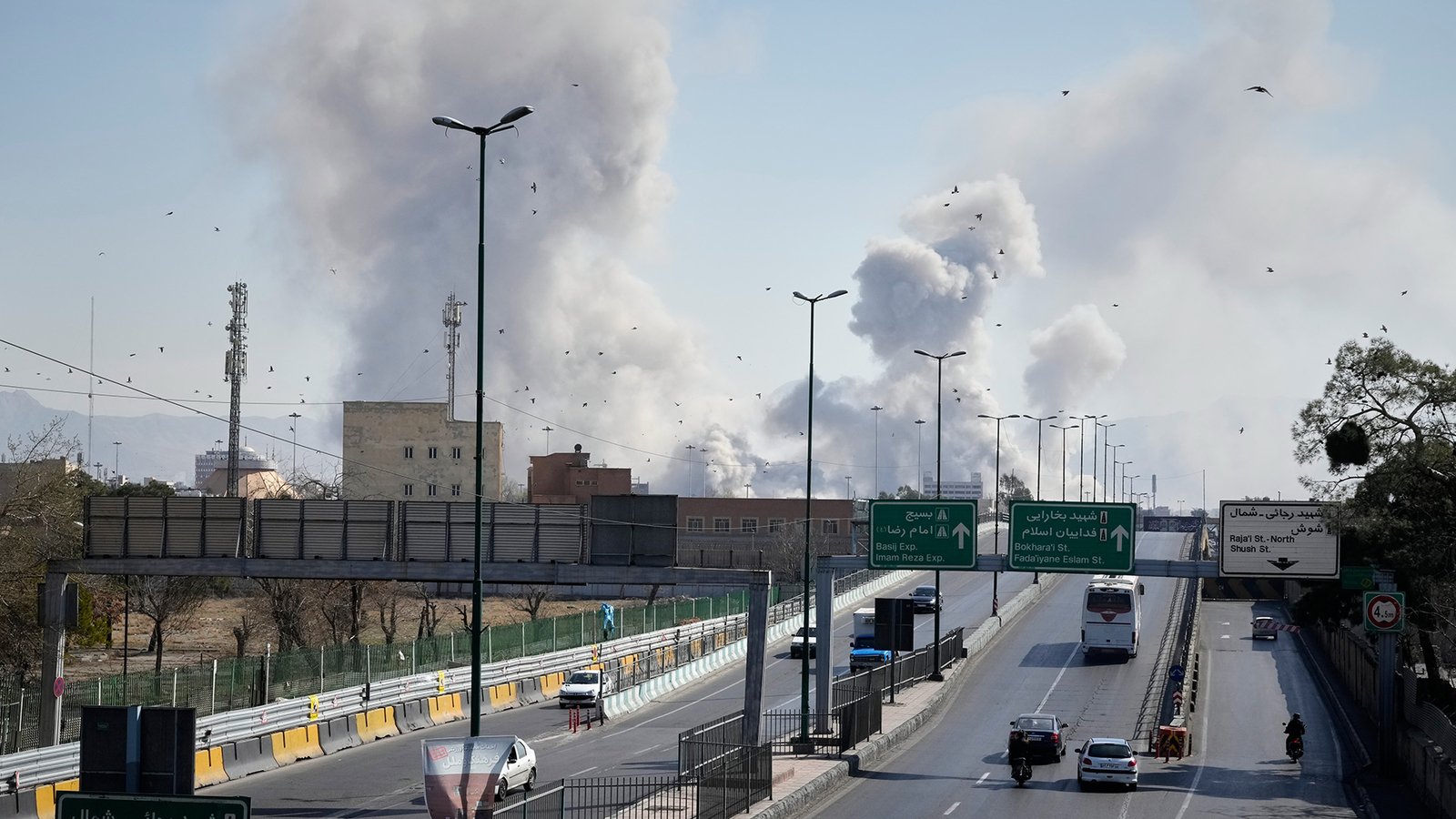
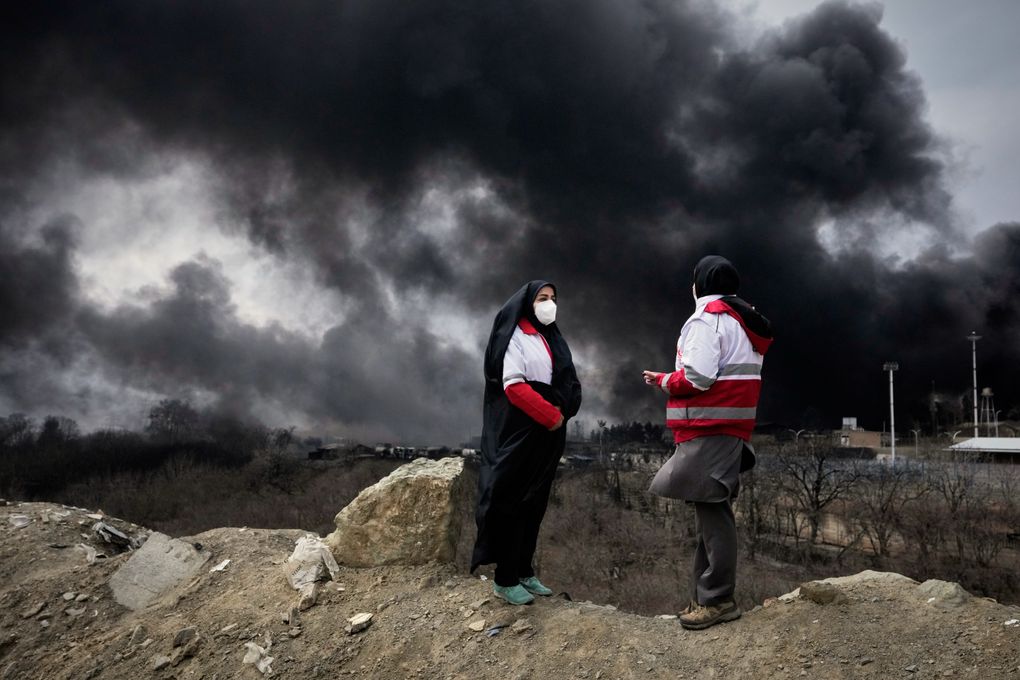
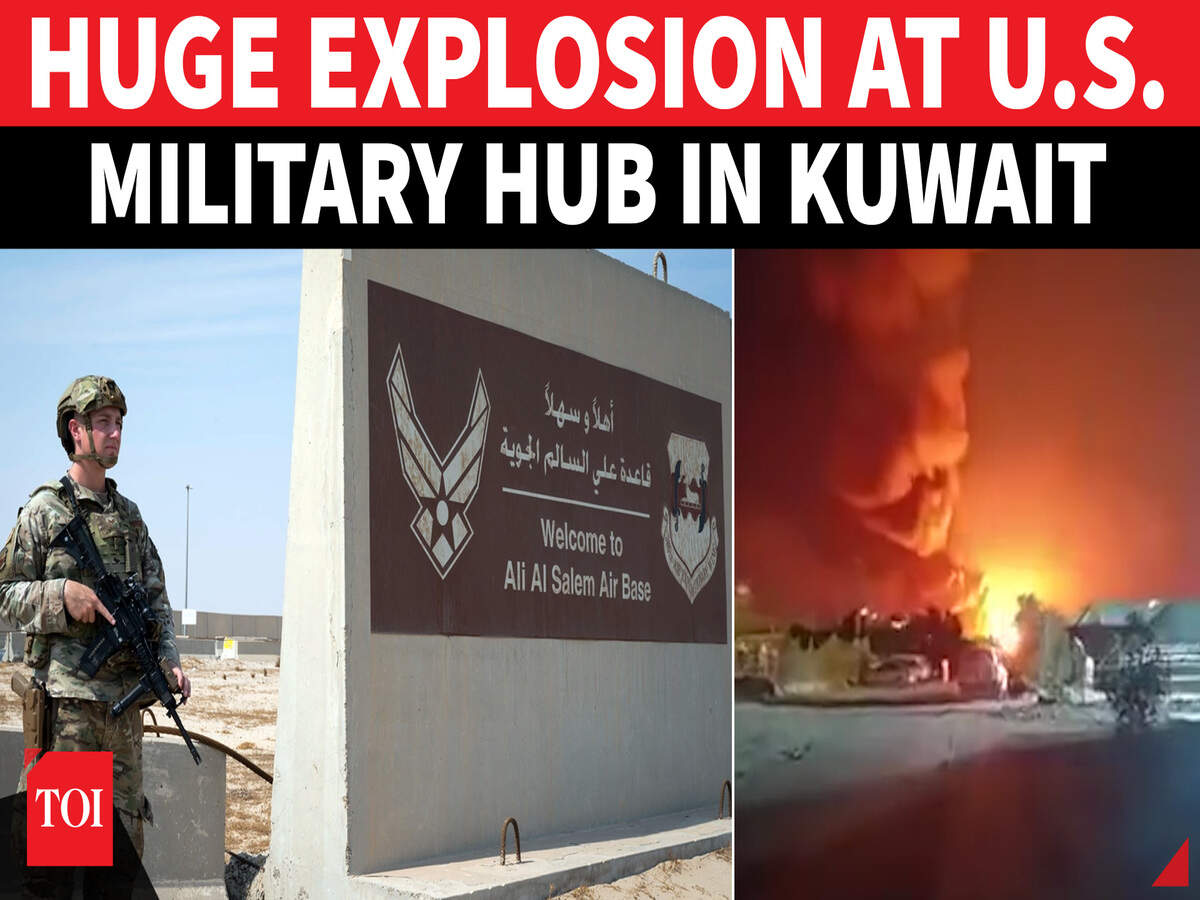
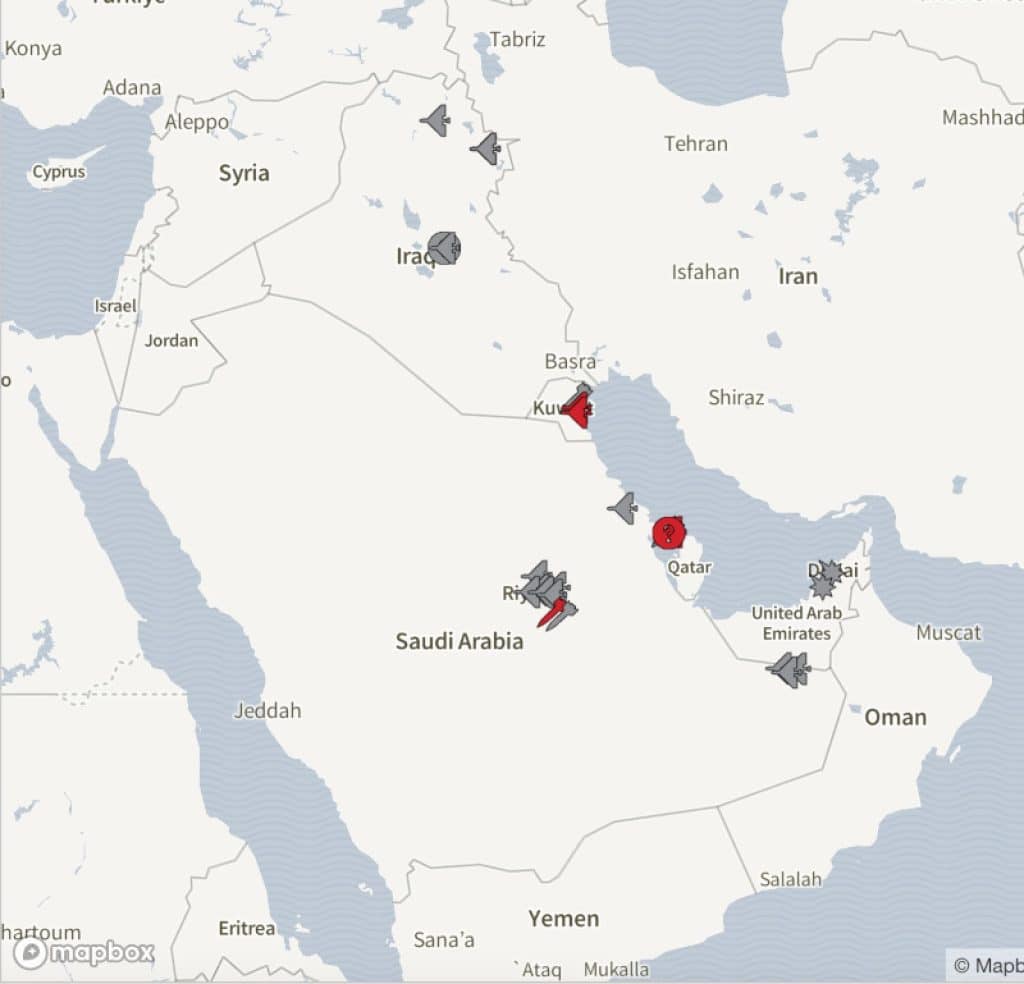
The March 8, 2026 Iranian drone attacks on Bahrain's critical infrastructure—targeting both the Sitra oil refinery (operating since 1936) and desalination plants—have triggered immediate and sustained economic consequences for cross-border e-commerce sellers globally. Crude oil prices surged above $100 per barrel for the first time since 2022, while Japan's Nikkei Stock Average fell 7.0% and U.S. stock futures dropped over 1,000 points. The attacks injured 32 civilians and caused significant damage to residential areas and energy infrastructure operated by state-run Bapco Energies. This escalation represents a fundamental shift in regional conflict dynamics, with civilian water and energy infrastructure now becoming direct military targets—a precedent that threatens supply chain stability across the Persian Gulf region.
For cross-border e-commerce sellers, the immediate operational impact is severe and multifaceted. Elevated crude oil prices directly increase shipping costs for air freight (typically 8-15% cost increase per shipment), ocean freight fuel surcharges (2-4% additional fees), and last-mile delivery expenses. Sellers relying on fuel-intensive logistics—particularly those using air freight for time-sensitive inventory or operating 3PL networks in Asia-Pacific regions—face immediate margin compression. The broader market volatility has triggered risk-off sentiment, weakening the Singapore dollar and impacting consumer spending patterns across Southeast Asian markets. Platform advertising costs on Amazon, eBay, and Shopify are expected to rise as sellers compete for declining consumer attention during economic uncertainty. Additionally, sellers with significant Middle East exposure—those maintaining inventory in Bahrain, operating through Gulf ports, or serving regional customer bases—face compounded operational risks including increased insurance premiums (typically 15-25% higher during geopolitical instability), shipping delays, and potential supply chain disruptions if infrastructure attacks continue.
The strategic implications extend beyond immediate cost pressures to long-term supply chain reconfiguration. Industry analysts warn that supply disruptions could extend beyond the conflict's duration, creating sustained economic pressure on energy-dependent supply chains. Sellers must immediately reassess inventory positioning, particularly for categories dependent on air freight (electronics, apparel, time-sensitive goods). The desalination infrastructure attacks signal broader vulnerabilities in Gulf port facilities and manufacturing hubs critical to e-commerce logistics networks. Companies with significant regional dependencies should implement contingency planning for potential infrastructure disruptions, including diversifying shipping routes away from Bahrain and the Persian Gulf, increasing safety stock in alternative fulfillment centers, and hedging fuel costs through 3PL providers offering fixed-rate shipping agreements. The tit-for-tat escalation pattern between Iran and the U.S.—with Iranian Foreign Minister Abbas Araghchi claiming the U.S. previously attacked Iranian desalination infrastructure on Qeshm Island—suggests this conflict may persist beyond immediate military engagements, requiring sellers to adopt extended risk mitigation strategies rather than temporary adjustments.
Questions 8
How should sellers hedge against currency fluctuation from the weakening Singapore dollar?
The Singapore dollar weakened amid risk-off sentiment following the attacks, affecting sellers with significant Southeast Asian customer bases or those sourcing from Singapore-based suppliers. Sellers should implement currency hedging strategies through forward contracts with their banks, locking in exchange rates for 30-90 day periods. For Amazon and eBay sellers, adjust pricing in SGD-denominated markets to account for 2-4% currency depreciation. Consider shifting sourcing to alternative suppliers in Vietnam or India where currency exposure is lower. Monitor daily SGD/USD rates; if depreciation exceeds 5%, implement immediate price adjustments to maintain margin targets.
What compliance and insurance considerations apply to sellers operating in Bahrain and the Persian Gulf?
Sellers maintaining inventory or operating logistics hubs in Bahrain face escalated compliance requirements and insurance costs. Geopolitical instability typically triggers 15-25% increases in cargo insurance premiums and requires additional documentation for shipments through conflict zones. Verify that your cargo insurance covers geopolitical events and infrastructure damage; many standard policies exclude war-related losses. Consult with customs brokers regarding potential trade restrictions if Iran-U.S. tensions escalate further, as secondary sanctions could affect suppliers or shipping partners. Document all inventory locations and implement real-time tracking systems to demonstrate due diligence to insurers and customs authorities.