




Oil Price Surge to $107.50 WTI | Critical Logistics Cost Impact for E-Commerce Sellers
- Shipping costs increase 8-15% for air freight; ocean freight delays via Strait of Hormuz threaten inventory timelines for cross-border sellers










Overview
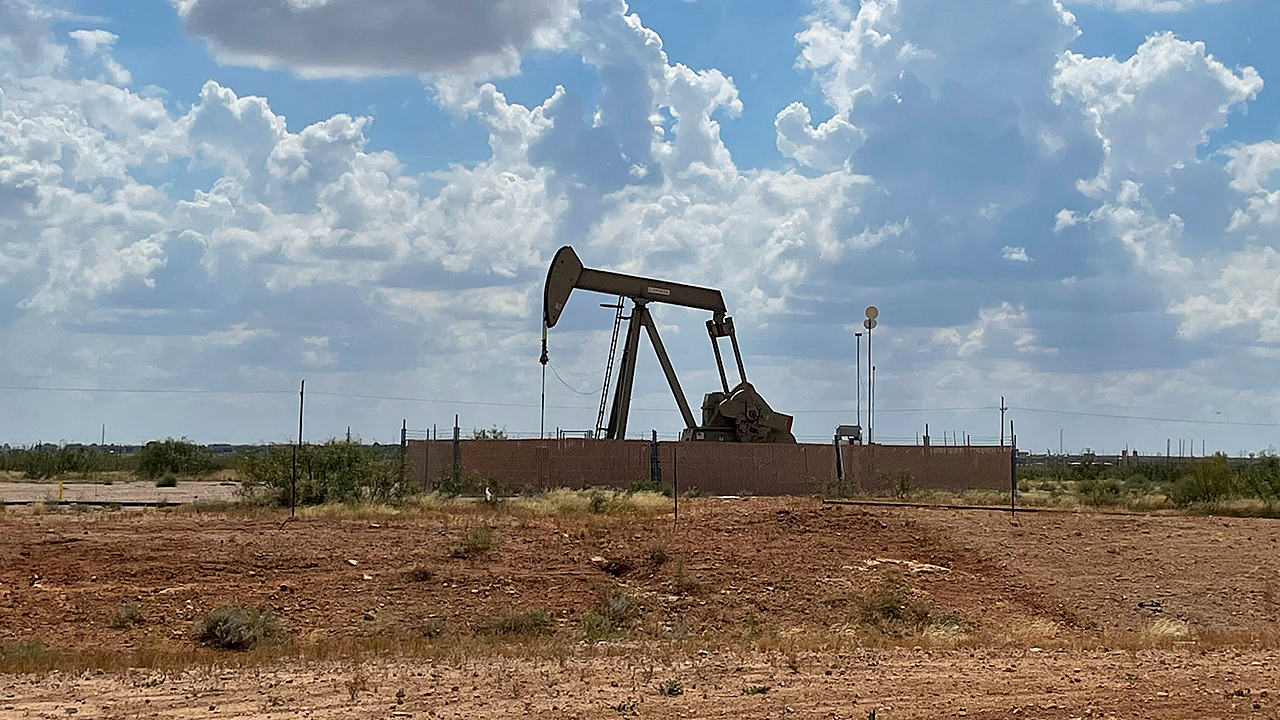
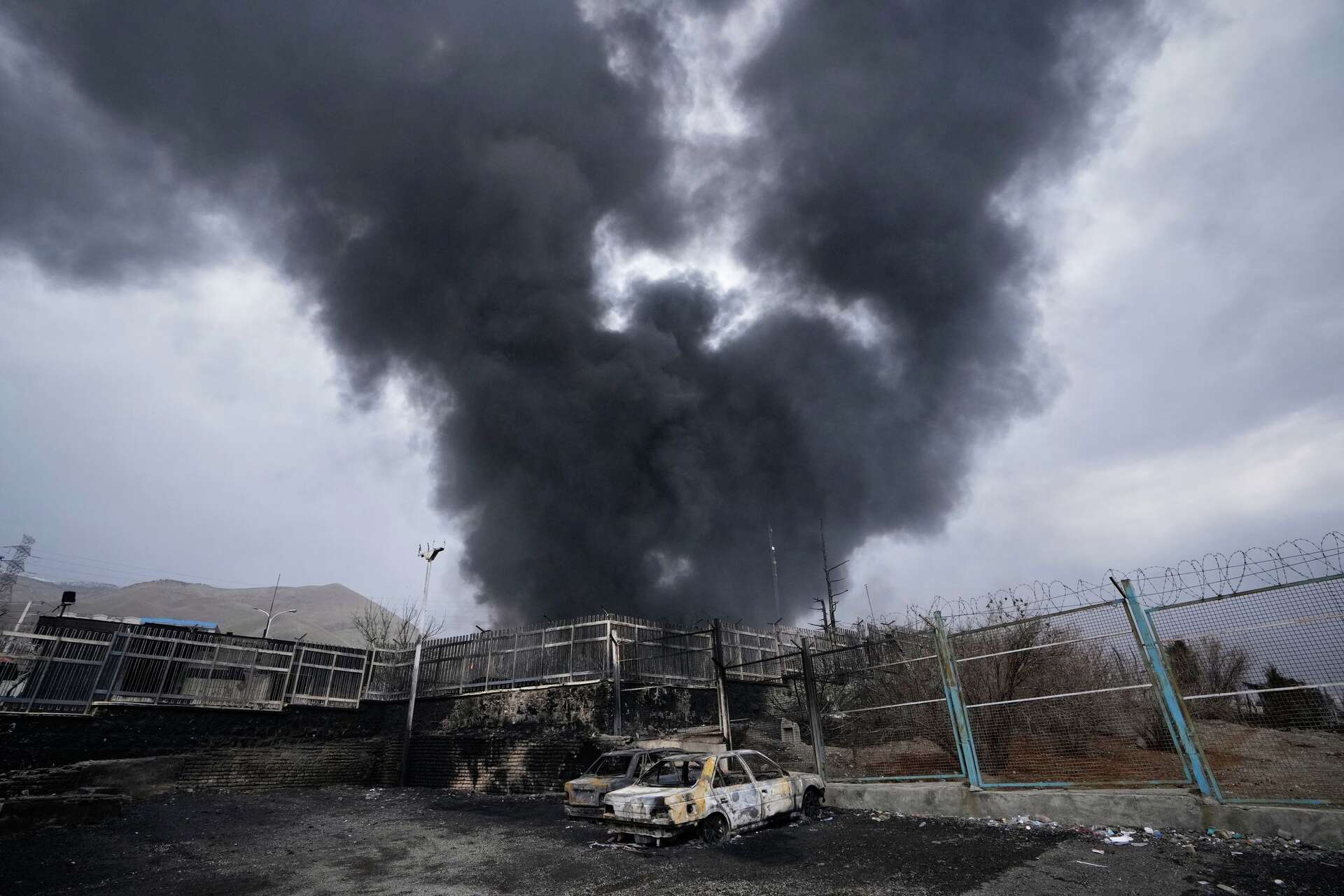
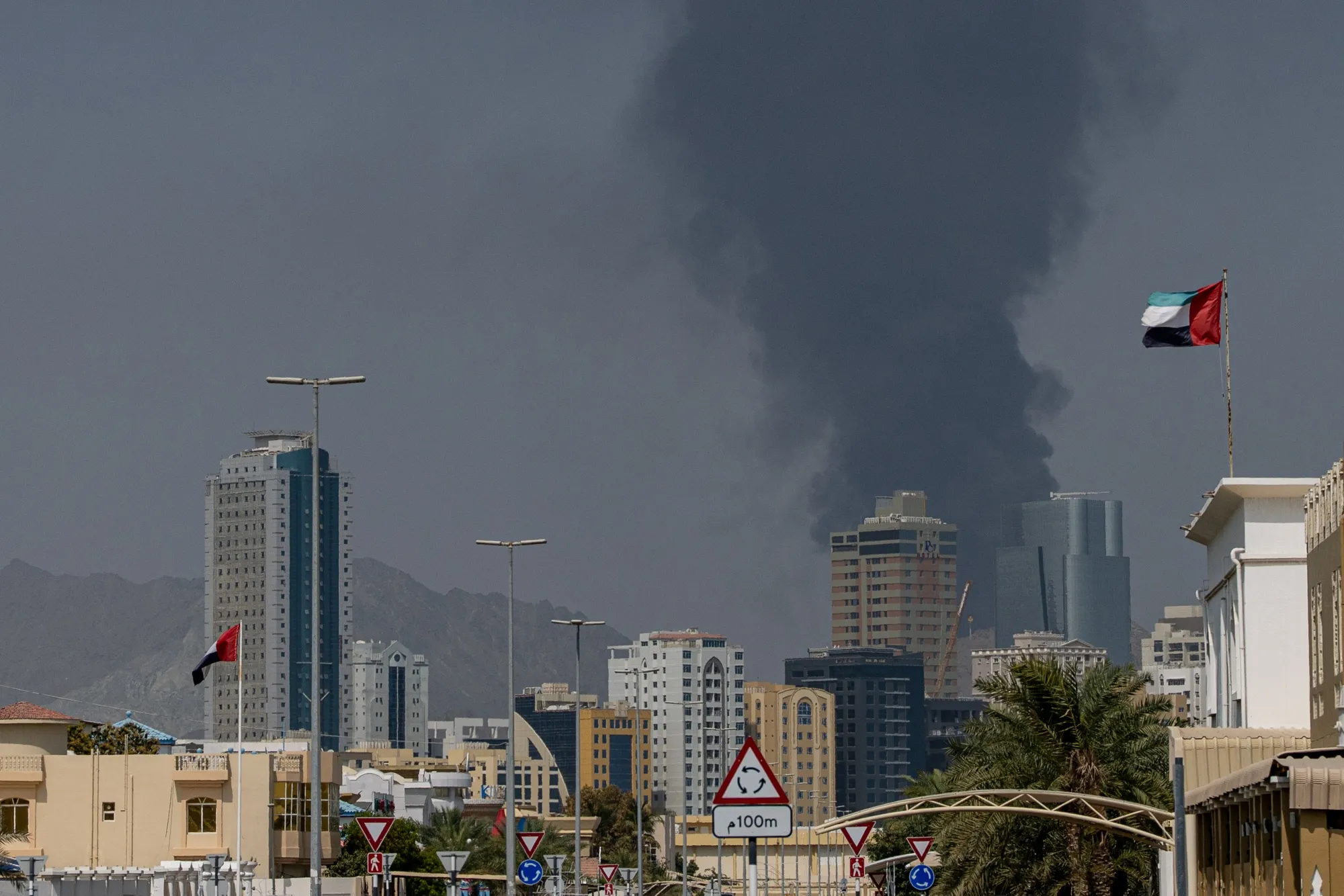
Oil prices surged above $100 per barrel on March 8, 2026, creating an immediate supply chain crisis for cross-border e-commerce sellers. West Texas Intermediate crude jumped to $107.50/barrel while Brent advanced to $108.01, marking the largest weekly gain in futures trading history since 1983. The price shock stems from OPEC production cuts—Iraqi output collapsed 70% to 1.3 million barrels/day from 4.3 million, while Kuwait and UAE implemented precautionary reductions due to closure of the Strait of Hormuz, through which 20% of global oil consumption flows. Energy Secretary Chris Wright indicated the Strait could reopen within weeks, but geopolitical uncertainty persists with Iran naming a new supreme leader.
For e-commerce sellers, this creates immediate and cascading cost pressures across fulfillment operations. Air freight and expedited shipping costs are rising 8-15% as fuel surcharges compound across logistics providers. Sellers shipping high-value, time-sensitive categories (electronics, fashion, perishables) face margin compression of 200-400 basis points. Ocean freight through the Strait of Hormuz—the primary route for Asia-to-Europe and Asia-to-Middle East shipments—now faces 2-4 week delays and potential rerouting around Africa, adding 15-25% to transit times and costs. This disproportionately impacts sellers with just-in-time inventory models and those serving fast-fashion or seasonal categories where delivery windows are critical.
Strategic sourcing and fulfillment decisions require immediate recalibration. Sellers should evaluate shifting 20-30% of inventory to regional 3PL providers in destination markets (EU, North America) to bypass Strait-dependent ocean routes. Categories with high fuel sensitivity—lightweight electronics, apparel, home goods—should prioritize air freight consolidation to reduce per-unit surcharges. Sellers relying on Amazon FBA should monitor storage fee impacts; elevated logistics costs may push inventory into long-term storage, triggering $6.90-$11.50/unit monthly fees. The uncertainty regarding Strait reopening timeline creates operational planning challenges: sellers must balance inventory pre-positioning (higher carrying costs) against stockout risks from delayed shipments. Companies should lock in freight rates immediately before further escalation, and consider temporary price increases of 5-8% on high-margin categories to offset fuel surcharges while demand remains inelastic.
Questions 8
How do oil price increases impact Amazon FBA fees and seller profitability?
Elevated logistics costs directly increase Amazon FBA fulfillment fees through two mechanisms: (1) Fuel surcharges on inbound shipping to FBA warehouses, raising per-unit costs by $0.50-1.50; (2) Storage fee penalties if delayed inventory arrivals push units into long-term storage ($6.90-$11.50/unit monthly). For a seller with 10,000 units in FBA, a 30-day delay could trigger $69,000-115,000 in unexpected storage fees. The news reports oil prices at $107.50 WTI, the highest since 1983, indicating sustained pressure. Sellers should monitor inventory velocity and consider temporary price increases of 5-8% to offset margin compression. Review FBA fee structure in Seller Central and evaluate alternative fulfillment channels for slower-moving SKUs.
What immediate actions should sellers take in response to the oil price surge?
Immediate actions (0-30 days): (1) Lock in freight rates with 3PL providers before further escalation; (2) Review inventory by product category and shift 20-30% to regional fulfillment centers; (3) Audit air freight shipments and consolidate to reduce per-unit fuel surcharges; (4) Implement temporary price increases of 5-8% on high-margin categories; (5) Monitor Amazon FBA storage fees and adjust inventory velocity targets. Strategic adjustments (1-6 months): Evaluate alternative sourcing countries (Vietnam, India, Indonesia) to reduce Asia-to-West shipping distances; negotiate long-term freight contracts with fuel-price caps; diversify fulfillment across Amazon FBA, Shopify, and regional 3PLs. Risk mitigation: Track Strait of Hormuz reopening timelines daily and adjust inventory pre-positioning accordingly.