



Strait of Hormuz Closure Triggers 66% Oil Supply Shock | Seller Logistics Crisis
- Oil prices surge above $100/barrel; shipping costs rise 8-15% for cross-border sellers; inventory delays expected 2-4 weeks for Middle East-sourced goods
)




)











Overview
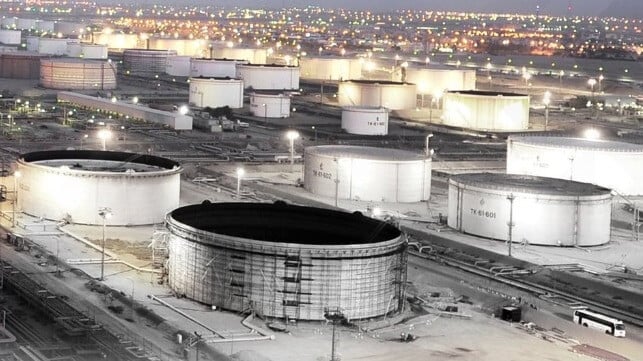
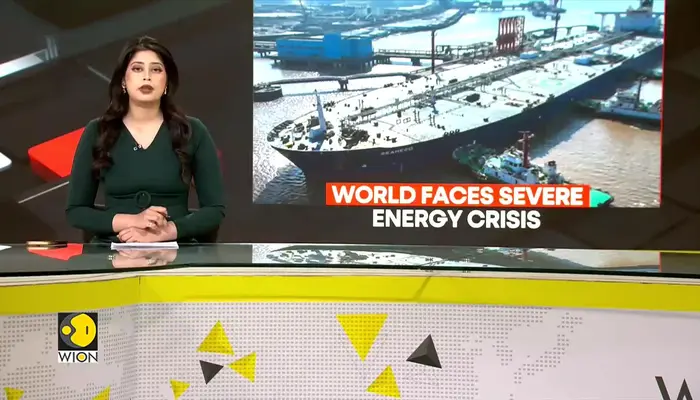
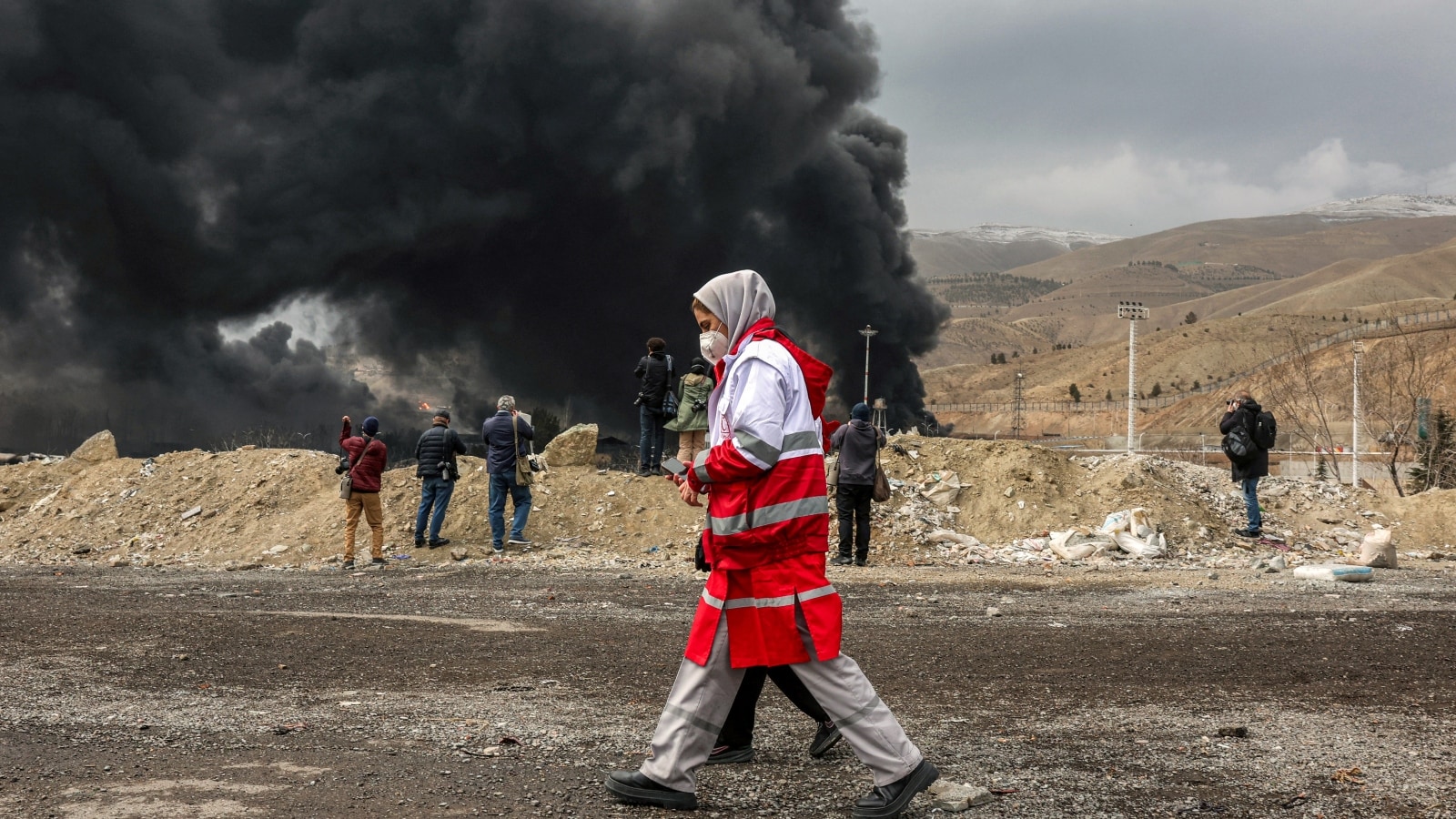
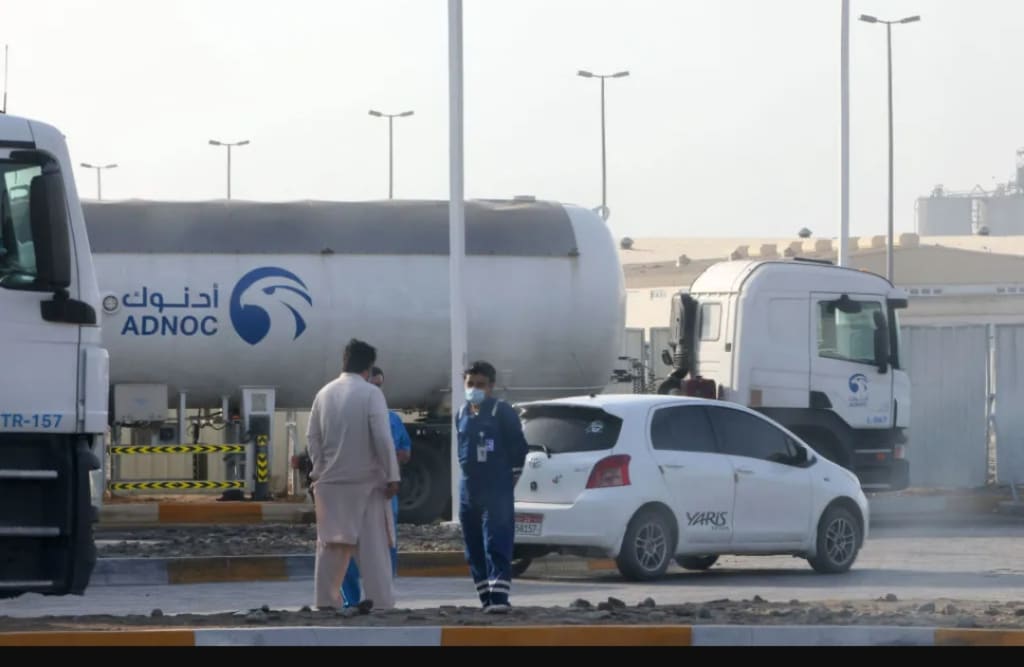
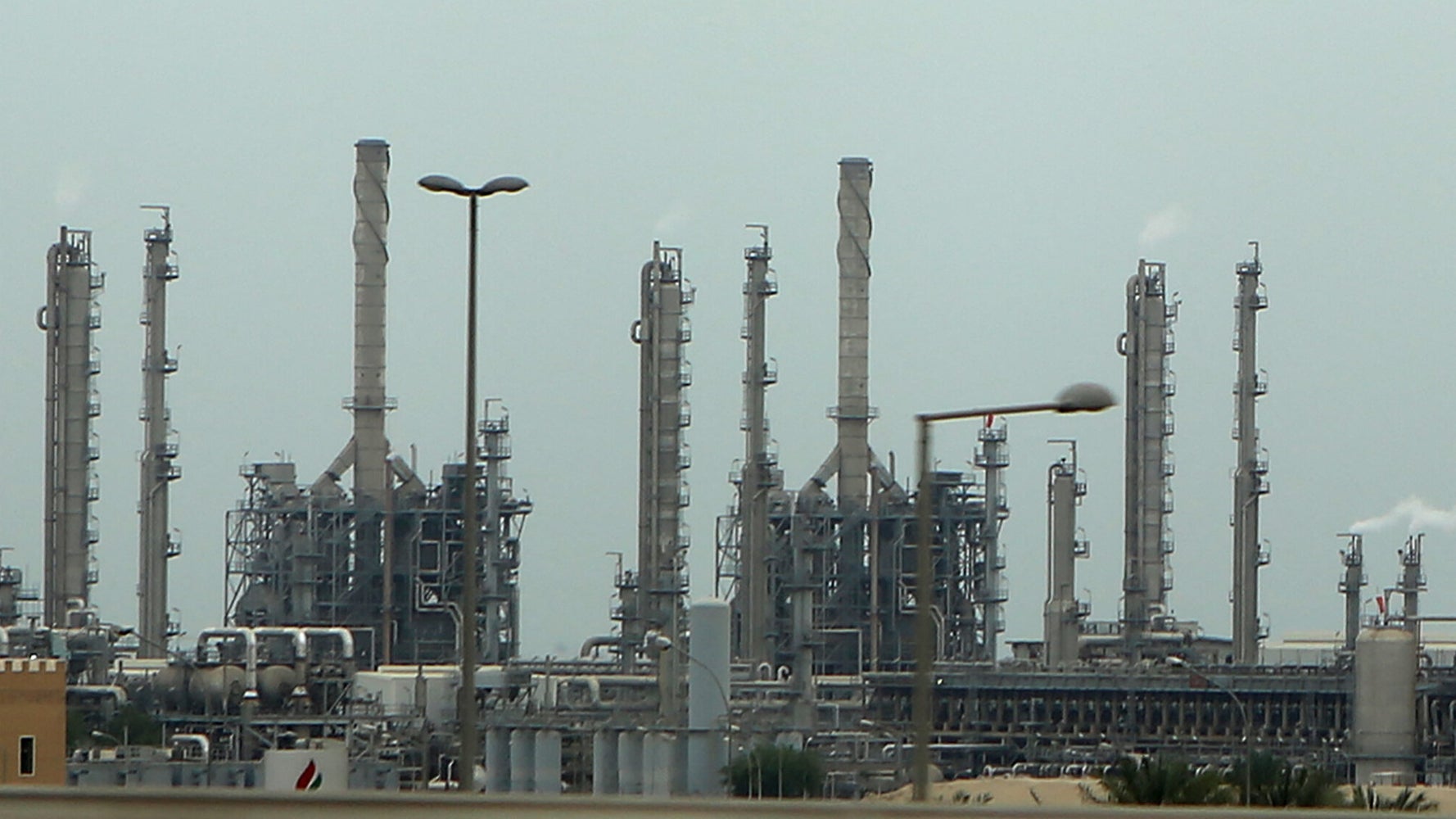
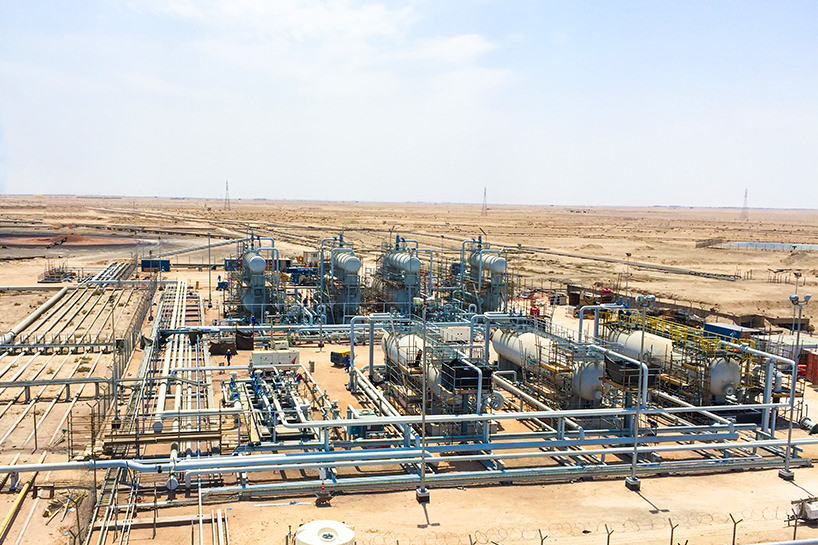
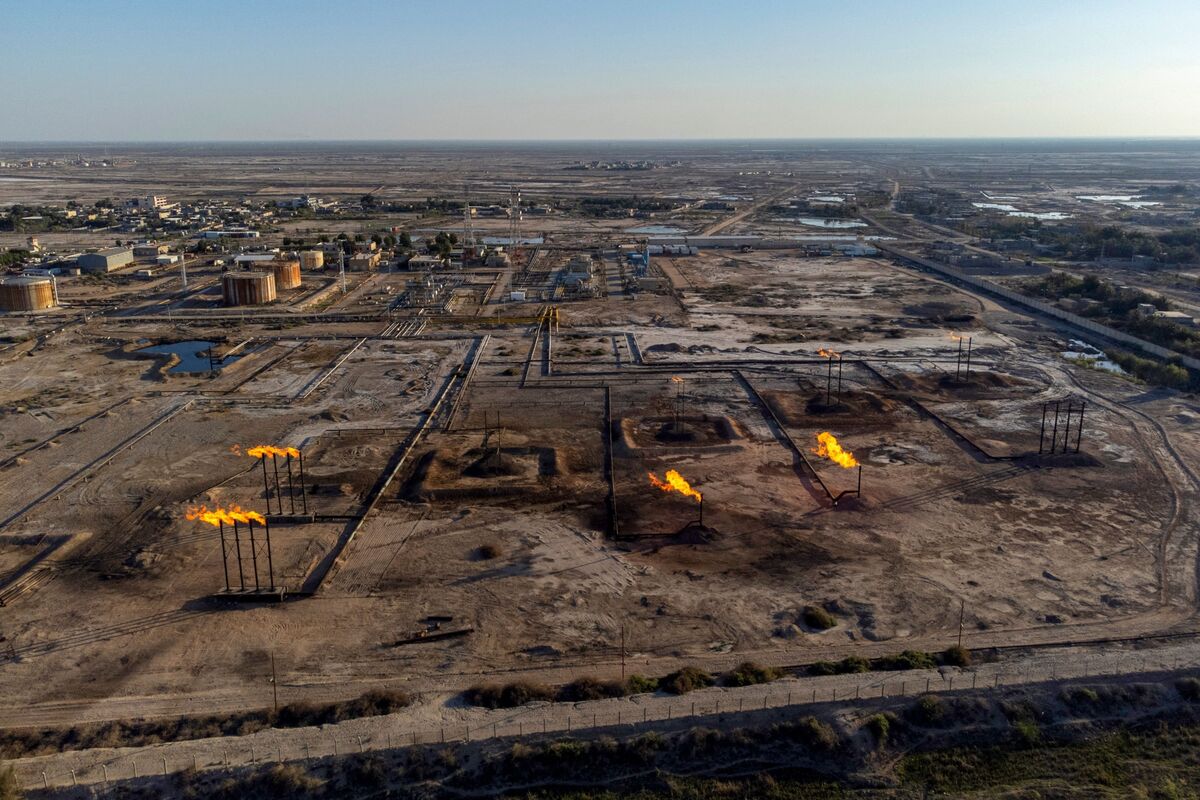
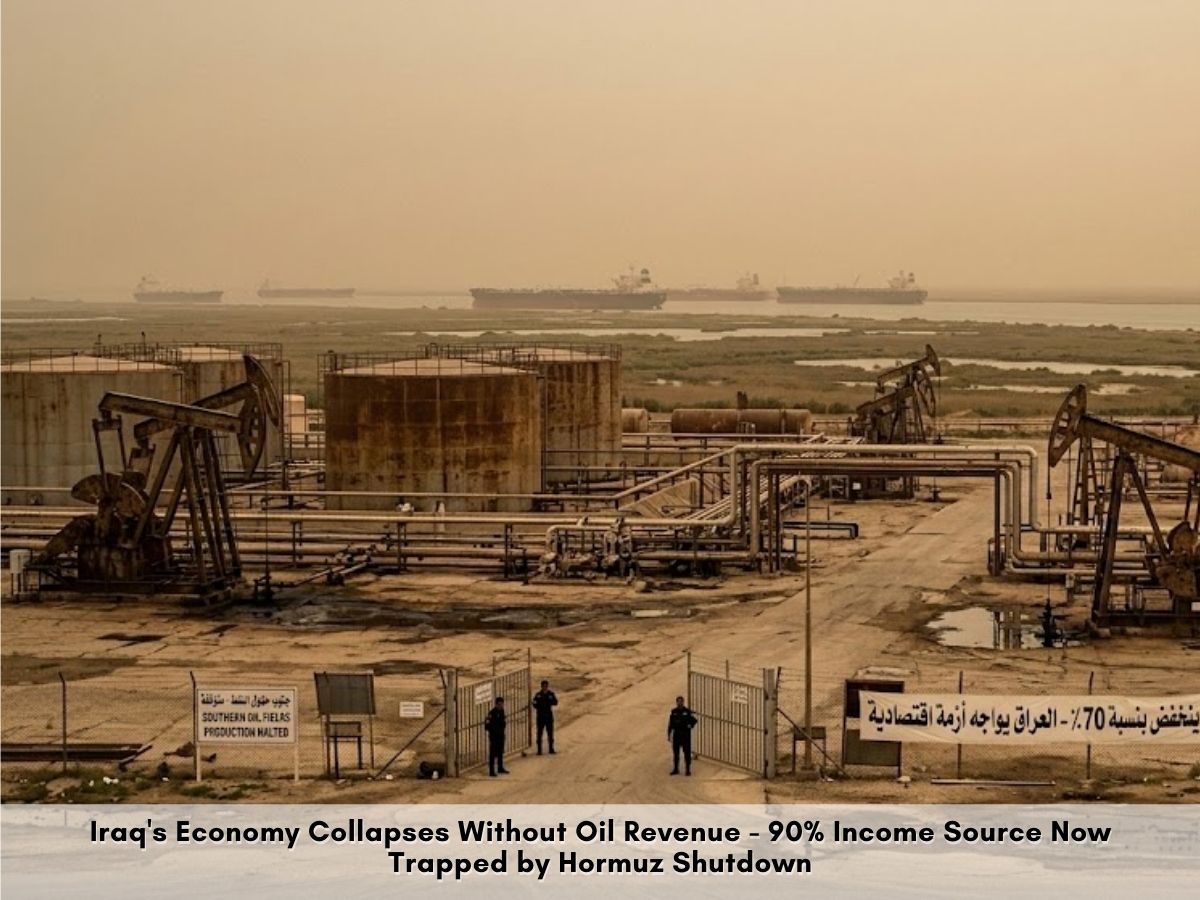
The closure of the Strait of Hormuz following U.S. military operations against Iran has triggered a critical global energy supply disruption with direct implications for cross-border e-commerce sellers. Iraqi oil production has collapsed to 1.3 million barrels per day—a 66-70% decline from the normal 4.3 million barrel daily capacity—as reported by Wall Street Journal on March 8, 2026. This represents one of the most significant production disruptions in recent years. The Strait of Hormuz, which facilitates approximately one-third of global maritime petroleum trade, is now effectively closed, forcing major Gulf producers including the United Arab Emirates and Kuwait to reduce output as storage facilities reach capacity. Oil prices have surged above $100 per barrel for the first time since 2022, reflecting sustained market anxiety about prolonged supply uncertainty.
For cross-border e-commerce sellers, this energy crisis creates immediate operational cost pressures and supply chain vulnerabilities. Elevated fuel surcharges from logistics providers are compressing profit margins across all seller segments, with particularly severe impacts on sellers operating thin margins or selling heavy, low-value items requiring significant shipping costs. Air freight and expedited shipping costs have increased 8-15% as carriers pass through fuel surcharges. Sellers relying on just-in-time inventory models face heightened supply chain risks, with inventory replenishment delays of 2-4 weeks expected for goods sourced from or transiting through Middle Eastern regions. The broader economic uncertainty—reflected in declining stock futures and market volatility—is reducing consumer spending across e-commerce platforms, creating demand headwinds alongside cost pressures.
Strategic sourcing implications are emerging as sellers reassess supply chain geography. The Strait closure reduces available empty tankers for loading operations, creating cascading supply chain effects that extend beyond petroleum to all goods transiting the region. Sellers currently sourcing from Middle Eastern suppliers or routing inventory through Gulf ports face extended lead times and elevated logistics costs. The geopolitical context—including Iran's appointment of Khamenei's son as Supreme Leader—signals potential escalation of regional tensions and suggests this disruption may persist for months rather than weeks. Sellers in energy-intensive categories (electronics, appliances, heavy goods) face the most acute margin compression, while lightweight, high-value categories (jewelry, electronics components, luxury goods) experience relatively lower cost impacts but face demand reduction from economic uncertainty. The timing window for competitive advantage favors sellers who can absorb short-term cost increases while competitors reduce inventory or exit thin-margin categories.
Questions 7
What compliance or documentation changes should sellers expect from the Strait of Hormuz closure?
Sellers should expect increased customs documentation requirements and potential delays at alternative ports as maritime routes are rerouted. Insurance premiums for vessels transiting alternative routes (around Africa) are increasing 5-8% due to extended voyage times and geopolitical risk. Sellers should review their insurance coverage and ensure adequate protection for extended transit periods. Customs brokers may require updated routing documentation and port-of-origin certifications. Some countries may implement temporary tariff adjustments or expedited processing for goods affected by the disruption. Sellers should maintain detailed records of shipping delays and cost increases for potential tariff relief applications. Compliance complexity increases 15-20% during this period, so allocate additional resources to customs and logistics documentation.
How long is the Strait of Hormuz closure expected to last and what should sellers plan for?
Based on the geopolitical context—including Iran's appointment of Khamenei's son as Supreme Leader—the closure is expected to persist for 2-4 months minimum, with potential for longer-term disruption if regional tensions escalate. Historical Strait disruptions (2019 tanker attacks, 2022 tensions) lasted 4-8 weeks, but the current situation appears more severe given production cuts exceeding 50% and storage capacity constraints. Sellers should plan for sustained elevated shipping costs through Q2 2026 and potential intermittent supply disruptions. Implement contingency plans including alternative sourcing arrangements, increased safety stock, and pricing adjustments to offset fuel surcharges. Monitor geopolitical developments weekly and be prepared to shift supply chains if the situation escalates. The timing window for competitive advantage is 30-60 days before competitors implement similar strategies.