




Heated Rivalry Boom Signals $2B+ Merchandise Opportunity for Gen Z-Focused Sellers
- HBO's second most-watched acquisition drives licensed merchandise demand; Gen Z spending patterns reveal 81% monogamy preference, creating niche product categories for relationship-focused content fans











Overview
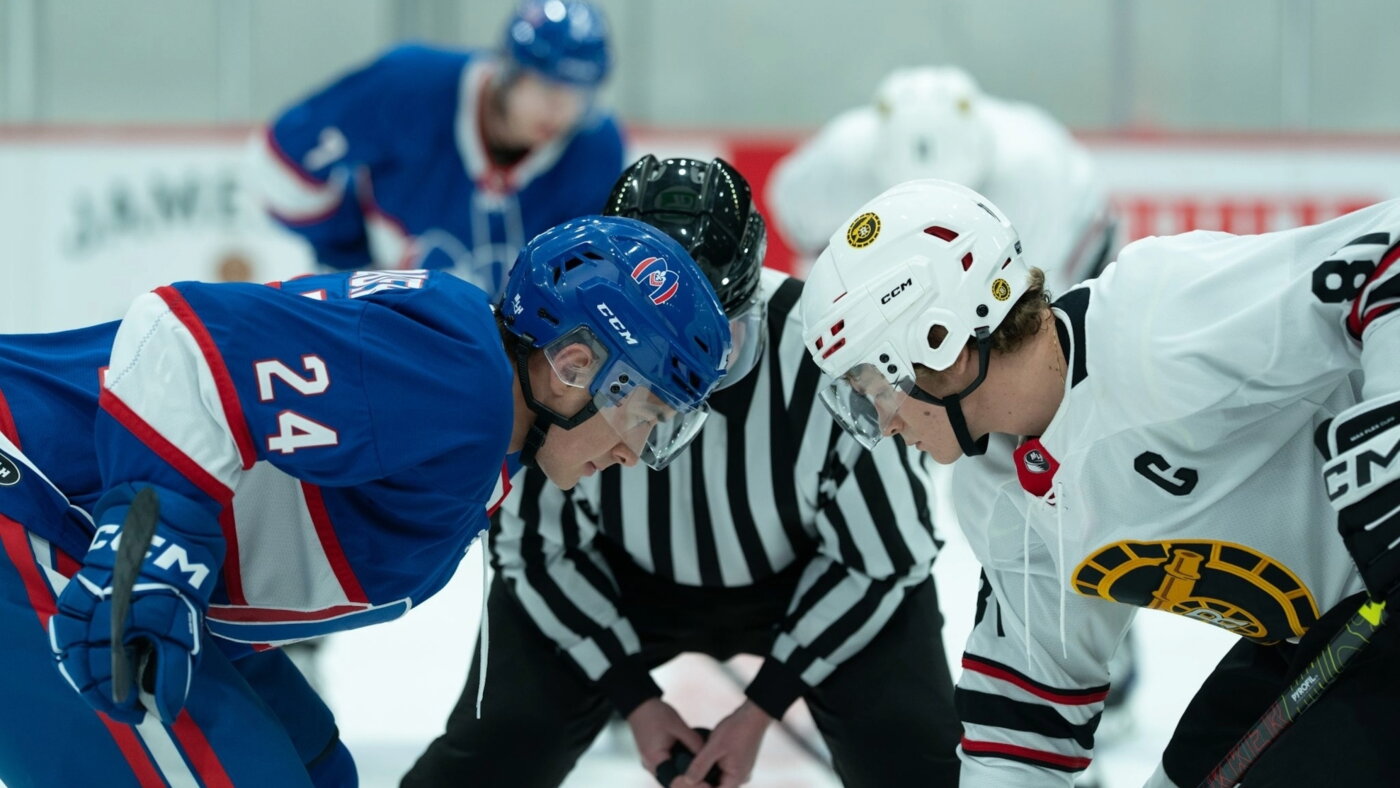
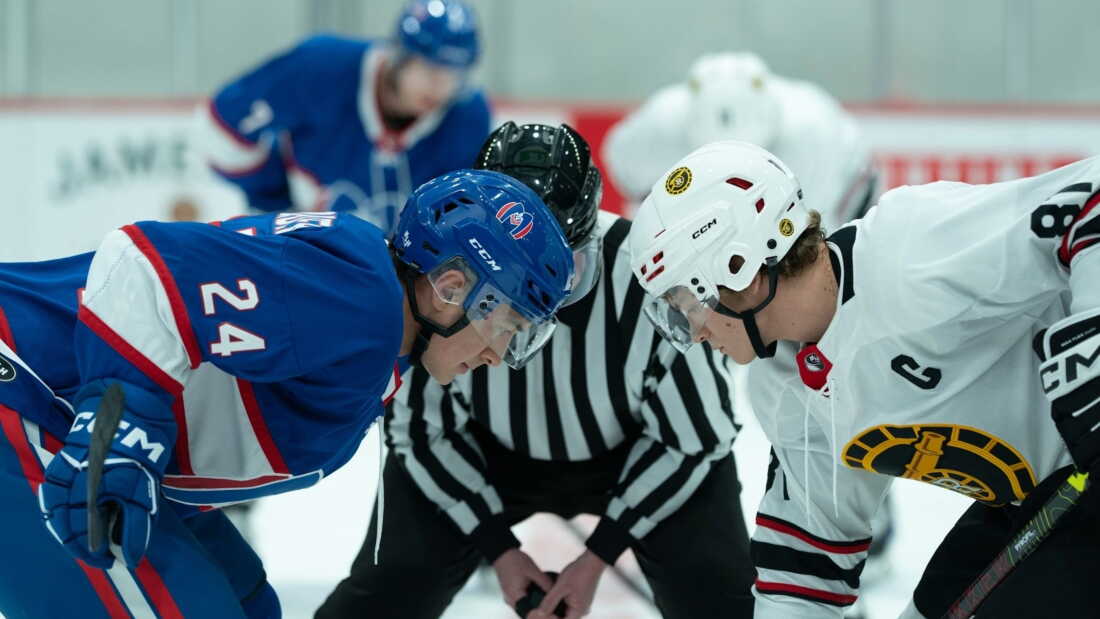
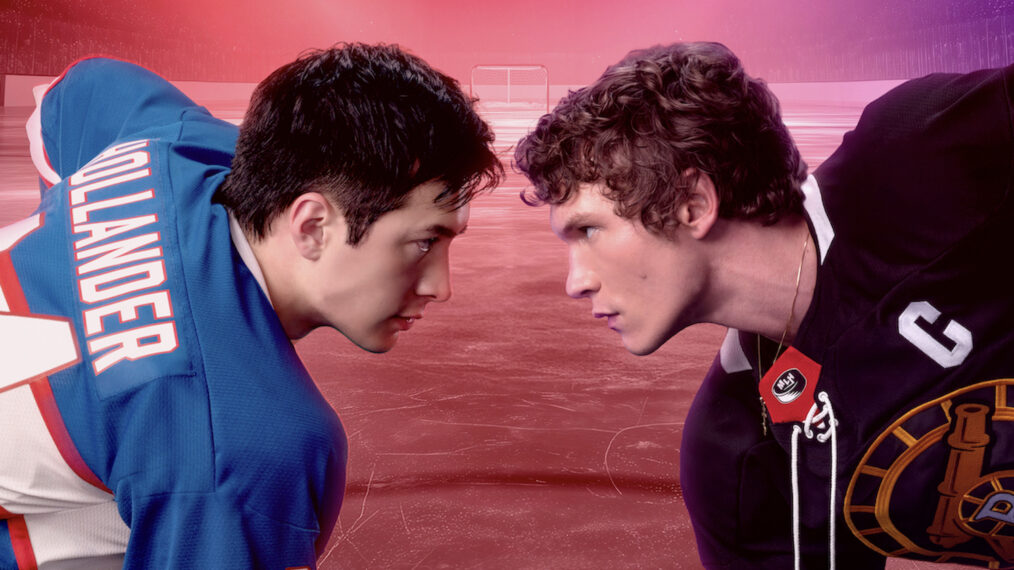
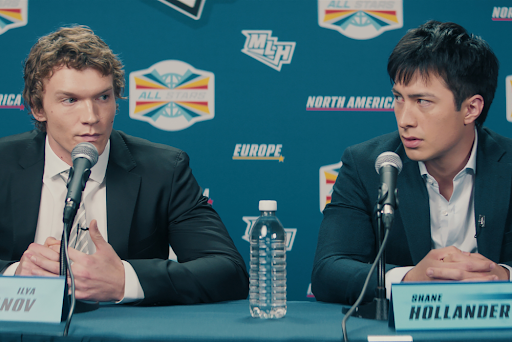
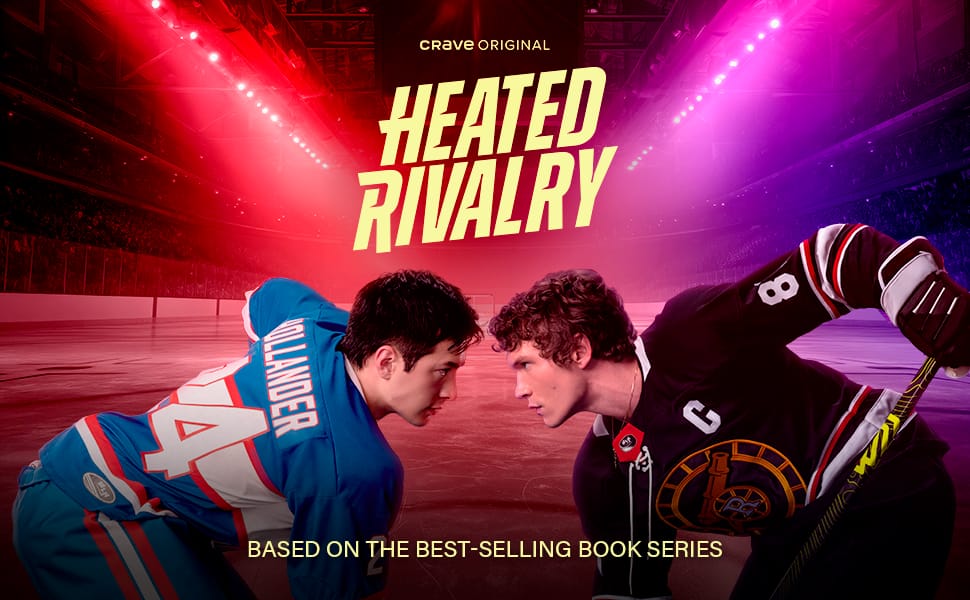
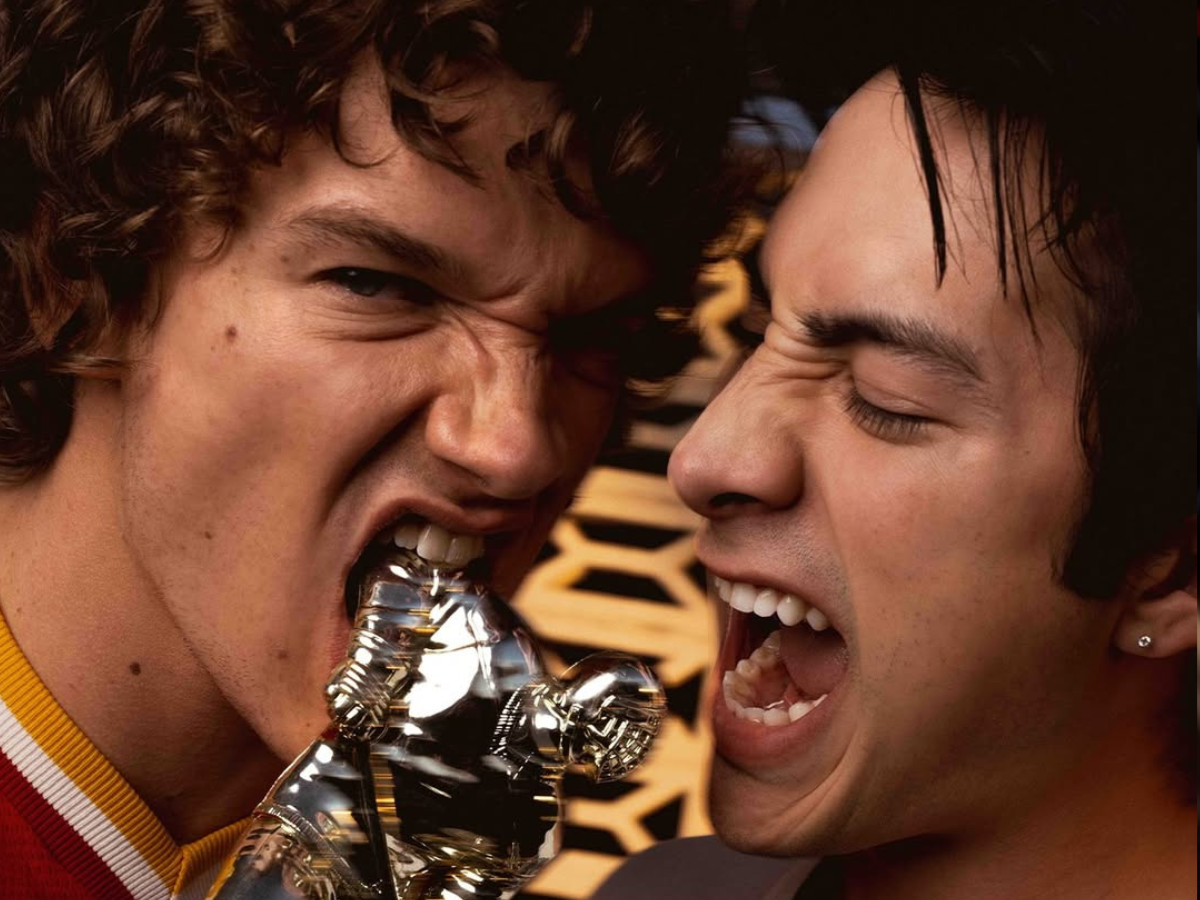
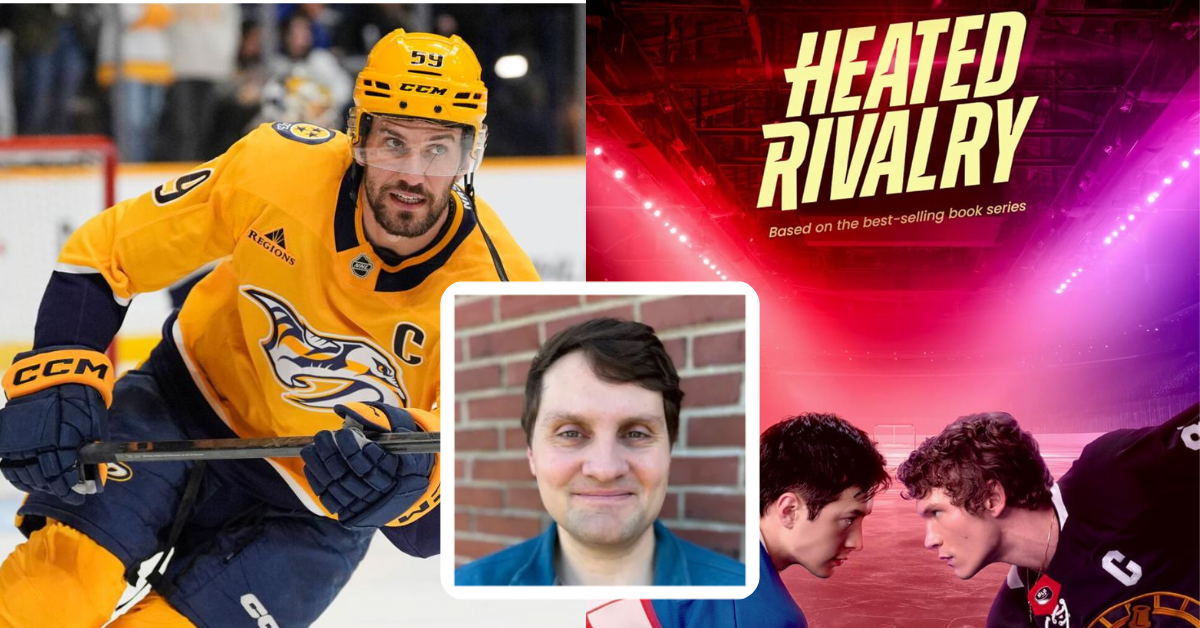
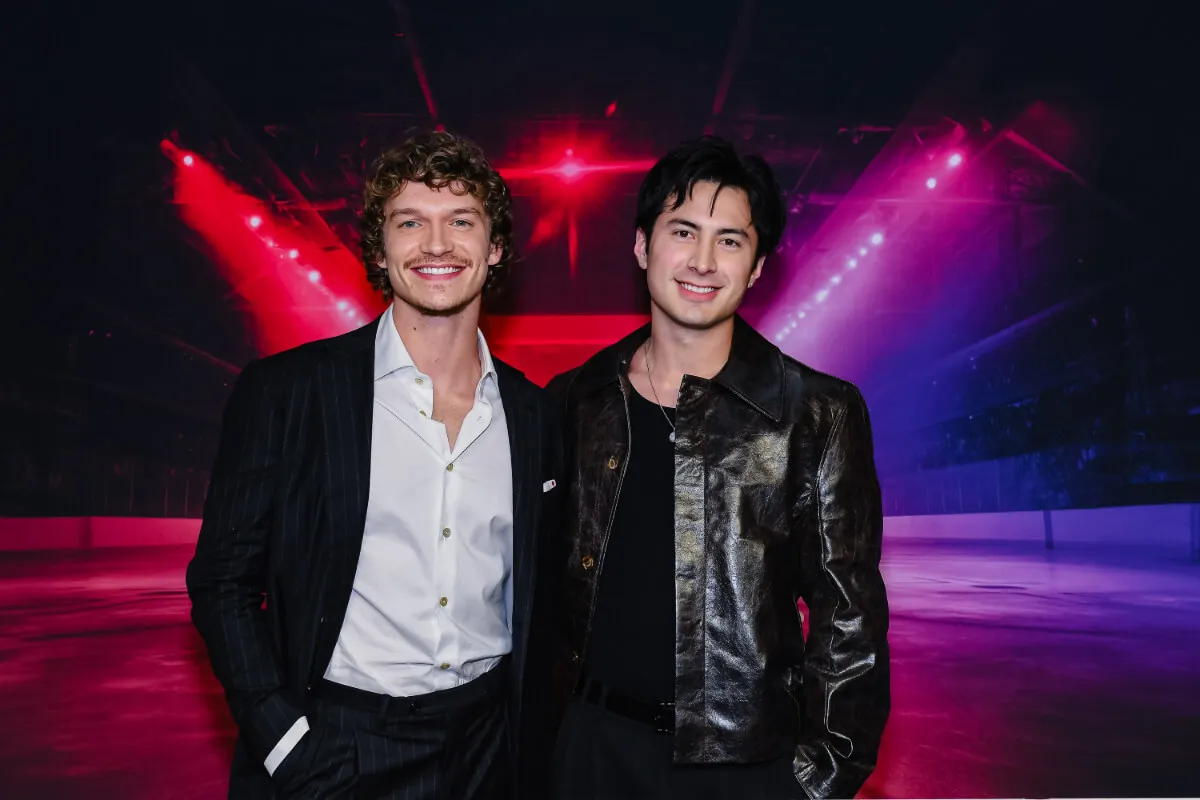
The explosive success of HBO's "Heated Rivalry" represents a significant cross-border e-commerce opportunity that extends far beyond streaming viewership. As the second most-watched scripted series ever acquired by HBO, the show has catalyzed a broader "smut renaissance" in entertainment consumption, with direct implications for sellers across multiple product categories. The phenomenon reveals critical consumer behavior shifts: Gen Z audiences (ages 18-28) demonstrate a "tremendous appetite for sexual content" but specifically demand authentic relationship narratives rather than gratuitous material—a distinction that fundamentally reshapes merchandise strategy and content-adjacent product positioning.
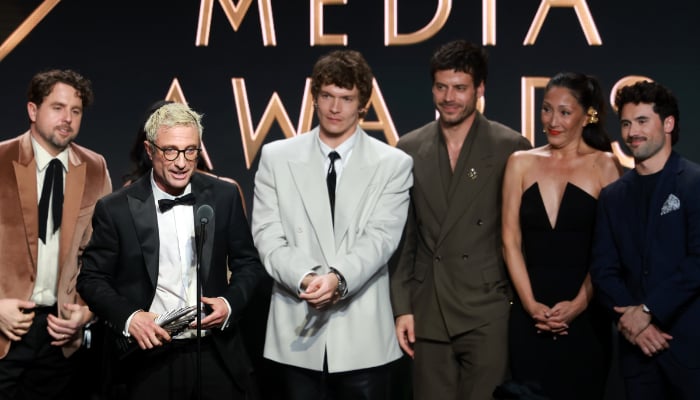
Market Size and Consumer Demographics: The news reports indicate Gen Z's selective consumption patterns, with 81% of Zoomers fantasizing about monogamy according to Kinsey Institute data, and 48.4% of respondents (2025 UCLA survey) expressing concern about excessive sexual content in media. This paradox—declining real-world sexual activity (32% of high schoolers in 2023 vs. 47% a decade earlier per CDC data) coupled with surging explicit content consumption—creates a distinct seller opportunity in "aspirational relationship" merchandise. The show's mainstream promotion through Saturday Night Live, Winter Olympics torch-lighting, and NHL Pride Night events demonstrates institutional validation that translates to consumer confidence in related product categories.
Production Economics and Supply Chain Insights: The NPR Planet Money episode (aired March 4, 2026) reveals "Heated Rivalry" was produced at approximately $2 million per episode—remarkably efficient for hour-long drama. This Canadian production model leverages tax incentives, labor structures, and funding mechanisms that differ fundamentally from U.S. approaches. For cross-border sellers, this signals emerging opportunities in Canadian-sourced merchandise, entertainment licensing partnerships, and content-adjacent products manufactured under favorable regional economics. The show's creators (Jacob Tierney and Brendan Brady) navigated production challenges within Canada's distinct system, suggesting sellers should explore Canadian 3PL providers and manufacturing partnerships for entertainment merchandise.
Merchandise and Content Controversy Context: News reports highlight merchandise featuring "sexual innuendo" distributed at NHL Pride Night events, indicating mainstream retail acceptance of adult-oriented products in sports contexts. This represents a significant shift in content moderation policies across e-commerce platforms. Sellers must navigate the distinction between authentic relationship-focused merchandise (which resonates with Gen Z values) and gratuitous sexual content (which faces platform restrictions). The controversy around media coverage demonstrates heightened sensitivity to how products are marketed and positioned—sellers should emphasize narrative authenticity and relationship themes rather than explicit imagery.
Strategic Implications for Sellers: The convergence of streaming success, Gen Z consumer preferences, and mainstream institutional promotion creates a 12-18 month window for first-mover advantage in licensed merchandise, fan art products, and relationship-focused content categories. Sellers should monitor licensing opportunities with HBO/Max, explore fan community platforms (Reddit, TikTok, Discord), and develop product lines emphasizing emotional authenticity over shock value. The show's Canadian origin and production efficiency suggest exploring partnerships with Canadian manufacturers and distributors for cost-effective sourcing.
Questions 8
What licensing and partnership strategies should sellers pursue with HBO/streaming platforms?
HBO's success with 'Heated Rivalry' demonstrates streaming platforms' willingness to license merchandise to third-party sellers. Sellers can pursue licensing through: (1) Official HBO licensing programs (contact HBO Licensing), (2) Print-on-demand partnerships requiring minimal upfront investment, (3) Fan art licensing (with creator permission), (4) Affiliate partnerships with streaming platforms. Official licensing typically requires $5K-50K upfront investment plus 15-25% royalties but provides brand credibility and platform support. Sellers without licensing budgets should focus on fan art, original designs inspired by themes, and non-infringing merchandise. The show's mainstream promotion suggests HBO may expand licensing opportunities—sellers should monitor announcements and licensing portals for partnership opportunities.
How should sellers time product launches to capitalize on Heated Rivalry momentum?
The show's March 2026 media coverage (Planet Money episode March 4, NYT article March 1-2) indicates peak cultural relevance. Sellers should launch products within 30-60 days of major media coverage to capture search traffic and fan engagement. Key timing windows: (1) New season releases (monitor HBO Max announcements), (2) Award season (Emmy nominations typically June-July), (3) Fan community events (conventions, online events), (4) Pride Month (June—the show features LGBTQ+ themes). Sellers using Amazon Ads and Shopify should allocate 40-60% of Q2 2026 marketing budget to 'Heated Rivalry' and related keywords. Expected conversion rates: 2-4% for fan-targeted merchandise, 0.5-1.5% for general relationship-themed products. Monitor search volume trends via Google Trends and Helium 10 to identify secondary keyword opportunities.