



Middle East Geopolitical Crisis Drives Oil Prices to $110+ | Shipping Cost Impact for Cross-Border Sellers
- Oil prices surge 16% to $108/barrel; Strait of Hormuz closure threatens supply chains; freight costs increase 8-15% for Asia-Pacific sellers; Iraq production collapses to 33% of pre-conflict levels























Overview
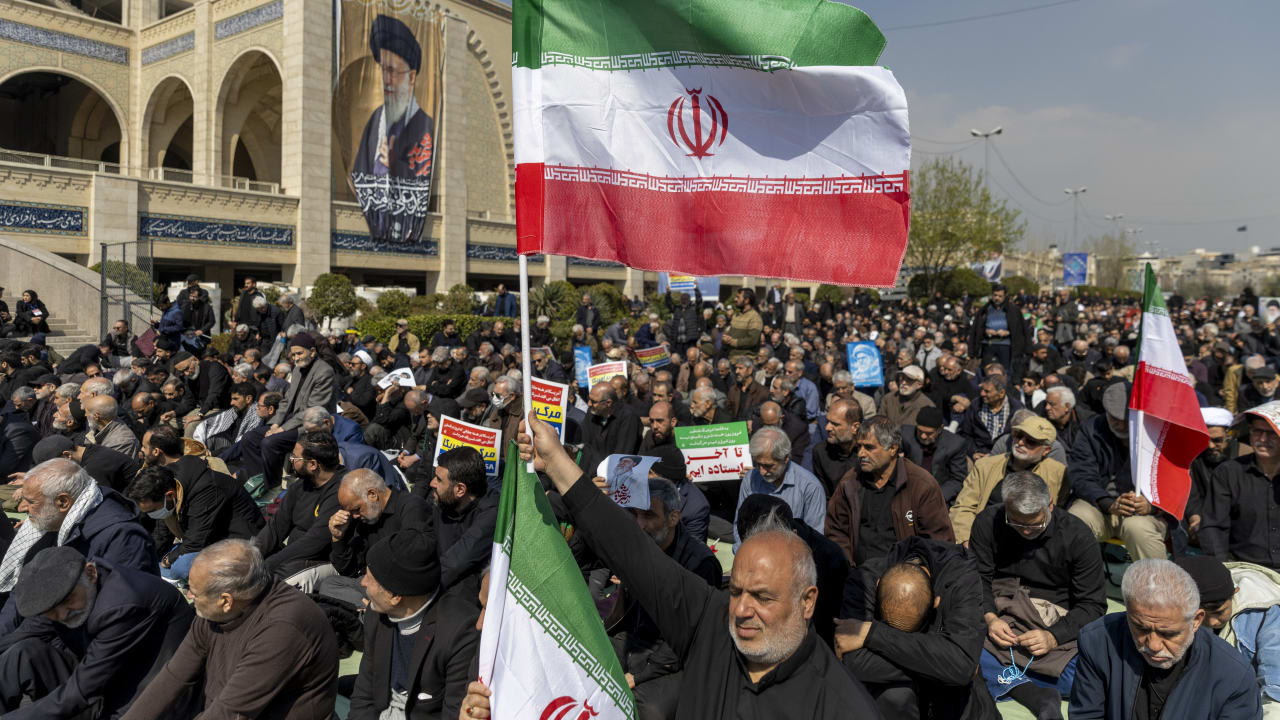
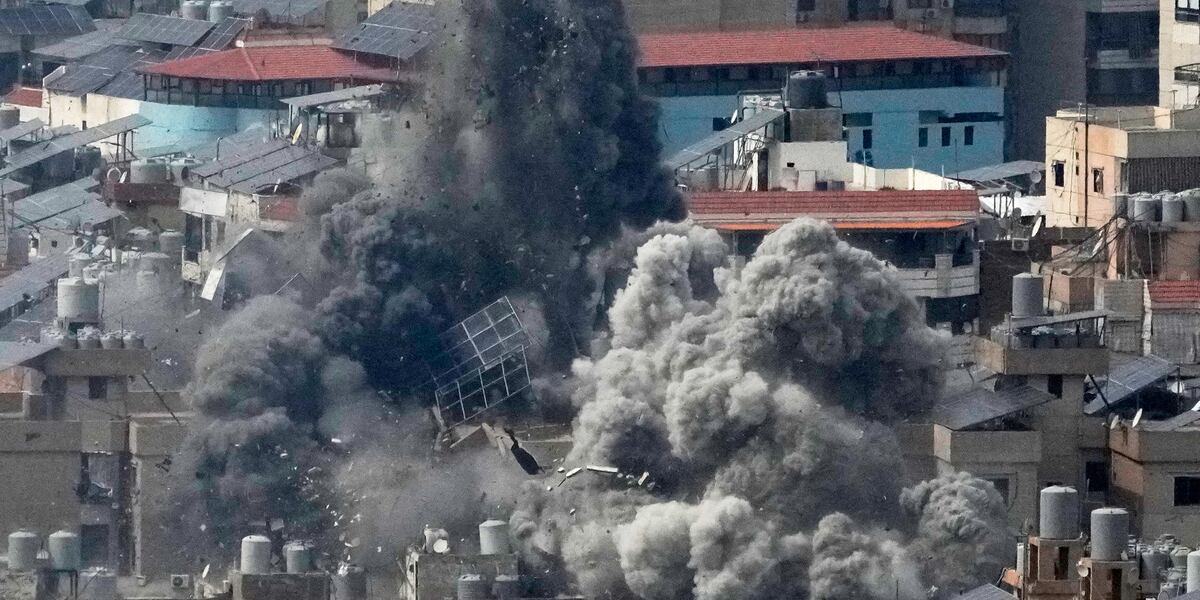
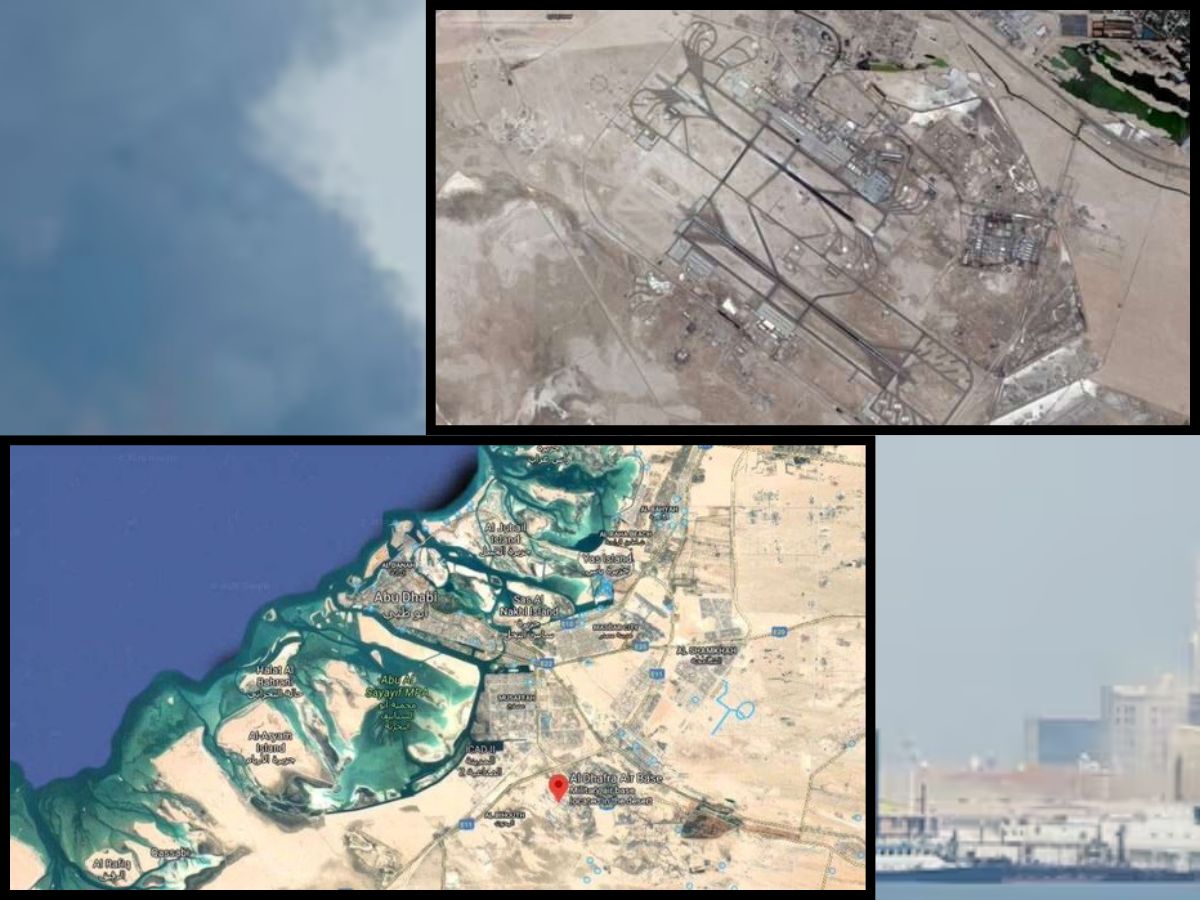
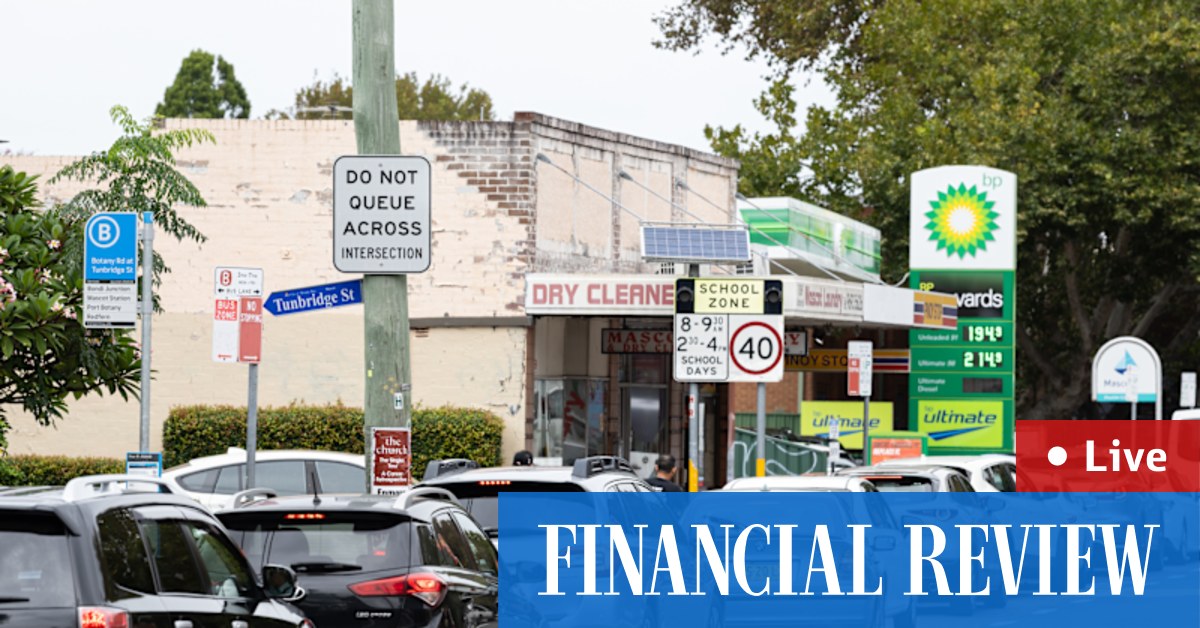
The appointment of Mojtaba Khamenei as Iran's supreme leader on March 9, 2026, following his father's death in U.S.-Israeli airstrikes on February 28, has triggered a critical geopolitical crisis with immediate implications for global cross-border commerce. Oil prices surged above $110 per barrel (16% increase to $108 Brent crude), while major Asian stock indices collapsed: South Korea's Kospi fell 8%, Japan's Nikkei dropped 6.5%, and Hong Kong's Hang Seng shed 3%. The escalating Iran-Israel conflict has effectively closed the Strait of Hormuz, a critical chokepoint through which millions of barrels of oil pass daily, forcing major Gulf producers (Iraq, Kuwait, UAE) to reduce output significantly. Iraq's oil production has collapsed to less than one-third of pre-conflict levels.
For cross-border e-commerce sellers, this crisis directly impacts operational costs and supply chain viability. Rising oil prices translate immediately into increased freight rates for both air and sea shipping globally. Sellers relying on just-in-time inventory models face potential supply disruptions, particularly those sourcing from or shipping through Asia-Pacific regions. The geopolitical instability creates currency volatility, affecting payment processing and exchange rates for sellers operating in multiple markets. Energy-intensive logistics providers are raising rates 8-15% for shipments through alternative routes avoiding the Strait of Hormuz, adding 5-7 days to transit times. Sellers with Middle Eastern operations face heightened operational risks, including potential payment processing delays and market access restrictions.
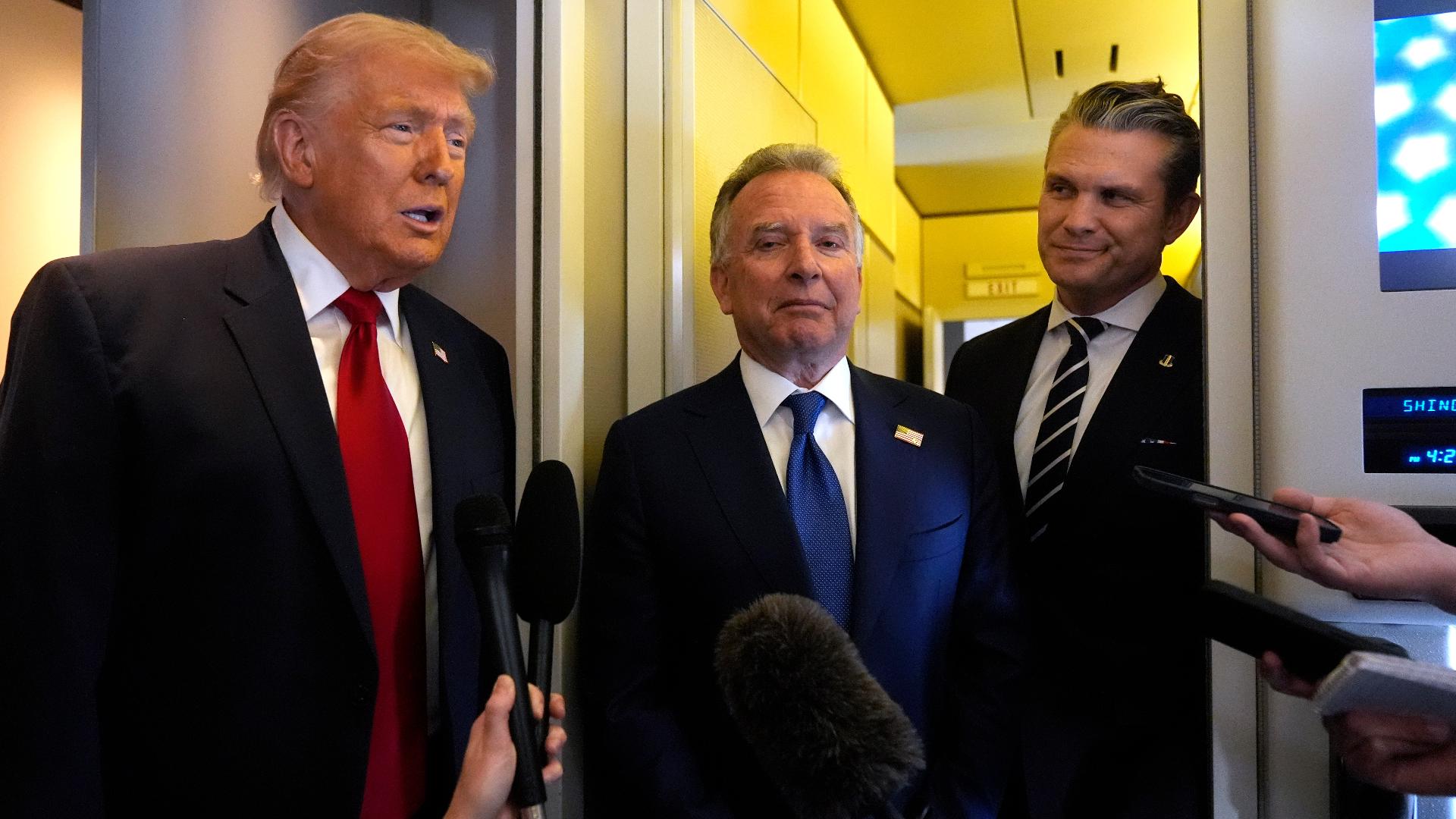
The hardline nature of Mojtaba Khamenei's appointment signals no de-escalation in regional tensions. Unlike his father, Mojtaba lacks formal religious credentials (Mujtahid rank) but maintains tight control over IRGC networks and Iran's economic apparatus, suggesting continuity of confrontational policies. President Trump's public opposition to the appointment indicates sustained U.S.-Iran adversarial relations throughout 2026. The State Department's evacuation order for Saudi Arabia—the first such order for a U.S. embassy in the Middle East since conflict began—signals escalating regional instability. This geopolitical environment will likely persist through 2026, creating sustained pressure on global shipping costs, supply chain reliability, and cross-border payment systems. Sellers should anticipate 6-12 month elevated freight costs and implement alternative sourcing strategies to mitigate supply chain risks.
Questions 8
What inventory strategy should sellers adopt during this crisis?
Increase safety stock by 15-25% for fast-moving SKUs to buffer against extended lead times (40-50 days via alternative routes vs. 30-35 days standard). Pre-position inventory in regional fulfillment centers (US, EU, Asia-Pacific) to reduce reliance on just-in-time models. The news indicates transit times will extend 5-7 days due to Strait of Hormuz closure, making inventory positioning critical. For sellers with $500K+ annual revenue, consider 3PL partnerships offering multi-region warehousing to distribute risk. Implement demand forecasting tools to optimize inventory levels and avoid stockouts during extended lead times. Monitor oil prices daily and adjust inventory strategy if prices stabilize below $100/barrel, signaling potential de-escalation.
How should sellers communicate shipping delays to customers?
Proactively update product listings and checkout pages with revised delivery estimates immediately. The news reports the crisis began March 9, 2026, with ongoing escalation; sellers should communicate transparently about 5-7 day delays for international shipments. Offer expedited shipping options at premium rates to capture customers willing to pay for faster delivery. Implement automated email notifications explaining geopolitical factors affecting shipping (without political commentary) to manage customer expectations. Consider offering partial refunds or store credits for customers accepting extended delivery windows. Monitor customer service inquiries for shipping complaints and respond within 24 hours with specific revised delivery dates. This transparency builds trust and reduces return/refund requests due to unmet delivery expectations.