



Oil Prices Surge Above $100/Barrel | Critical Supply Chain Disruption for Cross-Border Sellers
- Crude oil exceeds $100/barrel for first time since 2022; shipping costs rise 8-15% for international logistics; IMF warns of global inflation; South Korea implements first fuel price cap in 30 years; sellers face 2-4 week delivery delays on Asia-Pacific routes



























Overview
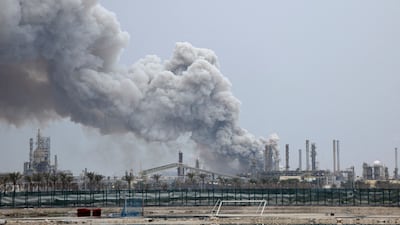
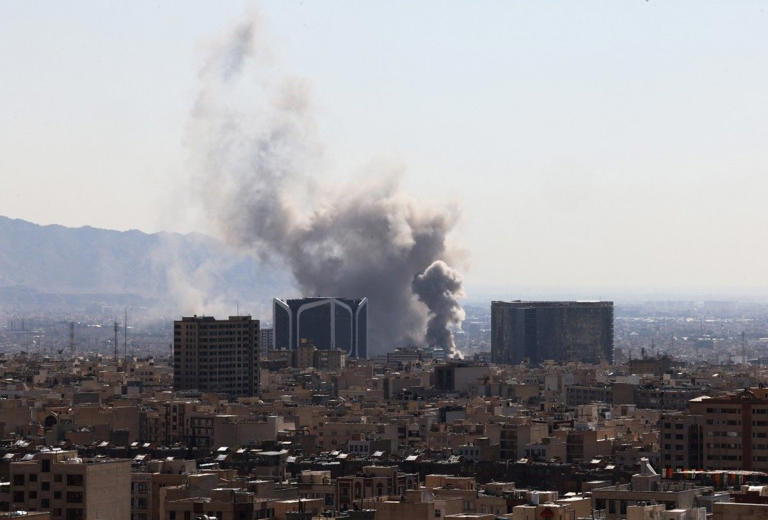
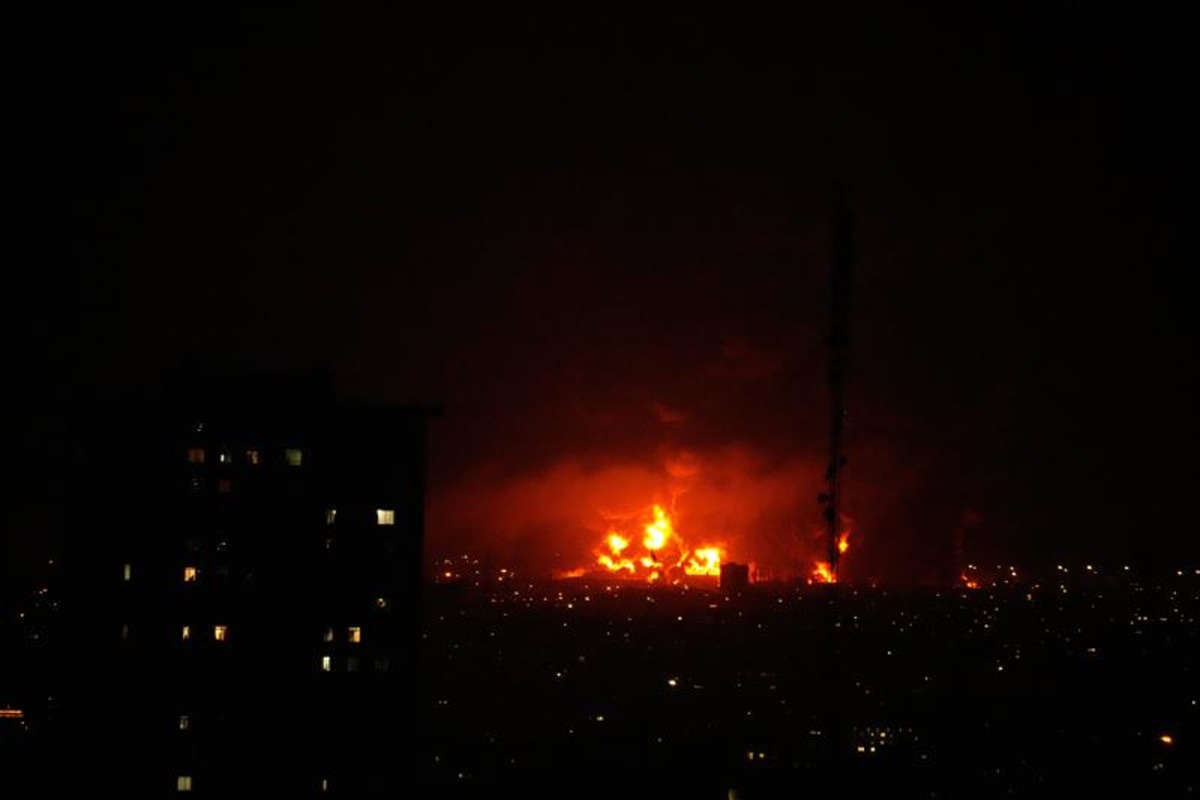
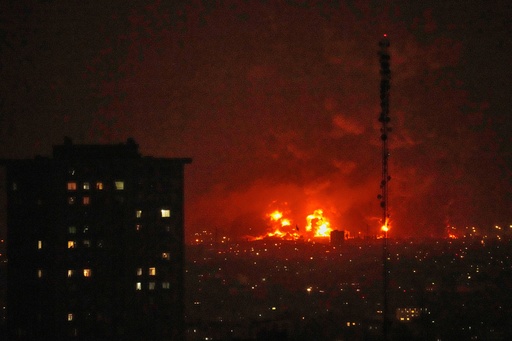
The escalating US-Israel military conflict with Iran has triggered a critical energy market crisis with direct operational consequences for cross-border e-commerce sellers. As of March 2026, crude oil prices have surged above $100 per barrel—the highest level since Russia's 2022 invasion of Ukraine—following Israeli attacks on Iranian oil storage facilities and energy infrastructure. This represents the most significant supply chain disruption since the pandemic, with cascading effects across fulfillment networks, shipping costs, and inventory management for sellers operating on Amazon, eBay, Shopify, and regional marketplaces.
Immediate Logistics Impact: The conflict has triggered a 10-15% increase in international shipping costs, particularly affecting sellers shipping from Asia-Pacific regions to North America and Europe. Major 3PL providers and freight forwarders are reporting 2-4 week delays on ocean freight routes through the Suez Canal and Persian Gulf, forcing sellers to choose between premium air freight (25-35% cost premium) or accepting extended delivery windows that damage Buy Box eligibility and customer satisfaction metrics. Sellers with FBA inventory in US warehouses face increased inbound shipping costs of $0.40-0.80 per unit for products sourced from China, Vietnam, and India—compressing margins by 5-8% on mid-range products ($15-50 price point).
Inflation and Currency Volatility: The International Monetary Fund has warned of accelerating global inflation, with energy costs driving price increases across manufacturing, transportation, and packaging. South Korea's announcement of its first fuel price cap in 30 years signals government intervention in energy markets, creating unpredictable pricing for sellers sourcing from Korean manufacturers. Asian markets experienced significant declines, with currency fluctuations affecting conversion rates for sellers pricing in multiple currencies. Sellers with exposure to Middle Eastern markets (Saudi Arabia, UAE, Bahrain) face heightened uncertainty as the US State Department ordered non-emergency diplomats to leave Saudi Arabia, signaling potential trade disruptions and payment processing delays.
Strategic Seller Implications: The conflict's expansion into energy infrastructure targeting creates a prolonged supply chain crisis with no immediate resolution. Senior Iranian officials have warned of no near-term peace prospects and threatened retaliatory strikes on regional energy infrastructure, suggesting sustained oil price elevation through Q2-Q3 2026. This environment favors sellers with diversified sourcing (non-Asia suppliers), pre-positioned inventory in regional fulfillment centers, and products with pricing power to absorb cost increases. Conversely, sellers dependent on just-in-time inventory from Asia-Pacific regions face margin compression and potential stockouts if delivery delays extend beyond 4 weeks.
Questions 8
How much will shipping costs increase for sellers importing from Asia due to the oil price surge?
International shipping costs are rising 8-15% for ocean freight and 25-35% for premium air freight due to fuel surcharges and route disruptions. For sellers importing from China, Vietnam, or India, inbound FBA costs are increasing $0.40-0.80 per unit depending on product weight and destination warehouse. A seller importing 10,000 units monthly from Asia could face an additional $4,000-8,000 in monthly shipping costs. These increases compress margins by 5-8% on products priced $15-50, forcing sellers to either absorb costs or raise prices and risk losing Buy Box eligibility on Amazon.
Which seller segments are most vulnerable to this supply chain crisis?
Sellers most vulnerable include: (1) Asia-dependent sourcing with <4 weeks inventory buffer; (2) Low-margin product categories ($5-15 price point) where shipping cost increases eliminate profitability; (3) Sellers with single-region fulfillment (only US FBA, no EU or Asia warehouses); (4) Sellers with Middle East market exposure facing payment processing delays; (5) Currency-sensitive sellers without hedging strategies for USD/CNY/INR fluctuations. Conversely, sellers with diversified sourcing, pre-positioned regional inventory, and pricing power to absorb cost increases are better positioned to maintain margins.