




Florida State's Dramatic NCAA Women's Soccer Triumph Signals Emerging Powerhouse Dynamics
- Late-game victory highlights strategic resilience and competitive edge in collegiate women's soccer























































































Overview
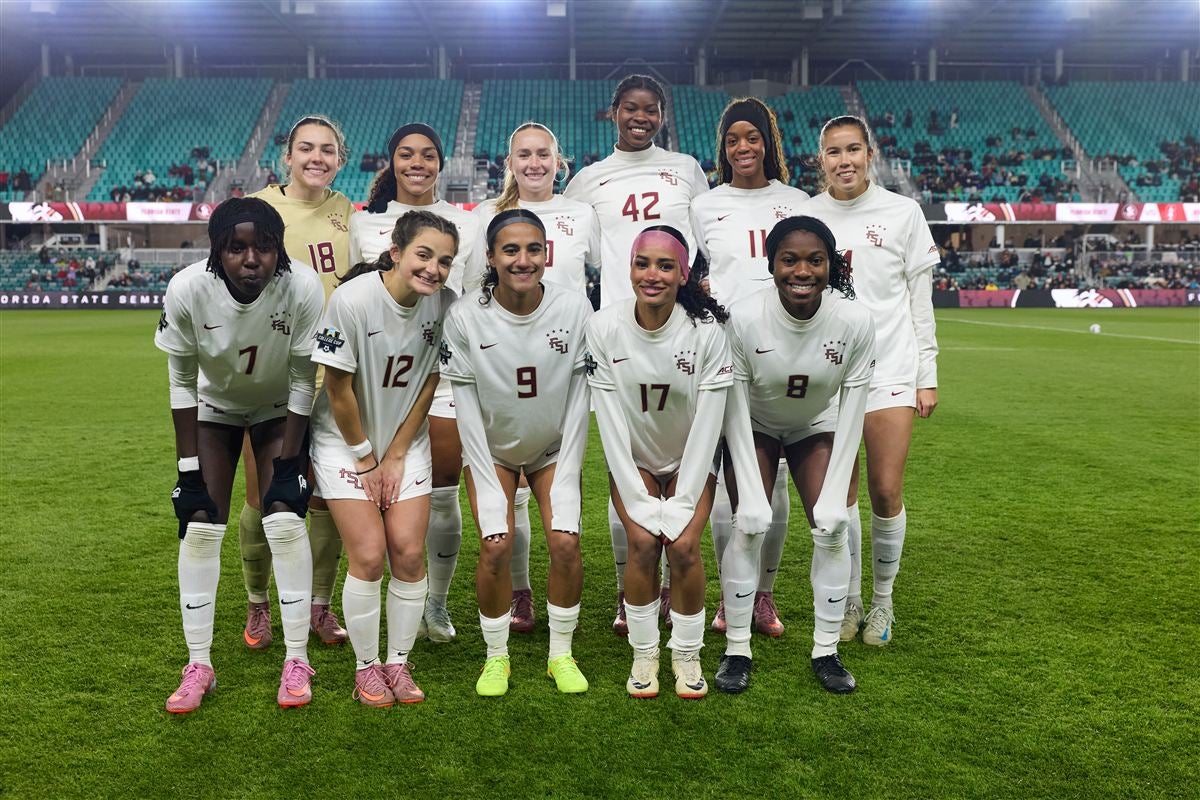
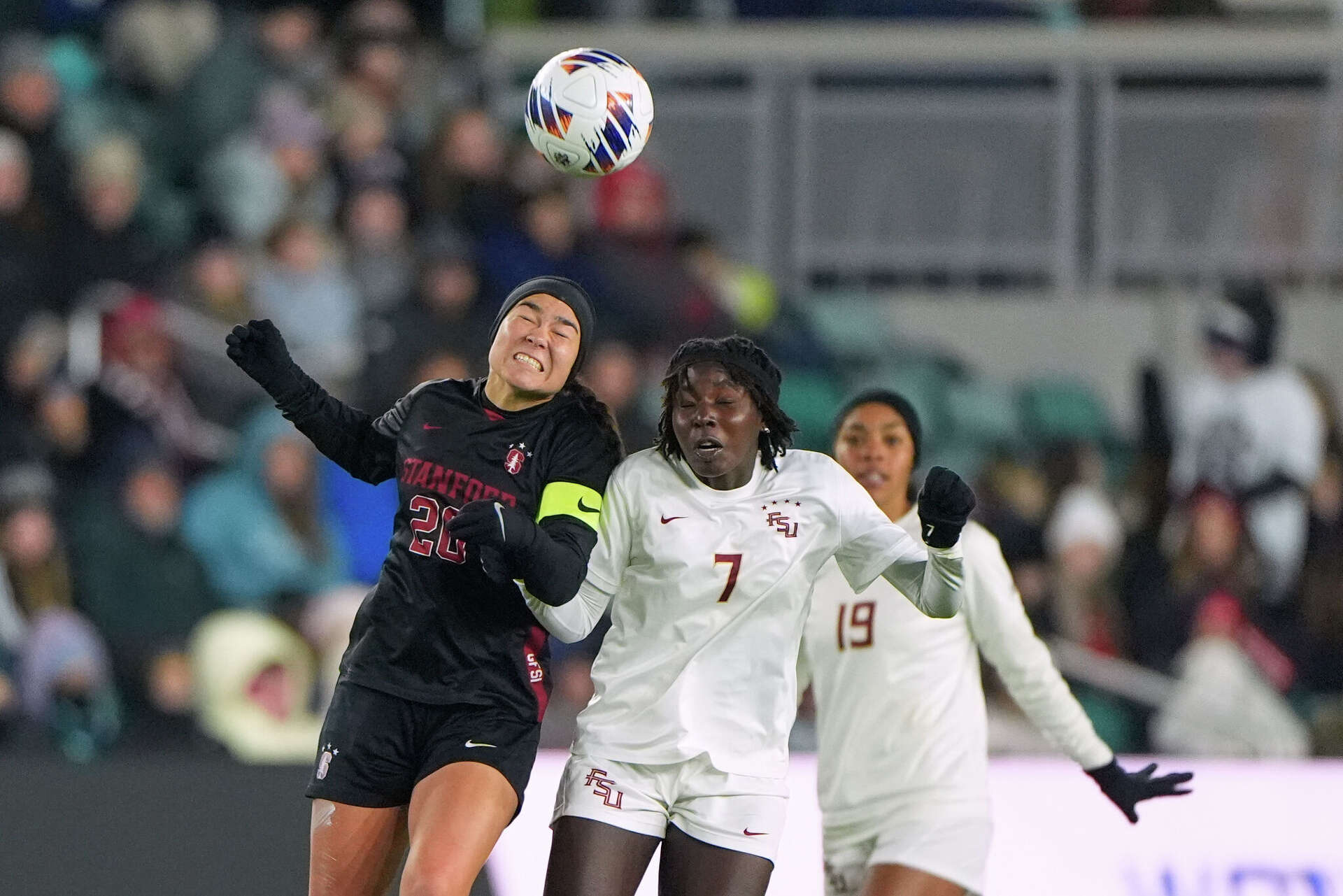
The 2025 NCAA Women's College Cup represents more than just a soccer championship—it's a compelling narrative of strategic triumph and institutional momentum. Florida State's razor-thin 1-0 victory over Stanford encapsulates the razor's edge of competitive excellence, with Wrianna Hudson's 87th-minute goal transforming a tense defensive battle into a historic moment.
Tactical Resilience in High-Stakes Competition: The match exemplifies the critical importance of mental fortitude and strategic positioning. With Kate Ockene's nine saves anchoring a formidable defensive strategy, Florida State demonstrated that championship-level performance isn't just about offensive firepower, but about maintaining composure under extreme pressure. This victory marks their third NCAA championship in five seasons, suggesting a systematic approach to building a consistently competitive program.
Institutional Pattern Recognition: The tournament's structure—involving 64 teams competing from November 14 to December 8, 2025—reveals the increasingly sophisticated ecosystem of collegiate women's soccer. Florida State's repeated success indicates more than individual talent; it suggests a robust developmental pipeline, strategic recruiting, and a culture of excellence that transcends individual match outcomes. The late-game goal symbolizes a deeper organizational capability: the ability to identify and exploit critical moments when championship trajectories are determined.
The broader implications extend beyond this single match. For collegiate athletic programs, this victory underscores the importance of building resilient, adaptable teams capable of performing under maximum psychological and physical stress. It's a masterclass in turning potential defeat into transformative triumph, where strategic preparation meets opportunistic execution.
Questions 3
What made the 1-0 victory against Stanford so remarkable?
The match was defined by its extreme tension and defensive mastery. Wrianna Hudson's 87th-minute goal transformed a defensive stalemate, showcasing the team's ability to identify and exploit critical moments under maximum psychological pressure. Kate Ockene's nine saves were crucial in maintaining the team's competitive edge.
What does this victory suggest about collegiate women's soccer?
The tournament's structure, involving 64 teams, and Florida State's consistent performance highlight the increasingly sophisticated and competitive landscape of collegiate women's soccer. It signals growing investment, strategic complexity, and professional-level developmental approaches in women's collegiate athletics.