


China Inflation Surge & Producer Deflation | Cross-Border Seller Impact
- CPI hits 1.3% (37-month high) while PPI deflation eases; $36.2B stimulus unlocks sourcing opportunities and payment optimization for sellers
























)










Overview
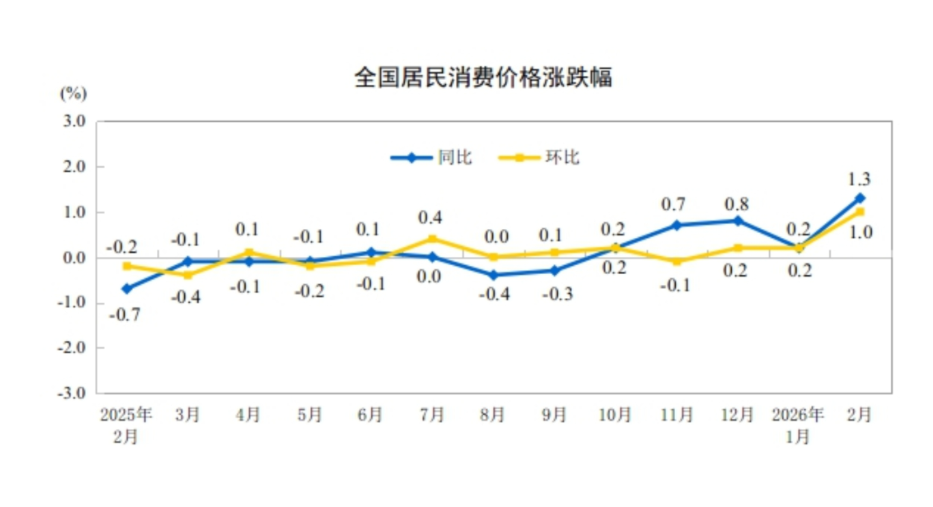
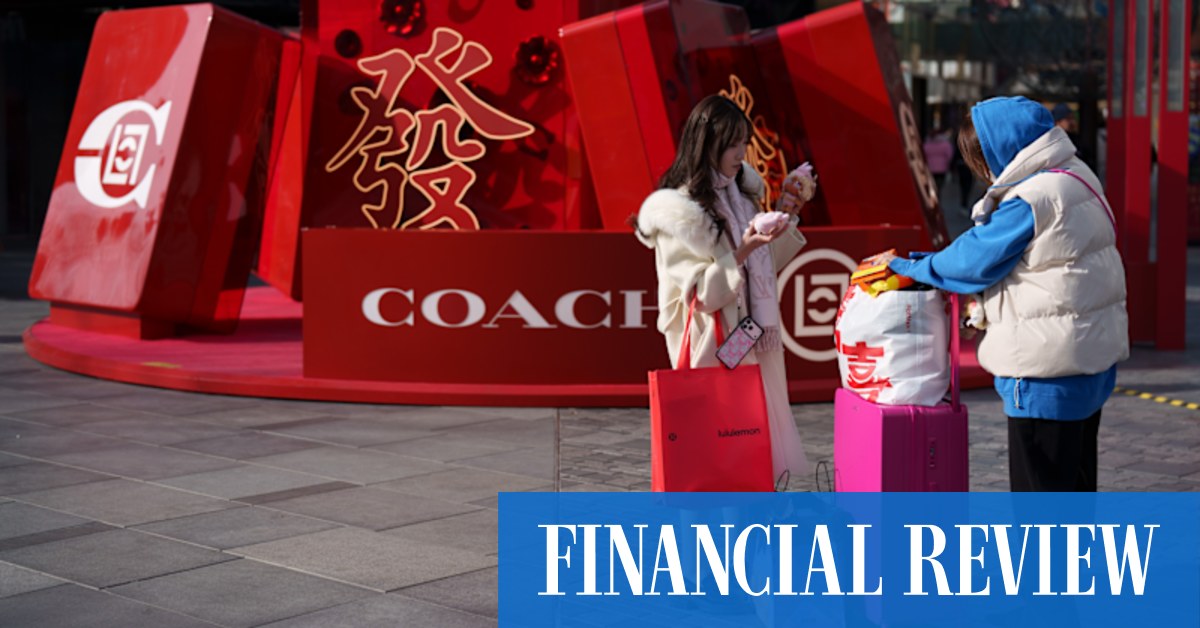
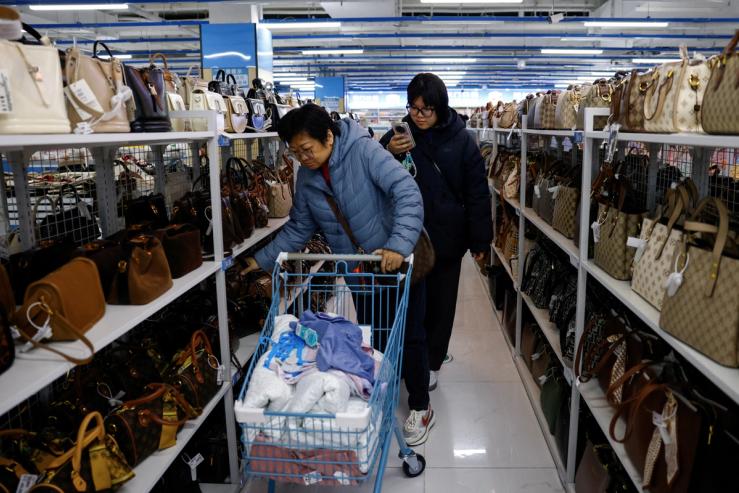
China's February inflation data reveals a critical bifurcation for cross-border sellers: consumer prices surged 1.3% year-over-year (highest in 37 months), while producer deflation moderated to -0.9% (slowest decline in 12+ months). The Consumer Price Index spike was driven by an extended Lunar New Year holiday (February 15-23, the longest on record), which boosted service sector prices 1.1% year-over-year—particularly travel (flight tickets +29.1%), gold jewelry (+76.6%), and dining. Core inflation reached 1.8%, matching March 2019 levels. Simultaneously, the Producer Price Index improvement reflects rising commodity costs (gold refining +16.9%, silver +8.4%, gasoline +3.1%) driven by Middle East geopolitical tensions and computing power demand.
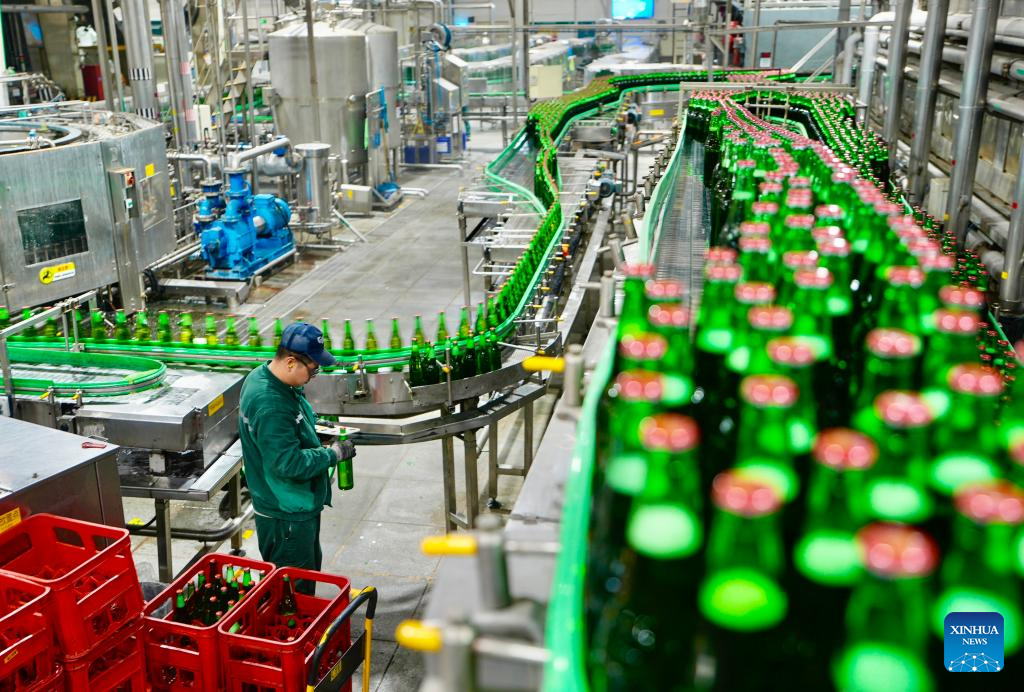
For cross-border sellers, this creates immediate financial optimization opportunities. The persistent producer deflation (-0.9% vs. forecasted -1.2%) signals weak manufacturing demand and margin pressure among Chinese suppliers, enabling aggressive cost negotiations on sourcing. Sellers can lock in lower factory-gate prices NOW before commodity inflation accelerates further—particularly for jewelry, metals, and energy-intensive products. The government's $36.2 billion consumer trade-in subsidy program and 100 billion yuan private investment support indicate stimulus targeting domestic consumption, but Capital Economics analyst Zichun Huang notes this CPI spike is temporary and will normalize post-holiday. Payment optimization is critical: with AUD/USD declining 0.80% to 0.6965 following the data release, sellers with Australian or regional banking entities can exploit currency weakness to lock in favorable exchange rates for CNY-to-USD conversions. The central bank's sector-specific rate cuts and increased cheap loans to tech/SME firms signal lower financing costs for Chinese suppliers, reducing their working capital pressure and improving payment reliability.
China's 2026 GDP growth target of 4.5-5% (slower than historical 5-6%) indicates cautious consumer spending ahead, but the temporary CPI surge creates a 30-60 day window for sellers to capitalize on elevated service demand. Jewelry, luxury goods, pet care products, and vehicle maintenance accessories should see elevated demand through March before normalizing. Sellers should immediately: (1) negotiate supplier contracts locking in current deflated factory prices before commodity inflation spreads; (2) accelerate invoice financing or supply chain financing to capture working capital at lower rates while central bank stimulus persists; (3) hedge CNY exposure through forward contracts or multi-currency payment providers to lock in favorable rates before USD strengthens further. The risk of global stagflation if Middle East tensions persist through March could accelerate producer price inflation, making immediate action essential.
Questions 8
Should I hedge my CNY exposure or wait for further currency movement?
Hedge NOW—don't wait. The AUD/USD decline to 0.6965 signals risk-off sentiment and USD strength, which typically continues during geopolitical uncertainty. Forward contracts lock in rates for 30-180 days at minimal cost (0.1-0.3% premium). If you have $500K in annual CNY supplier payments, a 2% CNY depreciation costs $10,000. Hedging costs $500-1,500 but protects against this downside. Use a 50-70% hedge ratio: cover 50% of expected payments with forwards, leave 30% unhedged to capture upside if CNY strengthens. This balanced approach minimizes costs while protecting margins.
How can I use the $36.2B government stimulus to improve cash flow?
The government's $36.2 billion consumer trade-in subsidy program targets domestic consumption but indirectly benefits sellers through increased supplier liquidity. Chinese suppliers receiving government support have improved cash positions and payment reliability. Negotiate extended payment terms (60-90 days vs. 30 days) with suppliers—they're more likely to accept given improved liquidity. Additionally, the 100 billion yuan private investment support may lower supplier financing costs, enabling them to offer volume discounts. Sellers can improve cash conversion cycles by 15-20 days through better payment terms, freeing up $10,000-30,000 in working capital per $100K monthly purchases.