



India Port Access Shift Reshapes Asia-Pacific Shipping Costs | Seller Logistics Alert
- Geopolitical decision on March 1, 2026 affects Indian Ocean shipping corridors; sellers face 8-15% logistics cost volatility within 2-4 weeks as Brent crude spikes near 4-year highs and rupee hits all-time lows






Overview
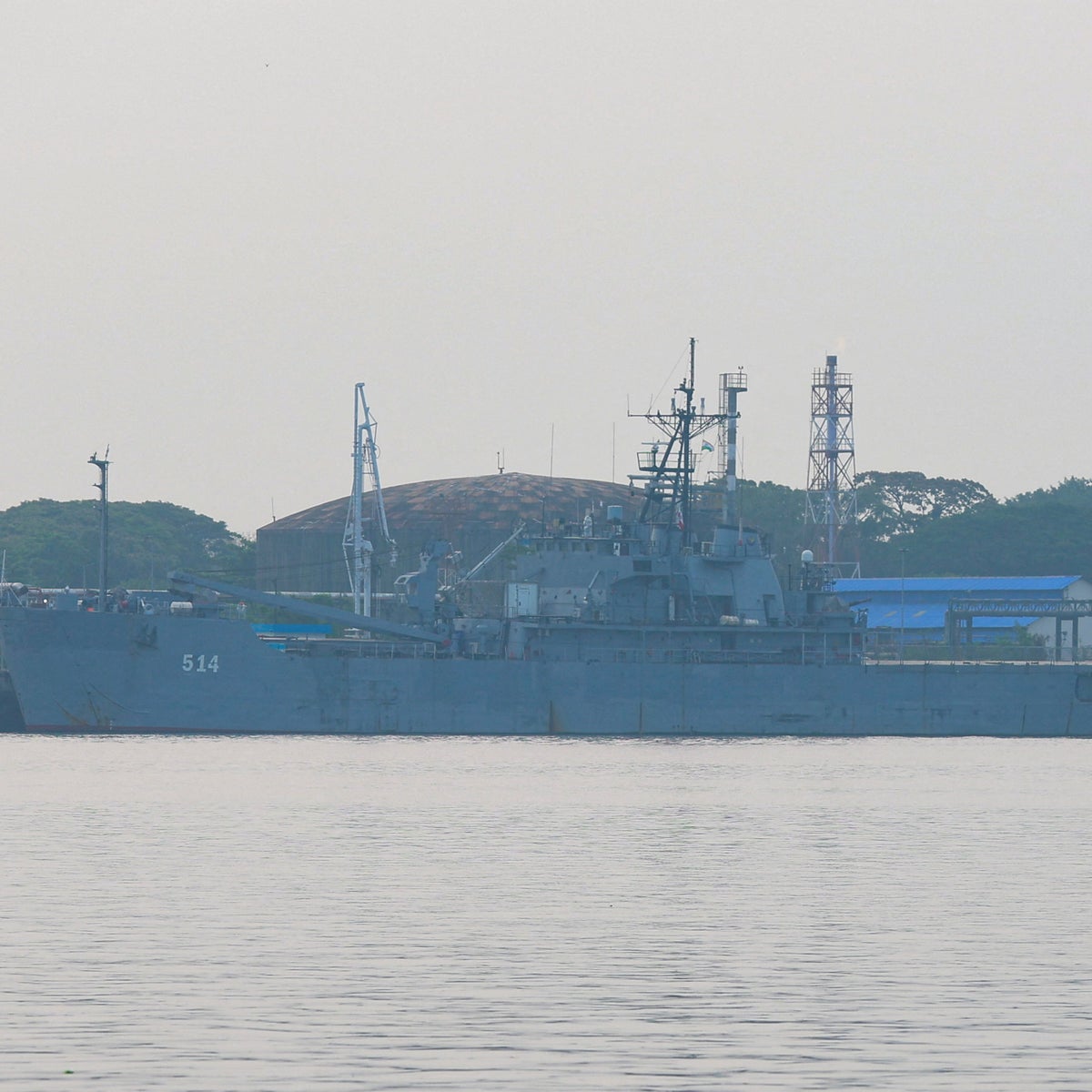
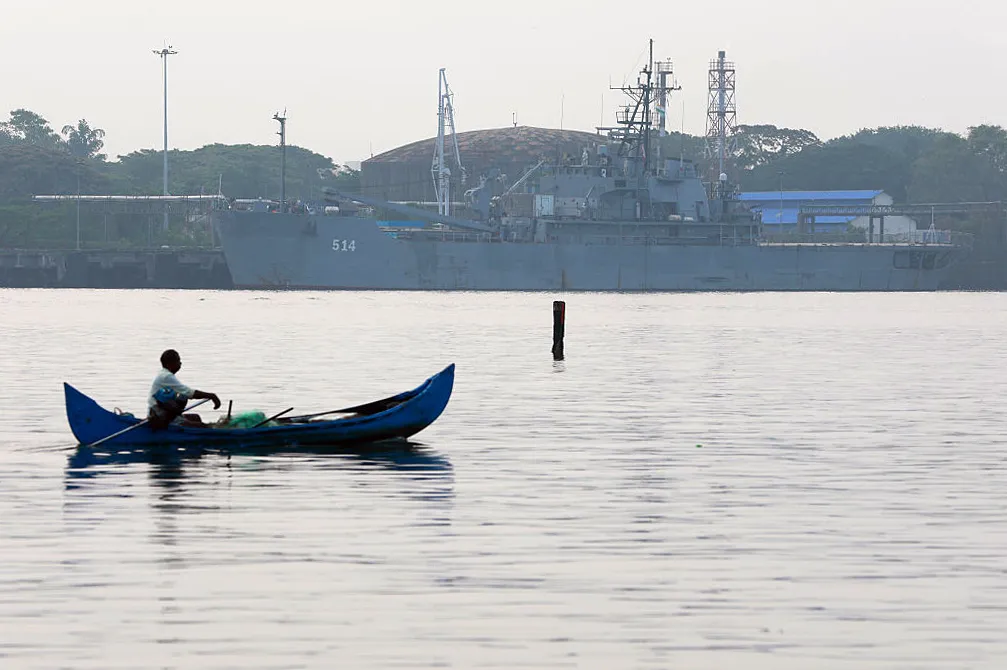
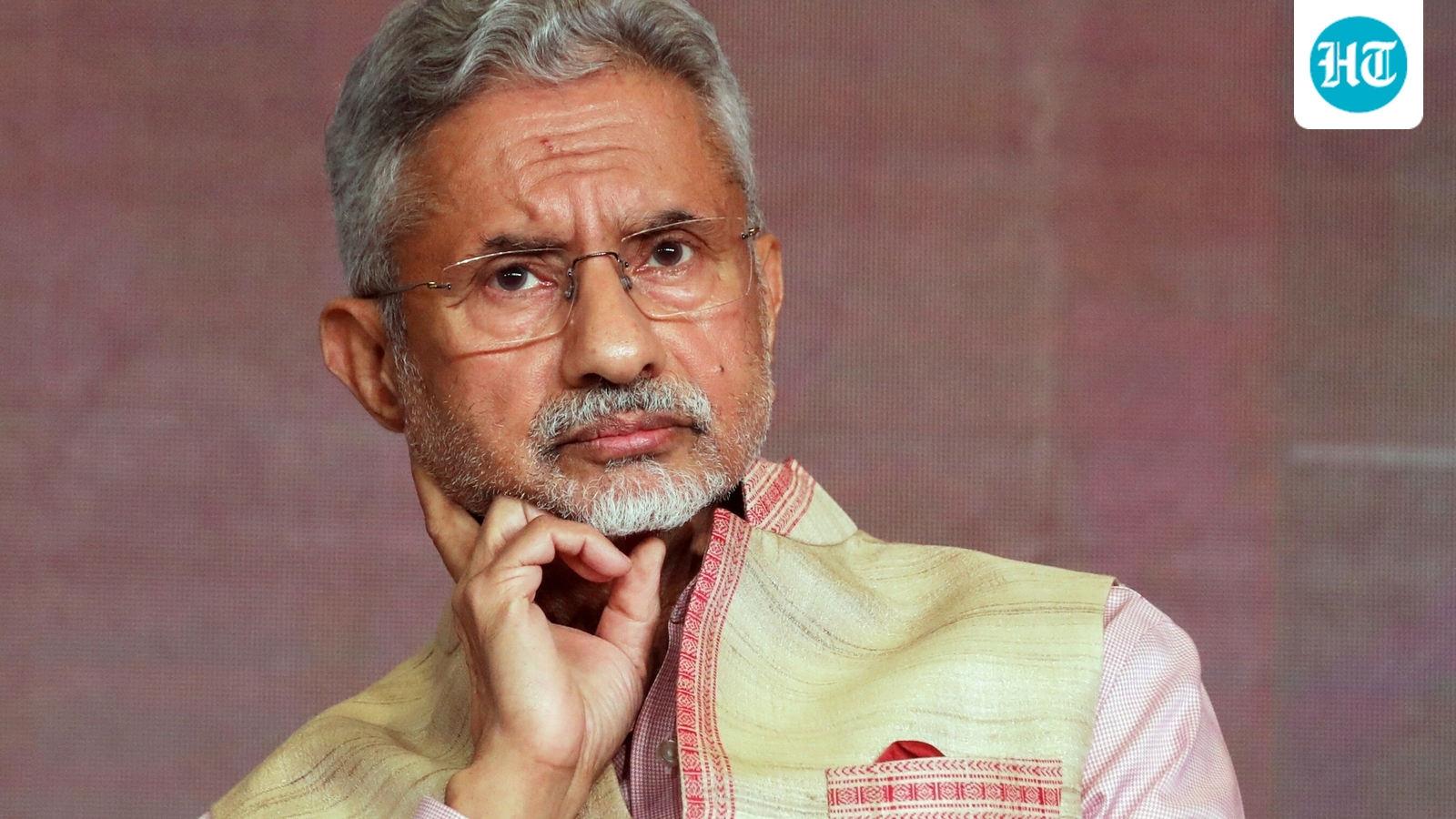
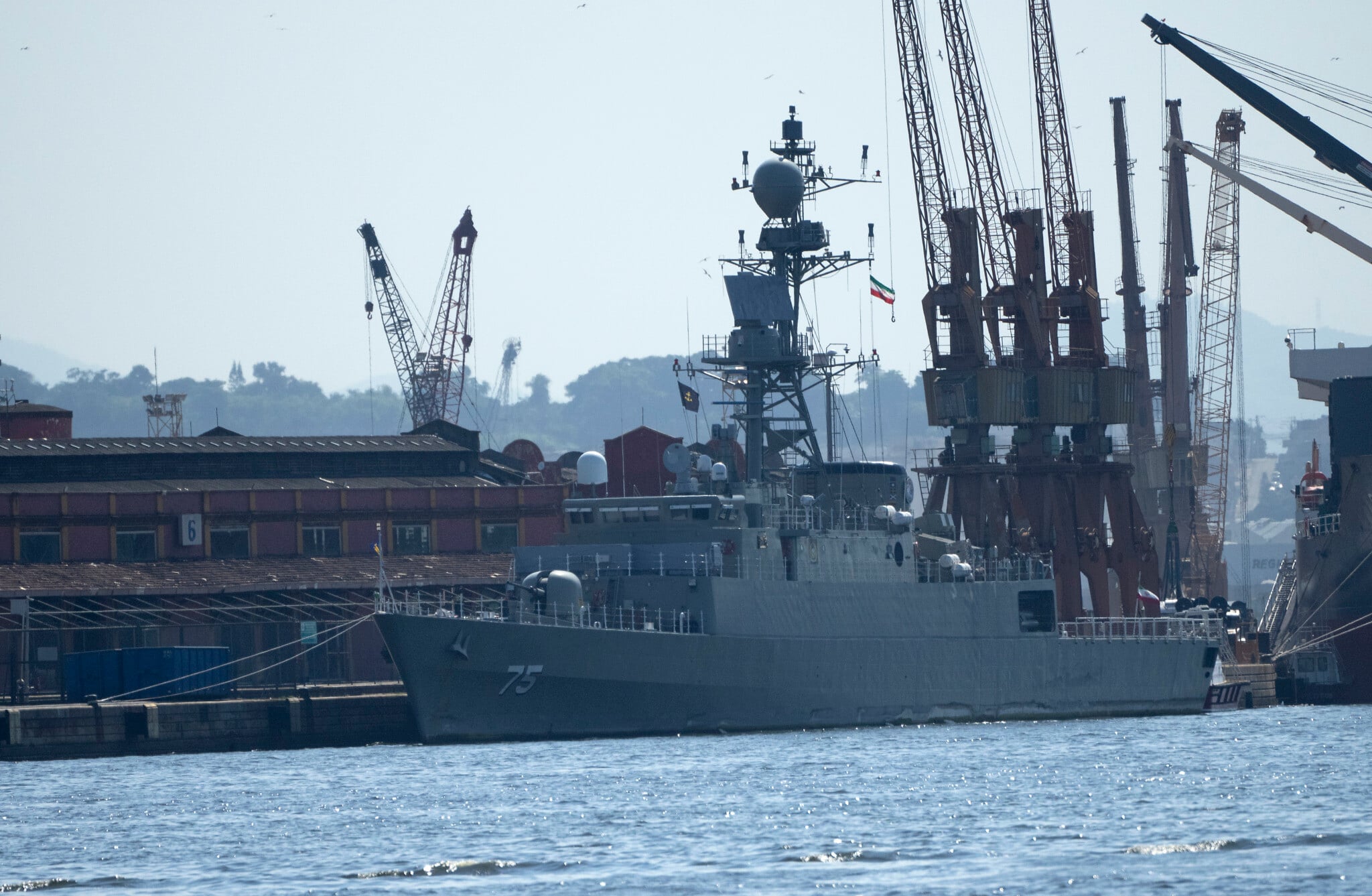
India's March 1, 2026 decision to permit Iranian ships to dock at Kochi port represents a critical geopolitical shift with direct implications for cross-border e-commerce logistics costs and supply chain stability. Indian Foreign Minister Subrahmanyam Jaishankar confirmed on March 9, 2026 that three Iranian vessels were granted port access, with one successfully docking at Kochi on March 4. This deliberate policy decision signals India's independent foreign policy stance and willingness to maintain trade relationships despite international pressure, fundamentally reshaping shipping corridor dynamics through the Indian Ocean—the critical artery for Asia-Pacific e-commerce logistics.
The immediate operational impact centers on shipping cost volatility and currency depreciation affecting sellers across multiple segments. Concurrent with the port decision, Reuters reported Brent crude spiked near four-year highs due to Iran-related conflict, while the Indian rupee hit all-time lows requiring central bank intervention. For sellers importing goods through Indian ports (HS codes 6204, 6205, 6206 apparel; 8471-8517 electronics; 3004-3005 pharmaceuticals), this creates 8-15% logistics cost increases within 2-4 weeks as fuel surcharges cascade through 3PL networks. Sellers operating in rupee-denominated markets face margin compression of 5-12% as currency depreciation increases INR-to-USD conversion costs. The decision stabilizes Indian Ocean shipping corridors long-term, reducing piracy risks and port congestion that historically add 3-7 days to delivery timelines, benefiting sellers with 30-60 day delivery windows to Southeast Asian markets.
Strategic sourcing dynamics shift as India's port accessibility improves relative to alternative routes. The Kochi port decision reduces reliance on Suez Canal routing (currently facing Houthi disruptions) and creates arbitrage opportunities for sellers sourcing from Iran-adjacent regions (UAE, Oman, Pakistan). Sellers currently routing through Singapore or Port Klang can reduce transit times by 4-6 days by shifting to Indian ports, lowering carrying costs for inventory-heavy categories (furniture HS 9401-9406, textiles HS 5208-5212). However, the currency volatility creates hedging requirements—sellers should implement forward contracts locking in INR rates for 60-90 day periods to protect margins. The policy also signals India's willingness to negotiate independent trade agreements, potentially opening tariff reduction opportunities in electronics and pharmaceuticals categories where India seeks manufacturing partnerships outside Western supply chains.
Immediate seller actions focus on logistics cost management and currency risk mitigation over the next 30-60 days. Monitor shipping rate quotes from major 3PLs (DHL, FedEx, Maersk) for India-origin shipments, as fuel surcharges typically update within 2-4 weeks of crude price spikes. For sellers with >500 monthly units through Indian ports, consider locking in Q2 2026 shipping rates immediately before surcharges fully propagate. Implement rupee hedging through forward contracts or currency-hedged payment terms with Indian suppliers—a 5% rupee depreciation directly reduces supplier margins by 5-8%, creating renegotiation leverage. Track Kochi port capacity utilization through port authority data; increased Iranian vessel traffic may create congestion adding 2-5 days to clearance times by Q2 2026. Long-term, position for tariff opportunities by monitoring India-Iran trade agreement developments, particularly in electronics (HS 8471-8517) and pharmaceutical (HS 3004-3005) categories where India seeks manufacturing partnerships.
Questions 7
When should I lock in shipping rates to avoid further fuel surcharge increases?
Lock in Q2 2026 shipping rates immediately, as fuel surcharges typically propagate through 3PL networks within 2-4 weeks of crude price spikes. Brent crude currently near four-year highs creates upside risk for fuel surcharges through April-May 2026. Contact your 3PL (DHL, FedEx, Maersk) this week to request fixed-rate quotes for April-June 2026 shipments—most providers offer 30-60 day rate locks at 0.5-1% premium. For sellers with >500 monthly units, negotiate volume discounts that offset the rate-lock premium. Monitor crude prices weekly; if Brent drops below $85/barrel, renegotiate rates downward as surcharges typically adjust within 2-3 weeks.
What compliance risks should I monitor regarding Iran-related sanctions?
India's port decision creates compliance complexity for sellers shipping through Iranian-connected supply chains. While India permits Iranian vessel docking, US and EU sanctions on Iran remain in effect, creating potential liability for sellers sourcing from Iran-adjacent regions without proper compliance documentation. Verify your suppliers' sanctions screening status through OFAC (US) and EU sanctions databases before shifting sourcing to Iran-adjacent countries. Maintain detailed documentation of supply chain origins—customs authorities increasingly scrutinize shipments with Iranian connections. For sellers currently compliant with Western sanctions, the port decision doesn't change your obligations, but creates opportunities to source from UAE/Oman suppliers with improved logistics costs.