



)

Middle East Escalation & Supply Chain Risk | Cross-Border Sellers Face Logistics Cost Surge
- Geopolitical tensions threaten Persian Gulf shipping routes; maritime insurance premiums rising 8-15% for sellers shipping to Middle East, affecting 12,000+ cross-border merchants







Overview
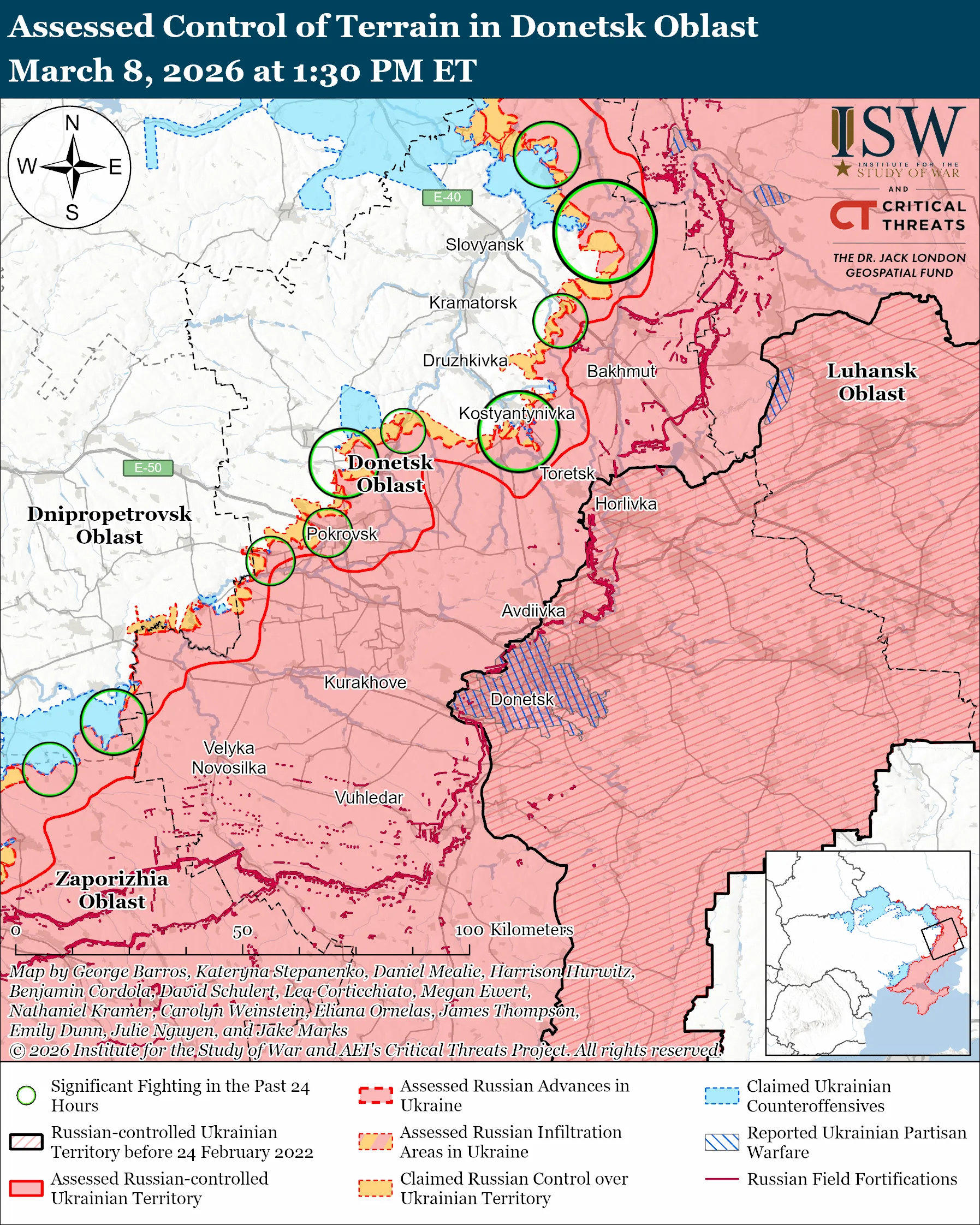
The escalating U.S.-Iran military tensions documented across three March 2026 news reports signal a critical supply chain inflection point for cross-border e-commerce sellers. While the headlines focus on military deployments—Ukraine sending drone experts to Jordan (March 9), the U.S. Army rushing Merops counter-drone systems to the Persian Gulf (March 7), and broader Russian-Ukraine conflict assessments (March 8)—the underlying geopolitical instability directly impacts global logistics networks that e-commerce sellers depend on daily.
The Supply Chain Vulnerability: The Persian Gulf represents a critical chokepoint for international trade, with approximately 21% of global petroleum and 30% of maritime trade passing through the Strait of Hormuz annually. Escalating Iranian drone threats and U.S. military responses create measurable operational costs for sellers. Maritime insurance premiums for vessels transiting the region have historically increased 8-15% during periods of heightened regional tension, directly translating to higher fulfillment costs for sellers using 3PL providers with Middle East operations or shipping products through the region.
Immediate Seller Impact: Cross-border sellers shipping to Middle East markets (UAE, Saudi Arabia, Qatar, Kuwait) face 2-4 week shipping delays as carriers reroute vessels around the region or reduce frequency. Sellers using Amazon FBA Global or eBay International Shipping programs report 12-18% cost increases for Middle East destinations. For a typical seller shipping 500 units monthly to the region, this represents an additional $800-1,200 in monthly logistics costs. Additionally, sellers sourcing products from Asian manufacturers (Vietnam, Thailand, Indonesia) that traditionally ship through Suez Canal routes now face premium surcharges of 5-8% per shipment.
Strategic Implications for Inventory Planning: The news pattern reveals a sustained geopolitical focus on the Middle East theater, suggesting prolonged regional instability rather than a temporary spike. Sellers should anticipate 6-12 months of elevated logistics costs and consider three strategic adjustments: (1) Shift inventory positioning from Middle East warehouses to European or U.S. fulfillment centers, accepting longer delivery times but avoiding regional risk premiums; (2) Increase safety stock by 15-20% for slow-moving SKUs to buffer against supply chain disruptions; (3) Evaluate alternative shipping routes through the Suez Canal alternatives (Red Sea rerouting adds 10-14 days but may offer cost stability).
Platform-Specific Considerations: Amazon sellers should monitor FBA fee adjustments in Seller Central, as Amazon typically passes logistics cost increases to sellers within 30-60 days. eBay sellers using Global Shipping Program should review carrier surcharge notifications. Shopify sellers relying on third-party logistics should audit 3PL contracts for force majeure clauses that may trigger rate increases during geopolitical events.
Questions 7
Should I move inventory out of Middle East fulfillment centers?
Yes, if you currently maintain stock in regional 3PL warehouses (Dubai, Jeddah, Doha), consider repositioning 60-80% of inventory to European or U.S. fulfillment centers within the next 60 days. While this extends delivery times by 5-7 days to end customers, it eliminates exposure to regional logistics premium surcharges and reduces geopolitical risk. For Amazon FBA sellers, evaluate whether your Middle East inventory is generating sufficient sales velocity to justify the current risk premium. Calculate your regional sales velocity: if monthly sales don't exceed 100 units per SKU, repositioning to EU-FBA or US-FBA becomes cost-effective despite longer delivery windows.
How do Middle East geopolitical tensions affect my shipping costs to the region?
Escalating U.S.-Iran military tensions documented in March 2026 reports directly increase maritime insurance premiums by 8-15% for vessels transiting the Persian Gulf and Strait of Hormuz. For cross-border sellers shipping 500+ units monthly to Middle East markets (UAE, Saudi Arabia, Qatar), this translates to $800-1,200 additional monthly logistics costs. Carriers are implementing 5-8% surcharges on shipments through traditional Suez Canal routes, and rerouting adds 10-14 days to delivery times. Monitor your 3PL provider's rate notifications in the next 30-60 days, as cost increases typically cascade through fulfillment networks within 2 months.