




Geopolitical Tensions Drive Shipping Cost Surge | Cross-Border Sellers Face 8-15% Logistics Inflation
- Oil prices spike to $100-120/barrel amid Middle East conflict, forcing sellers to absorb 8-15% shipping cost increases and reassess Asia-Pacific supply chains through March 2026





















Overview
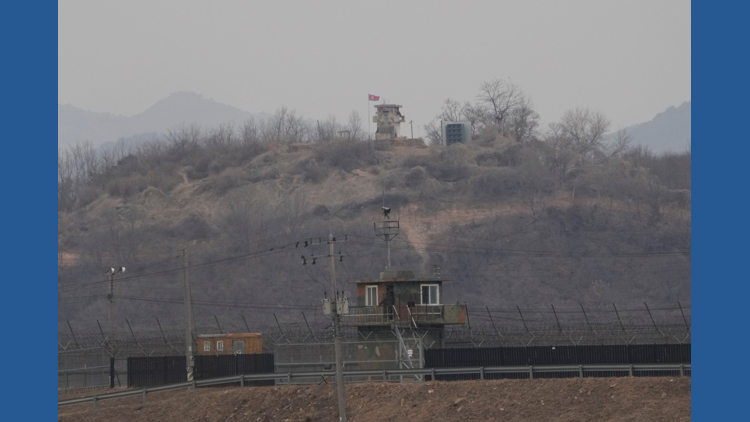
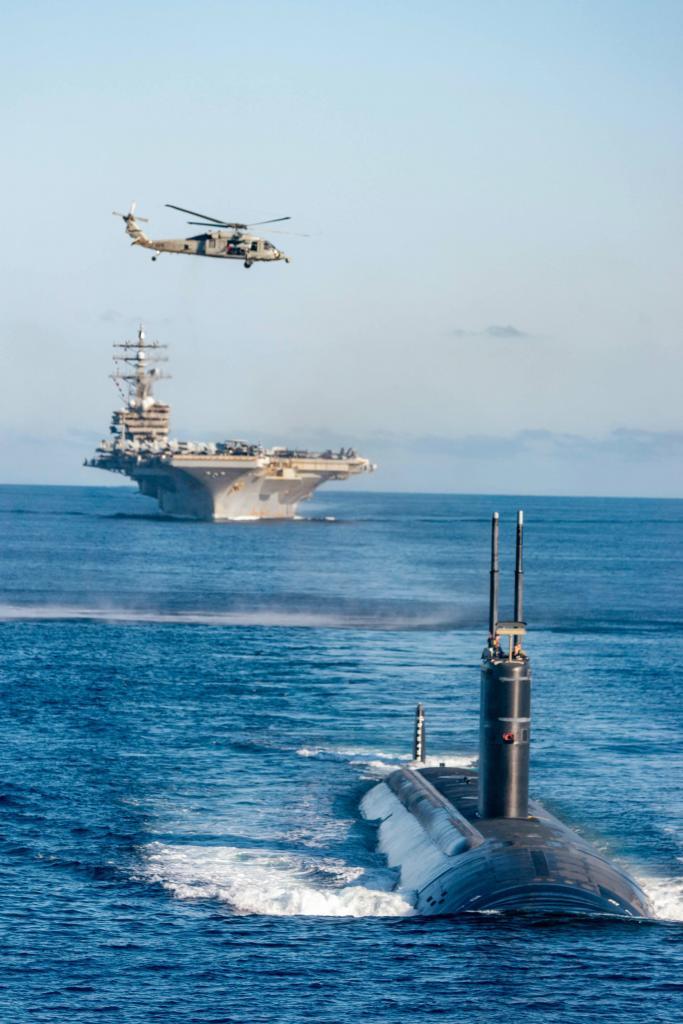
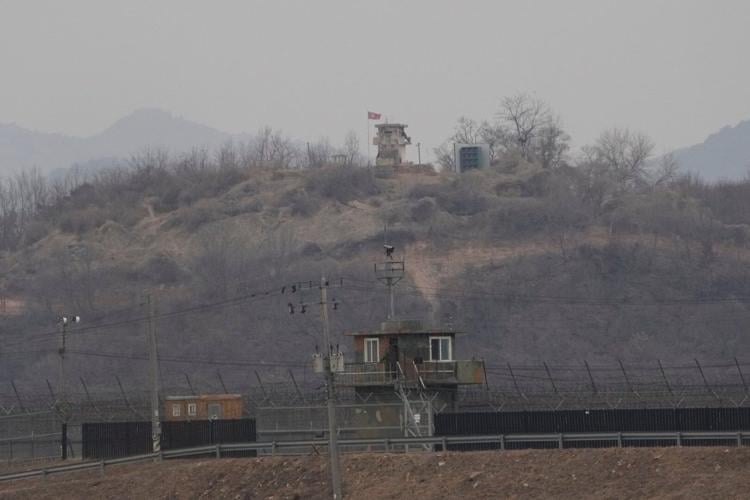
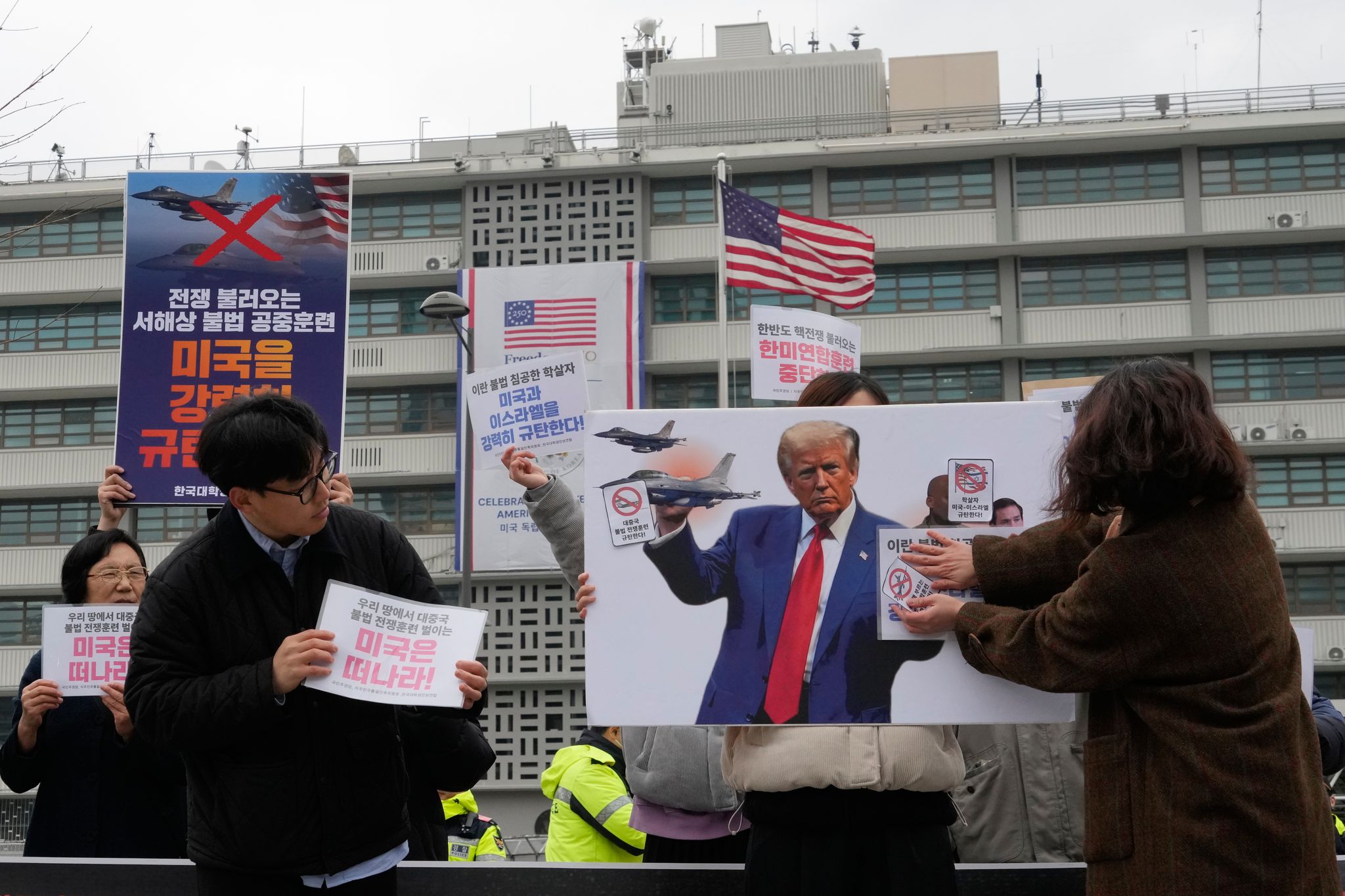
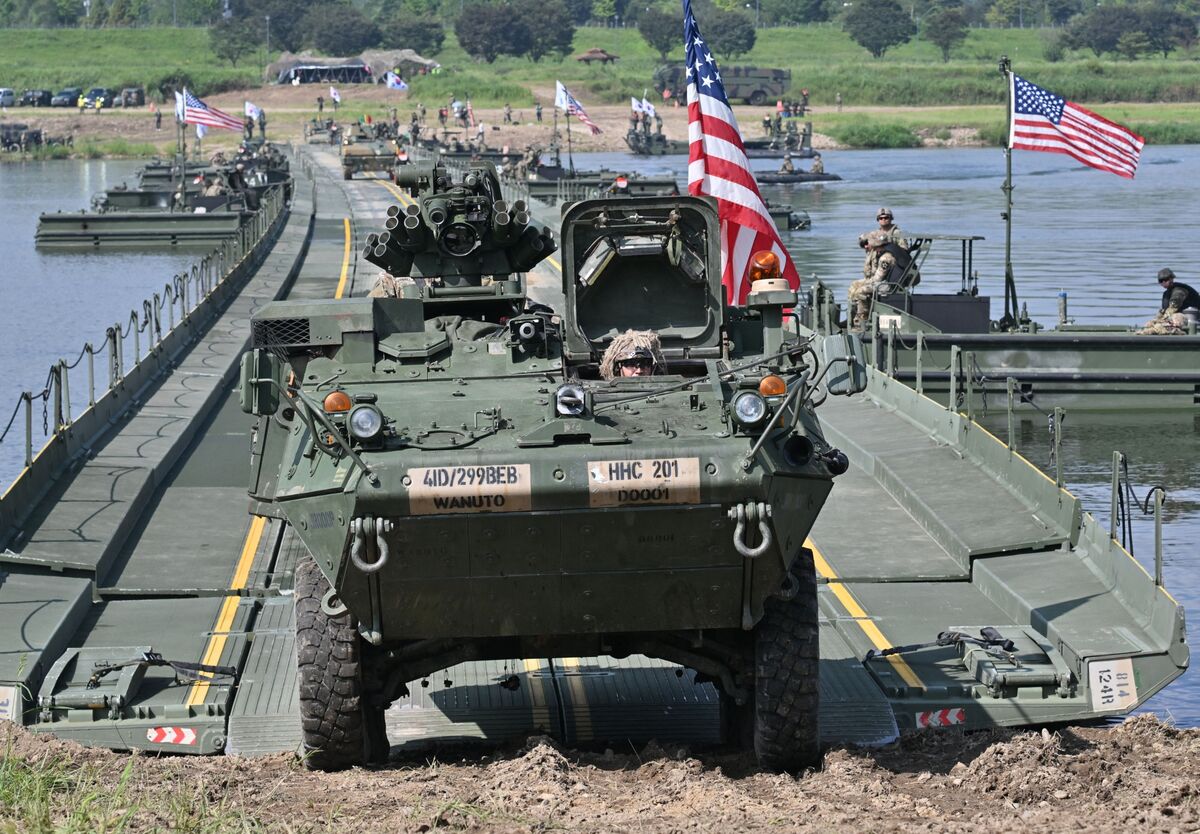
Geopolitical instability across Asia-Pacific and Middle East regions is creating immediate cost pressures for cross-border e-commerce sellers, with crude oil prices surging past $100-120 per barrel due to Iran conflict impacts on production and shipping routes. The concurrent US-South Korea military exercises (Freedom Shield drills scaled from 51 to 22 exercises through March 19, 2026) and potential US military asset repositioning from South Korea to the Middle East signal sustained regional tension that will keep energy costs elevated through Q2 2026.
For cross-border sellers, this translates to measurable logistics inflation. Sellers relying on international shipping—particularly those moving inventory from Asia to North America and Europe—face 8-15% increases in fulfillment costs. Amazon FBA sellers shipping from China/Vietnam to US fulfillment centers will see per-unit shipping costs rise from $2.50-4.00 to $2.70-4.60 for standard categories (apparel, electronics, home goods). Third-party logistics (3PL) providers are already implementing fuel surcharges of 3-5% on top of base rates. The uncertainty around East Asian trade corridors—with potential military asset repositioning from South Korea—creates additional risk for sellers with concentrated sourcing in the region. Sellers with inventory in South Korean ports face potential shipping delays if geopolitical tensions escalate further.
Strategic sourcing implications are significant. The news indicates Trump's anticipated China visit in late March/April 2026 could facilitate diplomatic discussions, but this creates a 4-6 week window of maximum uncertainty. Sellers should accelerate inventory shipments from Asia-Pacific before potential supply chain disruptions. The reduction in military exercises (from 51 to 22) suggests diplomatic de-escalation efforts, but this provides only temporary relief. Sellers in high-margin categories (electronics, luxury goods, collectibles) should prioritize air freight consolidation now, while sellers in lower-margin categories (apparel, home goods) should shift to slower ocean freight routes to absorb cost increases through pricing adjustments rather than margin compression.
Regional market dynamics are shifting. South Korea's diplomatic engagement efforts and potential North Korea discussions could eventually open new market opportunities, but sellers should not factor this into Q1-Q2 2026 planning. Instead, focus on immediate cost management: review 3PL contracts for fuel surcharge clauses, evaluate alternative sourcing from India/Vietnam to reduce Asia-Pacific concentration risk, and implement dynamic pricing strategies that reflect real-time shipping cost volatility. Sellers with existing inventory in US/EU fulfillment centers should prioritize moving stock to avoid storage cost increases if demand softens due to consumer price sensitivity from elevated shipping costs.
Questions 8
How much will my Amazon FBA shipping costs increase due to Middle East tensions?
Crude oil prices surging to $100-120 per barrel are driving 8-15% increases in international shipping costs. For Amazon FBA sellers shipping from Asia to US fulfillment centers, per-unit costs are rising from $2.50-4.00 to $2.70-4.60 for standard categories like apparel and electronics. Third-party logistics providers are implementing 3-5% fuel surcharges on top of base rates. The impact varies by weight, destination zone, and shipping method—air freight sees larger percentage increases than ocean freight. Sellers should review their FBA shipment costs in Seller Central and adjust pricing strategies immediately to maintain margins.
Should I increase inventory levels now before shipping costs rise further?
No—avoid aggressive inventory increases given current uncertainty. The news indicates a 4-6 week window of maximum geopolitical uncertainty (through late March 2026) before Trump's China visit could facilitate diplomatic discussions. Shipping costs are likely to remain elevated through Q2 2026, making inventory carrying costs expensive. Instead, focus on optimizing existing inventory turnover and maintaining lean stock levels. For best-sellers with proven demand, consider small inventory increases (10-15%) only if you can move stock within 30 days. For slower-moving items, reduce inventory levels to minimize storage fees. Use Amazon's IPI score and inventory health metrics to identify which SKUs justify increased stock. Wait until after late March 2026 to reassess inventory strategy based on geopolitical developments.