


Stagflation Risk & Rising Borrowing Costs | Cross-Border Seller Financing Impact 2026
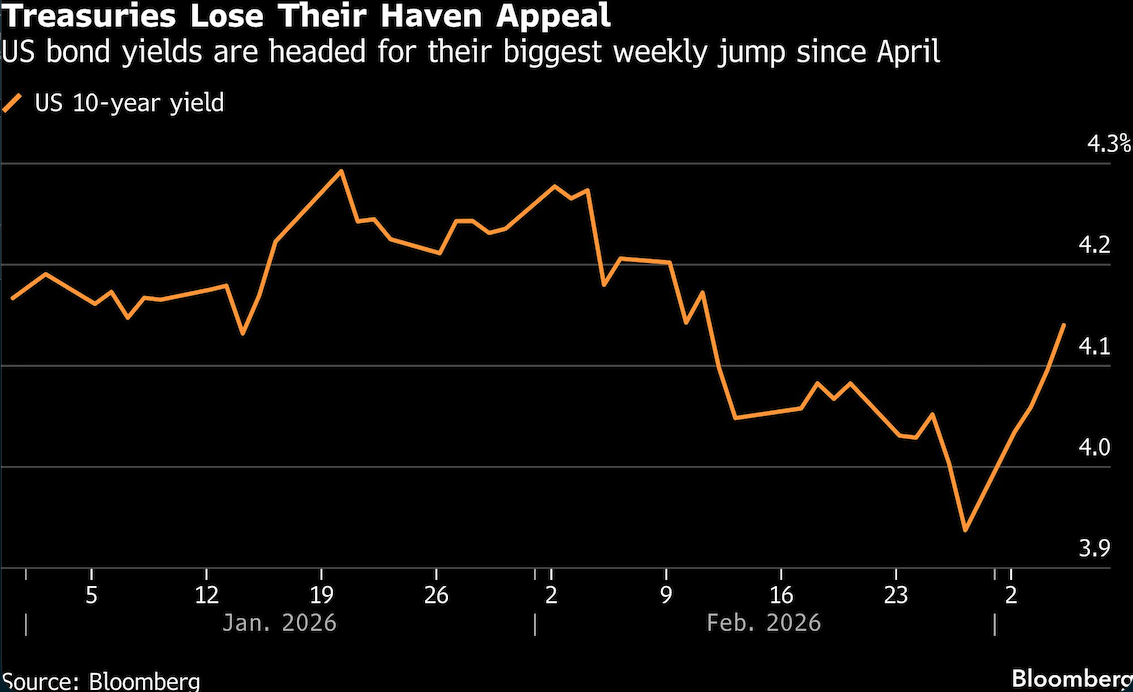
- Treasury yields surge 7 basis points (largest since January 2026); financing costs rise 2-4% for inventory/working capital; currency volatility threatens multi-region sellers






Overview
On March 9, 2026, global bond markets experienced severe turbulence as oil price shocks triggered widespread stagflation concerns—a combination of rising inflation and slowing economic growth. 10-year US Treasury yields surged more than 7 basis points, marking the largest single-day increase since January 2026, while Australia's 3-year yield reached its highest level since 2011 and German bund futures declined to 15-year lows. This macroeconomic shift carries direct financial implications for cross-border e-commerce sellers.
Rising bond yields immediately translate to higher borrowing costs for sellers. When Treasury yields increase, commercial lending rates follow within 2-4 weeks. For cross-border sellers relying on inventory financing, working capital loans, or PO financing, this means increased APR rates of 2-4% on typical trade finance products. A seller with $500K in inventory financing at 8% APR will see costs rise to 10-12% APR—adding $10-20K annually to financing expenses. Invoice factoring rates, typically 1.5-3% of invoice value, will likely increase to 2-4%, compressing margins for sellers using supply chain finance to accelerate cash conversion cycles.
Currency volatility accompanying bond market stress creates both risks and opportunities for multi-region sellers. Rising US Treasury yields typically strengthen the USD against emerging market currencies (CNY, INR, VND), making imports from Asia more expensive while improving margins for sellers exporting from the US. However, sellers with USD-denominated debt and revenue in weaker currencies face margin compression. FX hedging costs increase during volatility spikes—forward contracts that cost 0.5-1% of transaction value may rise to 1.5-2.5%, reducing the cost-benefit of hedging strategies.
Stagflation concerns signal potential consumer spending slowdowns in developed markets, directly impacting demand for discretionary e-commerce categories (fashion, electronics, home goods). Sellers in these categories should expect 8-15% demand reduction in Q2-Q3 2026 as consumers prioritize essential purchases. Simultaneously, higher inflation compresses profit margins—shipping costs rise 3-5% quarterly, material costs increase, and price-sensitive customers resist price increases. Sellers unable to pass costs forward face margin compression of 5-8 percentage points.
Immediate financing optimization becomes critical. Sellers should lock in current borrowing rates before further increases, consolidate short-term debt into longer-term facilities, and accelerate inventory turnover to reduce working capital needs. Those with international suppliers should evaluate currency hedging strategies and consider shifting sourcing to regions with favorable currency movements. Monitoring central bank policy responses and economic data releases is essential, as interest rate decisions will directly influence financing costs, shipping expenses, and consumer purchasing power across key markets.
Questions 8
How can sellers optimize cash conversion cycles during stagflation and rising financing costs?
Sellers should reduce Days Inventory Outstanding (DIO) by 10-15 days through demand forecasting and inventory optimization, reducing working capital needs by 5-8%. Accelerate Days Sales Outstanding (DSO) from 45-60 days to 30-45 days using early payment discounts (1-2% for 10-day payment) or invoice factoring at 2-4% cost. Negotiate extended Days Payable Outstanding (DPO) with suppliers from 30 to 45-60 days where possible. Combined, these actions can free up $50-150K in working capital per $1M in monthly revenue, reducing financing dependency by 10-15% and saving $5-15K annually in financing costs. Implement these changes within 30-60 days to maximize benefit before rates increase further.
Which seller segments face the highest financing cost impact from rising yields?
Small-to-mid-size sellers ($1-10M annual revenue) relying on short-term inventory financing face the highest impact, as they typically pay 1-2% higher rates than large enterprises. Sellers in capital-intensive categories (electronics, furniture, appliances) with high inventory turnover requirements are most vulnerable. Those with variable-rate debt or short-term facilities renewing during yield spikes face immediate rate increases. Conversely, sellers with fixed-rate long-term financing (2-3 year terms) are protected. Sellers should audit their debt structure immediately and prioritize refinancing variable-rate facilities into fixed-rate products before rates increase further.