



Oil Price Surge to $110+ Barrel | Critical Shipping Cost Impact for Cross-Border Sellers
- Fuel surcharges increase 24-48 hours; 15-25% shipping cost hikes expected within 1-2 weeks; Asian market demand collapse threatens discretionary product sellers





























Overview
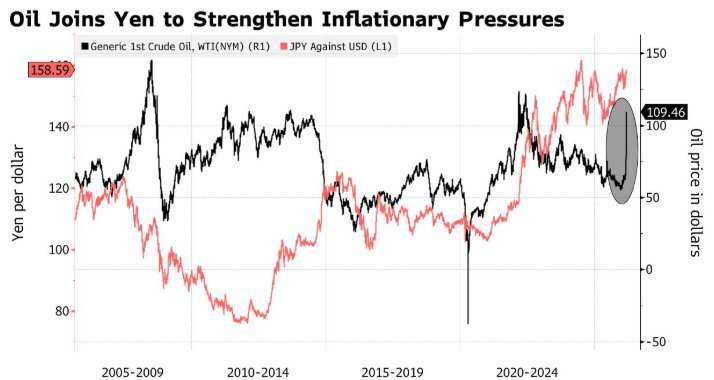
The Iran-driven oil price surge past $110 per barrel (reaching $119 during peak trading on March 9, 2026) represents a critical supply shock for cross-border e-commerce sellers globally, with immediate and cascading impacts across logistics, procurement, and consumer demand. This geopolitical disruption—triggered by U.S.-Israel-Iran tensions and OPEC production cuts (Kuwait reducing supply, Southern Iraq experiencing 70% production declines)—directly mirrors the 2022 Russia-Ukraine conflict, which resulted in 15-25% shipping cost increases for affected routes. For e-commerce sellers, the operational impact is immediate and multifaceted.
Shipping costs face dramatic increases within 1-2 weeks. Air freight and expedited logistics providers implement fuel surcharges within 24-48 hours of crude price movements, directly impacting sellers using 3PLs and fulfillment centers. Ocean freight carriers are implementing peak season surcharges and fuel adjustment factors, affecting sellers shipping bulk inventory. Historical data shows crude oil spikes above $100 per barrel consistently correlate with shipping cost increases within 1-2 weeks. For a seller shipping 1,000 units monthly via air freight, expect $200-400 monthly cost increases; ocean freight sellers face delayed but equally significant impacts. Warehouse electricity costs, manufacturing expenses, and transportation from suppliers also increase, compressing margins across all product categories.
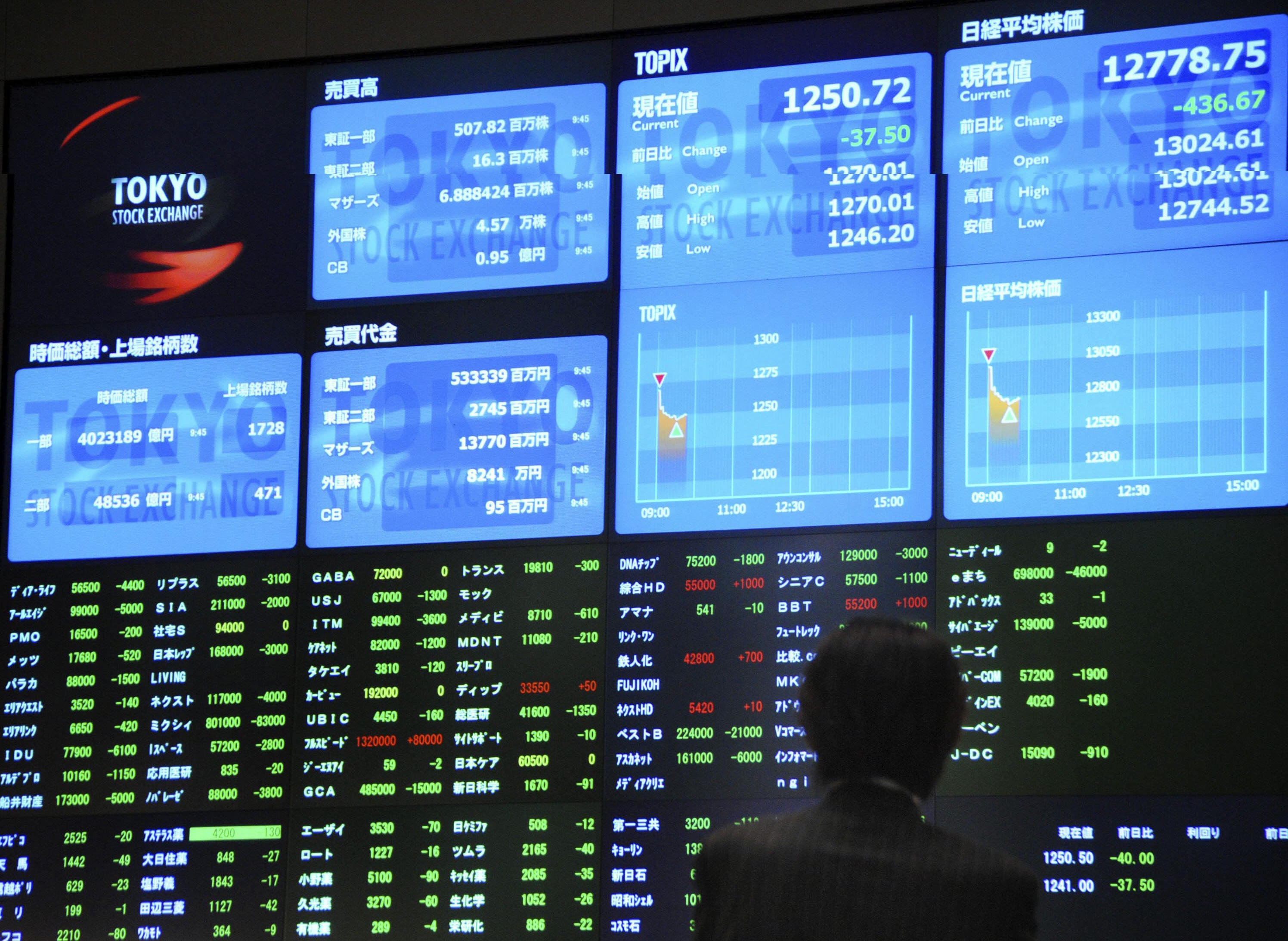
Asian market demand collapse creates secondary pressure on discretionary product sellers. South Korea's KOSPI index plummeted 5.95% on March 9, 2026, while Japan's Nikkei fell 5.2%. The Korea Financial Investment Association reported the largest single-day equity fund outflow in 11 years (250.9 billion Korean won on March 5), with private funds experiencing 129.7 billion Korean won outflow during March 3-5—marking the seventh consecutive week of outflows. This signals reduced consumer spending power in major Asian markets, particularly threatening sellers of discretionary e-commerce products (fashion, electronics, home goods). Sellers sourcing from Asian suppliers face higher procurement costs due to elevated fuel surcharges, creating a dual margin compression: rising input costs plus falling demand.
The "triple high" crisis—high oil prices, high inflation, high exchange rates—threatens South Korean economic stability specifically. Gas prices nationwide approached 2,000 Korean won, prompting government price control considerations. This regional economic stress directly reduces purchasing power for imported goods on Asian e-commerce platforms, affecting sellers targeting Korean, Japanese, and Southeast Asian consumers. U.S. Energy Secretary Chris Wright expressed confidence that oil prices would stabilize within weeks as shipping routes reopen, but securities analysts anticipate continued volatility until maritime safety is guaranteed—creating a 2-4 week window of maximum uncertainty and cost volatility.
Questions 8
How do Amazon FBA fees and Shopify shipping costs change with oil prices?
Amazon FBA fees include fuel and energy surcharges that adjust with crude oil prices. While Amazon doesn't publish real-time surcharge adjustments, historical data shows FBA fees increase 3-5% within 2-3 weeks of oil price spikes above $110 per barrel. Shopify shipping partners (FedEx, UPS, DHL) implement fuel surcharges within 24-48 hours; check your Shopify shipping settings for updated carrier rates. For Amazon sellers, the impact flows through fulfillment fees and storage costs. For Shopify sellers using third-party carriers, fuel surcharges are applied directly to calculated shipping rates. Review your Amazon Seller Central fee schedule and Shopify shipping settings daily. Consider switching to slower shipping methods (ground vs. air) to reduce fuel surcharge exposure by 30-40%.
What supply chain resilience strategies should sellers implement immediately?
Immediate actions (0-30 days): Review inventory by product category and shipping method; identify high-margin items suitable for price increases; audit logistics contracts for fuel surcharge clauses and renegotiate where possible. Diversify shipping routes: shift 20-30% of inventory from air freight to ocean freight (3-5% cost increase vs. 8-12% for air). Evaluate alternative 3PLs with fixed-price contracts. Strategic adjustments (1-6 months): Shift 20-30% sourcing from oil-dependent regions (Asia, Middle East) to Vietnam, India, or Mexico. Implement dynamic pricing strategies that adjust automatically for shipping cost changes. Build 4-6 week inventory buffers for high-demand categories to reduce reliance on expedited shipping. Risk mitigation: Monitor oil prices daily and set price adjustment triggers (e.g., increase prices 5% if oil exceeds $115/barrel). Establish supplier relationships in multiple countries to reduce single-source risk. Track competitor pricing and maintain Buy Box eligibility through strategic price adjustments.