




Oil Crisis Logistics Surge | Cross-Border Sellers Face 15-25% Shipping Cost Increases
- March 2026 Iran conflict drives crude above $100/barrel, forcing immediate supply chain restructuring for international e-commerce sellers













































Overview
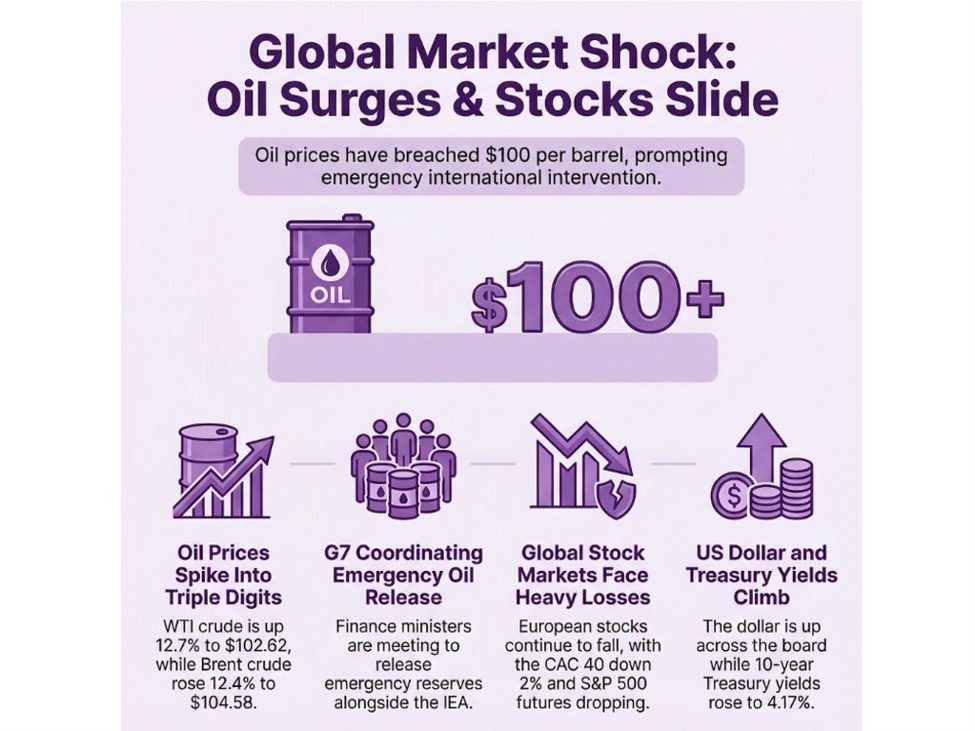
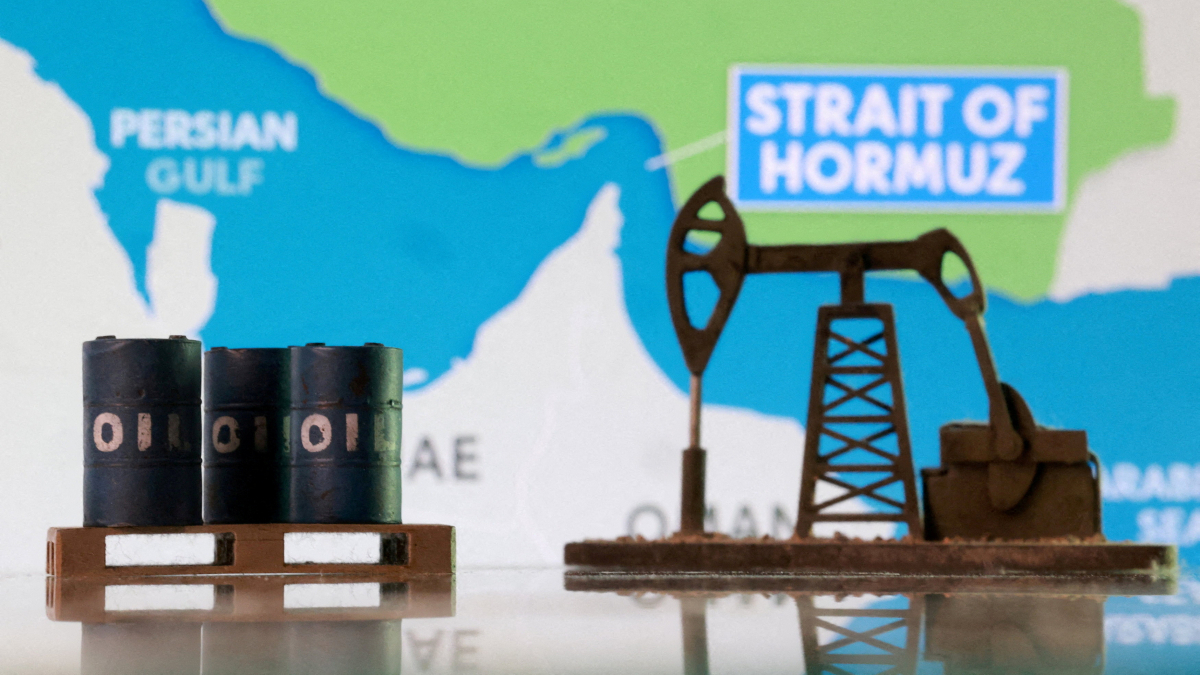
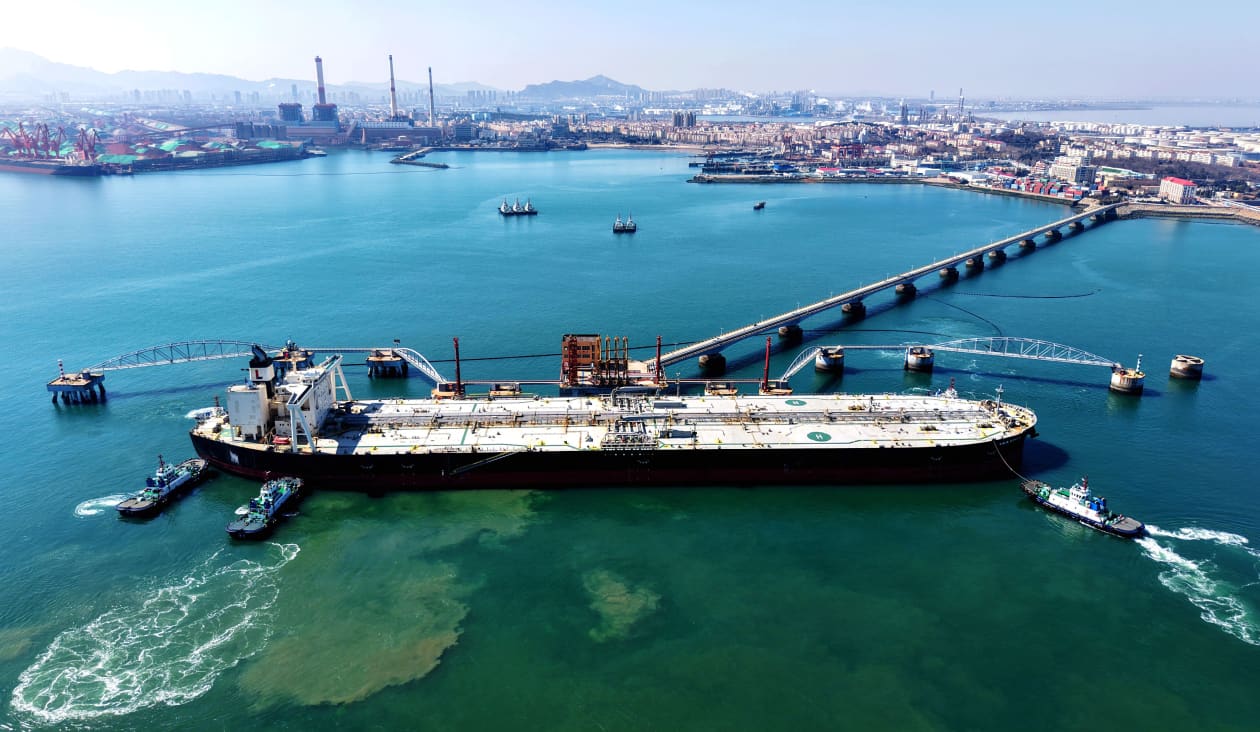
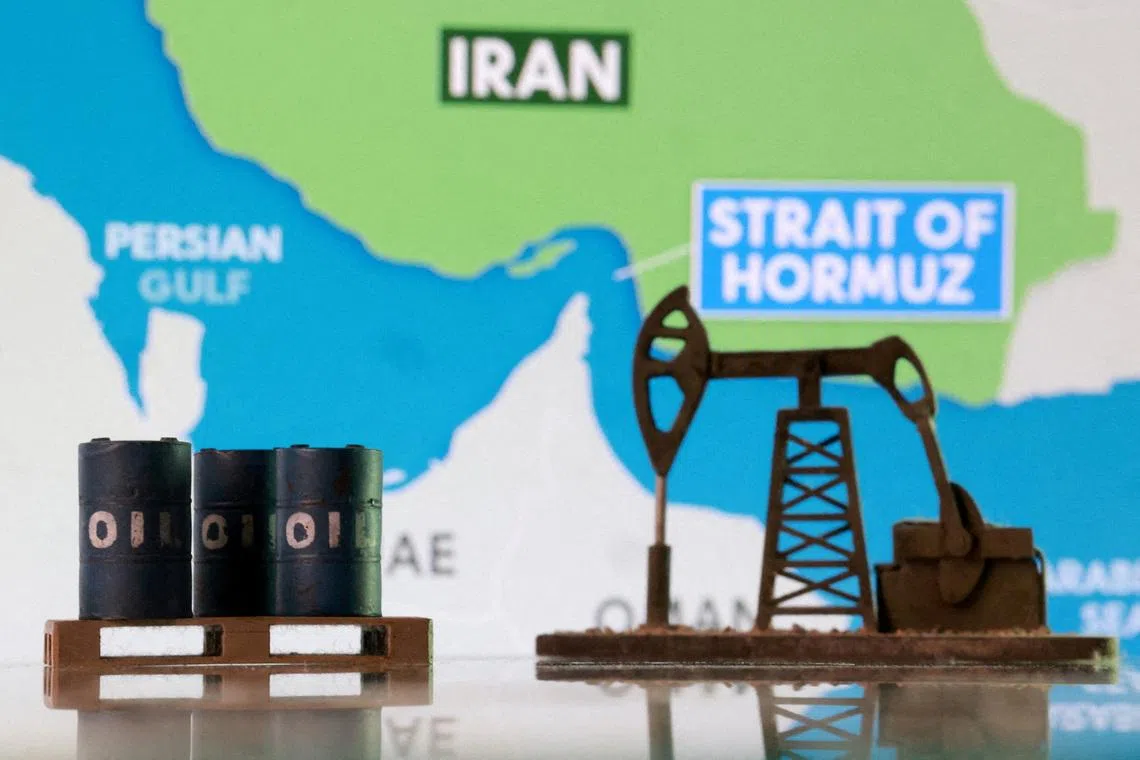
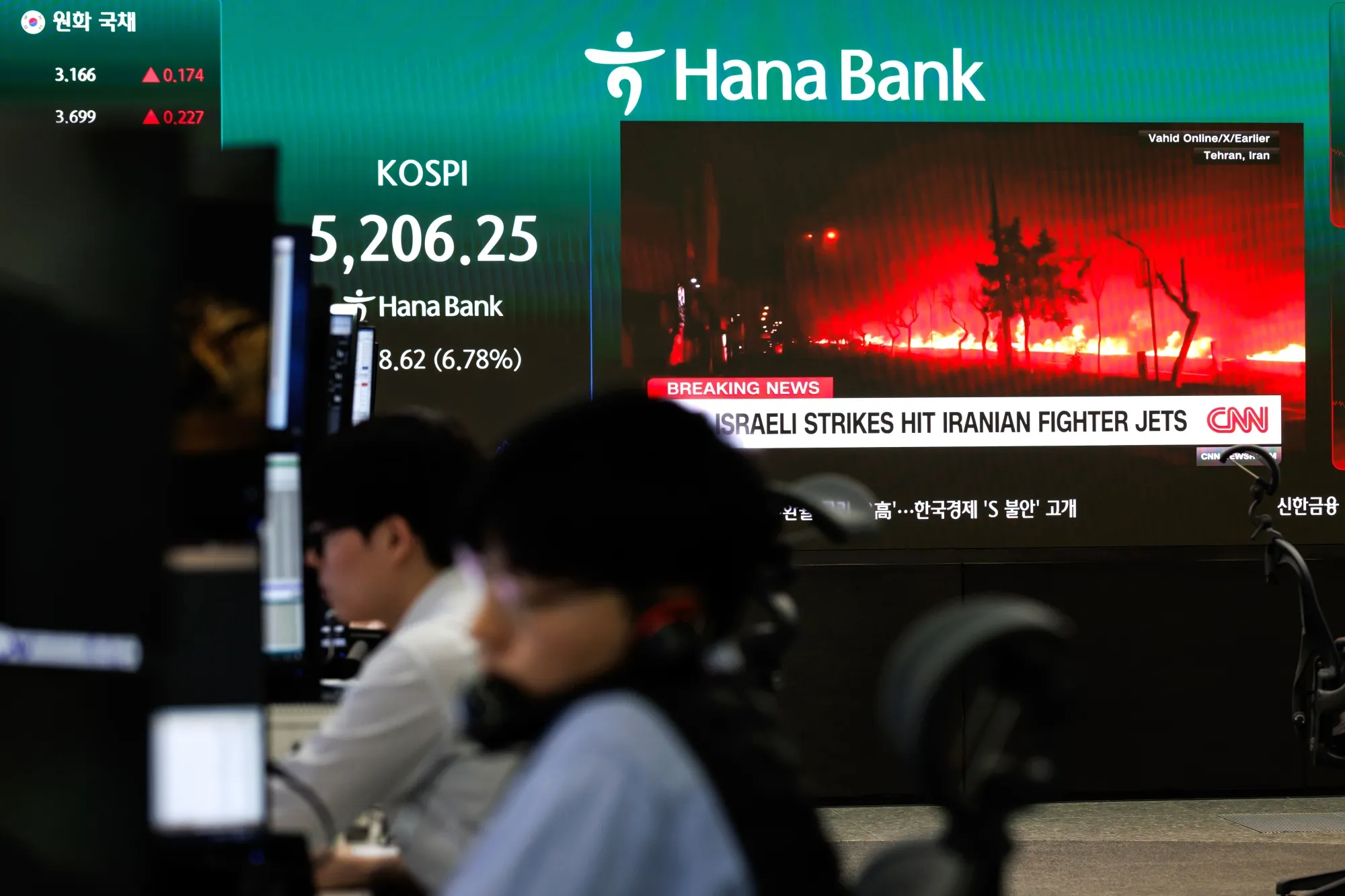
The March 9, 2026 Iran geopolitical crisis has triggered a critical logistics cost shock for cross-border e-commerce sellers, with crude oil prices surging 29% to $119.50/barrel (Brent) following US-Israeli military strikes on Iranian energy infrastructure. The Strait of Hormuz—through which 20% of global seaborne oil transits—has been effectively closed for one week, creating immediate supply chain disruptions. The G7 is coordinating an emergency strategic petroleum reserve release of 300-400 million barrels (25-35% of the IEA's 1.2 billion barrel system), but Bloomberg analysis suggests this single intervention may prove insufficient to stabilize volatile markets, with Iranian officials warning prices could reach $200/barrel if strikes continue.
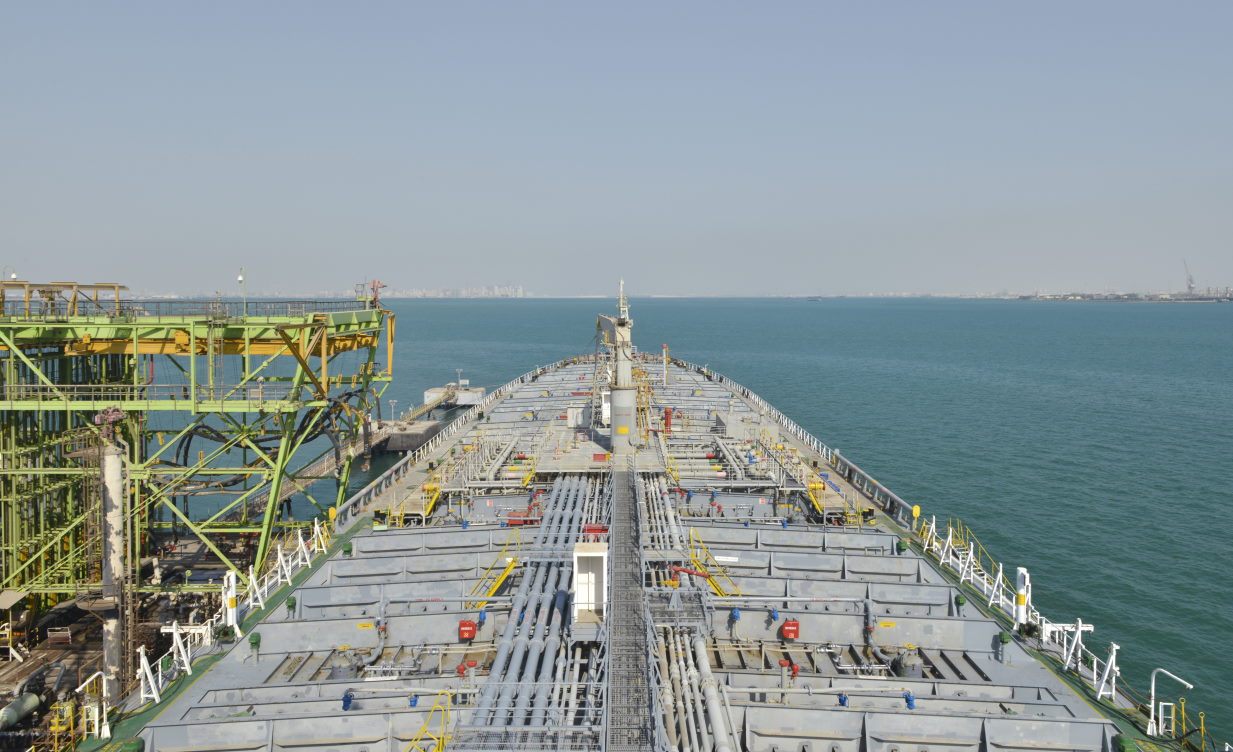
For cross-border sellers, this translates to immediate operational cost pressures across all logistics channels. Air freight costs are experiencing acute surcharges—sellers relying on expedited shipping for time-sensitive categories (electronics, fashion, perishables) face 15-25% cost increases on per-unit shipping expenses. Ocean freight, traditionally cheaper, faces 8-12% increases due to fuel surcharges and longer transit times from Strait of Hormuz closures. UK gas prices jumped 19% to 163 pence/therm while continental European benchmarks rose 16% to 62 euros/MWh, directly impacting warehouse operations and last-mile delivery costs for EU-based sellers. The EU's 90-day oil stock requirement signals prolonged supply uncertainty, suggesting these elevated costs will persist through Q2 2026.
Strategic seller response requires immediate portfolio restructuring. High-margin, lightweight categories (electronics accessories, apparel, digital goods) should shift toward air freight despite cost increases, as margin compression remains manageable. Bulky, low-margin categories (home goods, furniture, sporting equipment) must transition to ocean freight or accept margin compression of 3-8%. Sellers should implement dynamic pricing strategies immediately—increasing product prices 5-12% depending on category elasticity and competitor positioning. The timing window is critical: sellers who adjust pricing and logistics strategies within 7-14 days will capture margin recovery before competitors respond. Inventory repositioning toward regional fulfillment centers (US-based sellers shifting inventory to Mexico/Canada; EU sellers to Eastern Europe) can reduce Strait of Hormuz exposure by 20-30%. Monitor G7 policy outcomes daily, as successful reserve releases could provide 2-4 week relief windows for cost-sensitive shipments.
Questions 8
What compliance or documentation changes do I need for alternative shipping routes?
Alternative routing (around Africa, through Suez Canal) requires updated customs documentation and may trigger different tariff classifications depending on origin/destination countries. Sellers should verify that alternative routes don't trigger additional duties or VAT complications—EU sellers routing through non-standard ports may face additional compliance requirements. Consult with customs brokers immediately to understand documentation requirements for alternative routes. No new tariff codes apply, but transit time increases (3-5 weeks for Africa routing vs. 2-3 weeks for Strait routing) require inventory planning adjustments. Most 3PL providers can handle alternative routing documentation, but confirm this capability before committing inventory to new routes. Expected compliance cost: $50-200 per shipment for additional broker services.
How should I communicate shipping cost increases to customers?
Implement transparent, proactive communication: update product listings with revised shipping costs immediately, add messaging about temporary fuel surcharges (5-8% increase), and offer ocean freight options with extended delivery windows as cost-saving alternatives. Customers increasingly accept higher shipping costs during geopolitical crises—transparency builds trust. For Amazon FBA sellers, fuel surcharges are automatically applied; monitor Seller Central for updates on surcharge percentages. For independent sellers, clearly separate product price from shipping cost to show customers the source of increases. Consider offering free shipping thresholds ($75+) to encourage larger orders that improve logistics efficiency. Expected customer retention impact: 2-5% order volume reduction if price increases exceed 12% without clear communication.