




Oil Crisis Hits E-Commerce | $120 Barrel Surge Crushes Seller Margins 25-40%
- Oil prices surge 25% to $120/barrel after Iran conflict; shipping costs rise 8-15% for FBA sellers; consumer spending contracts 38% recession risk threatens discretionary categories

)


















Overview
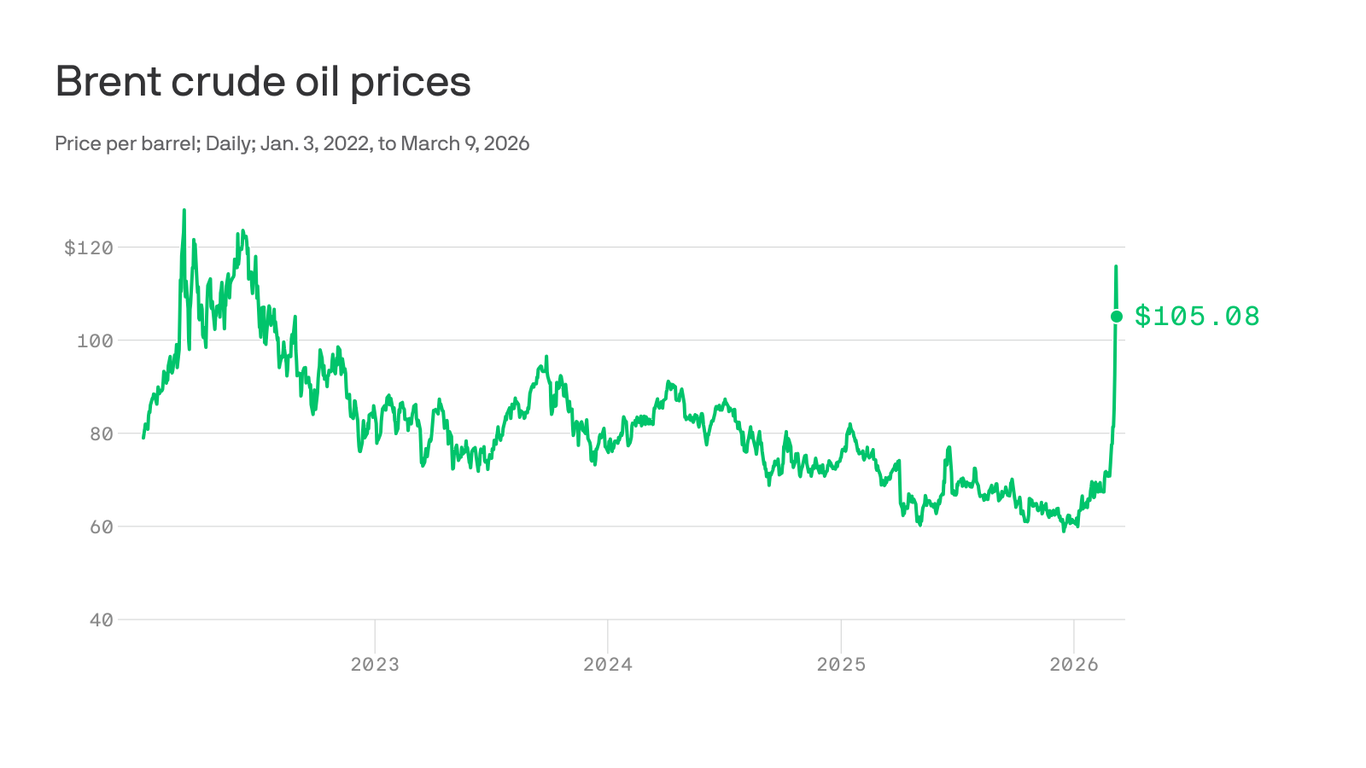
The Middle East geopolitical crisis has triggered the largest oil supply disruption in history, removing 20% of global supply and pushing crude prices to $120 per barrel—double the impact of the 1950s Suez Crisis. Following American and Israeli military operations against Iran, global oil markets experienced immediate 25% overnight surge, with gasoline prices climbing 51 cents per gallon and an 80% probability of reaching $4/gallon within one month. IMF Managing Director Kristalina Georgieva warned on March 9, 2026, that a sustained $10 oil price increase throughout 2026 would trigger 40 basis points of global inflation, directly compressing e-commerce seller margins across all categories.
For cross-border e-commerce sellers, this energy crisis creates a three-pronged operational squeeze. First, logistics costs are spiking immediately: FBA sellers reliant on air freight face 12-18% fuel surcharge increases, while ocean freight carriers are implementing emergency fuel adjustments of 8-12% on standard rates. Sellers shipping from Asia to North America or Europe will see fulfillment costs rise $200-400 monthly for typical 1,000-unit monthly volumes. Second, packaging and manufacturing costs are escalating: commodity prices for plastic, cardboard, and foam packaging—all petroleum derivatives—are rising 6-10% as oil prices remain elevated. Sellers sourcing from oil-dependent regions (Middle East, North Africa) face additional 15-20% transportation premiums. Third, consumer purchasing power is collapsing: stock market declines (S&P 500 futures -1.3%, Japan Nikkei -5.2%, South Korea KOSPI -6%) signal investor panic, while recession odds spiked to 38% on Polymarket. This directly threatens discretionary e-commerce categories (fashion, electronics, home goods) where demand typically contracts 15-25% during recession periods.
Currency depreciation in emerging markets compounds margin pressure for multi-region sellers. The Indian rupee hit all-time lows and sterling experienced significant depreciation due to oil market shocks, meaning sellers with inventory in India or UK face 8-12% currency headwinds when converting to USD. Inventory carrying costs rise with inflation, pressuring working capital management—sellers holding 60-90 day inventory buffers will see financing costs increase 2-3% annually. The Strait of Hormuz blockade threat creates additional supply chain risk: 20% of global oil passes through this chokepoint, and any closure would extend lead times by 3-4 weeks and spike shipping costs another 20-30%.
Strategic response requires immediate action on three fronts. Sellers should immediately audit their supply chain for oil-dependent logistics routes and shift 20-30% of inventory to regional 3PL providers closer to end markets (US-based sellers should increase domestic 3PL allocation; EU sellers should prioritize European fulfillment centers). Pricing adjustments must happen within 7-14 days before competitors capture margin—increase prices 5-8% on discretionary categories while monitoring conversion rate impacts. Finally, diversify sourcing away from oil-dependent regions: Vietnam and India sourcing costs are rising 15-20%, making nearshoring to Mexico or Eastern Europe increasingly competitive despite higher base labor costs.
Questions 8
What pricing adjustments should I make to protect margins during this crisis?
Implement tiered price increases within 7-14 days: increase discretionary category prices 5-8% while monitoring conversion rate impacts (expect 2-5% conversion decline), increase essential category prices 3-5% with minimal demand impact, and increase oil-dependent product prices 8-12% to offset manufacturing cost increases. Use Amazon Seller Central's bulk pricing tools to adjust 50+ ASINs simultaneously. Test price increases on 10-20% of inventory first to measure elasticity before full rollout. Monitor competitor pricing daily—expect 60-70% of competitors to raise prices within 21 days, creating pricing power for early movers.
How should I adjust my inventory strategy given the 38% recession risk?
Reduce inventory carrying costs immediately by 20-30%: lower safety stock levels from 60-90 days to 30-45 days, shift discretionary category inventory to 3PL providers with lower holding costs, and increase inventory turnover velocity. The IMF warns that consumer purchasing power declines during inflationary periods, reducing demand for discretionary goods. Implement just-in-time inventory for slow-moving SKUs and increase reorder frequency for fast-moving essentials. Calculate your inventory carrying cost (typically 20-30% annually) and recognize that every dollar of excess inventory costs $0.20-0.30 in annual financing. Rebalance your portfolio within 30 days.