





Strait of Hormuz Closure Triggers 30-50% Energy Cost Surge | Critical Logistics Impact for Cross-Border Sellers
- Oil prices surge to $110-120/barrel, natural gas up 30%, fuel surcharges expected within 7-14 days affecting all shipment categories and margin compression for SMB sellers















Overview
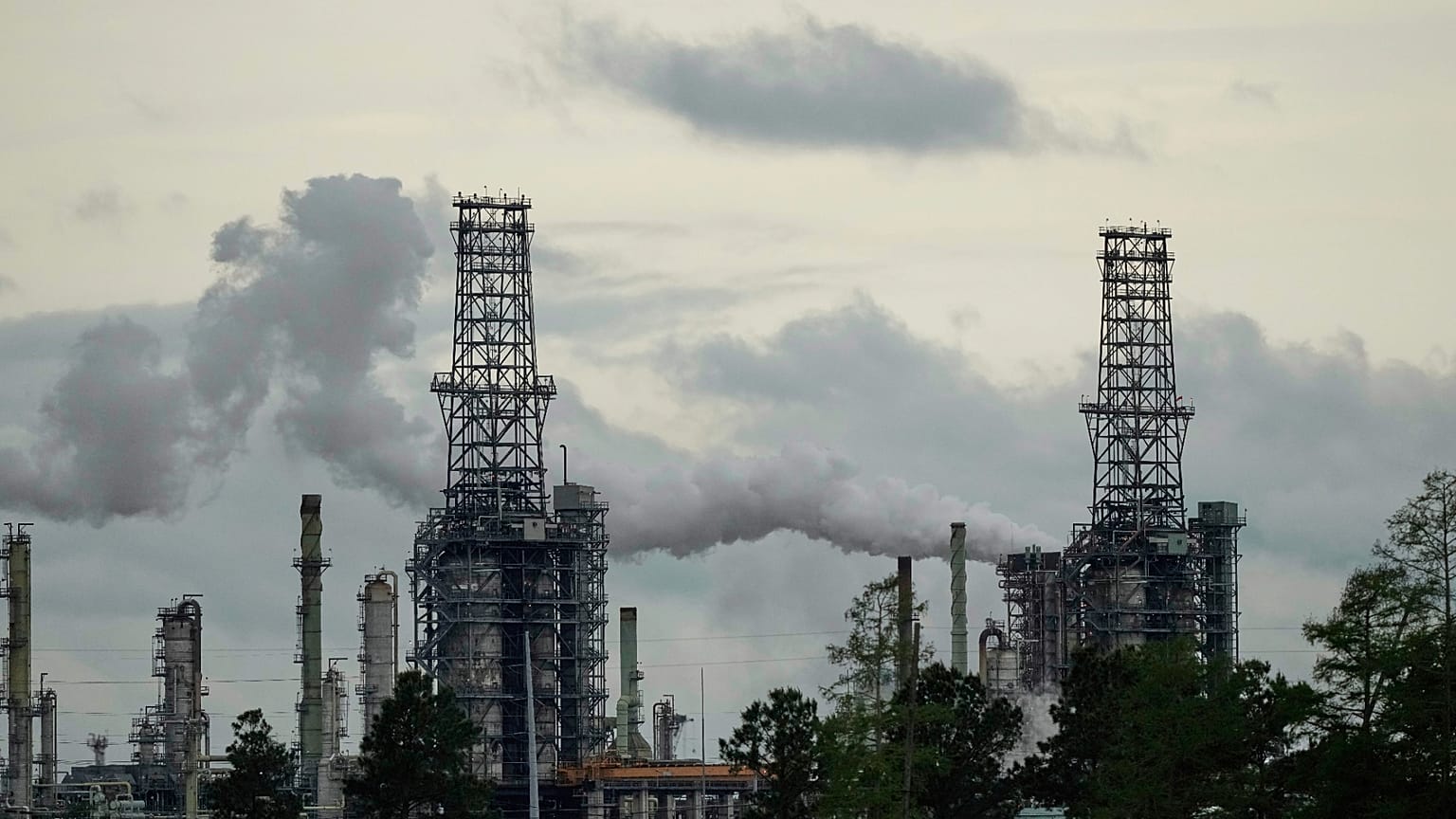
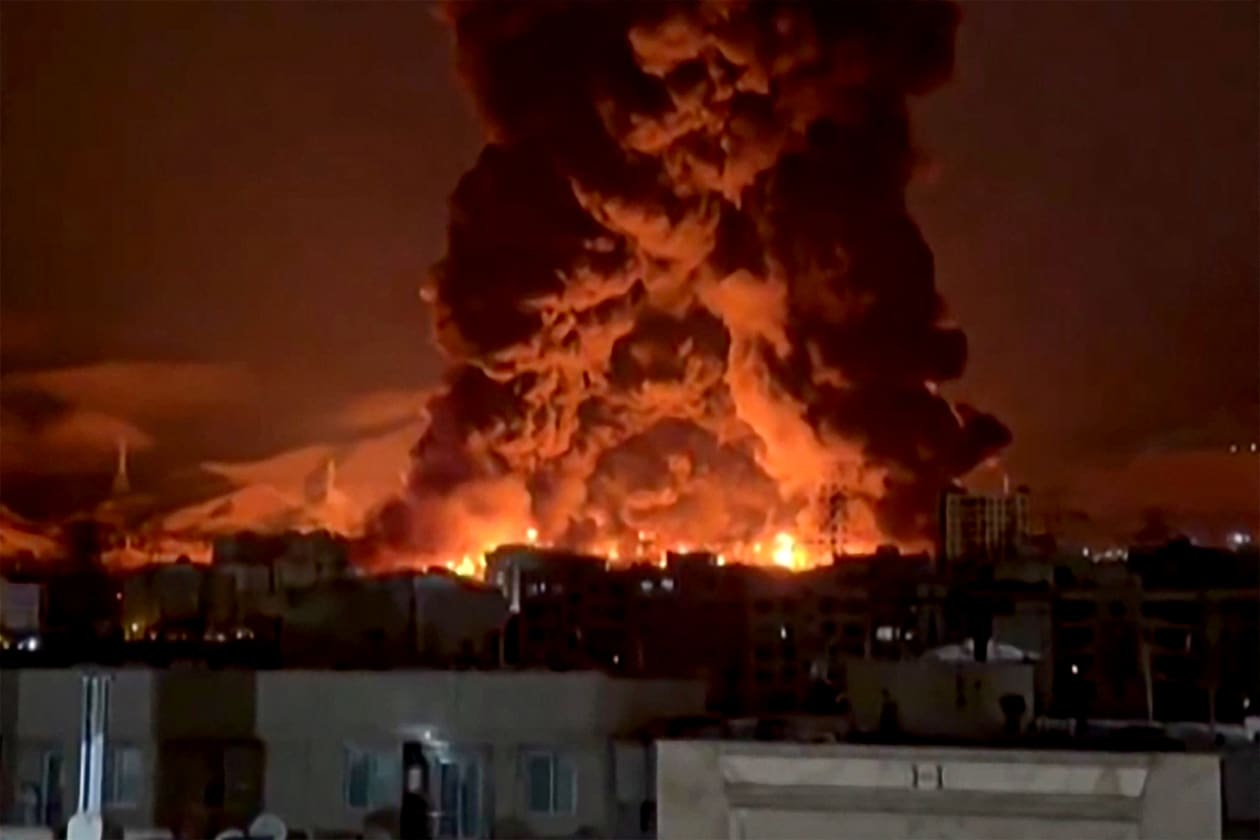
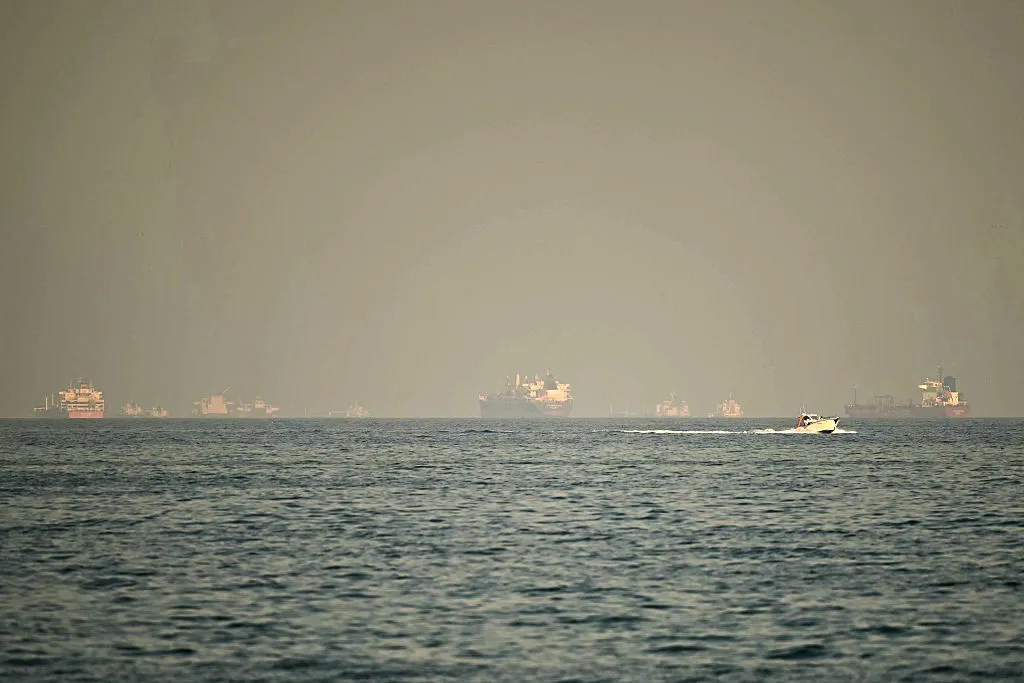
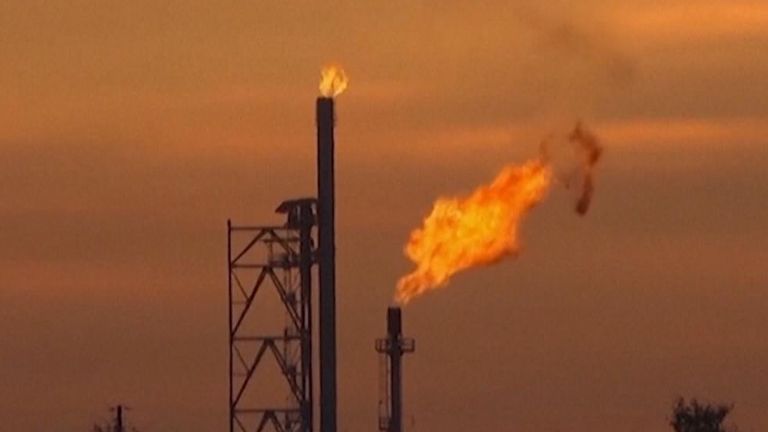
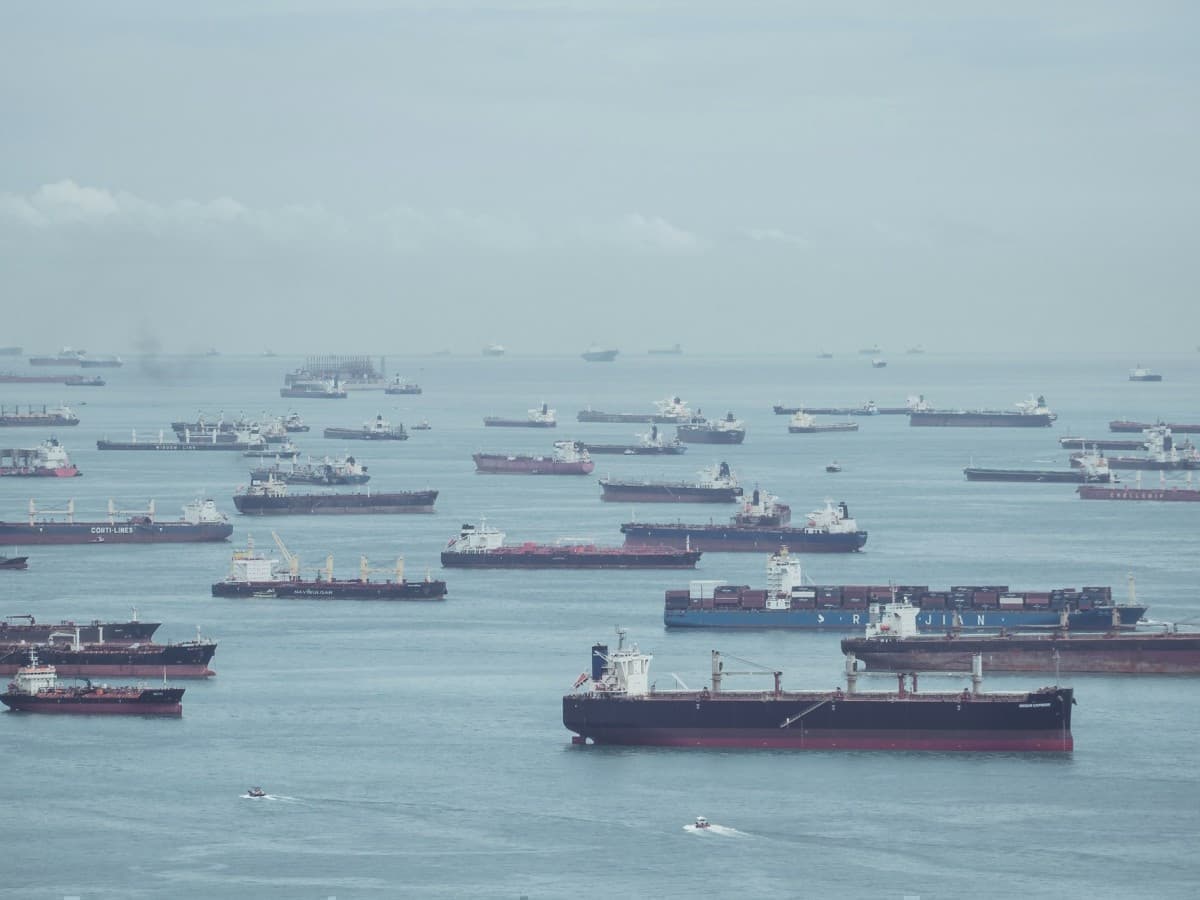
The escalating Middle East conflict beginning February 28, 2026, has created an unprecedented energy crisis with direct operational consequences for cross-border e-commerce sellers. On March 9, 2026, European natural gas prices surged 30% while oil prices climbed above $110 per barrel (Brent crude reaching $115-120), marking the highest levels since the pandemic and the most severe energy disruption since Russia's 2022 invasion of Ukraine. The Strait of Hormuz—through which 20-30% of global seaborne oil and substantial natural gas volumes transit—has been effectively closed for over a week due to Iranian threats against tankers, creating a supply-demand imbalance that eliminates spare production capacity across the region.
Immediate Logistics Cost Impact: Logistics providers are implementing fuel surcharges within 7-14 days, directly increasing fulfillment expenses for all shipment categories. Air freight and temperature-controlled shipping face the steepest increases, with industry projections indicating 5-15% cost elevation depending on carrier and route. European sellers face immediate cost pressures on fulfillment operations, while sellers shipping from Asia to Europe encounter higher transportation fees. Small and medium sellers with limited pricing power face the greatest risk, as they cannot easily pass increased costs to price-sensitive customers without losing competitive positioning on Amazon, eBay, and Shopify platforms.
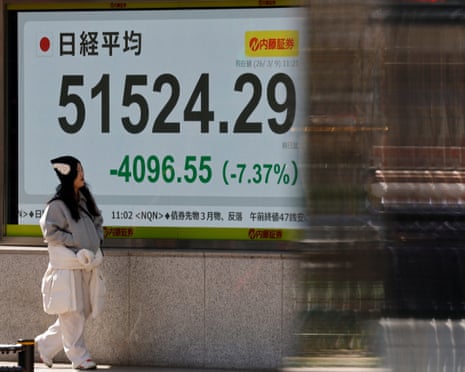
Regional Market Volatility: Asian economies heavily dependent on Middle Eastern oil imports experienced significant market instability, with stock indices declining 6% in South Korea and 4-5% in Japan. This signals reduced consumer purchasing power in key e-commerce markets, potentially dampening demand for discretionary products. Market analysts attribute the volatility to genuine supply constraints rather than speculative trading, suggesting price pressures may persist until regional stability improves. Oil traders initially expected rapid resolution with 2027-2028 futures trading in the high $60s range, but the conflict's unexpected duration has shifted sentiment toward recognition that disruptions may persist beyond March 2026.
Strategic Sourcing Implications: The crisis creates competitive advantages for sellers with diversified logistics networks and pre-negotiated fixed-rate shipping contracts. Sellers relying on single-carrier relationships or spot-market freight pricing face margin compression of 8-12% on monthly volumes exceeding 1,000 units. Energy-intensive warehousing and last-mile delivery services will experience elevated operational expenses, making 3PL provider selection critical. Sellers should immediately audit logistics contracts for fuel surcharge clauses and consider inventory repositioning to reduce air freight dependency.
Questions 8
How does the Strait of Hormuz closure affect inventory replenishment timelines?
The Strait of Hormuz closure creates a near-complete standstill in oil pickups and deliveries throughout the region, extending shipping timelines by 3-7 days for routes transiting the Persian Gulf. Sellers relying on just-in-time inventory from Middle Eastern suppliers or routes through the strait face supply chain disruptions. Alternative routing through the Suez Canal or around Africa adds 5-10 days to transit times and increases fuel costs due to longer distances. Sellers should immediately audit their supplier locations and shipping routes to identify vulnerabilities. Consider pre-positioning inventory in regional fulfillment centers (Europe, Asia-Pacific) to reduce dependence on real-time replenishment during the crisis period.
What is the timeline for energy price normalization and market stabilization?
Oil traders initially expected rapid resolution with 2027-2028 futures trading in the high $60s range, but the conflict's unexpected duration has shifted sentiment toward prolonged disruption. Market analysts expect sustained elevated prices if the conflict continues, with potential for further increases if additional producers reduce output. Societe Generale analysts warned that the UAE could shut in production within 5-7 days, with Saudi Arabia facing plausible shut-ins if closure extends 2-3 weeks. G7 finance ministers scheduled emergency meetings to discuss coordinated petroleum reserve releases through the IEA, suggesting government intervention may provide temporary relief. Sellers should plan for elevated logistics costs through at least Q2 2026, with potential normalization in Q3-Q4 if diplomatic resolution occurs.