



Oil Prices Surge Past $100 | Critical Supply Chain Impact for Cross-Border Sellers
- Logistics costs increase 8-15% as Strait of Hormuz disruptions affect 20% of global oil supply; sellers shipping electronics, heavy goods, and perishables face immediate margin compression


















Overview
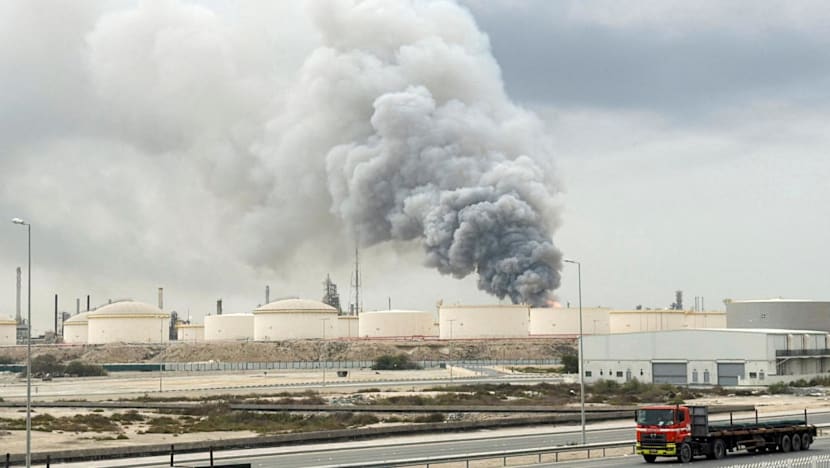
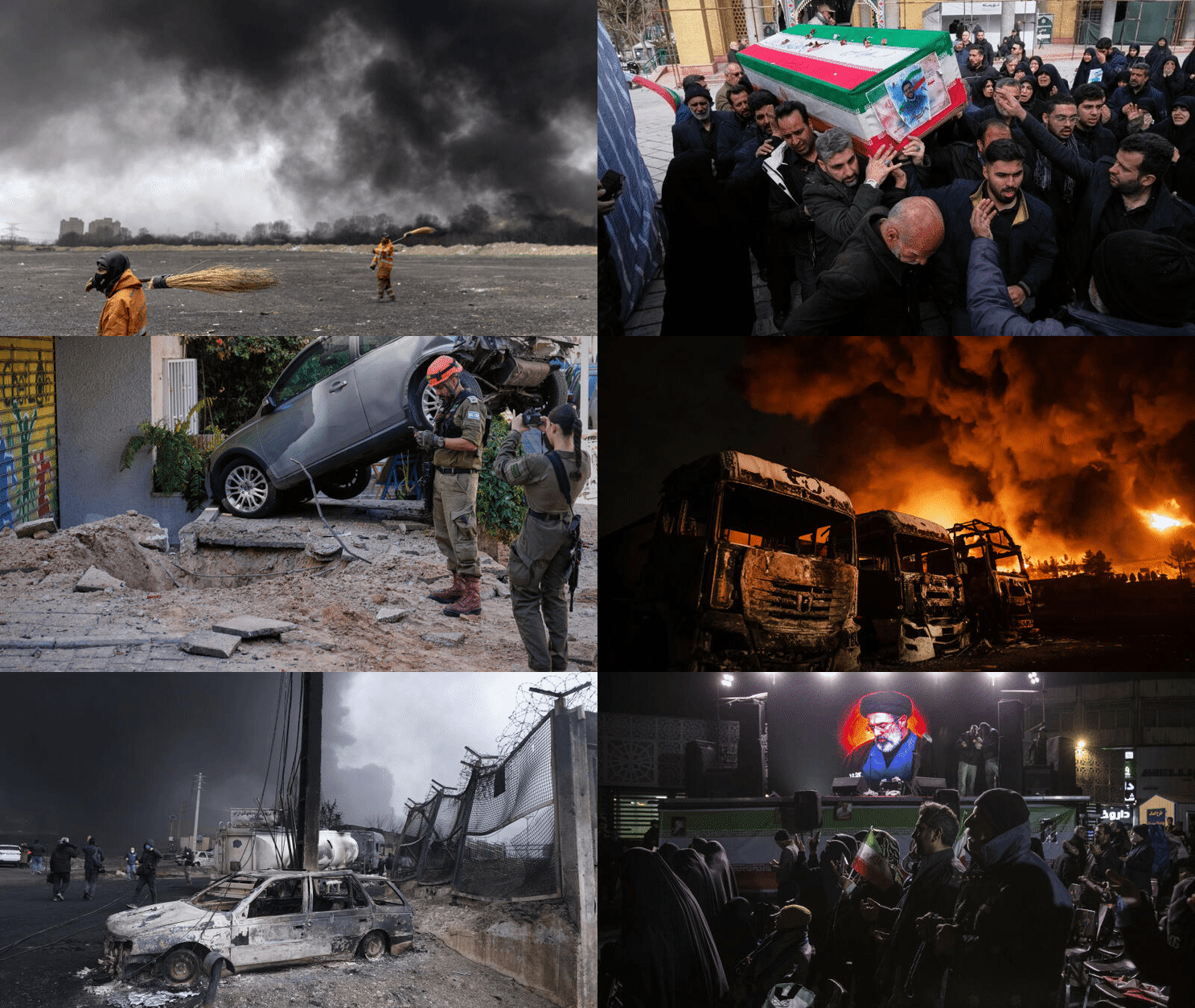
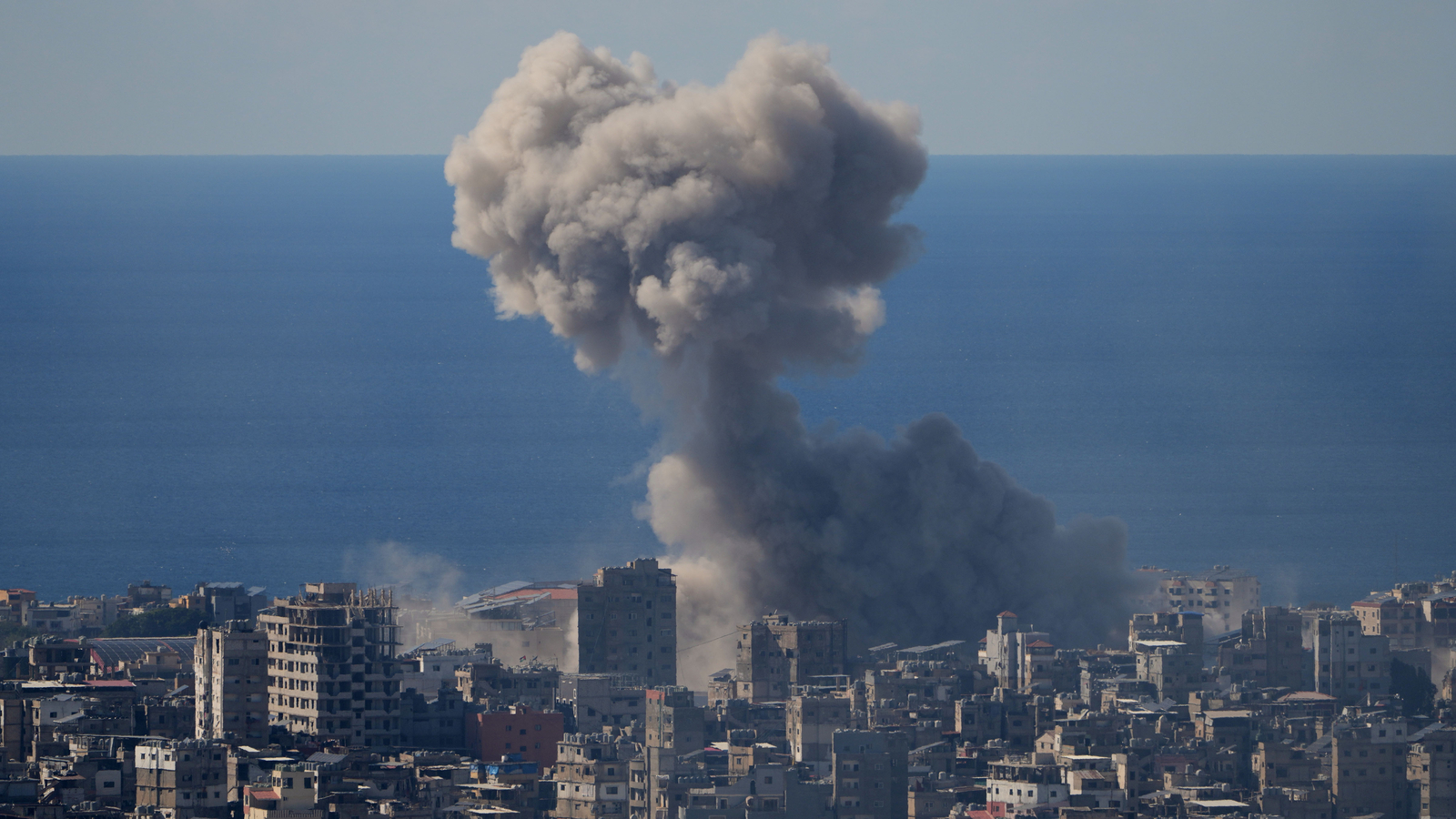
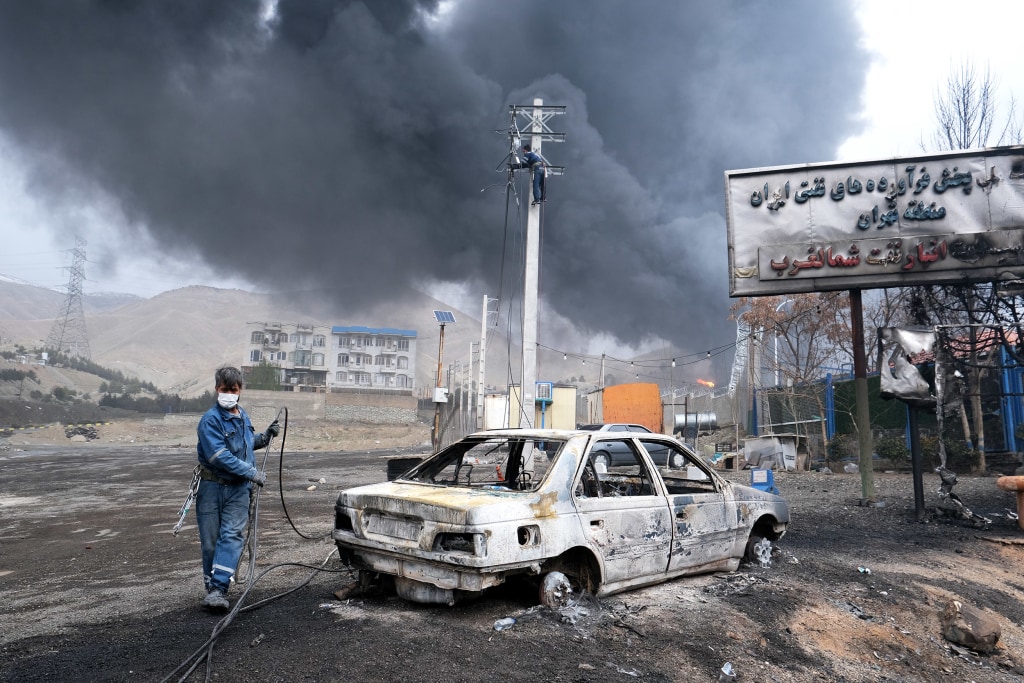
The Middle East geopolitical crisis unfolding in March 2026 represents a critical supply chain inflection point for cross-border e-commerce sellers. Oil prices have surged past $100 per barrel for the first time since Russia's 2022 invasion of Ukraine, driven by Iranian attacks on the Strait of Hormuz—a waterway through which approximately 20% of the world's global oil supply transits. The appointment of Mojtaba Khamenei as Iran's new supreme leader following his father's death in US-Israeli airstrikes has escalated military tensions, with Iranian missile and drone attacks targeting energy infrastructure across the Middle East, including strikes on Bahrain's only oil refinery and attacks on Kuwait, Qatar, and Saudi Arabia. This geopolitical instability directly impacts e-commerce operations through three primary mechanisms: elevated fuel costs for logistics, extended shipping timelines due to Strait of Hormuz congestion, and potential supply chain disruptions for sellers sourcing from or shipping through Middle Eastern trade routes.
For e-commerce sellers, the immediate operational impact manifests in transportation cost inflation. Diesel fuel prices are rising faster than regular gasoline, directly affecting last-mile delivery costs for FBA sellers and 3PL providers. Sellers shipping heavy goods (furniture, appliances, industrial products) face 8-15% cost increases per shipment, while perishable goods sellers (food, supplements, cosmetics) experience accelerated spoilage risks due to extended transit times. Additionally, US airport security delays have reached critical levels, with TSA wait times exceeding three hours at major hubs like Houston's William P. Hobby Airport, stemming from a partial Department of Homeland Security shutdown. This creates bottlenecks for time-sensitive shipments and business travel for sellers managing multi-channel operations. Global stock markets fell sharply following oil price surges, signaling broader economic uncertainty that typically reduces consumer discretionary spending—particularly impacting sellers in electronics, fashion, and home goods categories.
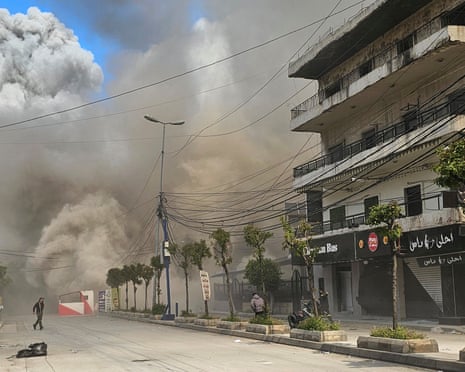
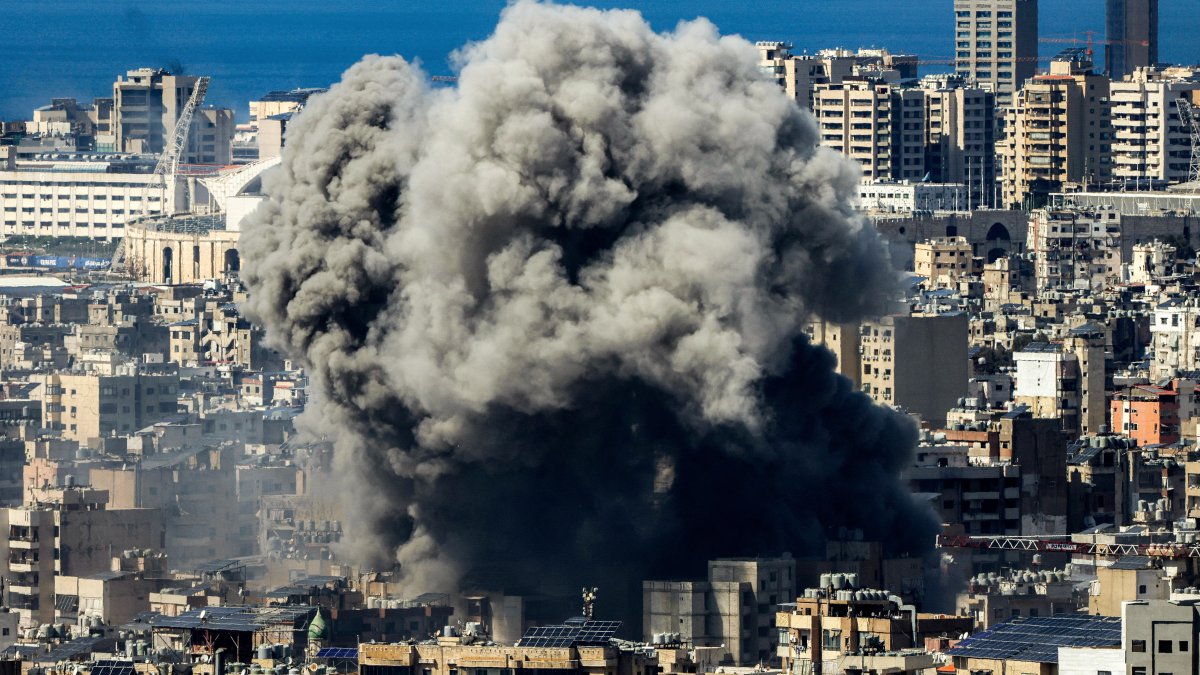
Strategic implications extend beyond immediate cost pressures to long-term supply chain reconfiguration. The conflict has displaced nearly 700,000 people in Lebanon (including 200,000 children per UNICEF), disrupting regional consumer markets and creating humanitarian logistics challenges. Sellers relying on Asian manufacturing with Middle Eastern distribution hubs face potential route diversification costs. The French government's announcement of a defensive naval mission to protect Strait of Hormuz shipping lanes suggests prolonged geopolitical tension rather than rapid resolution. For sellers with inventory in transit through affected regions, immediate action is required to monitor shipment status, negotiate force majeure clauses with logistics providers, and evaluate alternative routing through the Suez Canal or longer circumnavigation routes—each adding 5-14 days to transit times and 3-8% to shipping costs.
Questions 8
How should I adjust my inventory strategy given Middle East supply chain risks?
Reduce inventory levels for products sourced from or routed through Middle Eastern trade hubs by 20-30% until geopolitical tensions stabilize. Increase safety stock for products sourced from Southeast Asia or India with alternative routing through the Suez Canal or Pacific routes. In Seller Central Inventory Planning, shift from quarterly to monthly replenishment cycles for high-velocity SKUs to reduce exposure to extended transit times. Diversify supplier locations—if 50%+ of your inventory sources from a single region, target 30-40% from alternative suppliers within 90 days. Monitor geopolitical risk indices (Geopolitical Risk Index, VIX) weekly and adjust inventory targets accordingly.
What immediate actions should I take in the next 30 days to protect my business?
Within 7 days: (1) Audit all in-transit shipments in your Seller Central dashboard and contact carriers for status updates; (2) Review FBA fee structure and recalculate product profitability with 10-15% logistics cost increases; (3) Contact 3PL providers for force majeure clause amendments. Within 14 days: (4) Evaluate alternative fulfillment centers in lower-cost regions; (5) Reduce PPC spending on discretionary categories by 15-20%; (6) Increase safety stock for essential categories. Within 30 days: (7) Diversify supplier locations away from Middle East-dependent routes; (8) Negotiate fixed-rate shipping contracts with carriers for Q2-Q3 2026; (9) Prepare customer communication templates for potential delivery delays. Document all actions for compliance and risk mitigation purposes.