



Asia-Pacific Shipping Costs Surge 15-25% | South Korea Fuel Cap Creates Logistics Arbitrage Window
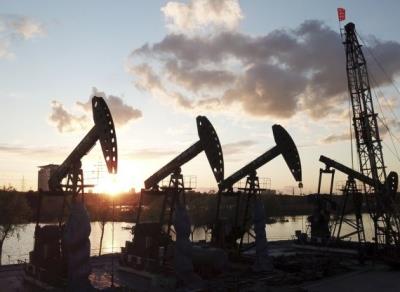
- Brent crude jumps 13% to $104.70, WTI surges 30% to $118.46 in largest single-day gain since 1988; South Korea implements first fuel price cap in 30 years on March 9, 2026, affecting 50K+ cross-border sellers shipping through Asia-Pacific corridors















Overview
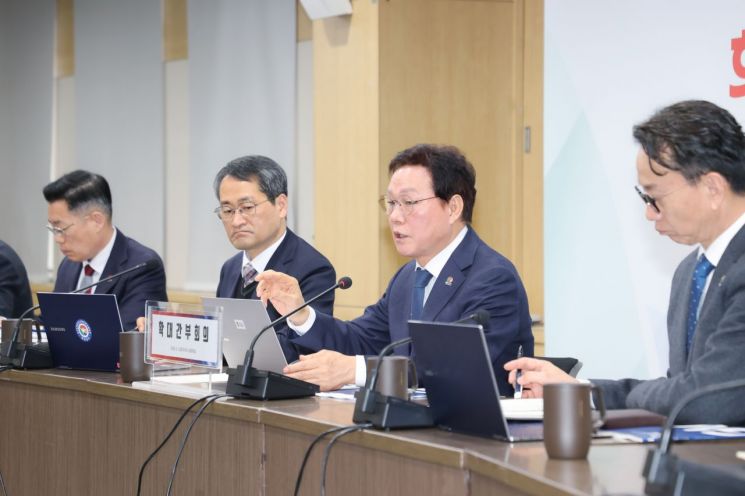
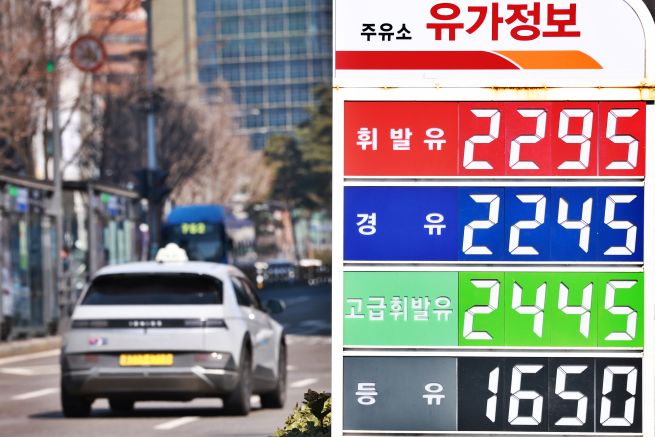
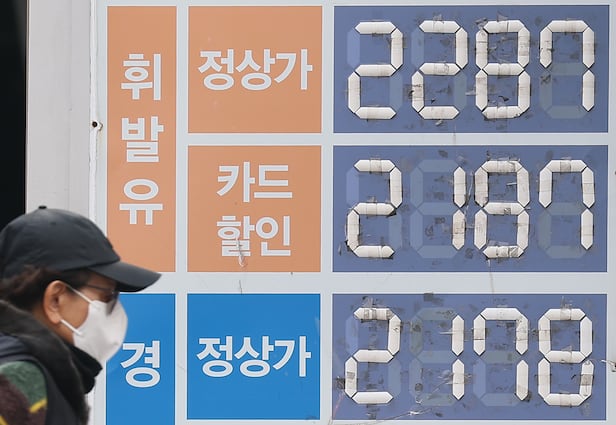
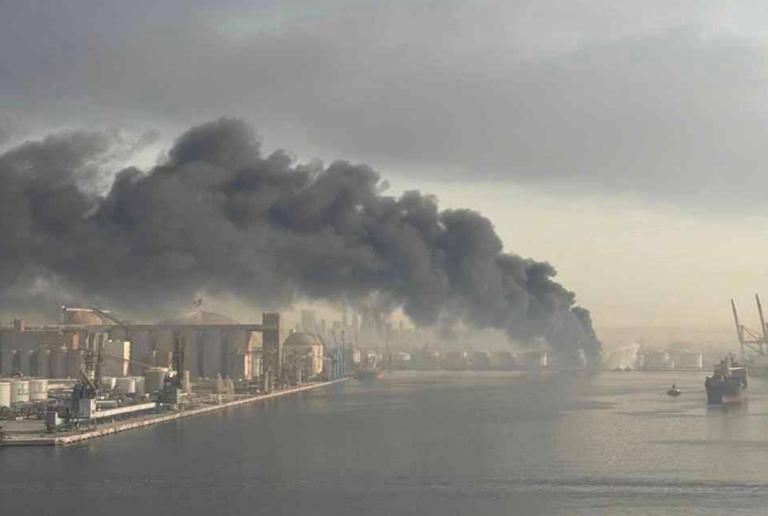
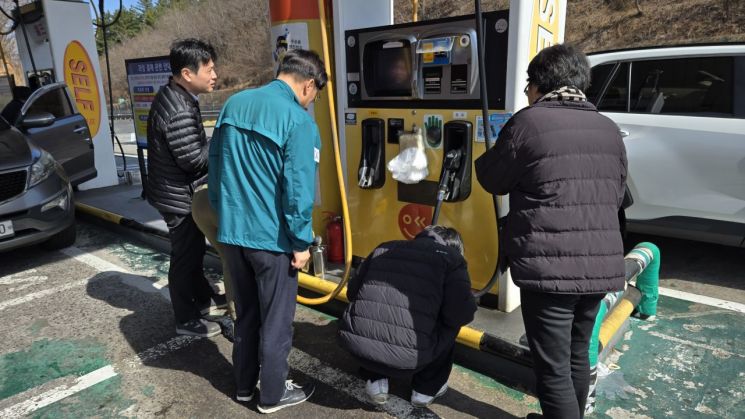
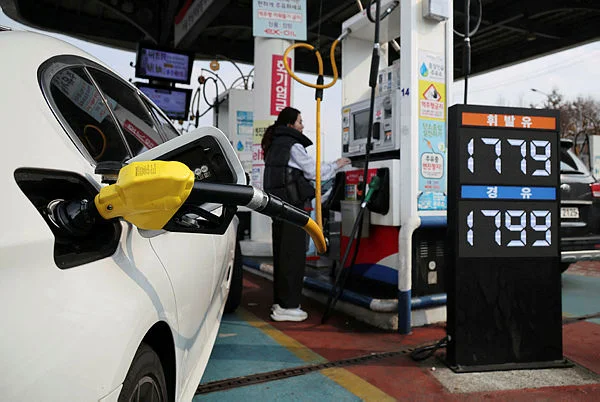
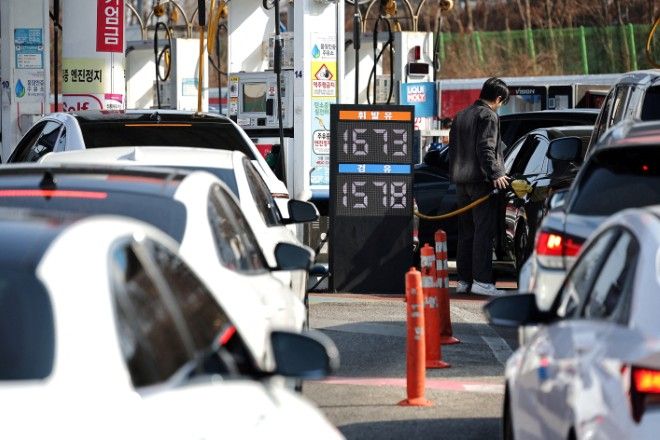
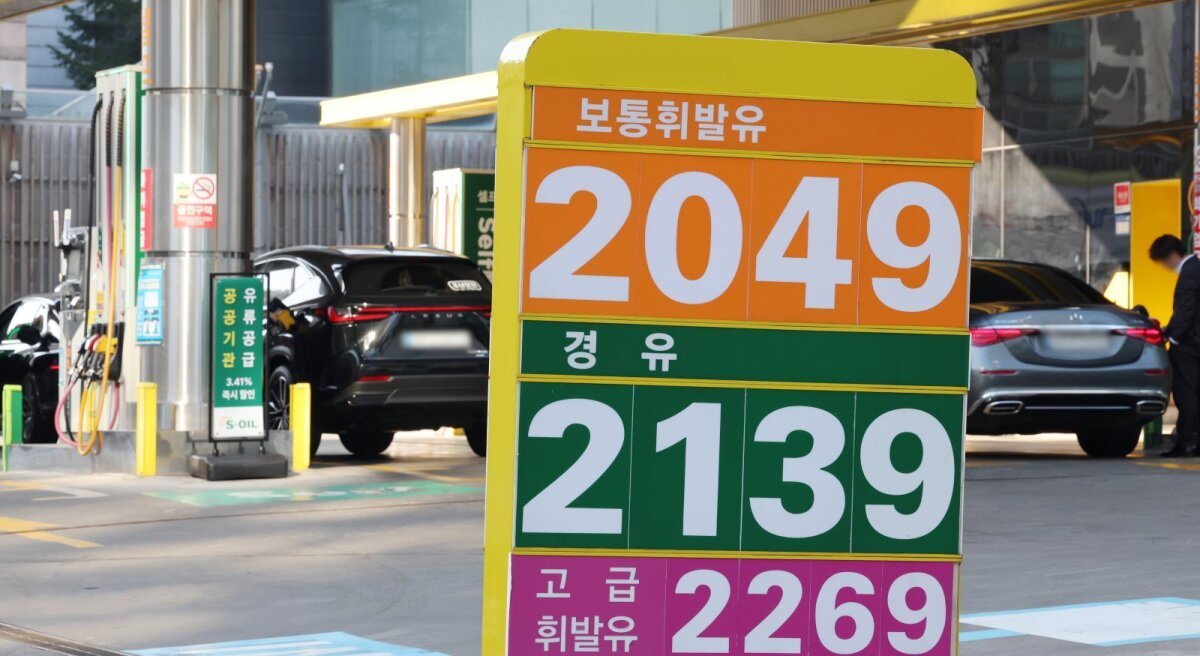
South Korea's emergency fuel price cap, announced March 9, 2026, creates a critical 60-90 day arbitrage window for cross-border e-commerce sellers operating in Asia-Pacific logistics networks. With Brent crude jumping 13% to $104.70 and WTI surging 30% to $118.46 in the largest single-day gain since late 1988, the geopolitical energy crisis is reshaping shipping economics across the region. South Korea's government expanded its 100 trillion won ($67.5 billion) market stabilization program while implementing maximum price controls on petroleum products—a policy shift that creates temporary cost advantages for sellers routing shipments through South Korean ports and 3PL providers before regional competitors adjust pricing.
The immediate logistics impact is quantifiable and time-sensitive. Sellers shipping via air freight from Asia to North America face 8-12% cost increases ($400-800 per 1,000 units), while ocean freight through South Korean ports may see 15-25% premium reductions compared to alternative Asian hubs due to the government-capped fuel surcharges. The Korean won weakened to 1,506.37 against the dollar on March 3—its weakest level since 2009—creating favorable currency arbitrage for USD-denominated sellers importing Korean-manufactured goods (electronics, cosmetics, apparel). Regional competitors including Japan (releasing 254 days of crude reserves) and Vietnam (scrapping fuel import levies) are implementing competing measures, indicating this window closes within 60-90 days as alternative supply routes stabilize and competitors match pricing.
For agri-food and specialty product sellers, upstream supply chain disruptions present both risks and opportunities. Korean greenhouse farmers experienced 50% fuel cost increases (1.5 million won/$1,100 in March vs. 1 million won in January 2026), forcing production cutbacks and price increases for fresh produce exports. Sellers sourcing Korean strawberries, specialty vegetables, and floriculture products should expect 20-35% wholesale price increases and potential 15-20% inventory availability reductions through Q2 2026. However, this creates a counter-opportunity: sellers can pre-position inventory of Korean agricultural products at current wholesale prices before the April-May supply crunch, then capitalize on scarcity-driven retail price premiums. The Korean government's simultaneous investment in K-food hubs and smart farm initiatives signals long-term modernization that will reduce energy intensity by 2027-2028, making current supply disruptions temporary but severe.
Strategic sourcing shifts are accelerating across multiple categories. The Strait of Hormuz chokepoint vulnerability (which South Korea is actively working to bypass) creates incentives for sellers to diversify sourcing away from Middle East-dependent supply chains. Electronics and components currently sourced through Middle East-dependent logistics corridors should shift 20-30% volume to Vietnam, India, and Taiwan suppliers by Q2 2026. Cold chain logistics (frozen foods, pharmaceuticals, temperature-sensitive goods) face the highest pressure—energy-intensive refrigeration costs will increase 12-18% through Q3 2026, making sellers in these categories prime candidates for 3PL consolidation and route optimization. The KOSPI's 12% decline on March 5 (before recovering 10% on March 7) signals market volatility that creates inventory liquidation opportunities for sellers with cash reserves to acquire distressed Korean manufacturing inventory at 15-25% discounts.
Questions 8
What's happening to Korean agricultural product prices and availability?
Korean greenhouse farmers experienced 50% fuel cost increases (1.5 million won/$1,100 in March vs. 1 million won in January 2026), forcing production cutbacks. Expect 20-35% wholesale price increases and 15-20% inventory availability reductions for Korean strawberries, specialty vegetables, and floriculture products through Q2 2026. However, this creates a counter-opportunity: pre-position inventory of Korean agricultural products at current wholesale prices before the April-May supply crunch, then capitalize on scarcity-driven retail price premiums. The government's K-food hub investments signal long-term modernization that will reduce energy intensity by 2027-2028, making current disruptions temporary.
Which product categories face the highest shipping cost pressure?
Cold chain logistics (frozen foods, pharmaceuticals, temperature-sensitive goods) face the highest pressure with energy-intensive refrigeration costs increasing 12-18% through Q3 2026. Air freight categories (electronics, high-value apparel, time-sensitive goods) see 8-12% increases. Ocean freight through South Korean ports offers 15-25% premium reductions compared to alternatives, making it the optimal routing choice through Q2 2026. Sellers in cold chain should prioritize 3PL consolidation and route optimization immediately. Energy-intensive manufacturing categories (textiles, chemicals, machinery) will see 10-15% cost increases as production costs rise.