




)
Oil Price Surge Past $110 Threatens E-Commerce Margins | Interest Rate Hikes Compress Seller Profitability Across All Markets
- Logistics costs surge 8-15% as crude oil rises 50% since March; inventory financing costs spike with global interest rate hikes; stagflation risks reduce consumer discretionary spending across North America, Europe, and Asia-Pacific markets

























Overview
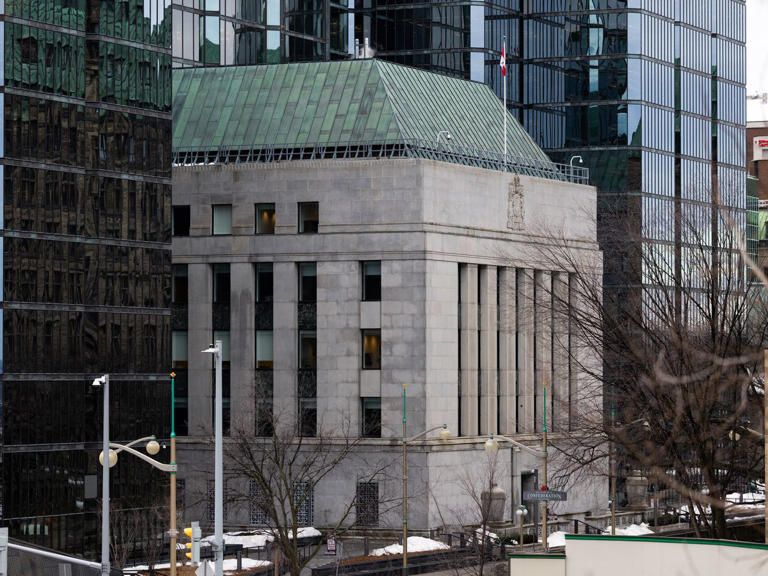
The escalating Iran conflict has triggered a geopolitical supply shock that fundamentally reshapes e-commerce economics across all major markets. Crude oil prices have surged past $110 per barrel (up 50% since March 1), with West Texas Intermediate and Brent crude reaching their highest levels since Russia's 2022 Ukraine invasion. This energy crisis is forcing central banks globally—including the Bank of Canada (100% probability of rate hikes by 2026), European Central Bank, and Bank of England—to reverse dovish monetary stances and implement aggressive interest rate increases. For cross-border e-commerce sellers, this creates a dual profitability crisis: elevated logistics costs combined with higher borrowing expenses and reduced consumer purchasing power.
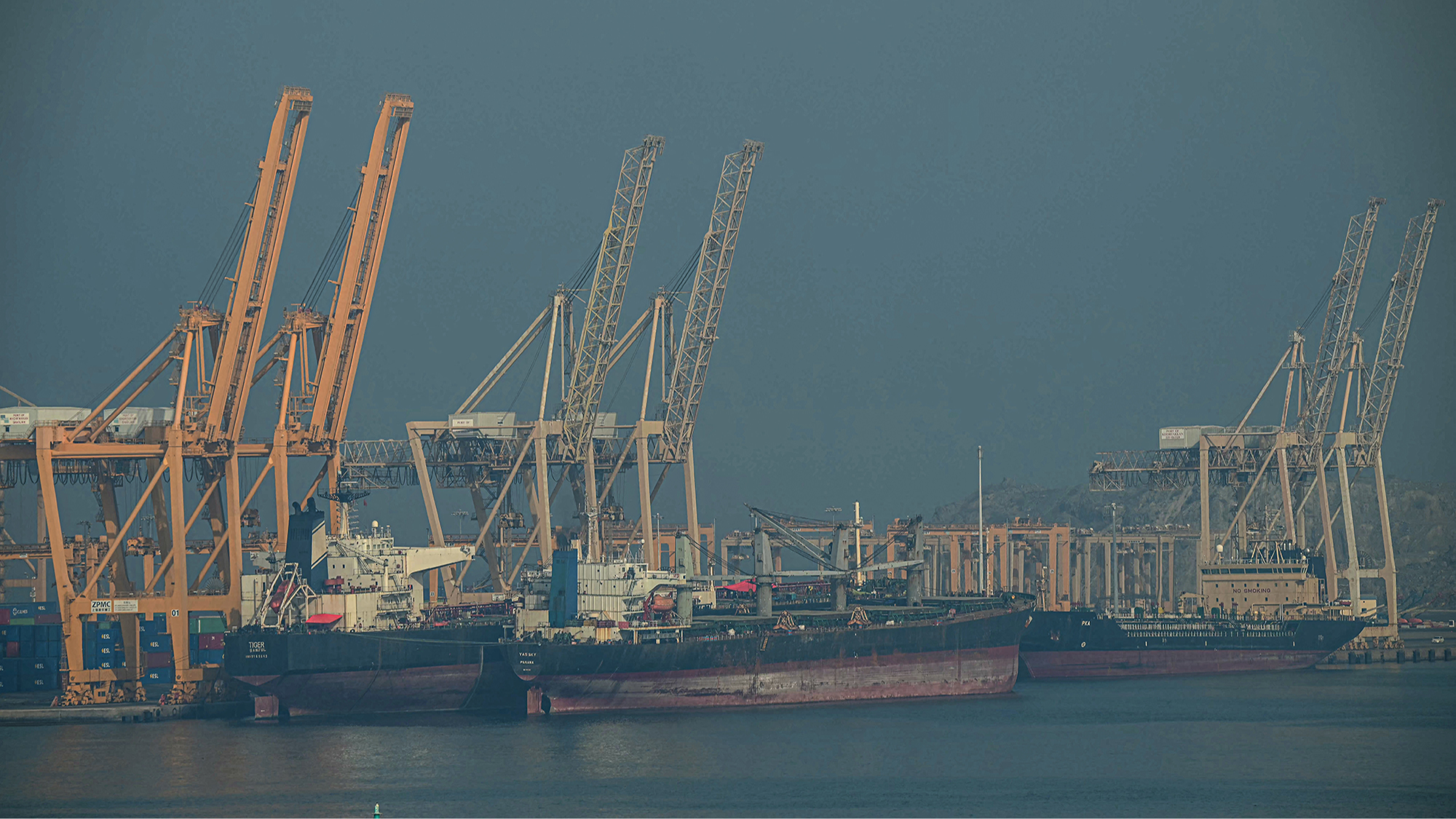
Logistics and Supply Chain Cost Compression: The $10+ oil price increase directly impacts transportation, manufacturing, and fulfillment costs across global supply chains. Canadian gasoline prices exemplify the immediate impact, rising from $1.42 to $1.56 per liter (9.9% increase) between February 27 and the announcement date. Sellers relying on air freight, ocean shipping, and last-mile delivery face 8-15% cost increases on per-unit logistics. For a seller shipping 1,000 units monthly via FBA with average logistics costs of $3-5 per unit, this translates to $240-750 additional monthly expenses. Manufacturing-dependent economies like Japan and South Korea face acute challenges—a sustained $110 oil price could reduce Japan's growth by 0.39 percentage points annually, devastating for an economy with only 0.5-1% potential growth. The IMF warns that a persistent $10 oil price increase throughout the year would raise global inflation by 40 basis points, directly affecting consumer purchasing power across developed markets.
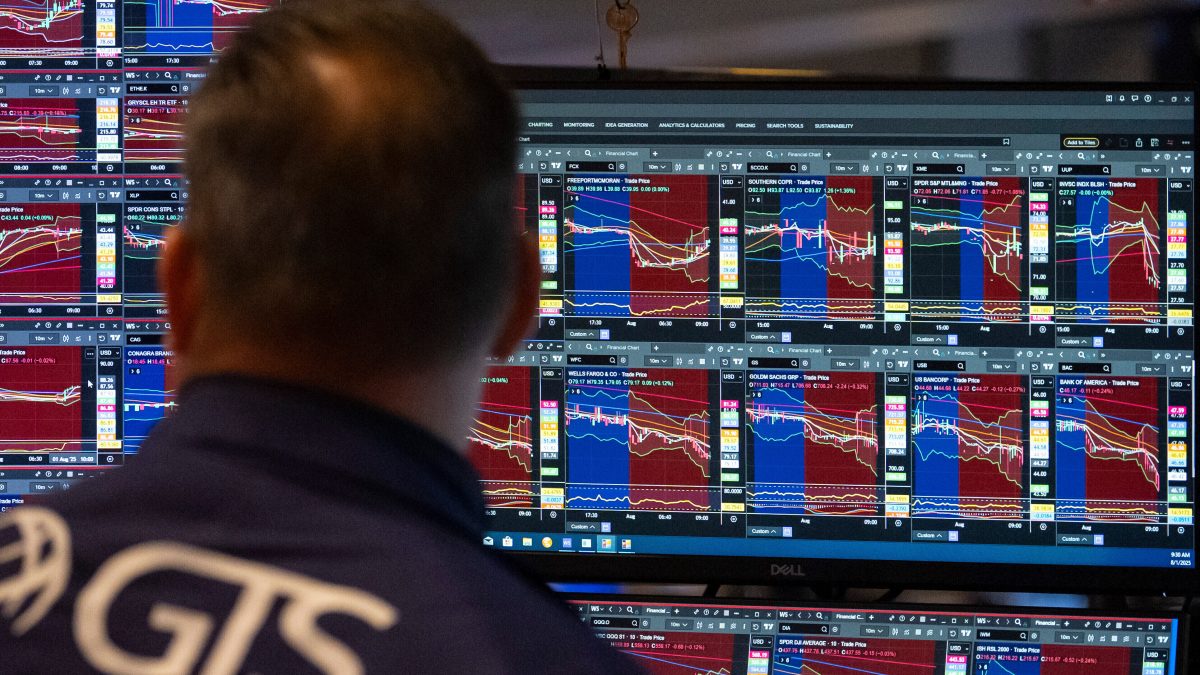
Interest Rate Hikes and Working Capital Constraints: Central banks are now pricing in significant rate increases. The Bank of Canada shows 100% confidence in rate hikes by final 2026 meeting, with 50%+ probability for September and 80% for October announcements. Higher interest rates directly increase working capital financing costs for inventory purchases, particularly impacting sellers using Amazon FBA, Shopify financing, or third-party logistics providers. A seller with $50,000 in average inventory financed at 8-10% annual rates faces $4,000-5,000 additional annual interest expenses. Stagflation risks—combining higher inflation with slowing growth—threaten corporate earnings and consumer purchasing power, potentially reducing demand for discretionary goods (electronics, apparel, home goods) that represent 60%+ of cross-border e-commerce volume.
Regional Currency and Market Access Disruptions: The Reserve Bank of India faces capital outflows as investors flee to safe-haven US dollars, creating currency stabilization pressures. Thailand and the Philippines may reverse dovish monetary stances despite rising fuel costs, signaling tightening monetary conditions in key sourcing and consumer markets. Australia risks de-anchoring inflation expectations, while New Zealand faces pressure to tolerate higher inflation. These divergent central bank responses create currency volatility that increases hedging costs for sellers operating across multiple regions.
Questions 7
How much will my Amazon FBA shipping costs increase due to oil price surge?
Amazon FBA fulfillment costs will increase 8-15% based on the 50% crude oil surge since March 1. For sellers shipping 1,000+ units monthly with average logistics costs of $3-5 per unit, expect $240-750 additional monthly expenses. The impact varies by category weight and destination zone. Sellers should immediately review their FBA fee structure in Seller Central and model cost increases for Q2-Q3 2025. Monitor oil prices weekly at Freightos.com to forecast margin compression and adjust pricing strategies accordingly.
Will interest rate hikes affect my inventory financing costs?
Yes, significantly. Central banks globally are implementing rate hikes—the Bank of Canada shows 100% probability of increases by 2026, with 50%+ probability for September and 80% for October. If you finance $50,000 in average inventory at current 8-10% rates, expect $4,000-5,000 additional annual interest expenses. Sellers using Shopify Capital, Amazon Lending, or traditional bank financing will see higher borrowing costs immediately. Consider accelerating inventory turnover, reducing SKU count, and negotiating extended payment terms with suppliers to minimize working capital exposure.