


Middle East Crisis Triggers Oil Spike | Cross-Border Sellers Face 8-15% Logistics Cost Surge
- Brent crude jumps 13% to $104/barrel; diesel projected to reach 180p/litre; UK mortgage rates climb 3-4 basis points; inventory financing costs rise as central banks maintain higher rates





















Overview
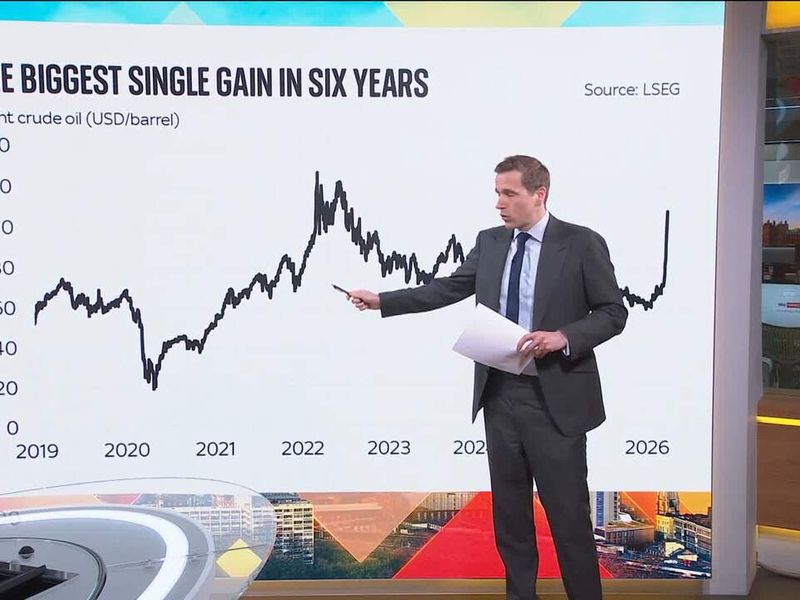
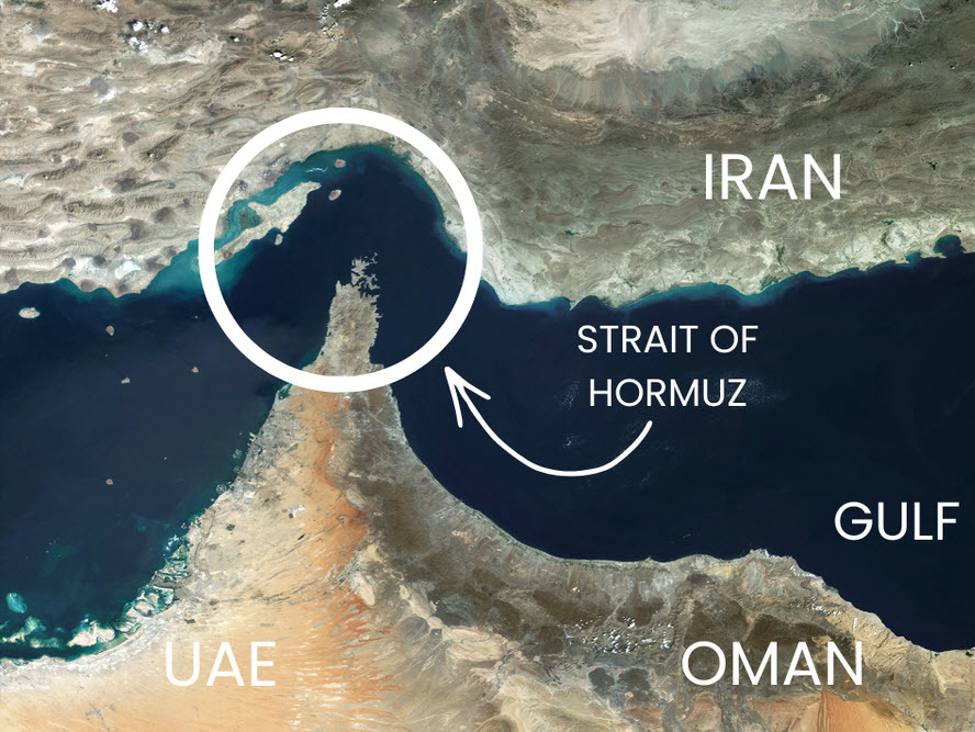
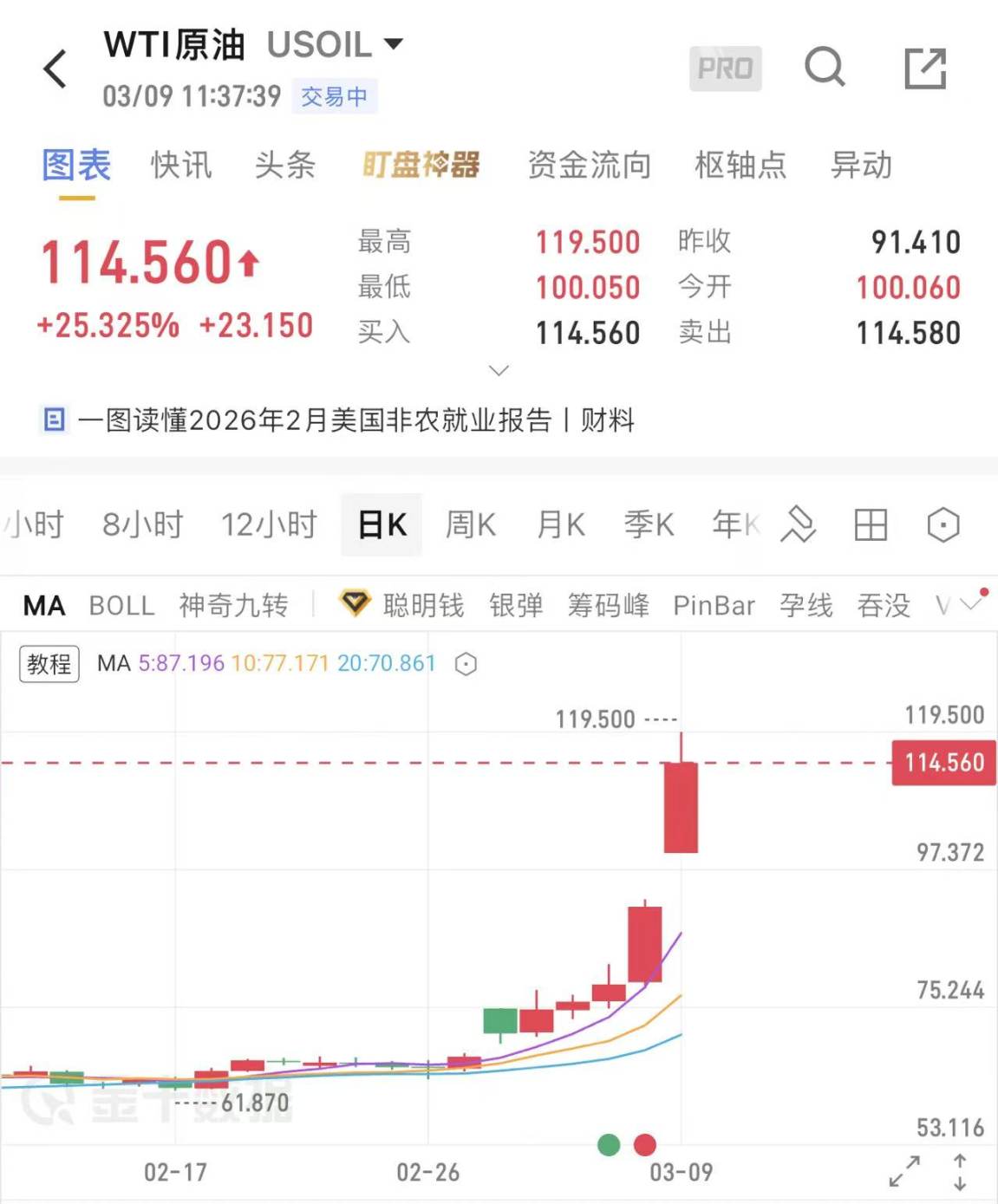
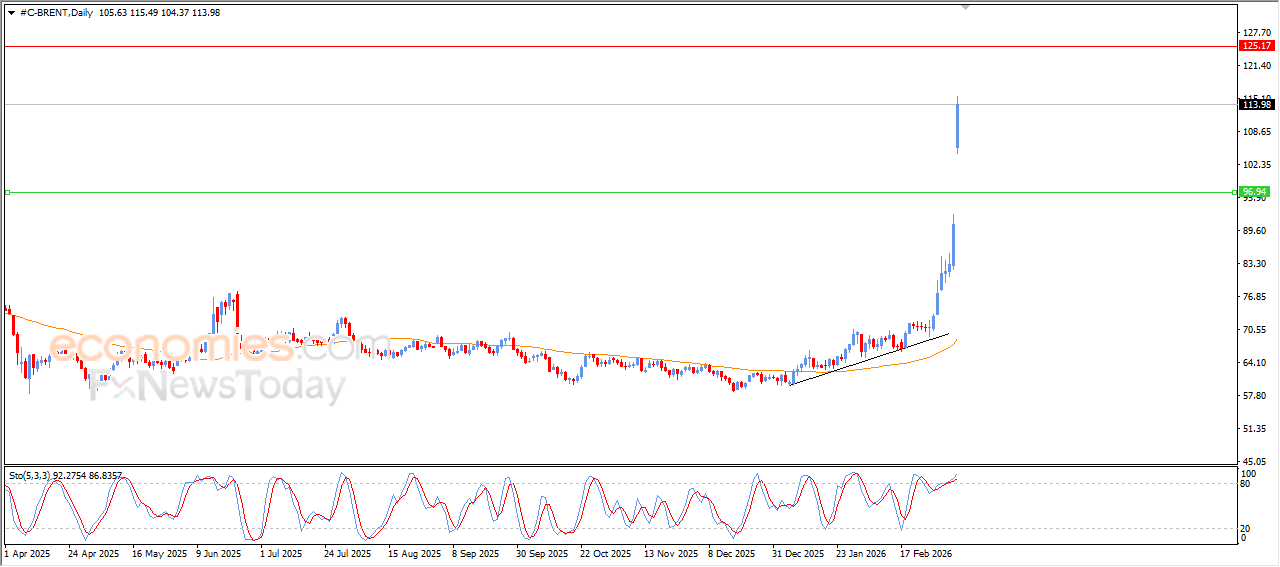
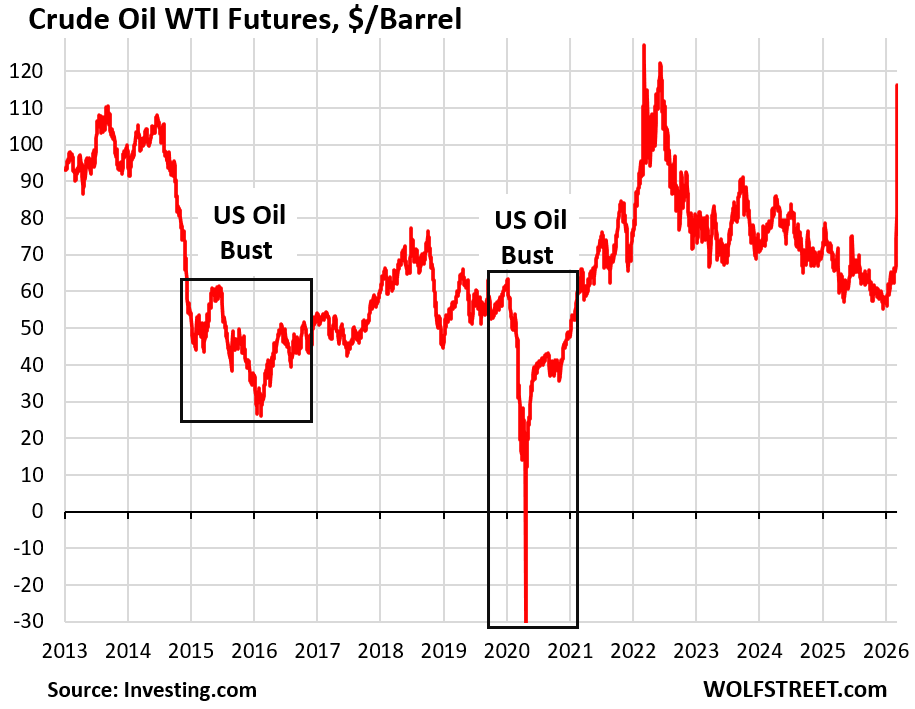
A major geopolitical crisis in the Middle East has triggered the largest oil price spike in six years, with immediate and cascading financial implications for cross-border e-commerce sellers globally. Brent crude surged to $118 per barrel before settling at $104—a 13% jump from Friday's close—driven by severely reduced tanker traffic through the Strait of Hormuz, where only 14 vessels transited near Iranian waters last week versus normal volumes. This critical supply chokepoint disruption directly impacts seller economics across three financial dimensions: immediate logistics cost increases, working capital constraints from higher borrowing rates, and currency volatility in cross-border payment corridors.
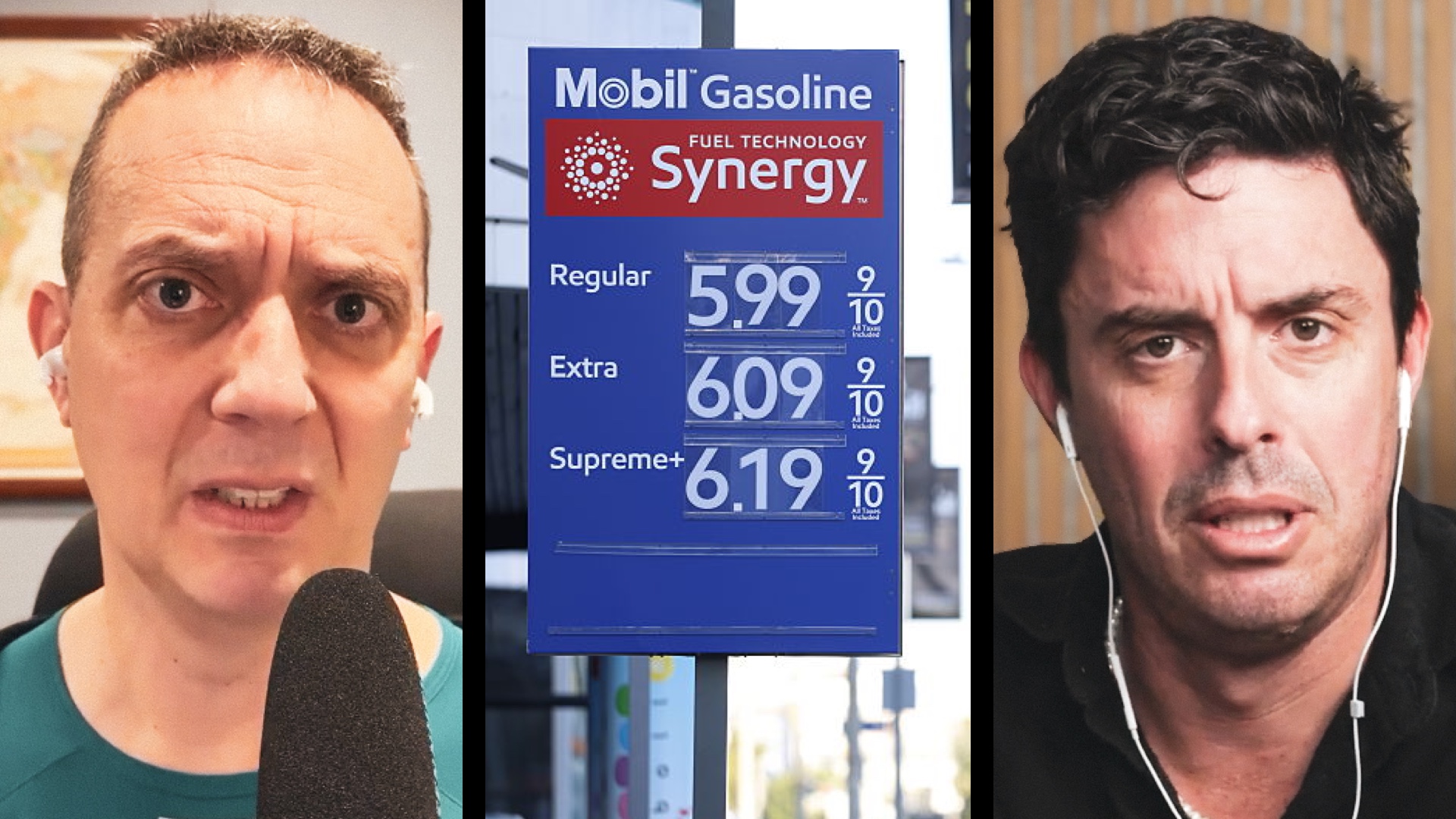
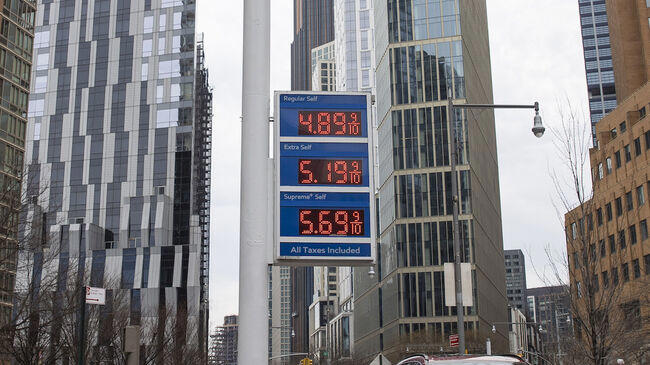
Logistics Cost Impact: Fuel costs have surged dramatically since February 28, with petrol increasing 5p to 137.5p per litre and diesel jumping 9p to 151p per litre. Industry analysts project diesel could reach 180p per litre if oil remains elevated around $100 per barrel. For e-commerce sellers, this translates to 8-15% increases in shipping costs, warehouse electricity, and last-mile delivery expenses. A seller shipping 1,000 units monthly via FBA could face additional £400-800 in monthly logistics costs. UK-based sellers shipping to EU markets face compounded pressure as fuel surcharges apply to both outbound inventory shipments and return logistics.
Working Capital Financing Crisis: The inflation concerns triggered by energy price spikes are forcing central banks to maintain higher interest rates longer than anticipated. UK mortgage rates have climbed from 4.84% to 4.87% (two-year fixed) and 4.96% to 4.98% (five-year fixed)—signaling that inventory financing and business expansion loans will remain expensive. For sellers relying on invoice financing or PO financing, APR rates typically increase 50-100 basis points during inflationary periods, directly compressing working capital availability. A seller with £50,000 in outstanding invoices could face an additional £250-500 in monthly financing costs.
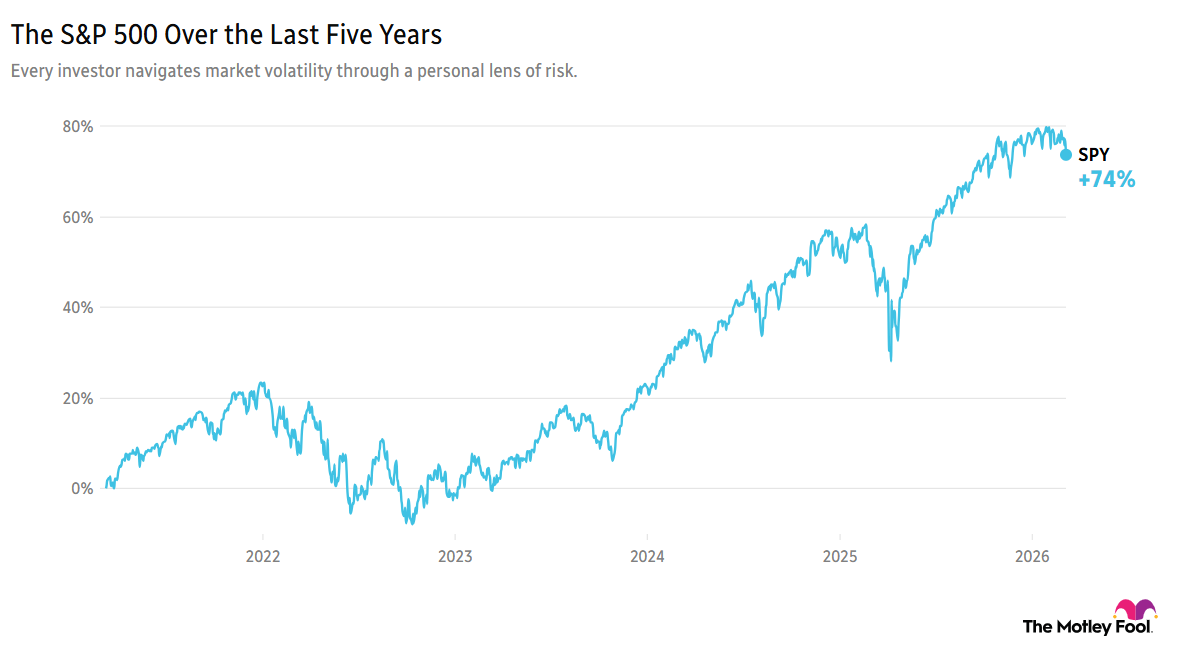
Currency and Payment Optimization Opportunities: Market volatility has intensified across European stock exchanges (FTSE 100 down 1.3%), creating FX arbitrage windows. Sellers with GBP-denominated costs and USD/EUR revenue streams can benefit from hedging strategies during high-volatility periods. G7 finance ministers, including UK Chancellor Rachel Reeves, are coordinating potential releases of up to 400 million barrels from strategic oil stockpiles to stabilize prices, but experts warn prolonged Strait of Hormuz closures could sustain triple-digit crude prices. This environment demands immediate cost reassessment, supply chain diversification, and strategic pricing adjustments to maintain margins while remaining competitive.
Questions 8
How much will my FBA shipping costs increase due to the oil price spike?
FBA shipping costs will increase 8-15% depending on your fulfillment center location and product weight. With diesel projected to reach 180p per litre (up from 151p), carriers are implementing fuel surcharges of 3-5% on top of base rates. A seller shipping 1,000 units monthly via FBA could face £400-800 in additional monthly costs. Amazon typically passes fuel surcharges to sellers within 2-4 weeks, so monitor your FBA fee dashboard closely. Consider consolidating shipments to fewer fulfillment centers to reduce per-unit logistics costs.
What financing options should I use if inventory loans become more expensive?
With UK mortgage rates climbing from 4.84% to 4.87% (two-year fixed), inventory financing APR rates will increase 50-100 basis points. Invoice financing and PO financing remain more accessible than traditional bank loans during volatile periods, though rates will be higher. A £50,000 invoice financing facility could cost an additional £250-500 monthly. Consider supply chain financing platforms like Trad Finance or Fintech lenders specializing in e-commerce, which offer rates 1-2% lower than traditional banks. Lock in rates immediately if you're planning Q2 inventory purchases.