


Hormuz Strait Disruptions Drive 15-25% Shipping Cost Surge | Food & Agriculture Sellers Face Critical Supply Chain Risk
- 21-30% of global seaborne oil transits Hormuz daily; fertilizer prices spike 40%+ when disrupted; West Africa & South Asia demand collapses; sellers must shift inventory strategies immediately











)






Overview
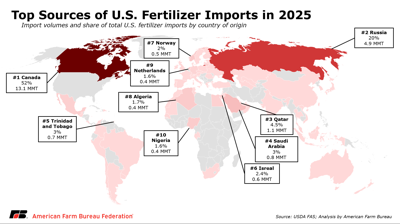
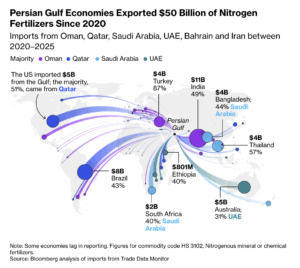
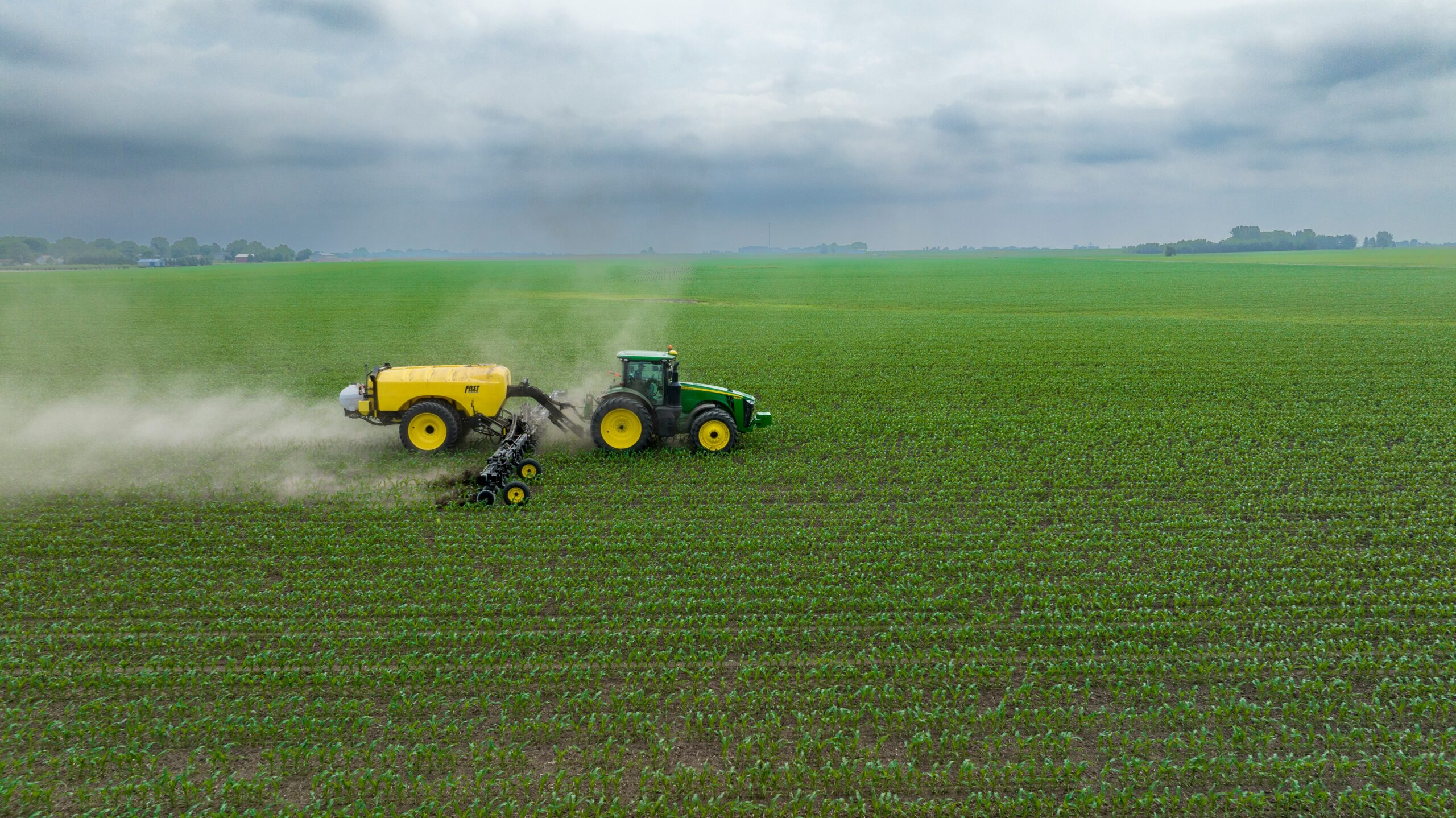
Geopolitical tensions at the Strait of Hormuz create an immediate supply chain crisis for cross-border e-commerce sellers in food, agriculture, and consumer goods sectors. The Persian Gulf region supplies approximately 50% of the world's nitrogen-based fertilizers—essential inputs for crops feeding half the global population. When the Strait of Hormuz faces disruption, fertilizer prices spike significantly, forcing farmers to reduce application rates or abandon fertilizer use entirely due to cost constraints. This creates a cascading multiplier effect: reduced fertilizer application → lower crop yields → decreased global food supply → elevated commodity prices.
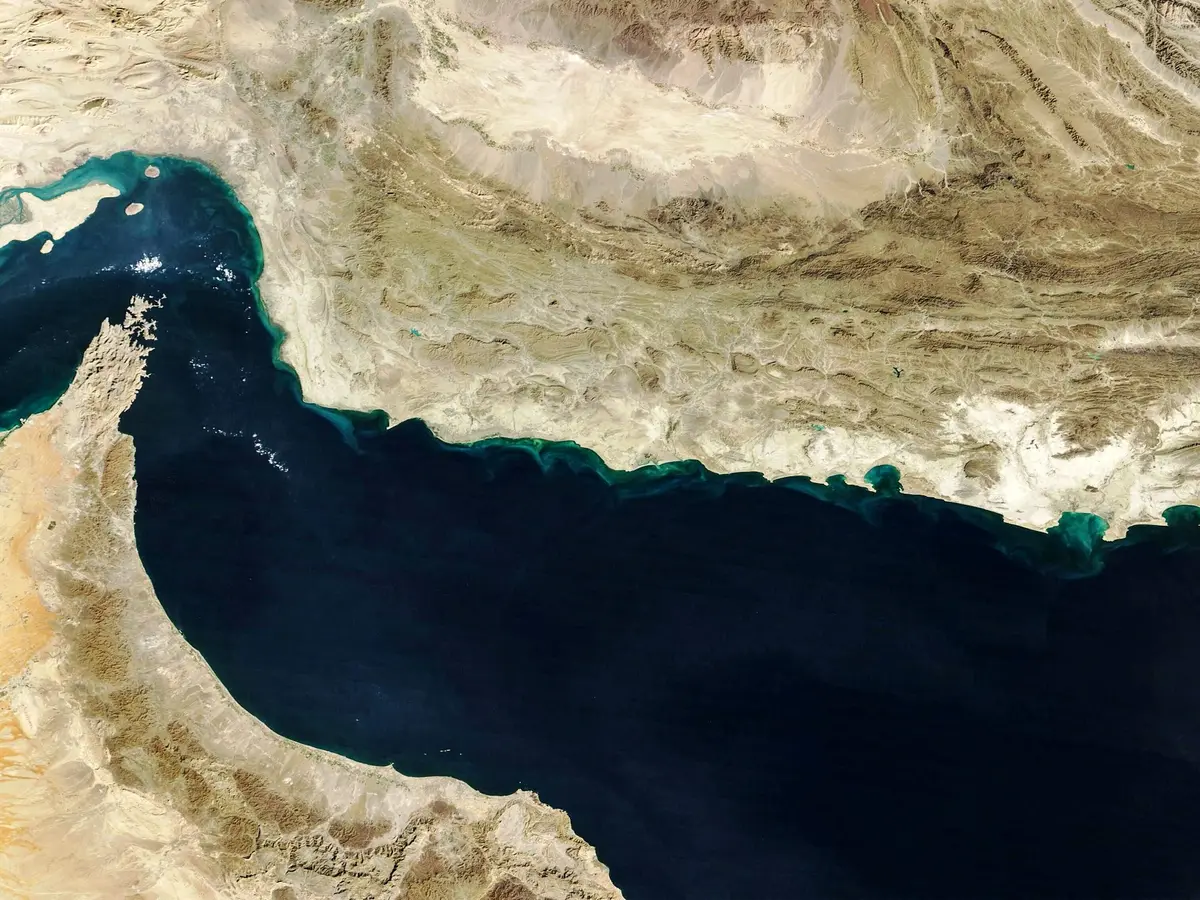
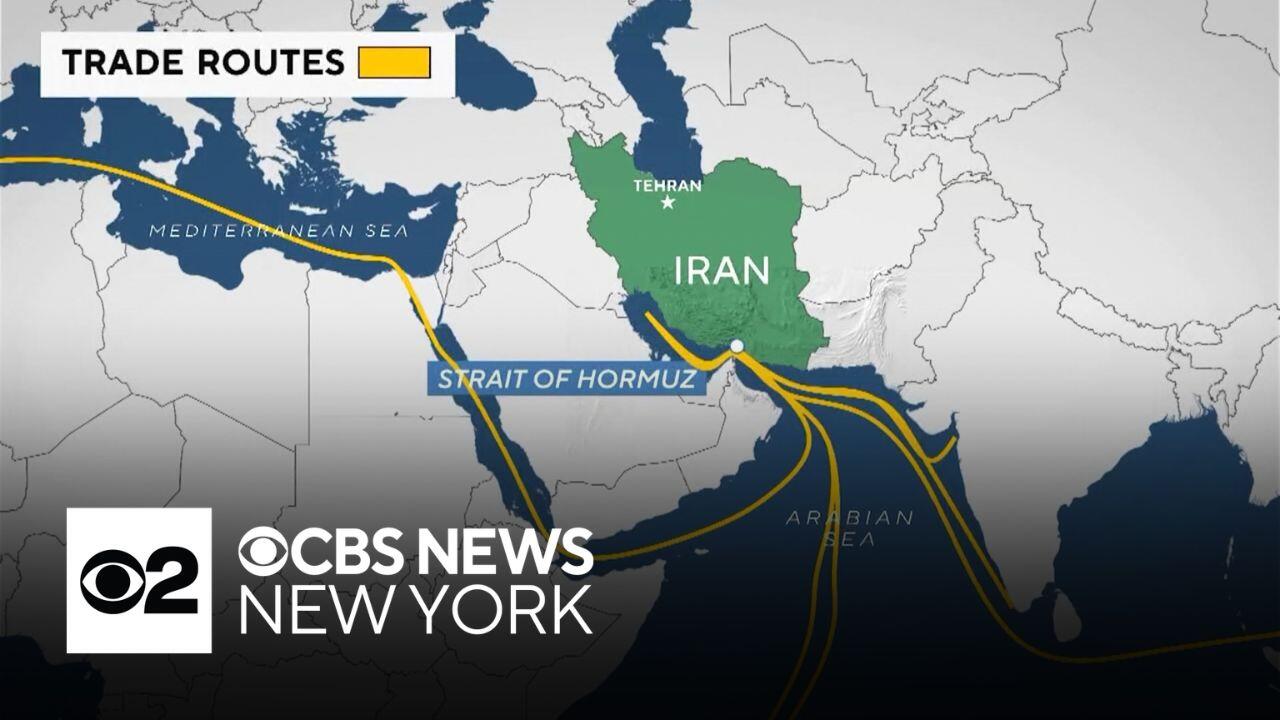
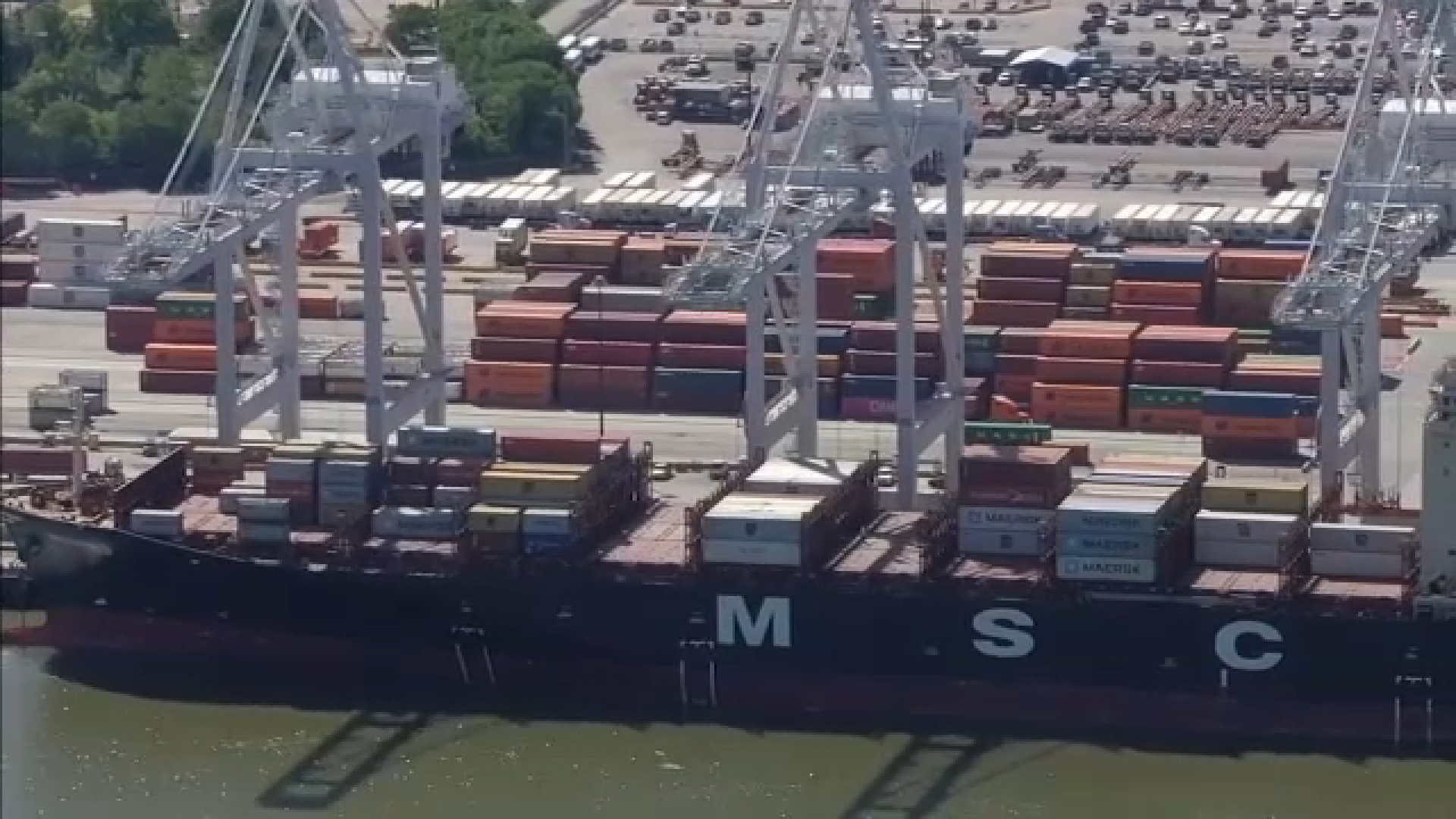
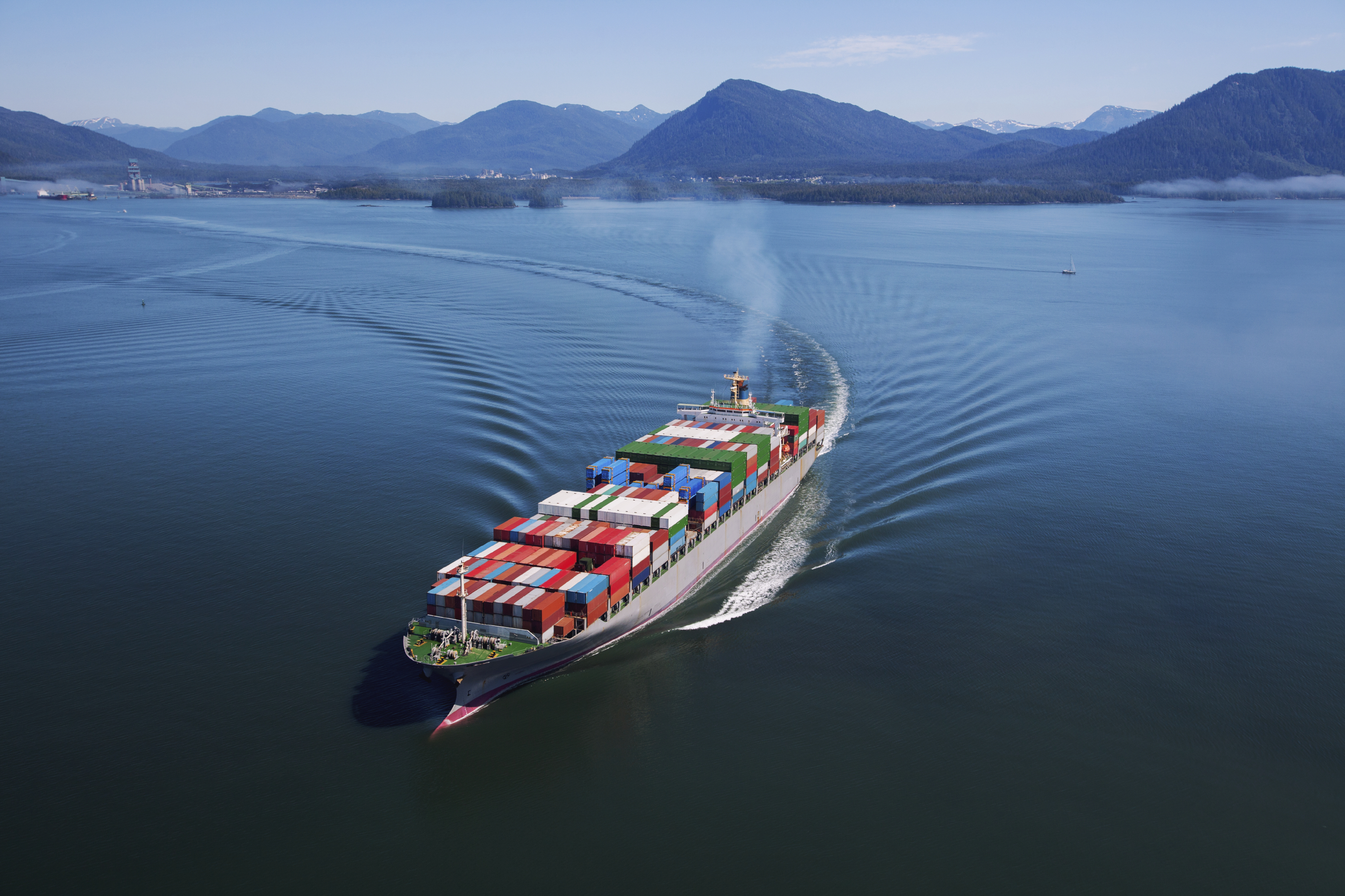
Simultaneously, the Strait of Hormuz serves as the world's most critical oil chokepoint, with 21-30% of seaborne traded oil passing through daily. Any blockade triggers immediate crude oil price spikes, directly increasing transportation costs for agricultural products, fertilizers, and food distribution networks. Ocean freight rates from Middle East/South Asia to North America and Europe typically increase 15-25% during Hormuz tensions, while air freight premiums can spike 30-40%. For sellers shipping 500+ units monthly via ocean freight, this translates to $800-2,400 additional monthly costs per container. Refrigerated logistics (reefer containers) for perishables face even steeper increases of 25-35% due to fuel surcharges.
The demand destruction in vulnerable markets compounds margin pressure. West Africa and South Asia—regions heavily dependent on food imports—experience acute purchasing power collapse during supply shocks. Sellers targeting these regions via Amazon Global, eBay International, or Shopify should anticipate 20-40% demand declines for imported food products, specialty ingredients, and agricultural equipment. Conversely, sellers in North America and Europe face margin compression from rising input costs: agricultural commodity prices increase 8-15%, food product costs rise 5-12%, and logistics expenses surge 15-25%. Sellers relying on just-in-time inventory models face particular vulnerability, with supply delays extending from 21-30 days to 45-60+ days via alternative routing around Africa.
The Russia-Ukraine conflict precedent demonstrates the intensity of this crisis. That disruption caused bread shortages in West Africa and South Asia within 60-90 days. Current fertilizer supply chain complexity—involving multiple Middle Eastern producers and global distribution networks—suggests even more severe effects. Commodities experts quoted in the analysis indicate potential for 30-50% price volatility in agricultural commodities over 6-12 month periods.
Questions 8
How much will Hormuz disruptions increase my ocean freight costs?
Ocean freight rates from Middle East/South Asia to North America and Europe typically increase 15-25% during Hormuz tensions, translating to $800-2,400 additional monthly costs per 40-foot container for sellers shipping 500+ units monthly. Reefer containers for perishables face steeper increases of 25-35% due to fuel surcharges. Air freight premiums spike 30-40%, making it economically viable only for high-margin products (>40% gross margin). Alternative routing around Africa adds 15-20 days to transit times, increasing working capital requirements by 30-50% for sellers maintaining inventory buffers.
Which product categories face the highest margin compression from Hormuz disruptions?
Food products, agricultural inputs, and specialty ingredients face the most severe margin compression. Commodity-based foods (grains, oils, proteins) see 8-15% cost increases, while processed foods rise 5-12%. Agricultural equipment and fertilizer-dependent products experience 10-20% cost spikes. Conversely, high-margin specialty foods (organic, ethnic, gourmet) with 35-50% gross margins can absorb cost increases while maintaining competitiveness. Sellers should immediately audit product-level margins and prioritize inventory allocation toward higher-margin categories (35%+ gross margin) that can sustain 15-25% shipping cost increases.