


NFL Roster Dynamics Spotlight Chargers' Strategic Player Management
- Injury Recovery and Roster Flexibility Reveal Critical Team Adaptation Strategies


































.jpg)

























Overview
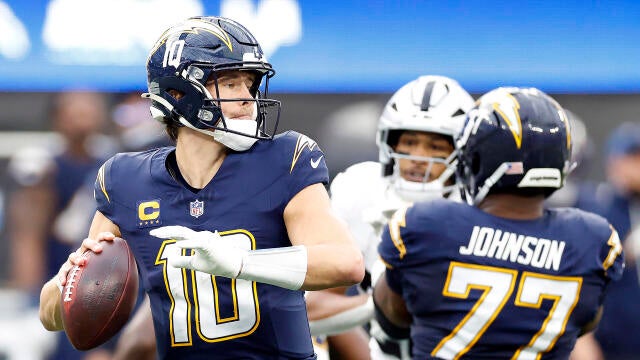
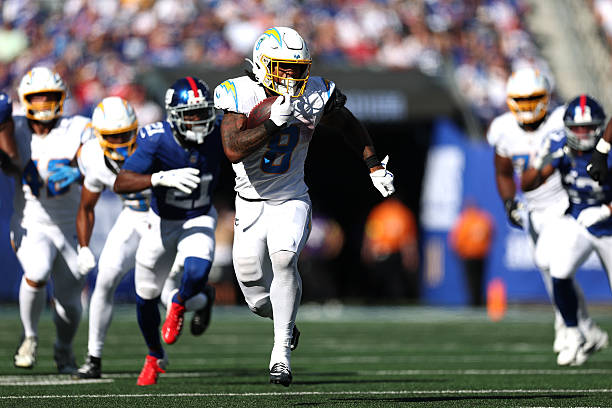
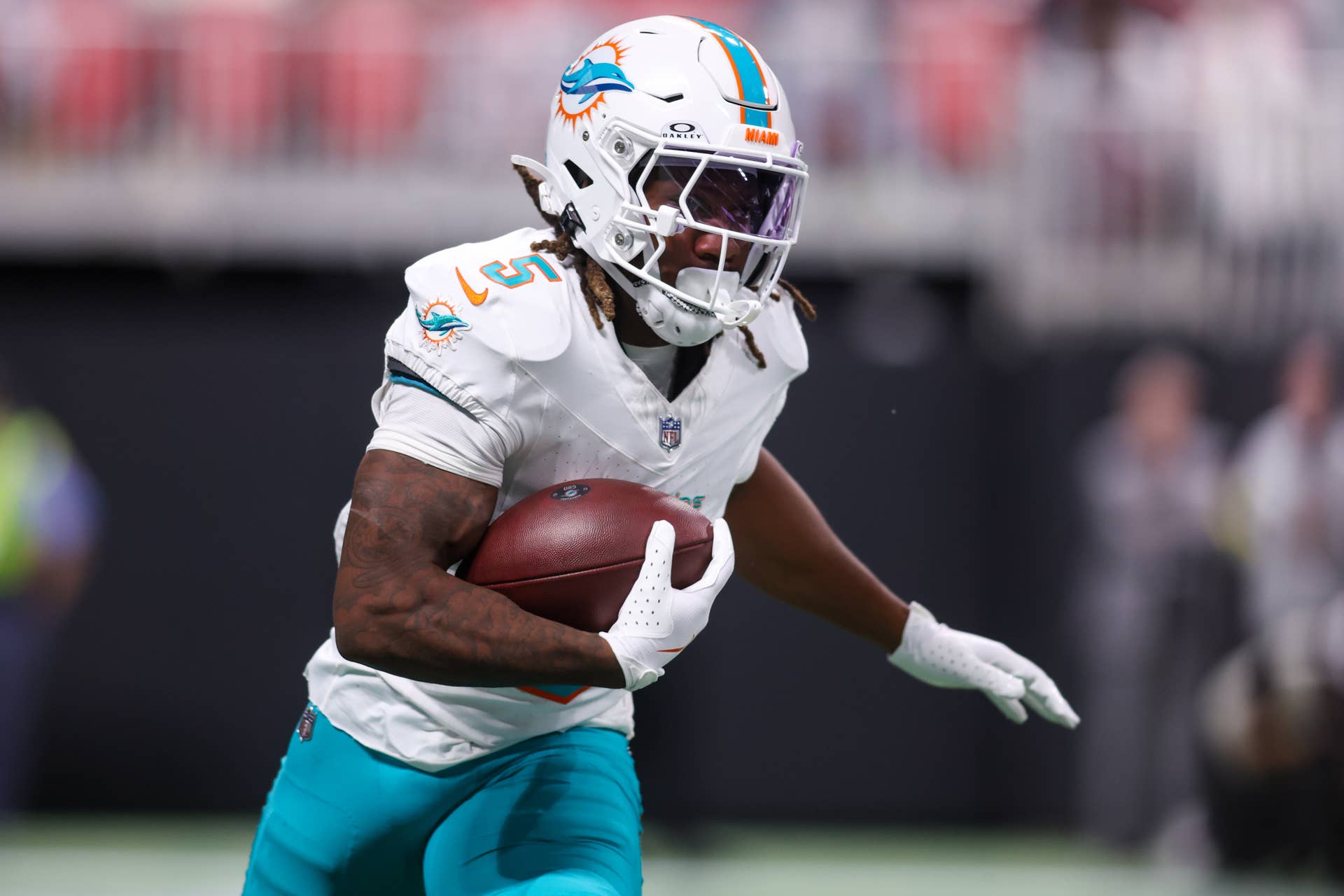
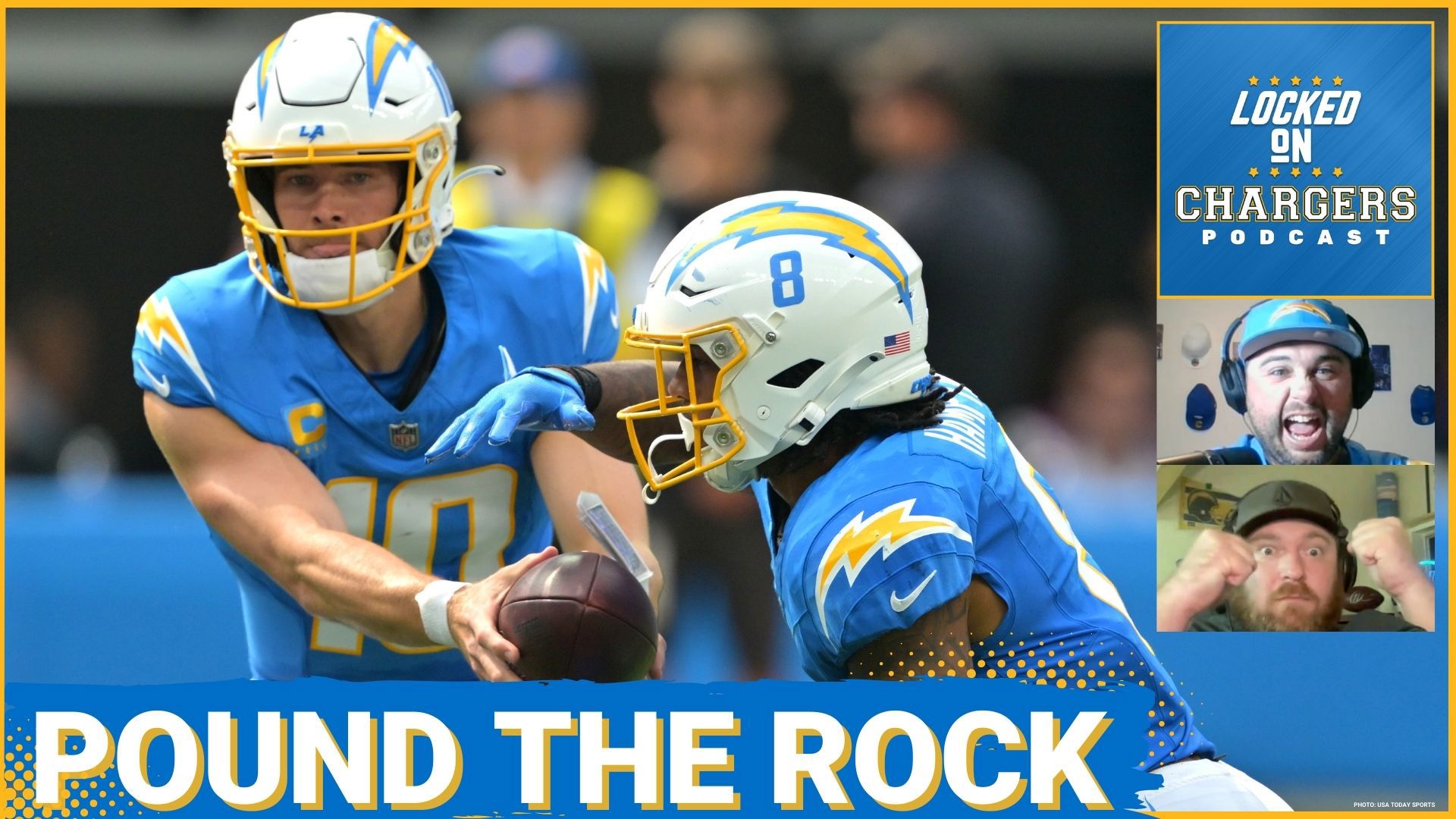
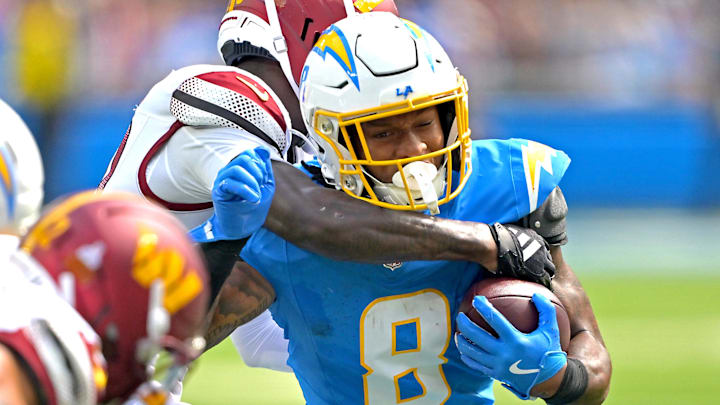
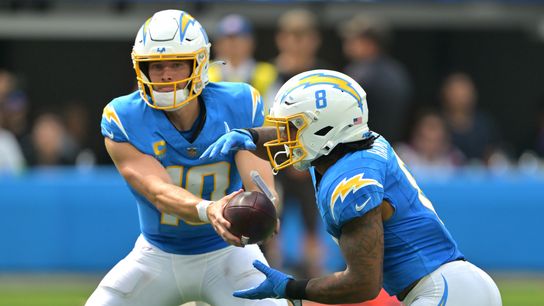
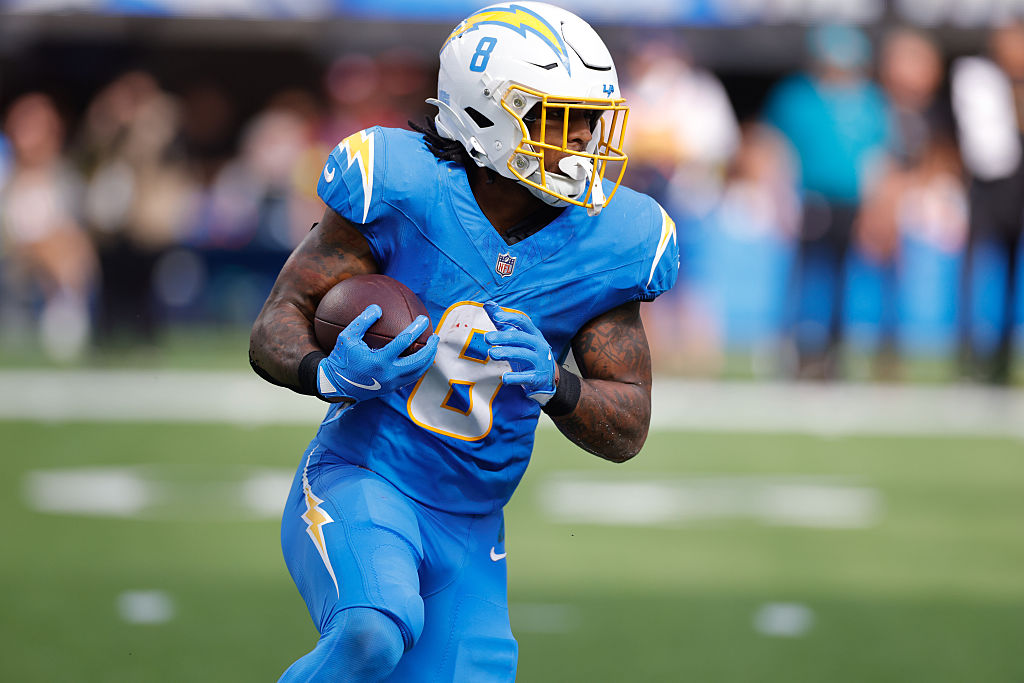
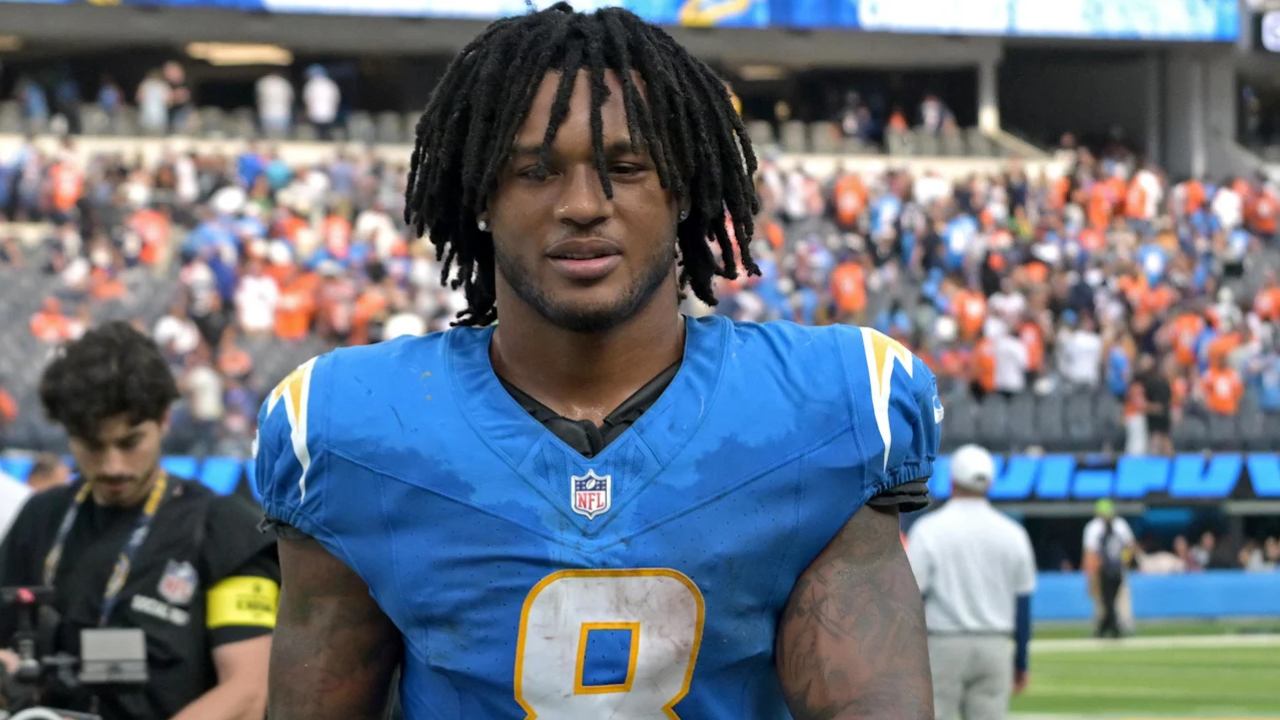
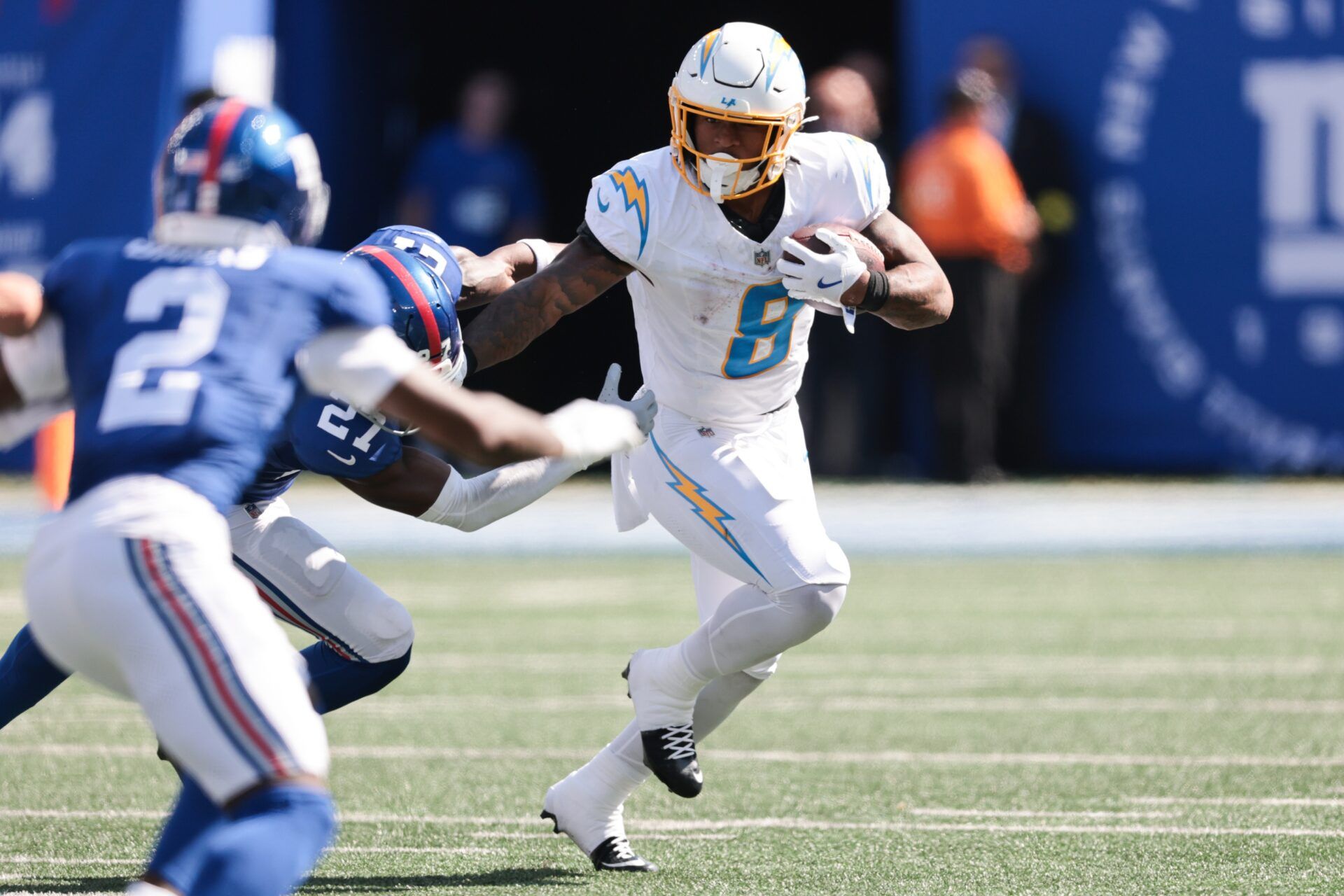
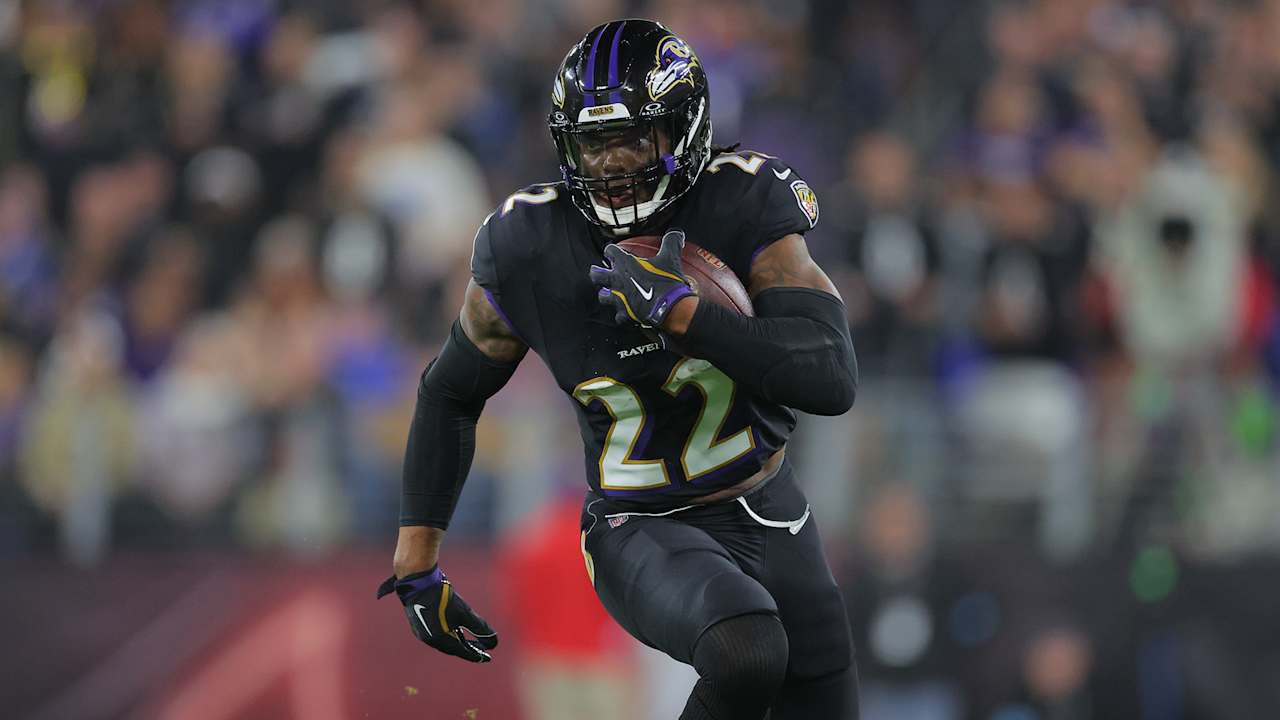
The Los Angeles Chargers are demonstrating sophisticated roster management through strategic player activation and injury recovery protocols, with Omarion Hampton's return signaling a nuanced approach to team resilience. Hampton's recovery from an ankle injury in Week 5 and subsequent activation for the Monday Night Football game against the Philadelphia Eagles represents more than a simple player return—it's a calculated tactical decision that highlights the team's adaptive capabilities.
Roster Flexibility emerges as a critical theme in these developments. The Chargers' decision to elevate Hampton, alongside Haskins and Ogbonnia, from the injured reserve reveals a sophisticated roster manipulation strategy. This approach allows the team to maintain competitive depth while managing player health and performance constraints. Such tactical moves are increasingly crucial in the NFL, where roster management can significantly impact team performance and playoff potential.
The timing of these roster adjustments—just before a high-stakes Monday Night Football matchup—underscores the strategic complexity of professional football operations. By carefully timing player activations, the Chargers demonstrate an ability to balance immediate competitive needs with long-term player development and health preservation. Hampton's return, in particular, signals the team's confidence in his recovery and potential impact, suggesting he represents a key component of their offensive strategy moving forward.
These roster maneuvers reflect broader trends in NFL team management: prioritizing player adaptability, maintaining roster flexibility, and making data-driven decisions about player health and performance. For the Chargers, this approach could be pivotal in navigating a challenging season and maintaining competitive edge in a highly dynamic league environment.
Questions 3
Why are roster moves important in the NFL?
Roster moves are critical for managing player health, maintaining team competitiveness, and adapting to injury challenges. They allow teams to balance immediate performance needs with long-term player development, which can significantly impact season outcomes and playoff potential.
How do NFL teams use injured reserve strategically?
Injured reserve allows teams to temporarily remove players from the active roster while preserving their contract status. The Chargers' elevation of Hampton, Haskins, and Ogbonnia shows how teams can maintain roster flexibility, manage player recovery, and adapt to changing competitive needs.