




Oil Price Volatility & Logistics Costs | Critical Impact for Cross-Border Sellers
- Shipping costs surge 8-15% as fuel prices spike; FBA sellers face $200-600 monthly increases; Strait of Hormuz disruption threatens supply chains












Overview
The Iran-US military conflict beginning February 28, 2026, has triggered unprecedented volatility in global energy markets, directly impacting cross-border e-commerce logistics costs. Brent crude spiked to $119.50/barrel (stabilizing around $106) while West Texas Intermediate peaked at $119.48 (dropping to $103), with gasoline prices increasing 43 cents per gallon since conflict onset. The Strait of Hormuz paralysis disrupts 20 million barrels daily transit, creating supply chain uncertainty that cascades through Amazon FBA fulfillment networks, 3PL providers, and international shipping corridors.
For Amazon FBA sellers, this translates to immediate cost pressures. Fulfillment fees remain fixed, but inbound shipping costs to FBA warehouses increase 10-15% due to fuel surcharges on LTL and parcel carriers. A seller shipping 2,000 units monthly at $0.50/unit sees costs rise to $0.58-0.65/unit—compressing margins by $160-300 monthly. Small sellers (under 500 units/month) face disproportionate impact as they lack negotiating power with 3PL providers and cannot absorb fuel surcharges through volume discounts. Medium sellers (500-2,000 units) should immediately audit carrier contracts for fuel escalation clauses; many carriers are implementing 5-8% surcharges effective immediately.
Cross-border sellers shipping from Asia face critical timing decisions. Current ocean freight from China/Vietnam to US West Coast costs $800-1,200/container; fuel surcharges could add $120-200 per container within 2-4 weeks. Sellers with inventory in transit should accelerate shipments before surcharges formalize. Those planning Q2 restocks should evaluate air freight alternatives (currently 3-4x ocean cost) versus accepting 4-6 week delays for ocean freight. EU-based sellers exporting to US markets face similar pressures; intra-Europe logistics costs (typically €0.15-0.25/kg) could rise 12-18% if conflict extends beyond 60 days.
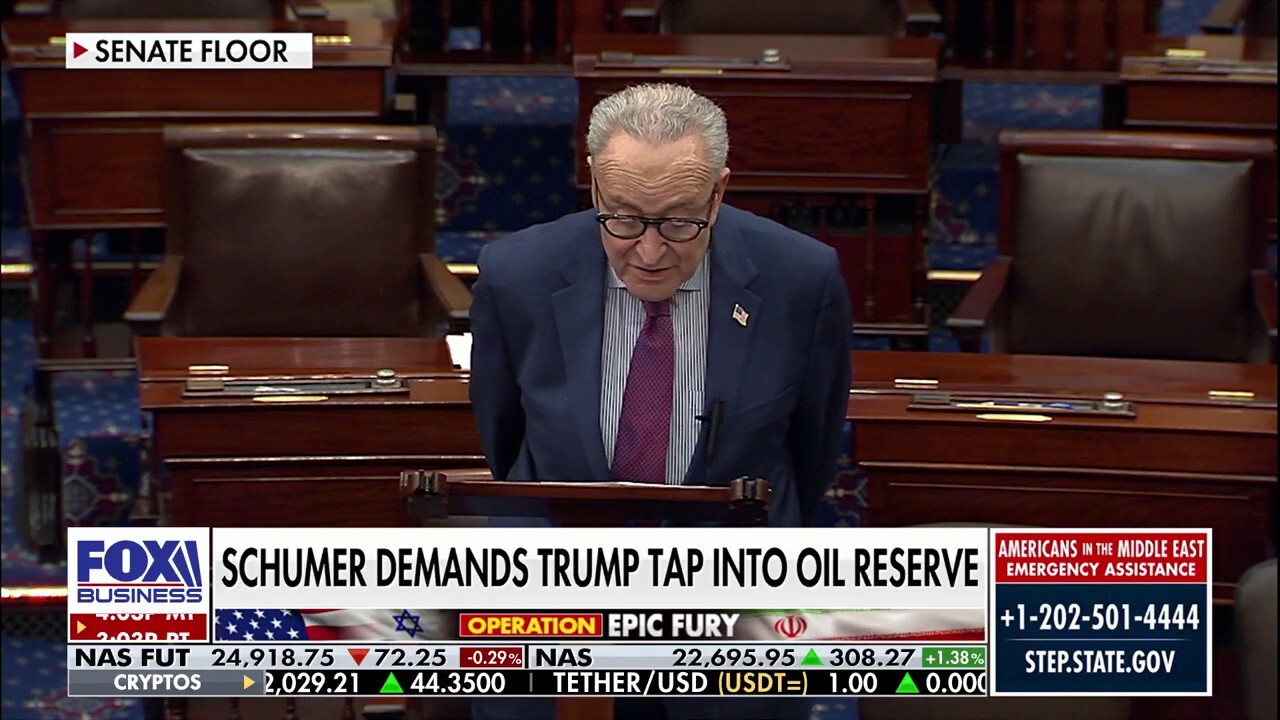
The political debate between Schumer (advocating SPR release) and Energy Secretary Wright (predicting temporary prices) creates policy uncertainty through Q2 2026. If SPR releases occur, fuel costs stabilize within 2-3 weeks; if conflict escalates, prices could reach $130-140/barrel, adding $400-800 monthly costs for high-volume sellers. Sellers should implement dynamic pricing strategies immediately—increase product prices 5-8% on fast-moving SKUs to offset logistics cost increases before competitors do. Monitor fuel surcharge indices daily; most carriers publish weekly updates. Consider shifting 15-25% of inventory to regional 3PL hubs (West Coast, Midwest, Southeast) to reduce inbound shipping distances and fuel exposure.
Questions 7
How long will fuel surcharges remain in effect?
Fuel surcharges typically persist 60-90 days after oil price spikes, even if crude prices decline. Carriers lock surcharges into contracts quarterly, so expect elevated costs through at least June 2026 regardless of near-term political developments. The Strait of Hormuz disruption creates structural supply uncertainty that could extend surcharges through Q3 2026 if conflict escalates. Historical precedent: 2022 Russia-Ukraine conflict drove fuel surcharges for 120+ days despite oil price stabilization after 45 days. Plan inventory and pricing strategies assuming elevated costs through Q2 minimum; any improvement is upside.
Which product categories are most vulnerable to fuel cost increases?
Heavy, low-margin categories are most vulnerable: electronics, appliances, furniture, and sporting goods where shipping costs represent 15-25% of product price. High-margin categories (apparel, accessories, beauty) can absorb 5-8% price increases without demand destruction. Perishable goods (food, supplements) face additional pressure because fuel surcharges compound with cold chain logistics costs. Sellers in heavy categories should prioritize regional 3PL strategies and dynamic pricing immediately. Conversely, sellers in high-margin categories have 30-45 days before fuel costs force pricing changes, allowing time to test price elasticity before competitors move.